
The blog provides specific information to help you decide if forensic science is the right choice for you. With the inside scoop on forensic science professors, schools and training programs, as well as detailed information on the steps and requirements to become a forensics professional, the ForensicsColleges.com blog is a fine place to begin your research.
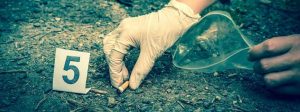
Body Farms and Other Novel Tools of Forensic Education
One of the biggest debates in education is how to find a proper balance between theory and practical applications to help students master complex subjects. Focusing on theory can provide a strong foundation, while hands-on experiences provide lessons beyond what can be absorbed in books and lectures.

Painting a Mug Shot with Genetics: A Spotlight on DNA Phenotyping
Today, investigators can solve cases using computer programs to generate possible facial images of suspects or victims based on DNA.

What is Money Laundering?
Money laundering investigations have busted kingpins of international criminal organizations, prevented terrorists from carrying out attacks, exposed double agent spies, and even contributed to the resignation of a United States president.

What Can I Do with a Degree in Digital Forensics?
As cybercrimes such as state-sponsored attacks, “smart spam,” and ransomware continue to proliferate, so too will the career opportunities for people with degrees in digital forensics. Check out this guide to high-growth careers in this field.
Forensic Accountants Fighting White Collar Crime
Some of the greatest crime fighters are those who fly under the radar. They are not roaming the streets for criminals or getting into car chases, but rather investigating white-collar crimes.

A Quest for Truth: Rethinking History with Forensic Science
Within the forensic community, there is a definite sense of curiosity and eagerness about the value of re-approaching older open cases with fresh eyes and new investigative tools. Crimes that baffled detectives when they occurred or were poorly investigated the first time may benefit from outside observers and modern investigative practices.
Meet Forensics Professors with Exceptional Specializations
The term “forensics” encompasses a number of subcategories, thus many who study forensics pursue specializations in areas such as chemistry, microbiology, toxicology, entomology, or sub-specialties within those realms. Meet professors who are pushing the field forward in their chosen forensics specializations.
Top Online Legal Studies Professors
A legal studies major allows students the opportunity to familiarize themselves with all facets of the law, including legal methodologies, institutions, processes, and best practices. These professors are well-known authors, members of professional organizations, and supporting members of the community who are committed to delivering high-quality education.
Top Forensic Psychology Professors on Twitter
These professors, who are active on Twitter, were chosen for their important contributions to research and practice at the intersection of psychology, law, and criminal justice, as well as for their prominence in influential media such as scholarly journals, books, and television programs.

Virtual Reality, Augmented Reality, and the Future of Forensics
While a majority of people currently use the technology for entertainment, those within the field of forensics are coming to realize VR’s potential to be a powerful tool in pursuit of justice.

Guide to Latent Print Examination and Friction Ridge Analysis
The concept of ridge processing is fairly well known, but even the biggest law junkies and CSI fans may not realize just how complicated—albeit promising—the field of forensic print analysis can be. Learn more about the method and the professionals who use it here.

Guide to Forensic Investigations: Trace Evidence, Ballistics, Toxicology, and DNA
This guide examines the bright career outlook in forensic science and related occupations, as well as accredited educational programs, professional certification, and top employers across four high-growth forensic science subfields: trace evidence, ballistics, toxicology, and DNA.

What Can I Do with a Master’s in Criminal Justice (MCJ/MSCJ)?
While many assume that a degree in criminal justice leads to a career in law enforcement, this is only the tip of the iceberg. Learn more.

Top Professors Changing Forensic Biology
At any crime scene, tiny bits of information can be the difference between freedom and a life behind bars. From blood spatter patterns to DNA sequencing, forensic biology is the incredible field where crimes are analyzed at a molecular level.
Forensic Chemistry Professors You Should Know
When there is only half a sandwich as crime scene evidence, forensic chemists are the best source for getting real criminal data; forensic chemistry is still a relatively new field, and these professors are helping to define how chemistry may be used to gather and substantiate evidence.