10 Cold Case Blogs Worth a Follow

Think crimes always get solved? Think again. These 10 excellent cold case blogs shed light on gruesome murders that remain in need of resolution.

The National Institute of Justice (NIJ) defines a cold case as one in which “probative investigative leads have been exhausted.” While ‘probative’ means having the ‘tendency to prove,’ the sad matter is that one-third of murders in the U.S. remain unsolved. In fact, according to an article by NPR, some 200,000 murders have gone unsolved since the 1960s. What’s more perplexing is that more than 50 years ago, about 90 percent of murders were solved. So, what’s changed? Maybe not all that much—except for attitudes. The NPR article points out that clearing crime is a matter of priority and that some jurisdictions do better at it than others.

In addition, some jurisdictions make it a point to pull old cases to see if new technology can help. According to the NIJ, supporting local cold case law enforcement programs can solve many violent crime cold cases, including murder and sexual assault, thanks to advancements in DNA analysis.

According to research published in The New York Times, increased support can only be achieved by hiring more crime investigation personnel. And with the murder rate at an all-time high in the United States in 2020, it’s possible that the increase in cold case investigations will equate to more closure and justice for unsolved murders.

While some of these factors are encouraging, there are still too many families out there waiting for clues and answers. In light of that, we share with you a list of 10 cold case blogs that are worth a look and a follow in 2022.

1. Project Cold Case:This blog may be one of the best, highlighting cold cases that have occurred and been forgotten throughout the years, through the use of regular posts, pictures, and old newspaper clippings.

One of the most recent posts concerns the case of 20-year-old Jeremiah White, who was shot multiple times in the back in Jacksonville, Florida, and whose perpetrator has never been found. Even now, the Jacksonville Sheriff’s Office, reachable at (904) 630-0500, seeks leads, including anonymous leads, in this case as it comes close to five years of being unsolved.

2. Defrosting Cold Cases:Although the name of this blog is downright chilling, it takes a unique approach to cold cases, profiling one a month on a detailed basis—all in the hope of creating new interest and getting people talking about the victims again.

One highlighted case is that of Michaella Welch, whose murder was solved in 2018 due to forensic genealogy. Michaella was attacked while separated from her sisters on a hike and was brutally raped, beaten to death, and left in a ravine. “Gary Charles Hartman was arrested in 2018 after detectives matched the DNA found at the crime scene to DNA found on a napkin he discarded at a fast-food restaurant,” the blog author writes. At age 66, Hartman was convicted of first-degree murder and first-degree rape and sentenced to 26 years and six months in prison.

3. My Life of Crime:This blog takes a fresh look at cold cases, if only because it reports mainly on cases that have been solved—yes, murderers identified and found! This includes three men charged with the murder of Gary Dawson in 1983 and another man sentenced to life without parole in the 1993 death of Shawna Yandell. The blog is updated several times a month and includes information on convicted inmates and links related to new articles about posted cold cases.

4. Denver Post Cold Cases:Who would think there could be so many cold cases in one city, but that’s what Denver Post reporter Kirk Mitchell has revealed in his cold case blog. Actually, the blog extends to unsolved murders throughout the entire state of Colorado, not just Denver, including the shooting death of a man picked up outside a gay bar in 2005 and the 1991 deaths of a couple volunteering at a VFW club in Buena Vista. Mitchell provides pictures of the victims in almost every post and a brief background about the case.

5. Iowa Cold Cases:Although this blog is specific to cold cases in Iowa, it provides the background, details, and updates that could interest anyone intrigued by unsolved crimes and murders.

The blog, launched in 2005, aims to keep an interest in unsolved cases in the state alive, and now features more than 500 cases in all. It was originally launched to help compile a list of cold cases in the state – since there was no official compendium. Jovontia Antonio “Jovi” Jones, who died by gunfire in a drive-by shooting in a parking lot in Davenport, Iowa, is one of the profiled unsolved murder cases. This blog helps to provide information on cases and turned into a non-profit with a tag of ‘… where hope is never laid to rest.’

6. North Texas Crime Commission:This blog features unsolved homicide cases that currently don’t have an active homicide detective. Entries range from requests for tips for credit card theft to unsolved homicides in the Dallas and North Texas region.

Most recently, police found Du’Vonte Lampkin, a 25-year-old man, lying on his back, dead from a single gunshot wound. Persons with information are encouraged to call the Crime Stoppers line at 877-373-8477 with anonymous information. Rewards of up to $5,000 can be awarded to persons who share information that leads to the arrest and indictment of suspects.

7. Huff Post Cold Cases:It’s hard to imagine the Huffington Post overlooking any aspect of potential reporting, so it’s really not far-reaching for the organization to host a Cold Cases blog. The Huff Post blog page features multiple rails, catchy headlines, and photos to help draw readers in and entice them to click for further reading on one of the listed cold case stories.

Of gruesome note, details about an unidentified woman and three children found inside a steel drum more than 30 years ago in New Hampshire comprise the latest blog post. But, this case became even more chilling, the blog points out, when the bodies of two young girls were found 15 years later inside of another steel drum.

8. Crimesider:Find regular updates to cold cases in this CBS News-hosted blog, including details about an arrest that was made in the 1996-slaying death of Maryland teen Stacy Lynn Hoffmaster. In fact, the arrest came almost a year after a new primary investigator in Hoffmaster’s case was assigned and several witnesses and original investigators were re-interviewed. The blog also includes recent information about three people indicted in the 2013 death of a college student, two brothers charged in a 1983 beating death in Illinois, and much more.

9. A&E True Crime Blog:Short for “Arts & Entertainment”, this American basic cable network features non-fiction works such as reality documentaries, miniseries, and true crime.

In May 2022, A&E profiled the unsolved murder of Lollie Winans and Julie Williams who were found sexually assaulted and murdered in Shenandoah National Park in 1996. A&E True Crime interviewed journalist Kathryn Miles who published a book titled “Trailed: One Woman’s Quest to Sole the Shenandoah Murders” which exposes the lack of investigative cooperation between the National Parks Service and the FBI.

10. Stories of the Unsolved:This blog raises awareness of unsolved murder and disappearance cases with the primary goal of helping families find closure.

In May 2022, a recent entry involved a human skull discovered in Montgomery County in 1998 that was later determined to be of a woman of Asian descent, between the ages of 20 and 33, with her teeth glued in place and a mounting hole drilled into her skull. Those with information about this gruesome case can call Montgomery County Sheriff’s Office at (936) 760-5800 or the county’s Cold Case Squad at (281) 297-6508.

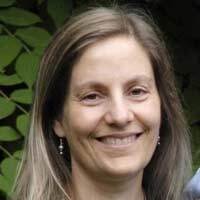
Rachel Drummond, MEd

Writer

Rachel Drummond has given her writing expertise to ForensicsColleges.com since 2019, where she provides a unique perspective on the intersection of education, mindfulness, and the forensic sciences. Her work encourages those in the field to consider the role of mental and physical well-being in their professional success.

Rachel is a writer, educator, and coach from Oregon. She has a master’s degree in education (MEd) and has over 15 years of experience teaching English, public speaking, and mindfulness to international audiences in the United States, Japan, and Spain. She writes about the mind-body benefits of contemplative movement practices like yoga on her blog, inviting people to prioritize their unique version of well-being and empowering everyone to live healthier and more balanced lives.


How is Mitochondrial DNA (mtDNA) Typing Used in Forensic Science?

Very degraded samples like skeletal remains that have been sitting out exposed to the environment for 20 or 30 years may have very little nuclear DNA remaining, but because of the high copy number of mitochondria, you may actually be able to get results with the mitochondrial DNA.”

Dr. Michael Coble, Associate Professor and the Executive Director of the Center for Human Identification at The University of North Texas Health Science Center at Fort Worth

Investigators rely on evidence to help them solve crimes. Much of this evidence is forensic, meaning investigators rely on scientists to evaluate, test, or assess it. This evidence can range from ballistics to blood tests, hair samples, and fingerprints. Sometimes, evidence isn’t readily available or has been degraded due to time or exposure to the elements. When this happens, alternative forensic research methods can be applied to extract results.

One such method is the use of mitochondrial DNA (mtDNA) typing. This type of DNA was first discovered in 1963 by Margit Nass and Sylvan Nass. However, the first sequence wasn’t published until 1981. This is a relatively recent discovery compared to nuclear DNA (what we typically think of when we hear the word DNA).

While mtDNA has many uses, it is primarily used in unsolved cases. Because of where mtDNA is stored, there is more of it in each cell which makes the likelihood of extracting it much higher than with nuclear DNA. Evidence that may not have nuclear DNA, such as a strand of hair or an older bone, can still have mtDNA which, given the right tools, can be extracted by forensic scientists to help solve crimes.

To learn more about mtDNA and its use, we talked to Dr. Michael Coble, associate professor at The University of North Texas Health Science Center at Fort Worth. Notably, he is an expert in mtDNA and has also been involved in solving cold cases using it.

Meet the Expert: Michael Coble, PhD

Dr. Michael Coble is an associate professor and the executive director of the Center for Human Identification at The University of North Texas Health Science Center at Fort Worth. His research is centered on DNA mixture interpretation and the use of software analysis for probabilistic methods of interpretation.

He holds a PhD in genetics and a master’s in forensic science in forensic molecular biology, both from George Washington University. He is a fellow of the American Academy of Forensic Sciences and a member of the International Society for Forensic Genetics and the Texas Forensic Science Commission.

Dr. Coble is a prolific author with over 70 peer-reviewed articles in publications such as the Journal of Forensic Sciences and Forensic Science International.

What is Mitochondrial DNA Typing?

Before understanding how mtDNA is used, it is essential to understand what it is: “When we talk about the human genome, we usually think about the DNA that you find in the nucleus of the cell. We call that nuclear DNA,” explains Dr. Coble.

“Humans actually have two genomes in our cells: we have the genome in the nucleus and a genome in these little structures called mitochondria. The mitochondria provide many functions for the cell. One of the more important things they do is provide energy for the cell. You can think of the mitochondria like the battery.”

Dr. Coble continues, “Mitochondria have their own separate DNA from the nucleus. The reason why mitochondrial DNA is so useful there is so much of it. When you look inside a cell, you see one nucleus with two copies of your chromosomes, one from your mother and one from your father. However, each mitochondrion may have dozens of circular DNA, and within each cell, you may have hundreds of mitochondria. So you can have tens of thousands of mitochondrial genomes in one cell.”

Because there is so much mtDNA in cells compared to nuclear DNA, there is a better chance of extracting it from older evidence.”Very degraded samples like skeletal remains that have been sitting out exposed to the environment for 20 or 30 years may have very little nuclear DNA remaining, but because of the high copy number of mitochondria, you may actually be able to get results with the mitochondrial DNA,” shares Dr. Coble. Because of this, mtDNA is often used in cold cases or on older evidence.

MtDNA differs from nuclear DNA in several ways, but the most important is in how it is inherited: “It’s what we call a lineage marker. The mitochondria are passed along the maternal line. So all the mitochondria that you have in your body all came from your mother. Because of that, you, your mother, sisters, aunts or uncles from your mother, and grandmother will have the same mitochondria,” explains Dr. Coble.

How Mitochondrial DNA Is Used

So if all of the mitochondria along a maternal line are the same, how are mtDNA results used? “MtDNA is not a unique marker because it’s being passed from mother to child. So you don’t get that powerful statistic like one in a million like you do with the nuclear DNA because you’re not adding new information with each generation,” says Dr. Coble.

Despite the mtDNA not being unique, it can still be very useful in forensic science: “It’s a great marker for elimination,” he says. “If you have a bone with a particular mitochondrial type and you have a reference sample, and they don’t match, well, they don’t match.”

However, sometimes there is no reference sample. In these cases, detectives can still use mtDNA to aid their investigations. “For example, in a case with a missing person, we may find some skeletal remains that we have not been able to extract a nuclear profile because of the degradation. So we can go to the mitochondria and extract them. Then, we look into that family and search for maternal references to that person.”

If a familial reference can be located, and there is a match, investigators must determine how common that particular type of mtDNA is. “We compare that mitochondrial DNA to those of random people in the population whose DNA has been collected to establish a database. We just simply ask, ‘How rare is this type?’ Then the probability statistics are based on the size of the database. So if you’ve got 10,000 people, and you’ve never seen this before, you know it’s not very common in the population. Sure it is one in 10,000 is not one in a quadrillion like for nuclear DNA, but it may be enough information to make an identification,” he says.

Unfortunately, mtDNA can’t always give forensic scientists the answers they are looking for: “There are some mitochondrial types that are quite common. In fact, there’s one type for European Caucasians that’s found in about 7 percent of that population,” says Dr. Coble. “In those cases, the mitochondrial DNA evidence might be weak, and we may have to rely on non-DNA evidence. We have to find other things that could be useful in identification like maybe previous bone breaks or dental records.”

Where is Mitochondrial DNA Useful?

“Not all laboratories in the US do mitochondrial testing. It is a specialized kind of testing,” shares Dr. Coble. Despite it not being very common, there are some cases where it can be extremely useful.

“One of the more common pieces of evidence that you find at a crime scene are hairs,” explains Dr. Coble. “People are constantly shedding hairs, and where there is contact between two people, such as a struggle or sexual assault, those hairs could be transferred from the perpetrator to the victim. Now, if those hairs have a root attached, then you can do the nuclear DNA testing, but if you only have a fragment of a hair, then mitochondrial DNA becomes a critical piece of the puzzle.”

“Mitochondrial DNA has its niche. But if you have one of those cases where you need mitochondrial DNA based upon the type of sample you’re trying to test, it can become an important marker for the investigation,” he says.

In addition to current investigations, mitochondrial DNA can be essential in cold cases or with degraded and weathered samples. Dr. Coble has worked on some interesting cases over the years: “I was involved in identifying the two missing Romanov children,” he shares. “The Romanovs were the last royal family of Russia, and they were executed in 1918 by the Bolsheviks, who later became the Soviets. When the family’s remains were discovered, two of the children were missing.” The original family remains were discovered in the 1990s, but the suspected bones of the two missing children were not found until 2007.

“The first thing we did was mitochondrial testing because all we had were skeletal remains. Once we saw that mitochondrial match, we were pretty sure that these were the missing children. It was very exciting because we were dealing with a piece of history.”

Kimmy Gustafson

Writer

Kimmy Gustafson’s expertise and passion for investigative storytelling extends to the world of forensics, where she brings a wealth of knowledge and captivating narratives to readers seeking insights into this intriguing world. She has interviewed experts on little-known topics, such as how climate crimes are investigated and prosecuted, and has written for ForensicsColleges.com since 2019.

Kimmy has been a freelance writer for more than a decade, writing hundreds of articles on a wide variety of topics such as startups, nonprofits, healthcare, kiteboarding, the outdoors, and higher education. She is passionate about seeing the world and has traveled to over 27 countries. She holds a bachelor’s degree in journalism from the University of Oregon. When not working, she can be found outdoors, parenting, kiteboarding, or cooking.

Follow the Money: College Admissions Fraud Crimes

“The future of white-collar crime will be more complex. Investigators will need to stay on top of new financial products, and understand how they work in order to follow the money.”

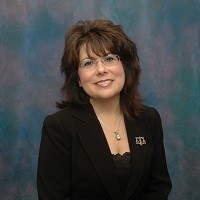
Suzanne Lynch, Professor of Practice in Economic Crime at Utica University

The term ‘white-collar crime’ dates back to 1939, when sociologist Edwin Sutherland used it to describe crimes committed by those who used their already high social status to illegitimately boost their personal power and wealth.

Since then, ideas around WCC have evolved to include perpetrators from all socioeconomic levels, with the underlying crimes growing in complexity. But plenty of white-collar crimes of the first order still exist in today’s society, as illustrated by recent cases of college admissions fraud.

The average acceptance rate for colleges in the United States is around 70 percent, according to US News & World Report (Nov. 2021), but it’s much lower for more prestigious institutions. Stanford and Harvard, for example, each only admitted 5 percent of applicants in 2020; those who did gain acceptance on average had high SAT scores (1500 out of 1600) and graduated in the top 10 percent of their high school class.

But college admissions fraud takes place when perpetrators seek to gain acceptance for themselves, or their children, through illegitimate means.

The line between crime and non-crime here may seem blurry to the layperson: parents spend more than $400 million each year on independent education consultants who coach hopeful college applicants in ways that are inaccessible to the less wealthy. That is problematic, but it’s not necessarily criminal. College admissions fraud, on the other hand, is often a combination of several very serious crimes, including bribery, fraud, money laundering, and racketeering.

White-collar crime is, on the surface level, nonviolent, which sometimes lends it a false patina of benignity. But these are not victimless crimes. In college admissions fraud, students gaining fraudulent admission to universities take places away from those who would earn it honorably, depriving them of high-quality education and the lifetime earnings that go with it. Colleges that wittingly or unwittingly enable such scams diminish their institutional reputation, and the reputation of their graduates.

In 2019, the public saw just how widespread college admissions fraud is. To learn more about a major case of college admissions fraud, and how investigators are fighting back against modern cases of white-collar crime, read on.

Meet the Expert: Suzanne Lynch, MS

Suzanne Lynch is a professor of practice in economic crime at Utica University. She holds a bachelor’s degree in criminal justice from Wayne State University and a master’s in economic crime management from Utica University. Lynch is also the director of the financial crime and compliance management programs at Utica University, and has previously served as the assistant executive director of The Economic Crime Institute.

Lynch has extensive experience in risk analysis, fraud control implementation, and investigations in the financial services industry. Formerly vice president for security and risk management at MasterCard Worldwide, she has held fraud management positions at Goldman Sachs and Comerica Bank.

Lynch has conducted numerous training sessions on fraud detection and investigations for both global law enforcement groups and financial institutions throughout the world. She is also responsible for a university partnership with the Association of Certified Anti Money Laundering Specialists (ACAMS) and CipherTrace, an investigation and software company in the field of financial investigations and bitcoin (cryptocurrency) forensics.

Case Study: Operation Varsity Blues

The largest case of college admissions fraud ever prosecuted by the US Justice Department was brought about by an investigation codenamed Operation Varsity Blues. In it, the FBI discovered that at least 33 parents of high school students conspired with other individuals to commit bribery and fraud that would facilitate their children’s admission to prestigious colleges and universities. These parents were not from middle-class families, trying to give their children a leg up; instead, many already enjoyed a great deal of wealth and fame.

This vast network of college admissions fraud dates back to 2011, but it only came to investigators’ attention in 2017, when a prep school guidance counselor noticed that a former student had been accepted to several universities as a top-ranked tennis player of African-American ancestry. The puzzling part was that, in reality, the former student wasn’t African-American, nor did they play tennis. The former student was, however, the child of a prominent member of the prep school’s board of directors and an informal client of a man named William Rick Singer.

Singer operated two firms: Key Worldwide Foundation, and the Edge College & Career Network. Investigators learned that between 2011 and 2018, Singer facilitated a scheme through both firms wherein he collected an estimated $25 million, part of which he used to enrich himself, and part of which he used for bribing college officials and inflating the college entrance exam scores of his clients’ children.

Singer—who eventually pled guilty to racketeering, money laundering, conspiracy to defraud the US government, and obstruction of justice—confessed to having facilitated college admissions fraud for more than 750 families. Some of those families included wealthy investors, like Gamal Aziz of Wynn Resorts Development, and family TV stars, like Lori Loughlin of Full House.

Operation Varsity Blues found instances of college admissions fraud in several different forms: acquiring false disability reports for applicants, resulting in more favorable conditions for entrance examinations; having experts take entrance examinations for applicants under false identification; and fabricating sports credentials for applicants to enhance their applications.

Singer had several accomplices, ranging from the parents who paid him millions to the coaches at universities who facilitated fake sports credentials to the heads of educational consulting firms who pretended to be students during college entrance exams.

In March of 2019, federal prosecutors unsealed a criminal complaint charging 50 people in the college admissions scandal with fraud. By April, 16 of the original 33 parents were also charged with conspiracy to commit money laundering. For his actions, Singer was sentenced to 15 months in federal prison; celebrities like Lori Loughlin were sentenced to as little as two months.

Notably, the original 204-page affidavit supporting those criminal charges was signed by an FBI special agent who had graduated from Utica University’s Economic Crime Investigation program (now called Fraud & Financial Crime).

“In the cases of the college admissions fraud scandal, the defendants were charged with honest services fraud, among other criminal violations, due to the bribery of various university employees and the fraudulent taking of entrance exams in order to facilitate their children’s admission into high-status universities,” Lynch says. “The victims here are the genuine applicants who were denied admission and defrauded of honest services because of the bribery.”

How Today’s Forensics Professionals White Collar Crime

Modern white-collar crime touches every socioeconomic class. Today’s white-collar criminals manipulate markets, falsify financial information, defraud public funds, steal intellectual property, and deceive consumers—all to enrich and empower themselves.

What connects these crimes, from an investigator’s point of view, is that they are often primarily financial in nature; to trace them down, investigators need to be experts at following the trail of funding as it bobs and weaves from legitimate to illegitimate sources and back.

“Understanding the sophistication of financial investigations will always be a challenge,” Lynch says. “There are new fraud scenarios that constantly surprise us. However, transaction detection technology, in financial services and in audit departments, has become more sophisticated in identifying potential anomalies in money movement, withdrawals, and deposits.”

In Operation Varsity Blues, the initial tip-off came from an informer, via the guidance counselor at the prep school who noticed irregularities regarding past students. But from there investigators had to connect the dots, first from person to person, then from financial transaction to financial transaction, and finally into a deeper dive that included data outside of just account information and transaction history.

“The tactics of investigators have changed because the different payment methods available in the marketplace to hide the proceeds of crime has increased,” Lynch says. “Today, there are more methods of money movement to hide the true intent in the theft of goods and or services.”

One new and growing area of financial crime investigation is cryptocurrency forensics. On one hand, the vast majority of blockchain transactions are transparent, offering a roadmap for the analyst who is capable of following the complex trail of digital bits; on the other hand, malicious entities have learned methods of at least temporarily obscuring their tracks.

To this end, Utica University has partnered with CipherTrace, a company specializing in financial investigations and cryptocurrency forensics, to offer students specialized training and experience with real cases of modern white-collar crime.

“The future of white-collar crime will be more complex,” Lynch says. “Investigators will need to stay on top of new financial products, and understand how they work, in order to follow the money.”

Matt-Zbrog

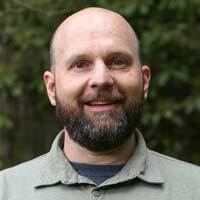
Matt Zbrog

Writer

Matt Zbrog is a writer and researcher from Southern California. Since 2018, he’s written extensively about the increasing digitization of investigations, the growing importance of forensic science, and emerging areas of investigative practice like open source intelligence (OSINT) and blockchain forensics. His writing and research are focused on learning from those who know the subject best, including leaders and subject matter specialists from the Association of Certified Fraud Examiners (ACFE) and the American Academy of Forensic Science (AAFS). As part of the Big Employers in Forensics series, Matt has conducted detailed interviews with forensic experts at the ATF, DEA, FBI, and NCIS.

Top True Crime & Forensics Podcasts (2022)

There are over 18.5 million podcast episodes available on iTunes. In 2021 over 57 percent of the US population listened to a podcast, and over 100 million people listened to a podcast every week. As podcasts continue to proliferate, true crime has seen a huge surge in popularity as a genre.

Academics have pointed to a few different reasons for this. Dr. John Mayer, a psychologist, specializing in violence in media, believes exposure to true crime topics is a way for people to build up a tolerance for something frightening. Social psychologist Dr. Amanda Vicary conducted a study that suggested it had more to do with the alluring psychological content implicit in cases of true crime. A simpler explanation might have to do with the fact that humans are narrative-driven creatures, and true crime tales are some of the most engrossing you can find.

Podcasts like Serial set a new bar for the genre. Suddenly, true crime podcasts weren’t just guilty pleasures: they were educational, Peabody-winning stories that could have an impact on precisely the topics that they were exploring. Serial was just the beginning, and countless other true crime and forensics podcasts are just waiting to be discovered. Below, we’ve picked ten of the best.

In selecting our top true crime and forensic podcasts in 2022, we strove for diversity, quality, and originality. Our list touches on all the main areas of the true crime and forensic podcast map. We have comedic shows, scientific examinations, episodic seasons, and individual vignettes. These podcasts cover the hard forensic sciences, the evolving digital forensics scene, and even the institutional systems which prosecute and sometimes perpetuate injustice.

We didn’t just pull the most listened-to podcasts off of the charts, because you’ve probably already listened to those yourself, but we’ve still included a few heavy hitters, in case you missed them. After some lengthy (and enjoyable) research, these podcasts are the ones that had us going back for more.

Hopefully, you’ll find your new favorite from the list below. We know we did.

Sword and Scale

Since 2013, Sword and Scale has been tantalizing listeners with the dark side of humanity. They primarily focus on the criminal underworld and the criminal justice system’s response to it. These stories are not for the faint of heart and cover the most bizarre forms of crime, such as cannibalism and dismemberment, along with more common ones like rape, murder, and abduction. For example, episode 33 and 34 covers the bizarre story of Luka Magnotta, who posted a video of his murder and dismemberment of international student Jun Lin.

During the first year of the podcast, over 1 million episodes were downloaded. Mike Boudet, the show’s host, rounds out each episode with court testimonies, 911 calls, and interviews. Episode after episode delivers a full 360-degree view of the entire story. However, listeners should beware as often these audio clips are truly graphic and horrifying. With eight seasons and over 287 episodes, this podcast is prime binge material.

  • Recommended Episodes: Luka Magnotta (Ep. 33 and 34)

Bear Brook

For fans of Serial, Bear Brook may be one of the few imitators that’s worthy of taking up the throne. The Bear Brook murders reference what was once a cold case wrapped inside another cold case, involving bodies found skeletonized inside barrels in a New Hampshire park. Decades later, the podcast, a product of New Hampshire Public Radio, helped push the case forward. Reporter Jason Moon, who produced the show, was himself sucked into the story back in 2015.

In a story that spans several decades, Moon pulls apart the numerous threads at work in the Bear Brook case, particularly concerning forensic science. Several investigators, police officers, and amateurs (many of whom were women), contributed to the case. Forensics experts also played a critical role, as the podcast explored and popularized genetic genealogy, a forensic method that helped break the Golden State Killer case in 2018.

Catch and Kill

Catch and Kill, from Pulitzer Prize-winner Ronan Farrow, blurs the line between investigative journalism and true crime. It’s based on his book, which is, in turn, based on his reporting on Harvey Weinstein, which helped created the #MeToo movement. This goes deeper than the Weinstein trial in New York City. This is the story of a journalist’s investigation into a seedy world that includes Ukrainian double agents, Israeli private intelligence, and numerous victims who were brave enough to do the right thing in the face of retribution from nefarious criminal elements.

The podcast, Farrow says, has presented an opportunity to revisit the interviews with those brave sources who helped break a story that led to a social revolution. Drawing on original recordings, the podcast has a visceral yet narrative feel, and it’s unfolding at a time when the events it discusses are still unspooling in the news.

Double Loop

If you actually want to educate yourself on the ins and outs of forensic science, there aren’t many podcasts that can scratch the itch as well as Double Loop. Hosted by forensic scientists Glenn Langenburg and Eric Ray, the show goes into significant detail about latent prints, bloodstain analysis, and scientific articles related to forensic science. They also do in-depth reviews, from a forensic point of view, of mainstream true crime series such as The Staircase and Making a Murderer.

It may be a little dense for casual listeners, but if you’re a true crime fiend who’s also interested in the hard forensic sciences, Double Loop should be on your list.

  • Recommended Episodes: The Staircase (Ep. 175-177)

Crimetown

Part of the successful Gimlet Media network, Crimetown explores how organized crime has shaped different cities. So far, it’s looked at Providence and Detroit, and it goes into how individuals and institutions sometimes work together to foster an environment that blurs the line between politics and crime. As one of the interviewees says in season one, when describing a prison fight he initiated: if you want to be bad, you have to be good at it.

Crimetown is produced by Marc Smerling and Zac Stuart-Pointer, the duo responsible for the film Catfish and HBO’s The Jinx. But Crimetown itself draws more comparisons to wide-lens podcasts like Serial and Netflix miniseries like Making a Murderer. It’s one of those shows where it sounds like fiction, but isn’t: it’s true crime. And, like the best true crime shows, it redefines who the perpetrators really are.

  • Recommended Season: Providence (S1)

Darknet Diaries

Where many true crime podcasts could arguably be reclassified as history, Darknet Diaries is firmly rooted in the present. Hosted by Jack Rhysider, this podcast explores true crime on the darknet. Hackers, kingpins, cryptocurrency lords, it’s all here. It’s easy to mistake Rhysider’s voice for Ira Glass of This American Life, but only part of that is due to auditory similarity. The other part concerns how well-researched the show is, and how cleanly its complex elements are explained in a tightly-knitted narrative.

There’s little, if any, blood in these tales from the dark side of the internet. But they’re firmly rooted in the pulse of the future. Listening to an episode about a darknet drug dealer is akin to taking an intro-level course on onion addresses, PGP encryption, DDoS attacks, and cryptocurrency tumblers; but it feels as engaging as any other story you’re likely to find. After listening to Darknet Diaries, many other true crime podcasts begin to seem as if they take place in an era when the world was black and white.

  • Recommended Episode: The Beirut Bank Job (Ep. 6)

Forensic Transmissions

Forensic Transmissions is absolutely terrifying, and it’s like no other true crime podcast. It’s a straightforward presentation of the facts, but the sum adds up to far more than the parts. These episodes feature no outside narration, no cogent summary, no musical interludes: they’re simply unedited, public domain audio of interviews, monologues, and soundbites about criminal cases. Think of them as collections of evidence.

The art of Forensic Transmissions lies in the quiet curation of its public domain audio. In one episode, the chilling monologues of incel shooter Elliot Rodger in Santa Barbara are set next to police interviews with incel shooter Alek Minassian in Toronto. The terror is in what’s being presented, in its purest form. For most of the show, you have the voice of a mentally disturbed murderer in your ear. As a listener, you’re left to draw conclusions, make connections, and find your own semblance of closure.

If you are interested in working in a forensic field, this might be the sort of thing you’re exposed to in the course of your job. Or, if you have a burning curiosity to listen to what investigators listened to and less interest in hearing other people’s regurgitated commentary, then this is the show for you. Just be careful. It can’t be overstated how disturbing Forensic Transmissions can be, so listen at your own discretion, and wash your ears out afterward.

While the last episode was published in July of 2021, this podcast still makes the list because of the uniqueness of the content and persistent popularity.

  • Recommended Episode: Incel Uprising (Ep. 116)

Last Podcast on the Left

How can you beat that title? Here, researcher Marcus Parks, radio personality Ben Kissel, and comedic actor Henry Zebrowski create an atmosphere that reminds one of three best friends on a starlit camping trip, holding flashlights under their chins as they collectively tell the stories of some of the creepiest, goriest, most fascinating true crime stories. Luckily, those best friends have a few cans of beer, a whole host of conspiracy theories, a killer sense of humor, and a surprising grasp of both history and the occult.

Last Podcast on the Left is one of those podcasts where you’re embarrassed if your headphone falls out, because someone might hear what you’re listening to, but it’s compounded by the fact that, if such an event does happen, you’ll probably be laughing, too, despite the horrific reference material.

Over the last six years, the narrators of LPOTL have developed a real camaraderie and a flawless knack for comedic rhythm. Despite the bend towards humor, the episodes are incredibly well researched, so you might learn something while you listen, despite your best efforts.

  • Recommended Episodes: The Oklahoma City Bombing (Ep. 274-277)

My Favorite Murder

Science suggests that while violent criminals are more likely to be male, true crime fans are more likely to be female. So if you think that the Last Podcast on the Left is a little too much of a boy’s club, check out My Favorite Murder, hosted by Karen Kilgariff and Georgia Hardstark. These two comedians, LPOTL fans and true crime aficionados met at a Halloween party and bonded over a story of a lethal car accident, so if that sounds like a context that would draw you in, you’ve found the right true crime podcast. Karen and Georgia will make you feel a whole lot less alone in your true crime obsession.

It might be a little less factually correct or doggedly researched than other true crime podcasts (some episodes include a segment specifically devoted to correcting their errors in other episodes), but the informal and comedic style makes it easier to stomach and fully binge-able.

Karen and Georgia often say that the podcast is a form of therapy for themselves, a way to deal with their own anxieties. They’re not the only ones: with over half a million downloads per episode by loyal fans (who call themselves ‘Murderinos’), the podcast has been hailed as a type of mental health support group by The Atlantic. As the podcast’s sign-off goes: stay sexy and don’t get murdered!

  • Recommended Episode: My Firstest Murder (Ep. 1)

The Missing Cryptoqueen

Dr. Ruja Ignatova, the subject of The Missing Cryptoqueen and investigation, was the face of a new kind of cryptocurrency before the mainstream public even knew what cryptocurrency was. What she might have lacked in scruples she made up for with charisma and good timing: by 2017, the cryptocurrency market had taken off, and Dr. Ruja’s OneCoin project had soared along with it. The only problem was that OneCoin didn’t actually have a cryptocurrency, which investors didn’t realize until after Dr. Ruja disappeared. Was she murdered, hiding, dead?

In this podcast, the BBC’s Jamie Bartlett takes us into the case from the very beginning, breaking much of the story as he reports on it. The show goes beyond the fundamentals of cryptocurrency and susses out the details of what differentiates an opportunity from a crime in this field. All the elements of a compelling story are here: white-collar crime, cult-like leadership, cutting-edge tech, and global scale. It’s easy to get caught in the narrative, and, while listening to speeches from Dr. Ruja, you may wonder if you would’ve been able to avoid the trap, too.

Serial Killers

Parcast is a controversial podcast network. Their shows seem almost puritanically dedicated to a stripped-down style. Even the names of their shows—Conspiracy Theories, Cults, or in this case, Serial Killers—get directly to the point. The content is no different: hosts Greg Polcyn and Vanessa Richardson speak in the predictable, occasionally cheesy cadence of late night news reporters. You might sometimes find yourself chuckling and wondering if it’s all on purpose. We may never know. It makes the show even more engrossing.

Where the podcast is concerned with detail, though, is where it counts. Polcyn gets into forensic specifics of the crimes, and Richardson gets into psychological analyses of the criminals. Their coverage of Ted Bundy (who had one of the first murder trials to ever be televised) is comprehensive enough to give you a sense of where this true crime craze started, and how, for better or worse, the media exacerbated it.

  • Recommended Episode: The Campus Killer (Ted Bundy)
Matt-Zbrog

Matt Zbrog

Writer

Matt Zbrog is a writer and researcher from Southern California. Since 2018, he’s written extensively about the increasing digitization of investigations, the growing importance of forensic science, and emerging areas of investigative practice like open source intelligence (OSINT) and blockchain forensics. His writing and research are focused on learning from those who know the subject best, including leaders and subject matter specialists from the Association of Certified Fraud Examiners (ACFE) and the American Academy of Forensic Science (AAFS). As part of the Big Employers in Forensics series, Matt has conducted detailed interviews with forensic experts at the ATF, DEA, FBI, and NCIS.

What Can I Do With a Bachelor’s Degree in Criminal Justice?

Now more than ever, the primetime crime dramas on television mirror the real stories unfolding on the news. Most people shake their heads in disbelief and wonder: when will things get better? When will a critical sense of order be restored? Those working in criminal justice know first-hand that social change happens by engaging with a problem and not avoiding it. With a bachelor’s degree in criminal justice, a world of career opportunities opens up to those who want to be a part of the solution.

An array of criminal justice careers at the state, local, and federal levels of law enforcement are available to those seeking a job to affect social change. With a wide range of opportunities, having a bachelor’s degree in criminal justice offers numerous careers for people with different skill sets to enact change in their communities.

Should criminals be deterred through preventative or punitive actions? Is prosecution through legal proceedings or preemptive action through social support systems the best way to decrease crime rates? These questions are at the heart of criminal justice curriculums that prepare graduates to solve the most significant problems plaguing public safety.

Read on to learn more about careers available with a four-year degree in criminal justice.

Why Choose a Bachelor’s Degree in Criminal Justice?

A comprehensive, reliable, and highly versatile degree such as a bachelor’s degree in criminal justice offers distinct advantages. Here are three primary reasons to consider the degree.

1. Career Access

More entry-level positions require college degrees. While a high school diploma is a minimum requirement for entry-level police officer positions, those with four-year degrees have better access to jobs over time. A study (an old but informative study) published by Georgetown University’s Center on Education and the Workforce confirms this: “Of the 11.6 million jobs created so far during the [economic] recovery, nearly 75 percent have gone to people with a bachelor’s degree or higher.”

A bachelor’s degree is statistically more recession-proof. According to the Georgetown University study referenced above, during the 2008 economic recession, bachelor’s degree holders suffered far fewer job losses overall, while the unemployment for high school graduates dropped sharply and showed little improvement in the recovery.

The study indicates that bachelor’s degree holders lost 66,000 jobs during the recession and gained 4.7 million jobs in the recovery. In comparison, people with some college or associate degrees lost 1.8 million jobs, and people with a high school education or less lost 5.6 million jobs.

2. Opportunity for Advancement

More education means more opportunities for advancement. While on-the-job experience is a valuable career asset, police officers hoping to transition and advance to more decorated leadership positions are often required to possess a bachelor’s degree for consideration. The US Bureau of Labor Statistics (BLS) shows that police officers with four-year degrees can access more advanced roles with specialized skills such as scientific knowledge and foreign language abilities.

Those with bachelor’s degrees in criminal justice can earn coveted roles with more autonomy. An article published by Norwich University outlines the path from officer to detective: “After spending a few years as a patrol officer, the next stage might be to become a detective.” The article notes that the competitiveness of the detective position means an exceptional record of service paired with a bachelor’s degree in criminal justice is necessary for career advancement.

3. Higher Pay

More education means higher pay. According to PayScale.com (June 2022), the average median salary for a police lieutenant, a position that often requires a bachelor’s degree, is $81,280. Compared to the average yearly (median) wages of police and sheriff patrol officers (a position that requires only a high school diploma) who earn $64,610 per year, having a bachelor’s degree equates to a pay difference of 20.5 percent (BLS May 2021).

In 2019, research from the Federal Reserve Bank of New York reported that college graduates earn average salaries of $78,000 per year compared to $45,000 made by high school graduates. These numbers show that college graduates earn nearly 55 percent more per year on average than their degreeless counterparts.

Another study by Georgetown University’s Center on Education and the Workforce called the “The College Payoff” found that “bachelor’s degree holders earn 31 percent more than those with an associate’s degree and 84 percent more than those with just a high school diploma.”

What Types of Degrees and Specializations Exist for Criminal Justice?

Four-year degree-seeking students choose from either a bachelor of arts (BA) or a bachelor of science (BS) degree in criminal justice. Depending on the school program, specializations are available in homeland security, criminology, law enforcement, corrections, or cybercrime. Earning a degree specialization involves completing a unique course sequence of classes to deepen one’s knowledge and prepare for a career or graduate degree in a related field.

An example of a school that offers both bachelor’s of arts (BA) and bachelor’s of science (BS) degrees with specializations is Seattle University. Students can earn a BA in criminal justice and choose from one of four specializations: administration of justice, criminology & criminal justice theory, forensic psychology, and forensic science. In the BS track, students can choose from a specialization in forensic psychology or forensic science.

What Jobs Require a Bachelor’s Degree in Criminal Justice?

As stated above, a four-year degree is essential to stay competitive in today’s workplace, and the field of criminal justice is no exception. While some can earn these opportunities without a degree, the opportunity cost of having a bachelor’s degree is not to be underestimated. Simply put, bachelor’s degree holders have access to better-paying career opportunities and more job security in the long term. Here is a shortlist of jobs that require a bachelor’s degree in criminal justice:

  • Air Marshall
  • Corrections Officer
  • Crime Scene Investigator
  • DEA Agent
  • Detective
  • FBI Agent
  • ICE Agent
  • Probation Officer
  • Secret Service Agent

An example of a criminal justice career that offers increased opportunities with higher levels of education is a police officer. A high school diploma or post-secondary training is required for entry-level positions, but a police officer with a bachelor’s degree can qualify for senior-level jobs.

Featured Criminal Justice Careers

A bachelor’s degree in criminal justice offers a multitude of career opportunities. Here’s a list of careers with positive projected growth in criminal justice.

Become a Police Officer

The work of police officers is highly varied, though they are primarily responsible for patrolling designated areas of a city, enforcing laws, and protecting the safety of citizens and property. Additionally, they are responsible for enforcing traffic laws, issuing parking citations, investigating crimes, and administering first aid at crime scenes.

Police officers are often required to testify in court for legal proceedings and are first responders in dangerous situations. These positions are highly versatile, and employment opportunities are growing nationwide. The BLS (2021) projects a rate of 7 percent growth from 2020 through 2030, which is about as fast as the national average (8 percent) and shows the median salary for police and sheriff’s patrol officers is $64,610 (BLS May 2021).

PayScale (June 2022) offers similar salary comparisons for detectives and criminal investigators at $62,206 per year, while police lieutenants earn $81,280 in April 2022.

Become a Crime Scene Investigator

Due to the rise in popularity of television shows such as CSI, competition for crime scene investigator jobs is at an all-time high. Working as a CSI, a type of forensic science technician, requires detail-oriented and hands-on experience at crime scenes.

CSIs are responsible for locating, collecting, and preserving evidence such as blood, hair, fingerprints, and DNA. They are highly trained in analyzing this evidence and actively investigating, working, and building criminal cases.

According to PayScale (June 2022), the average annual salary for a CSI in the United States is $49,558. However, the BLS shows a more promising estimate for forensic science technicians who earn median wages of $61,930 per year (BLS May 2021). The need for qualified CSI and forensic science technicians is increasing, and positions are expected to grow 16 percent from 2020 to 2030 (BLS 2021), a rate of growth that is double the national average for all occupations (8 percent).

Become an ICE Agent

U.S. Immigration and Customs Enforcement (ICE) agents form the Department of Homeland Security’s investigative branch. Primarily, they are responsible for enforcing our nation’s immigration and customs laws. ICE agents operate nationally and internationally.

Its mission is: “to strengthen border security and prevent the illegal movement of people, goods, and funds into, within, and out of the United States.” ICE agents enforce federal immigration law statutes at national land borders, airports, and other administrative offices. According to Zip Recruiter (June 2022), the average annual salary for ICE agents is $41,588 per year as federal employees.

Become a Secret Service or Special Agent

While the protective roles of the secret service and special agents are well-documented, they are also responsible for investigating various complex crimes.

The Houston Chronicle shows that secret service and special agents are paid according to the General Scale (GS) and are hired at the GL-07 or GL-09 level. Special agents hired at the GL-07 grade in 2019 start earning anywhere from $45,319 to $58,477. Special agents can work their way up to the GS-13 level throughout their careers, which in 2019 paid anywhere from $75,628 to $98,317.

According to PayScale, in June 2022, special agents earn an estimated $87,449 per year, and these positions almost exclusively require a bachelor’s degree for consideration.

Become a Federal Air Marshal

In response to the September 11th terrorist attacks, the federal government rapidly expanded the Federal Air Marshal Service and Law Enforcement program. Today, federal air marshals operate as employees of the Transportation Security Administration (TSA). The mission of TSA is to “protect the nation’s transportation systems to ensure freedom of movement for people and commerce.”

Federal air marshals are the eyes and ears in the sky, performing investigative work on the ground and working undercover on passenger and cargo flights. They provide a unique form of aviation security for civilians and flight crews on commercial flights. In 2022, Glassdoor estimated the annual salary for federal air marshals to be $85,944, and compensation depends on experience and location. TSA offers an engaging inside look at the position on their YouTube channel.

Become a Probation Officer

After an inmate has served time in prison or is released early on parole, a probation officer helps incarcerated people reintegrate into civilian society. The BLS shows most probation officers can work in state government offices (54 percent) or local government (44 percent) or, in very rare cases, social assistance programs (1 percent).

Probation officers, also known as community supervision officers or correctional treatment specialists, provide state-supported advice and rehabilitation plans to prevent people from becoming re-offenders. Through regular check-ins with the adults and juveniles that come through the legal system, parole officers work to help people find work, learn new skills, and rehabilitate from substance abuse issues.

Probation and parole officers stay in regular contact with probationers and parolees and their families to support them in living healthy and productive lives. Probation officers with bachelor’s degrees earn median salaries of $60,250 per year (BLS May 2021).

Become a Private Investigator

Those who picture themselves working in an office behind a frosted glass door or taking surveillance photos with a long zoom lens from a car should consider becoming a private investigator. While a high school diploma is required for entry-level positions, private investigators with a bachelor’s degree can demand higher salaries set forth by government salary schedules or charge premium wages as a reputable personal service.

The BLS (2021) shows the majority of private detectives work in the investigation, guard, and armored car services (36 percent) or as fraud examiners in finance and insurance (9 percent), government (9 percent), or as self-employed workers (5 percent).

Private investigators search for information to resolve legal, financial, criminal, and personal matters. By interviewing people and combing through paper and computer-based records, they gather information for prosecution in criminal investigations. The median salary for private investigators is $59,380 (BLS May 2021).

Featured Undergrad Criminal Justice Programs
Youngstown State University Online BSAS - Criminal JusticeVisit Site
ECPI University Crime & Intelligence Analysis (Bachelor's)Visit Site
ECPI University Criminal Justice (Bachelor's)Visit Site
Southern New Hampshire University BS in Criminal Justice (BSCJ)Visit Site
Southern New Hampshire University BSCJ - Criminology and Crime AnalysisVisit Site
American Public University Criminal Justice (BS)Visit Site

Rachel Drummond, MEd

Writer

Rachel Drummond has given her writing expertise to ForensicsColleges.com since 2019, where she provides a unique perspective on the intersection of education, mindfulness, and the forensic sciences. Her work encourages those in the field to consider the role of mental and physical well-being in their professional success.

Rachel is a writer, educator, and coach from Oregon. She has a master’s degree in education (MEd) and has over 15 years of experience teaching English, public speaking, and mindfulness to international audiences in the United States, Japan, and Spain. She writes about the mind-body benefits of contemplative movement practices like yoga on her blog, inviting people to prioritize their unique version of well-being and empowering everyone to live healthier and more balanced lives.

Machine Learning and AI in Cybersecurity: Expert Interview

Machine learning and AI are powerful tools, but they are just tools. It’s still significantly vulnerable to bias, and it’s easy for an adversary to fool an AI. That’s why the human expert has an important role to play in enhancing the quality of the decision-making.”

Radha Poovendran, PhD, Professor at the University of Washington, Department of Electrical & Computer Engineering

Practically every form of cyber-attack increased in 2021. Ransomware, in particular, saw a steep uptick, but the costs could one day be measured in more than just financial terms: as networked systems run more of our world’s critical infrastructure, their failure can have life and death consequences. At the same time, the growing adoption of networked systems means cybersecurity professionals have that much more to guard.

“Data can come from any sensor in a distributed system,” says Radha Poovendran, PhD, a professor at the University of Washington and founding director of the Network Security Lab. “The human expert is not going to be able to sit down and sort through it all. You need something at cyber-speed, and that’s a machine learning (ML) or artificial intelligence (AI) system enabled by hardware and computational algorithmic advances.”

ML and AI are not just the future: they’re here, in use, in huge numbers, all around us, behind the scenes. Your browser will have quietly and quickly scanned this website for malicious items before connecting to it. Your antivirus software is passively scanning for incoming threats. And your email is being systematically sorted into categories that range from the important and personal, to the harmless but unhelpful, to the purposefully malicious or dangerous.

It’s not a human that’s doing all that, of course: it’s network protocols that are integrated with databases using ML and AI. To many, it seems like magic.

“With the hardware, software, and algorithmic improvement, we’re able to do so much more with ML than we could in the ‘90s,” Dr. Poovendran says. “But there’s still so much we don’t know. The applications of ML and AI in cybersecurity contain many rich problems for professionals and students to address.”

Cybersecurity professionals are well aware that ML and AI are not actually magic, nor are they perfect. In the wrong hands, they can even be dangerous, as ML and AI can be deceived into making incorrect decisions and harmful predictions. When your grandmother ends up in your Gmail spam folder, or your Google search results appear in a foreign language when traveling abroad, the consequences of ML/AI failure may not seem particularly steep. But in the world of network security, they can be the difference between a catastrophic attack and a regular Tuesday.

To learn more about the basics of machine learning (ML) and artificial intelligence (AI) in cybersecurity and to get a sense of where the field is going next, read on.

Meet the Expert: Radha Poovendran, PhD

Dr. Radha Poovendran is a professor in the Department of Electrical & Computer Engineering at the University of Washington. He is the founding director of the Network Security Lab and is a founding member and associate director of research for the UW’s Center for Excellence in Information Assurance Research and Education. He has also been a member of the advisory boards for Information Security Education and Networking Education Outreach at UW.

In collaboration with NSF, he served as the chair and principal investigator for a Visioning Workshop on Smart and Connected Communities Research and Education in 2016.

Dr. Poovendran’s research focuses on wireless and sensor network security, adversarial modeling, privacy and anonymity in public wireless networks, and cyber-physical systems security. He co-authored a book titled Submodularity in Dynamics and Control of Networked Systems and co-edited a book titled Secure Localization and Time Synchronization in Wireless Ad Hoc and Sensor Networks.

Dr. Poovendran is a Fellow of IEEE and has received various, awards including the Distinguished Alumni Award, ECE Department, University of Maryland, College Park (2016); NSA LUCITE Rising Star (1999); NSF CAREER (2001); ARO YIP (2002); ONR YIP (2004); PECASE (2005); and Kavli Fellow of the National Academy of Sciences (2007).

Main Categories of ML/AI Intrusion Detection Systems

A modern intrusion detection system (IDS), which is tasked with detecting and preventing cyber-attacks, can either be network-based (examining data packets traveling through the network) or host-based (examining information at the software environment level). Beyond that, there are generally two classifications for an IDS: misused-based systems and anomaly-based systems.

Misuse-based systems detect attacks based on the signature of those attacks (i.e., IP address or other identifying metadata associated with malicious vectors), and these techniques are sometimes referred to as signature-based analytics. This method is effective and doesn’t create an overwhelming number of false positives, but it requires frequent manual updates of databases with rules and signatures. This method also is ineffective against zero-day exploits; misuse-based techniques are for preventing known attacks.

“If I develop an ML algorithm only based on a database of threats, I’ll have 100 percent failure for every new threat,” Dr. Poovendran says. “You will defend against what you know, but you will have no clue what you don’t know.”

The second type of IDS is the anomaly-based system. This takes a model for normal network and system behavior, and then identifies and isolates any behaviors that deviate from that model. Each application, system, and network can be customized with its own profile of normal behavior, increasing security further. This method is effective against some zero-day exploits, and data derived from attacks against anomaly-based systems can be used to define signatures for misuse-based methodologies. However, this method can result in false positives, where legitimate but new system behaviors are flagged as potentially hazardous.

“It would be a big mistake if every time something new happens, we classify it as a threat,” Dr. Poovendran says. “We want to cluster it separately, flag it for further inspection, then let the algorithm learn from the outcome.”

In contemporary network design, very few organizations utilize either solely misuse-based or solely anomaly-based techniques, instead opting for a hybrid-based approach. Hybrid models attempt to leverage the best of both misuse-based and anomaly-based methodologies, accumulating knowledge, reducing false positives, and increasing signature intelligence.

The Role of the Human Expert in ML/AI Cybersecurity

“Our adversaries are highly intelligent, and they work very hard as well,” Dr. Poovendran says. “Given that these detection methods are there, what are the gaps that will allow them to bypass the threats? This is where the scientific thinking of the student, or of the forensics professional, or the cybersecurity professional, comes in. They have to be able to reason beyond what is in front of them.”

Machine learning algorithms in cybersecurity can generally be put into three categories: unsupervised, semi-supervised, and supervised:

  • In unsupervised machine learning, the algorithm itself is tasked with finding patterns within a new data set.
  • In semi-supervised machine learning, a human assists the algorithm by labeling some portion of the incoming data set.
  • And in supervised machine learning, a human labels all incoming data while tasking the algorithm with identifying underlying patterns.

“ML and AI are powerful tools, but they are just tools,” Dr. Poovendran says. “It’s still significantly vulnerable to bias, and it’s easy for an adversary to fool an AI. That’s why the human expert has an important role to play in enhancing the quality of the decision-making.”

Effective ML and AI systems in cybersecurity will work to offset human weakness; similarly, human operators will work to offset the weaknesses of ML and AI algorithms. Dr. Poovendran offers examples to illustrate: a set of human eyes might not be able to easily or quickly ascertain all the differences between, say, a set of identical twins, while an iris scan would be able to find innumerable subtle differences instantaneously; at the same time, object recognition, such as in a CAPTCHA, is rudimentary for a human but still confounding to ML algorithms.

“I will say to the future forensics professionals: don’t be afraid of AI and ML in cybersecurity,” Dr. Poovendran says. “Use them as a tool, but be aware that you cannot trust them blindly. You have to develop methods to interpret and explain what you see.”

The Challenges and Opportunities for ML and AI in Cybersecurity

ML and AI make cybersecurity professionals more effective than ever before, with the algorithms acting as another member of the team. These algorithms can either partially or fully automate several cybersecurity processes, including vulnerability detection and attack disruption. As a result, cybersecurity professionals can more accurately detect and respond to potential attacks.

However, those ML systems may incidentally create new attack vectors of their own. In this respect, one of the most transformative effects of ML and AI in cybersecurity is altering the threat landscape, both on offense and defense.

“It’s important to understand the types of threats that are emerging in very advanced AI systems,” Dr. Poovendran says. “Google may have a very nice AI model available, but anyone can take that model and retrain it so that it will work normally in almost all cases, except for a few triggers, which make it an AI trojan.”

Some experts believe ML and AI will continue to provide incremental advantages for cybersecurity professionals, but without making a transformational leap into a new paradigm.

That is still good: in its current state, ML and AI could provide more cybersecurity professionals and organizations with the bare minimum of what ML and AI have to offer today, and the industry would still see noticeable benefits. But ML and AI are based on iteration and learning, and those who will work with them in cybersecurity will need to be constantly learning, too.

“I tell my students, don’t think of an adversary as an enemy, think of an adversary as a person who challenges you to think,” Dr. Poovendran says. “They are throwing puzzles at you. Can you see the puzzle, understand the puzzle, and solve the puzzle? It’s not easy, but if students commit themselves to learning about networking, about algorithms, about quantifying risk, they can collectively make significant contributions to this field.”

Further Resources on Machine Learning and AI in Cybersecurity

Machine learning, AI, and cybersecurity are each their own rapidly evolving fields, sitting at the forefront of what is possible. To learn more about where the three intersect, and where they’re collectively going, check out some of the resources below.

Matt-Zbrog

Matt Zbrog

Writer

Matt Zbrog is a writer and researcher from Southern California. Since 2018, he’s written extensively about the increasing digitization of investigations, the growing importance of forensic science, and emerging areas of investigative practice like open source intelligence (OSINT) and blockchain forensics. His writing and research are focused on learning from those who know the subject best, including leaders and subject matter specialists from the Association of Certified Fraud Examiners (ACFE) and the American Academy of Forensic Science (AAFS). As part of the Big Employers in Forensics series, Matt has conducted detailed interviews with forensic experts at the ATF, DEA, FBI, and NCIS.

Great Apps for Forensic Science & Investigation (2022)

Forensics has quietly become one of the biggest beneficiaries of the tech boom. Starting with the advent of fingerprint and DNA databases, the tech has exploded into blood spatter analysis, ballistics, toxicology, nursing, accounting, and the digital and media arenas. Merging with complementary advances in science, it’s now become easier to crack cold cases and solve a crime from the slightest and least visible crumbs of evidence. And that increased proficiency not only means more crimes solved, it means a largely increased deterrence factor, and providing digital evidence to solve crimes.

But there’s still plenty of red tape, antiquated systems, and waste that gets in the way. Between paper recordkeeping, disaggregated logs of evidence, and bulky, outdated lab equipment, there’s plenty of room for improvement in forensic science and investigation.

And that’s where these applications come in. Originating in the private sector, they’re able to bring a market-driven, user-friendly, time-efficient approach to the field of forensic science and investigation. Some are already being adopted by federal and local law enforcement agencies, while others are putting out a blueprint for what’s likely to be massively adopted in the future.

In selecting from the various apps for forensic science and investigation, we had three tenets for our methodology, which said that the apps had to be:

  • Diverse. Forensic science is an enormous field that branches into nursing, accounting, toxicology, digital, and more. And education is just as important as practice. So we selected applications from a wide range of disciplines and approaches to make sure as many as possible were included.
  • Low-cost. Enterprise-level solutions may cost a small fortune, but that’s not necessarily a symbol of quality. Most of these apps are free or low-cost and able to be tested out by both the curious and the professional alike.
  • Practical. Most of the forensics apps you’ll find when briefly searching the web will be nothing but cheap toys and rip-offs. That’s why we’ve done the deep digging for you and come back with a balanced set of apps that have a practical impact for aspiring, professional, and veteran forensic scientists.

There’s a lot of noise out there, but there’s treasure, too. Here are some of the best apps for streamlining and improving forensic science and investigation, both in education and practice.

Mobile Detect, by DetectaChem, brings narcotic testing out of the lab and onto the smartphone. When combined with purchasable pouches ($40 for 10 pouches), the app can test for methamphetamines, opiates, and other narcotics. After a sample is swabbed into a pouch, a user scans the pouch’s QR code through the app, which delivers results in seconds. The presumptive colorimetric field test pouches register even non-visible amounts of residue.

By replacing the old industry standard of color charts with a system that adjusts for situational lighting, the app reduces the possibility of human error and inherent bias. Additional features include generating advanced reports, accessing DEA fact sheets and library resources, and logging tests with chain-of-evidence information, such as pictures, GPS coordinates, and notes.

The app works with both iPhone and Android, and is free to download. Other test pouches can be purchased to detect illicit substances such as fentanyl, meth/MDMA, cocaine, and homemade explosives.

CrimePad, by Visionations, is bringing crime scene investigation out of the paper-based era and into the 21st century. As forensics has grown in capability and scope, the sheer amount of evidence that needs to be logged, categorized, and shared, has grown enormously. And that evidence, up until recently, has been recorded on a variety of uncollated and antiquated platforms, often during the critical first 48 hours of an investigation, taking up precious time.

CrimePad changes all that by collecting the information more quickly and efficiently in a centralized location that can be shared amongst all branches of an investigations team. Developed by industry professionals with decades of experience working with federal and local law enforcement, the app is currently used by over 250 different agencies across the United States.

CrimePad is available for iPad, iPhone, and Android devices that have access to a browser. The test version, as well as one complete version, may be unlocked for free, with quotes available for licensing it to an entire law enforcement agency.

The MOBILedit Phone Copier, by Compelson, is a smartphone application from a team of forensic experts that have developed products for the FBI, CIA, and US military. This particular application can copy contacts and messages from almost any make and model of phone and transfer them to a new one. The transfer can take place quickly, on the go, via cable, Bluetooth, or WiFi.

While it’s gained some traction as a consumer application, digital forensics professionals can and do use the app to clone a suspect phone and analyze the information on a different device or desktop. The new message archiving feature allows for data from multiple different phones to be transferred to a single device, where it will be automatically organized and ready for analysis and cross-comparison.

The app is available for both Android and iPhone, for free, with in-app purchases for cloud storage and added features available.

The Forensics Acquisition of Screenshots (FAS) app, by Envolve Forensics, is bridging the gap between digital forensics and judicial compliance. The application allows for screenshots on a phone to be put through the acquisitions process in a seamless manner, logging them through a secure server, where they are stored for up to three years.

By offering courtroom-ready screenshots at the tap of a button, it’s the first app of its kind to guarantee authenticity, inalterability, and compliance of digitally captured images. Designed in conjunction with best practices offered through international regulations, scientific journals, and the forensic community, it puts all the legal hoops and IT hurdles behind the screen and reduces the investigator’s process to a few clicks.

The app is available for free on Android devices, and comes with five free acquisitions. Further acquisitions can be purchased from Envolve Forensics in bundles of five, 20, and 100.

bMOREsafe, by Mercy Medical Center and Mongoose Projects, is a forensic nursing app that does what nursing does best: empower, educate, and ease the patient. While nurses themselves don’t use it, it’s a helpful self-reporting tool at their disposal when dealing with vulnerable patient populations.

Designed to be used by possible victims of domestic or sexual assault in the Baltimore area, the question-driven app provides a personal and compassionate way of determining the next possible courses of action. The privacy of answering those questions first on a phone, instead of with a stranger, can improve outcomes, reduce repeat incidents, and encourage a more candid dialogue with a forensic nurse looking to piece together what’s occurred. And the app informs the user about what local resources are available, letting them know what to expect and who to reach out to for help.

The app is free and is compatible with Android and Apple devices.

Python Forensics Tutorials, by Security ADDA, provides aspiring digital forensics experts with tools they’re likely to use throughout their careers. Python, the most popular computer programming language globally, has built-in capabilities to support digital investigation and maintain the integrity of digital evidence. This tutorial goes over the basics of forensics and naming conventions, as well as network forensics and validating information sent or received by third parties.

The mobile forensics chapter covers both the manual examination of mobile devices and the implications of rooted smartphones and JTAG adapters. From Linux to cracking encryption, hash functions to time protocols, each of the 20 sections in this tutorial explores a different area of the forensic capabilities within Python. The app is available for free for Android users in the Play Store, as well as online in text format. But do note that due to the highly technical nature of the material, some previous exposure to Python is a prerequisite to benefiting from this tutorial.

The Computer Forensic Examiner Quick Reference Guide, by Lock and Code, transforms a digital forensics staple into an on-the-go application. And in the alphanumeric hexadecimal soup of codes and charts that comprise digital forensics, having it all at one’s fingertips can save an investigator time and energy.

The guide’s brisk 50 pages cover the intricate file systems of Microsoft’s NTFS, as well as Windows artifacts such as the Windows Registry, Internet Explorer, the Recycle Bin, Event Logs, and Prefetch. In addition to a page on file signatures, it contains an ASCII table with conversions to decimal, hexadecimal, octal, and binary. But don’t think of this as a textbook or tutorial, think of it as a cheat sheet of notes for the exam that is your day-to-day work as a digital forensics specialist. This is a highly technical guide for those deep in the digital murk of cyber forensics.

The app is available for download on Apple devices only, with multi-platform text versions available through Lock and Code’s website.

Forensic Accounting Exam Prep, by Upward Mobility, is a study application designed for aspiring forensic accountants. The application’s test questions prepare a user for certification exams in either forensic accounting or fraud examination. Preparatory materials are primarily focused on certification through AICPA, ABFA, and ACFE. With over 400 test questions, practically every area of forensic accounting is covered, from fraud prevention and deterrence to professional responsibilities to both fundamental and specialized forensic knowledge. You can take timed quizzes, get immediate feedback on your answers, or review what you’ve missed.

While this app is not directly endorsed by the certification bodies who make the official tests, the savings of cost between this app and an official preparatory course is significant. The app is available on both iPhone and Android, with the first 50 questions free, and an additional 400 questions able to be purchased for $6.99.

Andriller, by Informer Technologies, is the one PC-only application on this list, is by far the heaviest lifter of them all. It performs read-only, forensically sound, non-destructive acquisition of the data on any Android device. And it’s not only able to capture the entirety of a phone’s data, it’s also able to crack lock-screen passwords and swipe patterns, and decode app data and communications.

If you ever wondered how digital forensics experts sidestep all the cat pictures, GIFs, and background noise on a suspect’s phone, it’s through an application like this, which not only extracts and decodes data but parses it into folders and delivers a companion Excel report.

Of course, these sorts of operations aren’t possible without a desktop or laptop operating system—for now. As such, Andriller is currently only available for Windows and Linux, and its free trial licenses last 14 days, while a one-year license costs $99.99, with 50 percent discounts available for employees of government or law enforcement agencies.

Matt-Zbrog

Matt Zbrog

Writer

Matt Zbrog is a writer and researcher from Southern California. Since 2018, he’s written extensively about the increasing digitization of investigations, the growing importance of forensic science, and emerging areas of investigative practice like open source intelligence (OSINT) and blockchain forensics. His writing and research are focused on learning from those who know the subject best, including leaders and subject matter specialists from the Association of Certified Fraud Examiners (ACFE) and the American Academy of Forensic Science (AAFS). As part of the Big Employers in Forensics series, Matt has conducted detailed interviews with forensic experts at the ATF, DEA, FBI, and NCIS.

Five Criminal Justice Schools With Low Student Debt and Solid Career Support

For aspiring criminal justice students, two of the greatest concerns are how much a program costs and whether or not the school provides adequate job placement services. The Federal Reserve (2022) revealed that student debt in the US reached $1.77 trillion and had overtaken credit cards as the leading source of consumer debt a few years ago. There are 44.2 million people with federal or private loan debt related to schooling, and many Americans are justifiably concerned about how they can repay loans.

In response to ballooning student worries, the US Department of Education mandated the use of a Gainful Employment Disclosure Template (GEDT) for all Title IV postsecondary institutions—including many criminal justice schools—effective January 2017. In general, this includes non degree-granting programs (e.g., certificates and diplomas) at not-for-profit schools and all for-profit institutions. The GEDT sheet contains information about average student debt and the percentage of graduates who secured employment after completing their program. While the implementation of this new safeguard has been slow, it should offer prospective students at these select institutions valuable information about graduate outcomes in terms of finances and job placement.

Taking a cue from the GEDT, this article examines five criminal justice schools with low student debt and exceptional career support. “Low student debt” is defined here as less than half the average debt of a US graduate. The most reliable (and recent) figures on student debt were published by The Institute for College Access and Success (TICAS 2015). TICAS found that 68 percent of seniors at public and nonprofit colleges had student debt and averaged $30,100 per borrower. Therefore all of the following criminal justice schools had an average student debt of less than $15,050. Please note that the following TICAS debt figures cover the university as a whole, not just the institution’s criminal justice program.

Five Exceptional Criminal Justice Schools

Eastern New Mexico University (Portales, NM)

  • Average student debt of graduates: $4,895
  • Percentage of graduates with debt: 2 percent

Eastern New Mexico University (ENMU) not only boasts one of the lowest average student debt figures in the nation, it also has a wealth of criminal justice programs. In fact, it has both bachelor of science (BS) and bachelor of arts (BA) CJ programs, as well as a unique dual bachelor of applied arts and sciences (BAAS) in CJ and sociology. Notably, all of these programs can be taken on-campus, 100 percent online, or in a combination of both (hybrid). The online BAAS program, for example, comprises courses such as criminal law & the courts; comparative criminal justice; criminology; introduction to sociology; race, ethnicity & gender; and deviant behavior, among other subjects. Graduates can take advantage of ENMU’s Counseling and Career Services, which offers free job placement to all students in areas such as victim advocacy, law enforcement, or corrections. For NM residents, programs cost $2,755.08 per semester, and for non-residents, it’s $5,642.52. Please note that residents of states in the Western Undergraduate Exchange (e.g., California, Nevada, Alaska, North Dakota, etc.) enjoy a tuition discount, paying $3,611.88 per semester.

John Jay College of Criminal Justice (New York, NY)

  • Average student debt of graduates: $11,246
  • Percentage of graduates with debt: 20 percent

Not surprisingly, the JJC of CJ has tons of criminal justice programs at all degree levels, including some online programs. Its offerings include BA programs in criminal justice (crime control & prevention), criminology, and forensic psychology. It also has BS programs in criminal justice management, forensic science, fraud examination & financial forensics, and criminal justice (institutional theory & practice). In the BS in criminal justice program, for instance, students take courses such as research methods & statistics for criminal justice, constitutional law, introduction to police studies policy & diversity, and women & crime, among other classes. The BS also has three distinct distribution areas: police, law & the courts, or corrections. Additionally, JJC students have the opportunity to study abroad and enjoy the services of a comprehensive Center for Career & Professional Development, which provides workshops, career panels, job fairs, networking events, internship opportunities, and counseling. For the 2016-17 school year, JJC of CJ costs $3,165 per semester for NY residents, and $560 per credit hour for non-residents.

Northeastern Illinois University (Chicago, IL)

  • Average student debt of graduates: $13,366
  • Percentage of graduates with debt: 18 percent

Northeastern Illinois University offers a BA program in justice studies, as well as minors in criminology or social justice. Classes in the BA program include theories of justice & social change, justice & inequality, and a fieldwork seminar. Graduates of NIU go on to join nonprofit organizations, homeless shelters, law enforcement, and various government agencies. The school’s Career Center has resume-writing workshops, job fairs, and internship placement with organizations such as the IL Cooperative Work Study program. For the 2017-18 school year, IL residents pay $377.32 per credit hour and non-residents pay $754.64.

California State University, Fullerton (Fullerton, CA)

  • Average student debt of graduates: $14,965
  • Percentage of graduates with debt: 42 percent

CSU Fullerton has one of the lowest average student debt figures among California Universities, and provides a BA in criminal justice with coursework in crime, law & justice; criminal law; the enforcement function; crime & delinquency; research methodology; corrections; and legal writing, among other areas of study. CSU’s bustling Career Center provides jobs & internship opportunities; career expos; a “Slice of Advice” speaker series; workshops; resume-building; interview practice; webinars; and job shadowing. Programs cost $3,369 per full-time semester for CA residents (2016-17), and non-residents must pay an additional $372 per semester unit.

Southern Utah University (Cedar City, UT)

  • Average student debt of graduates: $14,978
  • Percentage of graduates with debt: 53 percent

Southern Utah University has several criminal justice programs at the certificate, associate, and bachelor’s degree levels. In its bachelor’s program in criminal justice—either a BA or BS—students take courses such as criminal law; ethical issues in criminal justice; criminal justice management; criminalistics; laws of evidence; and drugs & crime, among others. SSU’s Career Center also provides resume and interview assistance, career fairs, networking strategies, internship placement, and other services. Since tuition varies by many factors, interested students are encouraged to use SUU’s tuition table to estimate prospective costs.

Conclusion: Schools With Low Student Debt and High Career Placement

While the data on student debt are alarming, there are several states which have advanced legislation to ensure that student outcomes improve. For example, Oklahoma passed the Private Student Loan Transparency and Improvement Act (2013), mandating clearer disclosures from institutions which provide loans; Connecticut passed a “Borrower’s Bill of Rights” (2015), providing stricter lender licensing laws, designating a state student loan ombudsman, and establishing financial literacy courses for college students; furthermore, states such as California, Minnesota, and Iowa have passed laws allowing residents to refinance student loan debt at lower interest rates. Finally, in 2015, New York began its groundbreaking “Get on Your Feet” loan forgiveness plan for qualifying students earning less than $50,000 annually.

In closing, TICAS (2016) provides a roadmap for ameliorating the experience of student loans, and calls for the following:

  • Improve access to need-based financial aid such as Pell Grants, tax benefits, and state investment in high education
  • Increase the transparency and simplicity of the federal student loan process
  • Collect more information on student outcomes to track success to goals
  • Create tools to assist students in selecting the right college, paying thought to financial considerations
  • Tighten up regulations on fraudulent colleges which overcharge and underdeliver (e.g., Trump University, which paid $25 million in a 2016 NY lawsuit and is poised to refund more students in 2017 pending the outcomes of multiple class-action suits)
  • Fortify borrower protections and move to reduce the reliance on private lending institutions

These are only a few of the steps which would assist aspiring criminal justice students and others around the country. Overall, the twin issues of student debt and graduate job placement are complex and no state has established a comprehensive solution.

Jocelyn Blore

Chief Content Strategist

Jocelyn Blore is the chief content officer of Sechel Ventures and the co-author of the Women Breaking Barriers series. She graduated summa cum laude from UC Berkeley and traveled the world for five years. She also worked as an addiction specialist for two years in San Francisco. She’s interested in how culture shapes individuals and systems within societies—one of the many themes she writes about in her blog, Blore’s Razor (Instagram: @bloresrazor). She has served as managing editor for several healthcare websites since 2015.

Arson & Environmental Crimes Against the Earth: Expert Interview

I am a father, not just a member of society. My conclusion is that a significant part of our greenhouse gas emissions are linked either directly or indirectly to illegal conduct. And there is nothing being done systematically to use the government’s powers to enforce the laws. It’s not that we don’t have laws, but there is an enforcement gap.”

Reinhold Gallmetzer, Founder and Chairperson for the Center for Climate Crime Analysis (CCCA)

The planet is changing due to human activity and not for the better. Nearly 100 percent of the increase in global temperatures is due to human activities. Consequences of this temperature rise include more severe storms, increased drought, rising sea levels, loss of species, and loss of food. The primary causes of global warming are burning fossil fuels, deforestation, and agriculture and farming—all directly related to humans.

Some of the causes of global warming stem from routine activities and ways governments and societies have chosen to function. However, some of the global warming stems from illegal activities thanks to local or national laws. These illegal activities can and are being investigated and prosecuted as climate crimes.

Friday, April 22nd is Earth Day, and the theme this year is “Invest in Our Planet.” The website reads: “Now is the time for the unstoppable courage to preserve and protect our health, our families, our livelihoods.”

One way in which some people are tackling the climate crisis is by investigating and prosecuting climate crimes. However, litigating against those whose actions violate laws and harm the planet takes creativity, resources, and a lot of time.

Reinhold Gallmetzer, the founder and chairperson for the Center for Climate Crime Analysis (CCCA), has been working tirelessly for the past four years to impact illegal activity that adversely affects the climate. While the CCCA is making a difference, Gallmetzer believes it is everyone’s job to get involved: “Everyone can make a difference. Don’t expect this problem to be solved for you by others. That is how I got involved, and that is why I built the organization,” he shares.

“Climate anxiety is a real thing. I believe the best way to deal with it is to learn as much as you can about the problem, understand it, understand what the solutions are, and then choose where you can use your skills and your networks. Yes, it’s a big problem. But, working towards a solution is the best way to deal with the anxiety rather than worrying about the problem,” encourages Gallmetzer.

Keep reading to learn more about climate crimes, how these crimes are prosecuted, and an example of the incredible work the CCCA is doing.

Meet the Expert: Reinhold Gallmetzer

Reinhold Gallmetzer is the founder and chairperson for the Center for Climate Crime Analysis (CCCA).

For the past 15 years, he has also been a prosecutor at the International Criminal Court (ICC), where he is a Member of Prosecution Senior Management and the acting head of the Appeals Section. His responsibilities at the ICC include conducting written and oral advocacy on behalf of the Office of the Prosecutor before the Chambers of the Court (in particular, before the Appeals Chamber), leading strategic projects in consultation with working groups, and functioning as one of the Office’s key legal and strategic advisors for investigations and trials in all cases and situations before the Court. He currently lives in The Hague, Netherlands.

Center for Climate Crime Analysis

In 2018, Gallmetzer founded The Center for Climate Crime Analysis (CCCA). According to the website, the CCCA is “a non-profit organization of prosecutors and law enforcement professionals designed to support and scale up enforcement actions, other forms of litigation and advocacy against illegal activities that are relevant to climate change and human rights.”

For Gallmetzer, founding the CCCA was part of a personal mission: “I am a father, not just a member of society. My conclusion is that a significant part of our greenhouse gas emissions is linked either directly or indirectly to illegal conduct. And there is nothing being done systematically to use the government’s powers to enforce the laws. It’s not that we don’t have laws, but there is an enforcement gap,” he shares.

Through his work as a prosecutor for the International Criminal Court, Gallmetzer saw a place where this gap could be bridged. “As I spoke to national authorities such as Interpol, Europol, and federal prosecutors focusing on environmental climate, the story that they all tell is that we simply don’t have good enough information and support. And this is when the idea for CCCA came up.”

According to their website:

[The CCCA] uses its law enforcement expertise to advise, support, and coordinate other organizations, and private citizens in their efforts to generate, preserve and collect information concerning illegal activities relevant to climate change. CCCA ensures that information collected by others is relevant, as complete as possible, and admissible and probative in legal proceedings. It also helps preserve relevant information that would otherwise be lost. In collecting information, CCCA heavily relies on the scientific and technological expertise of its partners.

“What we do is we strengthen and support enforcement powers of the state to play their role,” shares Gallmetzer. “We make our contribution, but we alone will not be able to solve the [climate] crisis. We developed our methodology based on the skill set that we have, but we work very much in partnerships because we are a relatively small organization. We have a huge network of organizations that want our support and advice in information collection and analysis. They would love to share information with us so that we can put it all together and pass it on to others who do the litigation and enforcement. So we really sit in the middle. We bridge this gap.”

How to Prosecute Climate Crimes

Climate crimes happen on a global scale and are not always easy to prosecute, so the CCCA has found a creative solution; instead of going after individuals or singular crimes, they aim to put pressure on the supply chain that relies on the goods produced through illegal means that harm the environment.

“The beauty of addressing illegal conduct is that it is very rational. They are tradable commodities. On my day job at the ICC, it’s totally irrational. It’s politically driven or ethnic hatred. It’s very difficult to really get to trigger change because these people are not rational. Whereas when we talk about financial incentives, it’s very rational. You know exactly where the pressure points are,” says Gallmetzer.

To accomplish this, the CCCA uses its members’ investigative research skills to uncover goods manufactured or produced through illegal means. “We have proven the concept, and we have achieved our first results,” boasts Gallemtzer. “There is an immense demand from our partners in law enforcement, civil society organizations, even private corporations that want to work with us to assist them in establishing facts to support informed decision making.”

He continues, “Many corporations now have very flashy sustainability goals, such as emission goals, but there is still a gap between nice goals and actual action. Very often, it is because they lack access to the right information and support to make the right decisions. This is why we use our skills to investigate, build case files, analyze the law, and make it available to law enforcement authorities. We also give our information packages to advocacy organizations to advocate rights, and we work with corporations in the financial sector who ask for our support to help them make the right decisions because they simply don’t have the expertise to collect and analyze information that is necessary.”

Brazil Deforestation Case Study

One area where the CCCA has been successful in helping to curb the deforestation of the Amazon is Brazil: “Deforestation and forest degradation contributes about 12 to 15 percent to global greenhouse gas emissions. It is much more than I had thought. At the same time that I learned this, I came across information that showed that up to 90 percent of the deforestation in Brazil, even up 95 percent, is linked to illegal activities. And that’s when I realized, okay, this is where our approach really can function. We can get access to information, build cases and make sure that the laws are enforced to trigger change,” shares Gallmetzer.

Gallmetzer goes on to explain, “Deforestation is driven by the demand for certain agricultural commodities. It can be timber, but in most cases, it’s beef. If there is an increased demand for beef, farmers convert forest into pasture land. What we do is use satellite imagery and remote sensing technology to detect deforestation. We can do that in real-time. We then link different data sets together and can tell when a certain pixel of forestry changes. That then creates an automatic alert that we link it to the land registers of the region to see whether there is a legal permit on it to deforest or not.”

If there is no permit, then they can continue their investigation. “Most deforestation in Brazil is illegal because there’s no permit or because [the deforestation] takes place on indigenous land or public protected land. We then track the supply chains of the commodities, the beef or timber, that come from that land, for example, to the slaughterhouses and further to the meatpacking companies and finally to either to the internal domestic market where it’s consumed or to export,” Gallmetzer shares.

“Through the financial flows, we can see who are the main players,” Gallmetzer adds. “In the beef sector, this is quite easy because there is a relatively limited number of players. Next, we look at their financiers, insurance, and lenders. Then we build cases, and we are very creative in using the law to tackle the phenomena of deforestation from many different angles.”

Once they have tracked the commodities and who is producing them, they work to cut off the supply chain: “We work together with the Brazilian federal prosecutors to address the deforestation at the slaughterhouses directly. We also look at the internal consumption of beef. Most of the beef in Brazil is consumed domestically, and it’s not exported. But the largest supermarket chain that trades in this illegal deforestation beef is French-owned. It’s a supermarket chain called Casino.” Gallmetzer notes.

“We made a case against them because in France they have a due diligence law which obliges French companies to complete due diligence in their supply chain. Which, in this case, they haven’t done properly. So we brought a case in France against the owner of the supermarkets.”

And grocery stores aren’t the only big players the CCCA has pursued: “We have shown the World Bank that they are not complying with their sustainable financing principles because the International Finance Corporation, which is a daughter organization of the World Bank, gave a massive loan to a meatpacking company in Brazil that is responsible for deforestation,” he shares. They have also addressed deforestation in Brazil by tackling the illegal import of deforested timer into Europe.

Another creative way deforestation has been approached has been through the border protection agencies in the US. They have shown that some imported beef was raised on farms that used forced labor, which violated the US Tariff Act.

If there is a way to prosecute it, CCCA will find it: “It’s the combined effort that will really have an impact,” says Gallmetzer. “We don’t want to try individual cases that may be symbolic and in the news for a day. We want to combine all possible efforts of enforcement authorities, advocacy, and voluntary measures by the big corporations to address this deforestation. And I think we’re making progress.”

What Can You Do to Fight for Climate Justice

Change that will impact the prosecution of climate crimes requires a team-based approach. “Our model is very much based on a participatory network approach. We rely on others such as grassroots organizations, advocacy organizations, or individual scientists to work within these networks to collect information and then to spread it,” Gallmetzer notes.

“Change will only happen when the key players and consumers realize that there is an issue, and they change their behavior,” he offers. “I’m not saying the consumers have the responsibility. That is a very cheap trick by some of the producers of fossil fuel who say to consumers that they need to reduce their carbon emissions and that they are just catering to their demand. The consumer doesn’t have the responsibility, but the consumer has power and a choice.”

Kimmy Gustafson

Writer

Kimmy Gustafson’s expertise and passion for investigative storytelling extends to the world of forensics, where she brings a wealth of knowledge and captivating narratives to readers seeking insights into this intriguing world. She has interviewed experts on little-known topics, such as how climate crimes are investigated and prosecuted, and has written for ForensicsColleges.com since 2019.

Kimmy has been a freelance writer for more than a decade, writing hundreds of articles on a wide variety of topics such as startups, nonprofits, healthcare, kiteboarding, the outdoors, and higher education. She is passionate about seeing the world and has traveled to over 27 countries. She holds a bachelor’s degree in journalism from the University of Oregon. When not working, she can be found outdoors, parenting, kiteboarding, or cooking.

Best Forensics & Criminal Justice Degrees (2022)

Those whose knowledge of forensics and criminal justice comes exclusively from television, get ready to get educated. Identifying a perpetrator from a single drop of blood makes for good TV—especially if the criminal thought they would get away scot-free with the perfect crime. And during each episode, viewers observe how bright, determined lab techs conclusively analyze something scientific in mere minutes, automatically placing the perp behind bars forever.

Crime scene investigations dramatized in these programs make up only a tiny portion of the different types of practical forensics out there.

Not surprisingly, forensics and criminal justice have a wealth of subfields. Experts in these specializations fulfill a range of responsibilities, including analyzing evidence (e.g., toxicology, DNA, etc.) to identify murder suspects or victims, or in the case of forensic nursing, assisting people following traumatic events.

Law enforcement and the scientific community are increasingly eager to have more people trained in forensic skills. Forensic methods and proper scientific inquiry can benefit not just investigations, but the entire judicial process. Plus, the same underlying principles that can create criminal profiles can also help exonerate people who may be wrongly accused. Personal satisfaction can come from these occupations; in fact, many forensics occupations pay well, are in high demand, and can directly benefit society.

Overall, finding a bachelor’s, master’s degree, or certificate in a forensics discipline may help one’s future professional goals, in addition to being an exciting path in a service-oriented career. Continue reading for information about the top ten in-demand forensics and criminal justice degrees in 2022.

Methodology: Top Forensics & Criminal Justice Degrees 2022

The following list of career profiles and academic information uses the U.S. Bureau of Labor Statistics (BLS) data, including the Occupational Outlook Handbook and National Occupational Employment and Wage Estimates.

According to BLS data, priority is given to degrees affiliated with relatively high-paying occupations—an median annual salary of at least $50,000. Furthermore, the jobs associated with the following degrees boast a higher-than-average projected employment growth nationally in the coming decade (i.e., at least 8 percent between 2020 and 2030). The degree fields are listed in alphabetical order.

Crime Scene Investigation

In many jurisdictions, law enforcement staff with advanced skills in investigation and analysis visit crime scenes to deduce what happened based on what evidence is discovered, including fluids, firearms, and fingerprints. Officers may also collect items themselves and send them to a state-run or private testing lab for more advanced chemical composition, which can help conclude how a crime occurred and who may have committed it.

Training programs in crime scene investigation blend classic deduction methods with law enforcement protocol but also utilize newer technology, such as computer programs and high-tech electronic equipment, to help process evidence faster and detect items better.

Students can receive foundations in science and investigation/criminology at schools, which can assist them in various career options, includingmedical and clinical laboratory technologists,collecting samples, performing tests, and analyzing multiple tissues, fluids, and other substances. Another related career is as a forensic science technician.

  • Median Wage (May 2020): Medical and clinical lab techs make $26.92 hourly, $55,990 annually
  • Career Outlook: Employment is projected to grow 11 percent from 2020 to 2030 (335,500 jobs in 2020; 372,000 jobs by 2030)

CSI Program to Consider

Bachelor of Arts, Criminal Justice, University of Massachusetts Global (Irvine, CA)

Whether an aspiring crime scene investigator wants training for a new career or to expand on the knowledge they’ve already received, this program comprises 120 credit hours, focusing on investigation techniques, the documentation of research, and general methodology, plus an overview of the judicial process. This program is available online or in a hybrid format (on-campus/online).

To apply for this program, applicants are required to complete the application process with documents such as a completed online application, a minimum cumulative grade point average of 2.0, official transcripts from all colleges and universities attended, and 12 or more transferable baccalaureate level credits or the equivalent.

  • Courses: Ethics in criminal justice, applied criminology, homeland security, gangs and gang behavior, contemporary issues in criminal justice, foundations of law
  • Cost: $500 per credit

Master of Science in Investigations, University of New Haven (West Haven, CT)

This advanced, 30-credit online program offers an in-depth look into modern investigative theory. Students can choose specialties such as digital forensics/computer crime, financial crimes, or general criminal investigations. This is a 100 percent online program.

Admission requirements include a completed application form, official transcripts from all undergraduate, graduate, and professional schools attended, a brief statement of purpose, a resume or CV, two letters of recommendation, and all non-native English language speakers must demonstrate English language competency providing IELTS or TOEFL scores. GRE or GMAT scores are not required. The program prepares students for careers as an investigator in both public and private organizations.

  • Courses: White-collar crime analytics, criminal procedure, regulation, and occupational fraud, contemporary topics in investigations, transnational and organized crime investigations, bribery and corruption investigations, identity fraud investigations, crimes involving children
  • Cost: $990 per credit

Master of Science in Crime Scene Investigation, The George Washington University (Washington, DC)

This 36 credit-hour program can be completed in a hybrid format, allowing students to combine online and in-person coursework. The program is designed for seeking careers as detectives, investigators, lawyers, medical examiners, special agents, forensic pathologists, and crime scene technicians. Students will delve into crime scene analysis, collection and protection of evidence, and concluding. They will also learn how to use SketchUp, Photoshop, Rhinoceros 3D, and more.

Students must have a bachelor’s degree from an accredited university with at least one semester in chemistry and one semester in biology to apply for this program. Application requirements include an application form, transcript, GRE test scores, resume, statement of purpose, letters of recommendation, and an application fee. In addition, graduate applicants who have not completed a post-secondary degree from a US institution must submit TOEFL, IELTS, or PTE scores.

  • Courses: Science of fingerprints, digital image processing, medicolegal death investigation, the examination of questioned documents
  • Cost: $1,825 per credit

Criminal Justice

The criminal justice field abounds with career prospects, from public safety officers to investigators to prosecutors. Though some law enforcement programs encourage people to start at the bottom to absorb hands-on experiences in the field and work their way up over time, the path to more prestigious positions, such as federal agencies or other leadership roles, often benefits from the latest academic training. That’s why a criminal justice program may be ideal, especially for working professionals.

Students can learn current theories and big-picture topics to supplement their professional experience, including more in-depth training in investigation, criminology, and social theories.

The Bureau of Labor Statistics tracks various positions, from fire inspectors to correctional officers, but a faster-growing career is a private investigator/detective. This occupation works with a variety of public and private clients. Someone in the private sector may also work well with insurance companies or even directly with citizens.

  • Median Wage (May 2020): PIs or detectives make $25.64 hourly, $53,320 annually
  • Career Outlook: Employment is projected to grow 13 percent from 2020 to 2030 (33,700 jobs in 2020; 38,100 jobs by 2030)

Criminal Justice Programs to Consider

Master of Science, Criminology and Criminal Justice, University of Nebraska–Omaha (Omaha, NE)

Students taking this 36-credit online program can receive a thorough understanding of the criminal justice system, including its roots and current landscape. In addition, courses examine crime in general, ethical issues, mental health topics, and programs to reduce crime. Students can complete this nationally-ranked program online, on-campus, or a combination of both.

For admission to this program, students are required to possess a bachelor’s degree from a regionally accredited institution and a grade point average of at least 3.0. In addition, international students are required to meet the minimum language proficiency score requirement. Application requirements include two letters of recommendation and a statement of purpose.

  • Courses: Counseling, public policy, criminal justice research theory and methodology, nature of crime, appraisal techniques in counseling, administrative ethics and leadership, long-term care administration, planning, and evaluation
  • Cost: $375 per credit (resident), $617 (non-resident)

Master of Science, Criminal Justice, Sam Houston State University Online (Huntsville, TX)

Sam Houston State University’s online format is designed especially for professionals who may not relocate to Texas for the two-year, 36-credit program. Students learn about contemporary topics such as cybercrime, terrorism, and child abuse, plus research methods and analysis.

To apply for this program, students are required to submit a graduate admissions application form, an official transcript from their baccalaureate degree-granting institution, a grade point average of 3.0, three letters of recommendation, a personal essay, and TOEFL or IELTS scores for international students. Official GRE scores may be requested to demonstrate graduate study readiness if the GPA is low. The program prepares students to pursue law enforcement, corrections, securities, and social services. Students can take up roles such as that of a judge, administrator, or victim advocate.

  • Courses: Organization and administration, emergent issues, leadership, research method & quantitative analysis, critical analysis of justice administration, program evaluation in criminal justice
  • Cost: $320.25 per credit

Graduate Certificate in Criminal Justice Administration, The Ohio State University (Columbus, Ohio)

This Graduate Certificate in Criminal Justice Administration is offered by the John Glenn College of Public Affairs in partnership with the Department of Sociology. Designed for working professionals, this 15 credit hour online program provides various options for students. Those who wish to gain further knowledge and skills to work in administrative roles in criminal justice are welcome to take up this course. It is also ideal for professionals who are looking for a career change in the criminal justice sector.

Admission requirements include a baccalaureate degree from an accredited institution with a minimum cumulative undergraduate grade point average of 3.0 and international students’ statements, resumes, transcripts, and TOEFL scores.

  • Courses: Administration of criminal justice policy, evidence-based practice in criminal justice, fundamentals of budgeting and financial administration, offender decision making and prisoner reentry, managerial leadership in public and nonprofit organizations, criminal justice policy
  • Cost: Ohio residents, $722.50 per credit

Master of Arts in Criminal Justice, Arizona State University (Phoenix, Arizona)

Made up of 33 credit hours, this fully online program allows students to learn from nationally-recognized scholars. In addition, the program offers valuable training in statistics and research methods, management and program planning, program evaluation, and policy analysis. Graduates of this program have several career opportunities and can take up roles such as U.S. marshal, police chief, detective, inspector, police attorney, secret service agent, corrections officer, probation officer, and many such roles.

Applicants can apply to the program if they have earned a bachelor’s or master’s degree in criminology or criminal justice, or another closely related field from a regionally accredited institution. Other requirements include a minimum cumulative grade point average of 3.0, graduate admission application, official transcripts, two letters of recommendation, a written statement, and proof of English proficiency.

  • Courses: Seminar in criminal justice, seminar in criminology, criminal justice planning and program evaluation, applied data analysis in criminal justice, etiology of martyrdom, police and international terrorism
  • Cost: $720 per credit

Cybersecurity

A master’s degree in cybersecurity combines law enforcement and computer science; these programs teach graduates to design robust systems to thwart (or catch) cyber-criminals. Coursework in graduate or certificate programs includes hardware and software protection solutions and strategies to defend against cyber threats. Some academic programs even partner with area companies or government agencies to assess vulnerabilities and create better defenses.

Graduates considering career options can become information security analysts responsible for creating, executing, and monitoring systems at public or private companies to ensure employees can access their data but unauthorized users can’t get in. If a break-in is detected, analysts can figure out what areas were affected and keep it from happening again.

  • Median Wage (May 2020): Information security analysts make $49.80 hourly, $103,590 annually
  • Career Outlook: Employment is projected to grow 33 percent from 2020 to 2030 (141,200 jobs in 2020; 188,300 by 2030)

Cybersecurity Programs to Consider

Master of Science in Digital Forensics and Cybersecurity, John Jay College of Criminal Justice (New York, NY)

The 33-credit digital forensics program provides an overview of computer science, forensics, and law and justice. It can help people in law, criminal justice, or computer science fields advance in their career path to assume leadership or management positions. Students pursuing a PhD in cybersecurity or digital forensics can also use this program as a springboard. All courses in this program are offered on-campus.

Acceptance into the program requires that students have a computer science background and the skills to succeed in graduate-level courses in law, criminal justice, and computer science. Other requirements for admission include a bachelor’s degree from an accredited institution with a cumulative grade point average of 3.0 or better, GRE scores, three letters of recommendation, personal statement, and official transcripts from all post-secondary institutions attended.

Graduates of this program pursue various career paths in cybersecurity, information assurance, and digital forensics, such as cyber investigators, digital forensic analysts, information security specialists, cybersecurity analysts, network security analysts, and many more.

  • Courses: The law and high technology crime, applied cryptography, network forensics, digital forensic applications, forensic management of digital evidence, architecture and vulnerabilities of operating systems
  • Cost: In-state, full-time $5,545 per semester or part-time $470 per credit hour; out-of-state full- or part-time is $855 per credit hour

Master of Science in Digital Forensics, Sam Houston State University (Huntsville, TX)

This 36-credit program teaches modern legal security tools and topics plus computer programming strategies, emphasizing public and private clients. In addition, the school provides a Network Security Lab and Data Recovery Lab, which both allow real-time training in intrusion detection, data management, and information preservation. The program can be completed online or on campus.

To apply for this program, applicants must submit the graduate application form, official transcripts of all previous college work, a current resume, official GRE scores (can be waived), and two letters of recommendation.

This degree is available for students with a major or minor in criminal justice or computer science at the undergraduate level, or those who have a baccalaureate degree in a technical field and criminal justice or computer science minor, or professional experience in the field. Admission preference will be given to candidates with a grade point average of 3.0 or higher.

  • Courses: File systems forensics, network cybersecurity, cyber law, digital security, digital forensics investigation
  • Cost: $320.25 per credit

Digital Forensics

One concentration within the greater cybersecurity field focuses on examining computer crime to figure out who may have breached a system, how they accomplished it, and what activity took place when they were there. The digital forensics field is growing more popular as more companies are either being attacked or defending themselves against future breaches.

People in this field gain knowledge of computer systems and networks, standard attack methods, and common defensive tools. They can work with private companies or government agencies.

In addition to information systems analysts (under cybersecurity), another career open to graduates of digital forensics programs is computer and information systems management.

  • Median Wage (May 2020): Computer and information systems managers earn $72.67 hourly, $151,150 annually
  • Career Outlook: Employment is projected to grow 11 percent from 2020 to 2030 (482,000 jobs in 2020; 534,700 jobs in 2030)

Digital Forensics Programs to Consider

Master’s of Science Degree, Cybersecurity, University of South Florida (Tampa, FL)

Students can choose from several concentrations within this 30-credit online degree program, including cyber intelligence; digital forensics; information assurance; and computer security fundamentals. These programs offer various strategies for risk management, analyzing network activity, and collecting digital evidence of intrusion. Suggestions will also help companies design more robust systems or more security policies for data usage. All courses in this program are offered online, making it convenient for busy professionals.

To qualify for admission into this program, students must have English proficiency and one of the following: A bachelor’s degree with a 3.0 grade point average or better, or equivalent undergraduate or graduate degrees from a foreign university. Application requirements include two letters of recommendation, a current resume, undergraduate degree transcripts, a statement of purpose, GRE scores, and proof of English proficiency for international students.

  • Courses: Data networks, systems, and security, applied cryptography, information security and risk management, selected topics in MIS
  • Cost: $6,410 per year (residents); $17,324 per year (non-residents)

Master of Science, Computer Science/Cybersecurity Engineering, Colorado Technical University (various locations, CO)

This 48-credit area of study teaches proper policies and procedures that companies can use to help protect their networks, data, and electronic devices. The school works in conjunction with the U.S. Department of Homeland Security and the National Security Agency, making some of its resources available. Courses are available on campus and online.

For admission into this program, students are required to have prior knowledge of all essential computer science disciplines, a bachelor’s degree in either computer science or computer engineering, among other requirements.

  • Courses: Systems engineering methods, database systems, digital forensics, operating systems security, network security, software information assurance, security management
  • Cost: $490 per credit

Forensic Dentistry or Odontology

An in-demand subspecialty within forensic science is dentistry or odontology. It’s here that dentists or others with established dental backgrounds can help identify people based on existing dental records, age, condition of teeth, or unique bite patterns if teeth marks are found on a victim. In addition, this expertise can help in the investigation process and the court system if a dentist is asked to testify about their conclusions and expertise.

Dentists who specialize in forensics may be asked to be consultants for public or private agencies. In addition to their dental training and professional experience, dentists interested in forensic odontology can take classes or workshops and receive certification from the American Board of Forensic Odontology.

  • Median Wage (May 2020): Dentists earn an hourly wage of $78.85 or $164,010 annually
  • Career Outlook: Employment is projected to grow 8 percent from 2020 to 2030 (139,200 jobs in 2020; 150,300 jobs in 2030)

Forensic Dentistry and Odontology Programs to Consider

Forensic Odontology Fellowship, UT Health San Antonio School of Dentistry (San Antonio, TX)

Students must attend multiple seminars and perform independent research over a 16 to 18 month period, which concludes with presenting their findings during the annual meeting of the American Academy of Forensic Sciences. Their research includes learning about identifying human remains, interpreting bite marks, estimating age, and case management of abuse victims of all ages.

Students applying should have a DMD, DDS, or an equivalent degree and pass a background check. This fellowship also requires that students complete a minimum of 330 on-campus hours.

These must consist of periodic visits to the campus and an equal number of hours off-campus, including study, research, and casework.

  • Cost: $16,900
  • Courses: Anthropology, case management, radiographic principles, forensic radiography, and forensic photography imaging principles, disaster victim identification, multiple fatality incident management

Forensic Pathology Fellowship, University of Tennessee Health Science Center (Memphis, TN)

Students in this one-year forensic pathology fellowship program learn through 350 hours of lectures, independent research, and self-study. As part of their research work, they will attend classroom lectures, visit forensic laboratories, and work with the Shelby County Medical Examiner’s Office, where they will get a chance to examine human remains. Fellows in this program learn from the forensic odontologist on staff. In addition, Memphis offers forensic specialization opportunities with the UTHSC Department of Pathology and Methodist University Hospital.

  • Cost: Contact the UT bursar’s office for customized tuition assessment
  • Courses: Forensic autopsies, disaster victim identification, forensic radiology

Forensic Nursing

There are plenty of opportunities for nurses to help patients directly. They work in public hospitals, private clinics, and even grade schools. Forensic nursing is a high-growth and well-paying subfield of the discipline for nurses eager to specialize in the intersection between patient care and the legal system.

There are various pathways to becoming a forensic nurse, and some of them offer subspecialty training. For instance, several academic programs provide training in working with inmates at correctional centers or with victims of sexual assault. Nurses can also learn methods to investigate deaths and assist with various analyses. In addition, some programs are offered online, which is helpful for working professionals who cannot commit to a full-time on-campus program.

  • Median Wage (May 2020): Registered nurses earn a mean hourly wage of $36.22, or $75,330 annually
  • Career Outlook: Employment is projected to grow 9 percent from 2020 to 2030 (3,080,100 jobs in 2020; 3,356,900 jobs by 2030)

Forensic Nursing Programs to Consider

Master of Science Nursing, Forensics Track, Xavier University (Cincinnati, OH)

Students take 20 credits of general nursing curriculum, and the forensic program adds another 10 credits. The courses are designed to integrate nursing with other healthcare systems and criminal justice, including an emphasis on investigating trauma and death.

This program is open to nurses with a bachelor’s or an associate degree or a diploma at an entry point customized to their particular level of preparation.

  • Courses: Healthcare policy for nursing leaders, advanced informatics, healthcare ethics for nursing leaders, theoretical bases for nursing practice, nursing research
  • Cost: $670 per credit

Master of Science Nursing, Advanced Forensic Subspecialty, University of Alabama at Birmingham (Birmingham, AL)

Advanced forensic nurses learn how to evaluate and diagnose patients and their families involved in physical, mental, or emotional trauma, including providing physical exams, creating therapeutic plans, and consulting with other medical and legal professionals. The program requires at least one NP specialty track, plus at least one three-credit subspecialty such as palliative care, oncology, or emergency nursing.

Admission requirements include an MSN degree from a regionally accredited institution, possessing an unencumbered and unrestricted nursing license, cumulative graduate grade point average of at least 3.0, three letters of professional reference, and an official transcript from every college or university ever attended. In addition, international students are required to submit TOEFL or IELTS scores.

  • Courses: Medical examiner certification, office gynecology procedure training, certified nurse educator, advanced forensic nursing
  • Cost: $656 per credit

Forensic Pathology

Identifying how someone died isn’t easy, especially if they die suddenly, unexpectedly, or lack apparent signs of trauma. That’s why a trained medical examiner is requested (or required) to perform an autopsy. However, not everyone knows that coroners do not always perform these tasks; this elected position is only required to sign a death certificate or approve an examiner’s findings.

Forensic pathologists may be asked to perform more detailed analyses on tissue, organs, or fluid to establish a more accurate cause of death. Clinical forensic pathologists can perform similar roles by examining patients when they’re still alive, such as victims of rape or assault. Public agencies and labs can use pathologist skills, as can private companies such as hospitals.

This position can be interesting for a trained physician who may enjoy the investigative aspects of medicine and requires continuing education. Some of the analysis and testing methods can also be useful for a forensic science technician.

  • Median Wage (May 2020): Forensic science technicians earn $29.13 hourly, $60,590 annually
  • Career Outlook: Employment is projected to grow 16 percent from 2020 to 2030 (17,200 jobs in 2020; 19,000 jobs by 2030)

Forensic Pathology Programs to Consider

Graduate Certificate, Forensic Death Investigation, University of Florida (Gainesville, FL)

UF offers a 32-credit master of science program in forensic science, but people interested in crime and death investigation can also earn a 15-credit certificate. It focuses on areas such as anthropology, DNA analysis, and general pathology. Students also learn about sexual offenses, wounds, drugs, and odontology.

To apply for this degree, students must have a baccalaureate degree in a natural science subject from an accredited institution and an upper-division grade point average of 2.0 or better. In addition, students who do not use English as their native language should also provide TOEFL scores.

  • Courses: Forensic anthropology, an introduction to forensic medicine, forensic analysis of DNA
  • Cost: $575 per credit, which may increase to $625 per credit

Death Investigation Training, University of North Dakota (Grand Forks, ND)

This non-credit online program satisfies continuing education units (CEUs) required for the medical or teaching fields. Students have three to 12 months to complete each module, ranging from basic investigation for 7.75 CEUs to advanced training to forensic pathology. The 18-CEU forensic pathology class is approved by medical examiner or peace officer standards and training (POST) programs in several states and covers recognizing methods of natural and violent death, toxicology testing, and proper documentation.

  • Cost: $129 for basic death investigation training; $289 for forensic pathology; $650 for the death investigation training bundle

Forensic Psychology

While much of criminal forensics focuses on figuring out “how” a crime was committed, one branch looks at the “why.” For example, forensic psychologists are asked to assess whether a defendant fully understands the judicial system, including standing trial or the prospect of various sentences if they’re convicted or plead guilty. In addition, psychologists can be asked to testify for the prosecution or defense and recommend treatment plans if their research shows rehabilitation is possible.

These assessments affect whether someone is incarcerated, sent to a mental health facility, released, or even executed, so the person creating them must be especially qualified, often at the PhD level.

Training programs can focus on the legal system, general criminology, and general behavioral analysis, including past trauma, violence, and modern treatment methods. Possible career paths can include non-profits, health centers, or public agencies such as court systems.

Learning forensic options could be interesting for a clinical psychologist who wants to help people with potentially more severe mental health conditions.

  • Median Wage (May 2020): Psychologists earn $39.51 hourly, $82,180 annually
  • Career Outlook: Employment is projected to grow 8 percent from 2020 to 2030 (178,900 jobs in 2020; 192,400 jobs by 2030)

Forensic Psychology Programs to Consider

Master of Science in Forensic Psychology, ULM University of Louisiana (Monroe, LA)

ULM Psychology offers an MS degree with concentrations in psychometrics, general psychology, and forensic psychology. The MS in forensic psychology program is available online and is made up of 36 credit hours. It helps students gain an understanding of psychology, along with criminal and legal procedures. Graduates from the program can choose to work in law enforcement, child protection, and correction centers.

Applicants for admission to the master of science in psychology program will have an undergraduate GPA of 3.0 or higher.

  • Courses: Sociology of law, counseling in criminal justice, advanced theories of crime and delinquency, advanced forensic psychology, psychopathology
  • Cost: $801.76 per credit

Master of Arts in Forensic Psychology, University of North Dakota (Grand Forks, ND)

Students can complete this 30-credit online program in two years. It prepares students for a career in criminal justice systems. Students learn about forensics, legal systems, evaluation, as well as advanced psychological concepts. Graduates can go on to pursue doctoral programs in forensic science, criminal justice, and psychology. This is an online, part-time program that students can complete in two years. This program has been ranked as the number one online master’s in forensic psychology by CollegeChoice.

For admission to this program, students must have a baccalaureate degree from an accredited college or university with a behavioral or social science major allied with psychology, a cumulative undergraduate grade point average of 3.0 or better, a curriculum vitae, personal statement, three letters of recommendation, and English Language Proficiency.

  • Courses: Behavior pathology, diversity psychology, advanced social psychology, psychology and law, advanced univariate statistics, readings in psychology
  • Cost: $544.24 per credit

Master of Science in Forensic Psychology, Arizona State University (Phoenix, Arizona)

This online Master of Science in Forensic Psychology program provided by Arizona State University is a 33 credit-hour program providing students with a detailed overview of forensic psychology. Designed for working professionals, this program helps students understand human behavior and mental health issues as they relate to crime and the law. Graduates of this program will be prepared for various positions in corrections, law enforcement, mental health administration, policy analysis, mental health, and crime analysis.

To be eligible to apply for this program, applicants are required to have a bachelor’s or master’s degree in psychology, criminal justice, social science, or a closely related field from a regionally accredited institution, a minimum cumulative grade point average of 3.0, graduate admission application, official transcripts, letters of recommendation, and proof of English proficiency.

  • Courses: Advanced legal psychology, advanced forensic psychology, advanced correctional psychology, psychopathology, research methods, seminar in criminal justice
  • Cost: $720 per credit

Forensic Artist

Not all instances of crime are recorded or digitally preserved, and when it comes to witnessing testimony, forensic sketch (composite) artists are still needed to bring criminals to justice. Forensic sketch artists ask crime witnesses to describe possible perpetrators and create sketch drawings by hand to help law enforcement find and arrest criminal suspects.

Forensic artists often work as part of a city, state, or federal law enforcement agency or as freelancers. Some may have a high school diploma or higher levels of education. Certification is typically not a requirement but can boost one’s professional qualifications. For example, the International Association for Identification (IAI) offers a certification for forensic artists which focuses on composite imaging, facial reconstruction, and age or image enhancement. Through this process, forensic artists receive 80 hours of IAI-approved forensic art training programs, 40 hours of related workshops, two years of experience as a forensic artist, and a minimum of 30 forensic art cases.

Learning forensic art techniques could be a career or a side job for a craft and fine artist who wants to help victims and law enforcement identify criminals with artists’ precision and accuracy.

  • Median Wage (May 2020): Craft and Fine Artists earn $23.62 hourly, $49,120 annually
  • Career Outlook: Employment is projected to grow 14 percent from 2020 to 2030 (48,200 jobs in 2020; 55,200 jobs by 2030)

Forensic Artist Programs to Consider

Sketch Cop Academy (Multiple locations)

Forensic facial imaging consultant and IAI Certified Forensic Artist Michael W. Streed offers Sketch Cop Academy, a training program for aspiring forensic artists. Courses in this program are delivered online to current law enforcement professionals with minimal artistic skill or fine artists who want to learn more about sketch composite drawing as it applies to police and detective work.

Using the trademarked SketchCop Facial Composite System software app, students get one-on-one personalized forensic facial imaging coaching and training and mentoring offered through the SketchCop Online Academy.

  • Courses: Forensic art in criminal investigations, why and when to create a facial composite, and style and technique, suggested materials for forensic artists and using photo references & facial identification catalogs
  • Cost: $24.99 to $85 per course

Other Forensics Degrees to Consider in 2022

The following fields are not projected to grow quite as fast as those profiled above, but they still offer a wealth of employment opportunities.

Forensic Accounting

Efforts to “follow the money” have historically exposed all sorts of wrongdoing, from Al Capone’s criminal enterprises to President Nixon’s shady dealings. But, unfortunately, the lure of bigger money has led people to cut corners, whether they’re illegally enriching themselves or their companies or using the money for other illegal or improper activities.

In some cases, their level of financial activity is more complex than a simple robbery, so investigators must be familiar with finances. Forensic accountants dive deep within a company or individual’s financial records to seek possible illegal activity, such as embezzlement, questionable transfers, money laundering, or fraudulent assets.

People interested in becoming forensic accountants can work for government agencies, the military, or the private sector (e.g., insurance companies, attorneys). Looking for company-wide malfeasance or even one rogue employee can make accounting more interesting, especially for someone who already has been focusing on routine accounting.

  • Median Wage (May 2020): Accountants and auditors have a mean hourly wage of $35.37 and $73,560 annually
  • Career Outlook: Employment is projected to grow 7 percent from 2020 to 2030 (1,392,200 jobs in 2020; 1,488,200 jobs by 2030)

Forensic Accounting Programs to Consider

Master’s in Accounting/Auditing, University of Colorado–Denver Business School (Denver, CO)

This 30- to 36-credit degree program can be attractive to people who are already external auditors or want to gain or expand these skills. It offers a specialized track in auditing and forensic accounting and focuses on the importance of financial reporting. Students are also taught the GAAP program, which provides accounting standards and principles in the U.S. and globally.

Admission requirements include an undergraduate degree from an accredited United States college or its equivalent in another country, GMAT/GRE score, official transcripts from each college or university attended, essay responses, a current resume, and English language proficiency for international applicants.

  • Courses: Auditing theory, accounting information systems, advanced financial accounting, taxation of business entities, accounting ethics, fraud auditing, accounting for finance, and sustainability
  • Costs: $642 per credit (resident), $1,416 per credit (out-of-state), $750 (online/out-of-state)

Forensic Science

While some forensic career paths focus on investigative methods, other areas require a deeper look into the science and research, analyzing bacteria, algae, and viruses, or even finding molecular matches to blood, DNA, and other substances. This information can be used to identify suspects; determine causes of death or disease in humans or animals; and track contamination to a specific structure or facility, among other uses.

There are a variety of career paths in forensic science. Still, one science-heavy area of interest may be forensic biology, which uses biological and physical testing methods to look closer at the evidence.

Someone studying to be a microbiologist, for example, can learn to look closer for microorganisms. In some cases, a bachelor’s degree may be enough for entry-level positions, but a master’s degree or doctorate can lead to more prominent roles, such as a lab supervisor.

  • Median Wage (May 2020): Microbiologists earn $40.58 hourly, $84,400 annually
  • Career Outlook: Employment is projected to grow 5 percent from 2020 to 2030 (21,400 jobs in 2020; 22,400 jobs by 2030)

Forensic Science Programs to Consider

Master of Science Forensic Science, University of Florida (Gainesville, FL)

The 32-credit online program through the University of Florida, College of Pharmacy covers larger topics such as criminalistics plus research- and science-based topics such as blood spatter analysis, toxicology, drug analysis, and biological evidence. This program is offered entirely online with asynchronous elements and can be completed anywhere.

To qualify for admission, students are required to have a bachelor’s degree in a natural science subject from a regionally accredited institution, an upper-division GPA of 3.0 or higher, acceptable GRE scores, and TOEFL scores for international applicants.

  • Courses: Forensic toxicology, principles of mammalian pharmacology, toxic substances, forensic analysis of DNA, crime scene investigation, toxicology of chemical weapons
  • Cost: $575 per-credit-hour, which may increase to $625 per credit-hour

Master of Science in Forensic Sciences, Oklahoma State University (Stillwater, OK)

The 39-credit online program provides an overview of advanced criminal investigative methods, which can benefit students in various professional capacities. Students can also specialize in multiple tracks, including arson and explosives investigation, Forensic Investigative Sciences, and forensic science administration. Students can complete some tracks entirely online, while some may require campus visits.

Admission requirements include a completed online application, a bachelor’s degree, grade point average of 3.0 or higher, three letters of recommendation, statement of purpose, and international students are required to submit transcripts that have been evaluated to U.S. standards and TOEFL or IELTS scores.

  • Courses: Methods in forensic sciences, forensic pathology, and medicine, chemistry of explosives, forensic osteology and anthropology, forensic toxicology, advanced criminalistics
  • Cost: $233.80 per credit (residents); $879.75 per credit (non-residents)

Farheen Gani

Writer

Farheen Gani writes about forensics schools across the United States, and has covered topics such as forensic chemistry and forensic science and biochemistry since 2018. She writes about healthcare, technology, education, and marketing. Her work has appeared on websites such as Tech in Asia and Foundr, as well as top SaaS blogs such as Zapier and InVision. You can connect with her on LinkedIn and Twitter (@FarheenGani).

How to Become a Hacker (and More): A Complete Cybersecurity Career Guide

What it means to be a hacker has changed a lot over the years In 1984’s Hackers: Heroes of the Computer Revolution, a hacker was generally just a member of the computer programming subculture, someone who knew how to navigate the new and complex landscape of computer technology.

By the 1990s, the term “hacker” had taken on a darker connotation, used by the mainstream to describe a new wave of cyber-criminals who used their advanced knowledge of hardware, software, and networks for financial gain (or sometimes for gleeful destruction).

Today, the hacker label is applied widely and can have several different meanings. Even people like Steve Jobs and Mark Zuckerberg are sometimes referred to as hackers for bringing an innovative and disruptive mindset to the tech world.

But modern hackers, in the purest sense, generally fall into two categories: the black hat hackers who use their skills for profit and malice, and the white hat hackers who work against them. What they have in common is a strong understanding of cybersecurity and a growing influence on modern society.

Cyberattacks are on the rise. Data breaches in 2021 are on pace for a record-setting year, according to Nasdaq, affecting an estimated 1,291 American businesses and 281.5 million people. President Biden has made cybersecurity a top priority, and both businesses and government organizations are scrambling to recruit whitehat hackers to bolster their cybersecurity assets.

Job Outlook and Salary for Whitehat Hackers

According to the Bureau of Labor Statistics (BLS 2021), careers in cybersecurity are some of the fastest growing in the nation. Jobs for information security analysts—a common cybersecurity job title—are projected to increase 33 percent between 2020 and 2030, which is over four times the national average. The pay is far above average, too: the median salary for cybersecurity professionals is over $103,590 per year, and over 10 percent higher than the average for all computer-related occupations.

Typical Responsibilities of Whitehat Hackers

In the 21st century, where every company is a tech company, cybersecurity professionals and whitehat hackers can work practically anywhere—even coffee companies need strong cybersecurity measures.

Whitehat hackers can work for small, medium, or large businesses, where they’ll perform penetration testing and cybersecurity upgrades that help secure customer and organizational data. They can also work for government agencies, and participate in the defense of the nation’s cyber-infrastructure. Or they may work as whitehat hackers for hire, operating as consultants who test a client’s cybersecurity from outside, then help integrate changes from within.

Some typical tasks and responsibilities of whitehat hackers include:

  • Testing, monitoring, and upgrading the security of hardware, software, or networks
  • Simulating cyber attacks on existing hardware, software, or networks
  • Developing and implementing new IT security practices
  • Monitoring a network for security breaches
  • Investigating past security breaches

Step-by-Step Guide to Becoming a Whitehat Hacker or Cybersecurity Professional

Hackers, practically by definition, buck tradition. True to form, there are a huge number of different paths to a career in whitehat hacking, where code is (usually) law. Perhaps more than any other field, capability and experience matter more than bullet points on a resume.

Still, if you’re just getting started, there are some fundamental steps you can take to set yourself up for a successful career as a whitehat hacker. Check out the step-by-step guide below, and feel free to hack it along the way.

Step One: Graduate from High School (Four Years)

Practically every successful whitehat hacker has a streak of non-conformity within themselves, but most make the wise decision to graduate from high school. On top of the core curriculum, aspiring hackers should also pursue extracurricular learning in computer science-related fields, both in and outside the classroom: even if a high school’s computer science offerings are lacking, the internet’s aren’t and it’s never too soon to get started.

Step Two: Earn a Bachelor’s Degree (Four Years)

After graduating from high school, aspiring whitehat hackers will need to earn a bachelor’s degree in a field like computer science or cybersecurity. Entry requirements typically include a strong high school GPA (3.0 or greater); SAT and/or ACT scores; and an essay.

Notably, the aspiring hacker’s undergraduate experience extends beyond the classroom: two Penn State undergraduates were put on Major League Hacking’s Top 50 Hackers list in 2020; Mark Zuckerberg started (or stole?) Facebook from his dorm room in 2004.

The online bachelor of science in cybersecurity program at Southern New Hampshire University (SNHU) gives students the hands-on experiences they need to develop a security mindset. The program achieves this through two approaches: a systems thinking approach, which examines how complex components interact with one another; and an adversarial thinking approach, which explores hacker tradecraft and incident response tactics. Students may also choose to specialize in either data analytics or process management. The program consists of 120 credits.

The online bachelor of science in computer networks and cybersecurity program at University of Maryland Global Campus (UMGC) teaches students how to design, implement, administer, secure, and troubleshoot corporate networks. The curriculum includes classes such as ethical hacking; network security; digital forensics in the criminal justice system; and cloud technologies. A vertical pathway option allows students to use completed credits towards future graduate degrees in related fields at UMGC. The program also consists of 120 credits.

Step Three: Gain Early Work Experience (Timeline Varies)

After graduating from university, aspiring whitehat hackers can begin gaining early work experience. You don’t need to obsess about getting a FAANG internship here—hackers by definition want to break the rules, and small businesses and startups may be better at allowing aspiring hackers the freedom they need to do so.

Early work experience can also help aspiring hackers widen their professional network and gain exposure to a wide range of ideas that may come into play later on.

Step Four: Become a Certified Ethical Hacker (Timeline Varies, Optional)

While it’s not a requirement for employment, early-career hackers can earn professional certification as a Certified Ethical Hacker (CEH). It’s one of several non-academic certifications that can validate a whitehat hacker’s professional skill set, and it may be a valuable asset particularly when applying for jobs in government organizations. For those who have some computer science background but little in the way of cybersecurity experience, the EC-Council, which hosts the CEH program, also offers training courses.

To be eligible for the CEH, applicants must have two years of work experience in a field related to information security. Once deemed eligible, applicants must pass a four-hour, 125-question multiple-choice exam that covers nine domains: information security and ethical hacking; reconnaissance techniques; system hacking phases and attack techniques; network and perimeter hacking; web application hacking; wireless network hacking; mobile platform, IoT, and OT hacking; cloud computing; and cryptography.

Step Five: Earn Additional Certifications (Timeline Varies, Optional)

Cybersecurity is a constantly evolving field, and whitehat hackers need to stay abreast of developments in an extremely dynamic landscape. One of the ways hackers do that is through professional certifications. While they aren’t a strict requirement, some employers do look for specific certifications that match the specific cybersecurity needs of an organization.

Each certification has its own eligibility requirements and area of focus, but some popular professional certifications for cybersecurity professionals include:

  • CompTIA Security+ (CompTIA): An entry-level credential, the Security+ designation is a global credential that validates the baseline skills necessary to perform core cybersecurity functions.
  • Cybersecurity Practitioner Certification (CSX-P): For cybersecurity first-responders, the CSX-P credential validates cybersecurity skills across five security areas drawn from the NIST Cybersecurity Framework: identification, protection, detection, response, and recovery.
  • Certified Information Security Manager (CISM): The CISM certification demonstrates that the holder has expertise in information security governance, program development and management, incident management, and risk management. It’s aimed at hackers with technical experience who want to advance into leadership roles.
  • Certified Information Systems Security Professional (CISSP): Designed for experienced cybersecurity professionals, and generally targets those who are currently in leadership roles. For those working with government organizations, the CISSP designation meets US Department of Defense (DoD) Directive 8570.1.

Step Six: Earn a Master’s Degree (Two Years, Optional)

While it’s not a requirement to start work as a whitehat hacker, a master’s degree in cybersecurity or computer science can be an asset for those who aspire to leadership roles within cybersecurity. Typical entrance requirements include: a strong undergraduate GPA (3.0 or greater); relevant work experience; letters of recommendation; and a statement of purpose.

The online master of information and cybersecurity (MICS) program at UC Berkeley’s School of Information (I School) provides students with the cybersecurity skills they need to lead in both private sector companies and public sector organizations. The curriculum includes courses such as cryptography for network security; operating system security; privacy engineering; and government, national security, and the fifth domain. The program consists of 27 credits and can be completed in as little as 20 months.

The master of science in cybersecurity program at the University of Arizona teaches students how to prevent, monitor, and respond to data breaches and cyberattacks. Designed for working professionals, the interdisciplinary curriculum includes classes such as ethical hacking and social engineering; cyber warfare; fundamentals of cloud security; and systems engineering processes. Students will specialize in either information systems or physical systems. The program consists of 33 credits.

Additional Resources for Aspiring Hackers

Hackers operate at the borders of what’s possible. To find out where the field of cybersecurity is today, and where it’s going, check out some of the resources below.

  • Cybersecurity & Infrastructure Security Agency (CISA): Established by the US government, CISA leads the national effort to understand, manage, and reduce risk to cyber and physical infrastructure.
  • Darknet Diaries: Hosted by Jack Rhysider, Darknet Diaries is a podcast focusing on the true stories of the dark side of the internet, with taut narration on the biggest cybercrimes and data breaches in history, some of which have flown underneath the mainstream’s radar.
  • Hacker 101: Developed by HackerOne, Hacker 101 is a free educational resource designed to help grow and empower the ethical hacker community.
  • Hacker News: Run by Y Combinator, Hacker News is a bare-bones social news website that carries on the original hacker spirit and focuses on readers who like to tinker and toy with technology.
  • Risky Business: Established in 2007, Risky Business is a weekly podcast that features news and commentary from top experts in the cybersecurity industry.
Matt-Zbrog

Matt Zbrog

Writer

Matt Zbrog is a writer and researcher from Southern California. Since 2018, he’s written extensively about the increasing digitization of investigations, the growing importance of forensic science, and emerging areas of investigative practice like open source intelligence (OSINT) and blockchain forensics. His writing and research are focused on learning from those who know the subject best, including leaders and subject matter specialists from the Association of Certified Fraud Examiners (ACFE) and the American Academy of Forensic Science (AAFS). As part of the Big Employers in Forensics series, Matt has conducted detailed interviews with forensic experts at the ATF, DEA, FBI, and NCIS.

Forensic Nurses Week 2021: An Expert’s Advocacy Guide

In the future, we’d like to see an advanced practice forensic nurse in every clinical setting, so that every hospital has at least one advanced practice forensic nurse who can be called upon to help any of the staff or professionals through a case.”

Dr. L. Kathleen Sekula, Professor and the Noble J. Dick Endowed Chair in Academic Leadership at Duquesne University School of Nursing

Forensic nurses combine the nursing, forensic, and legal sciences to bring safety, medical treatment, and justice to their patients. Initially focused on victims of domestic violence and sexual assault, forensic nursing has grown to incorporate a wide variety of roles across the healthcare spectrum.

Forensic nurses can work in correctional facilities, psychiatric hospitals, women’s health clinics, medical examiner’s offices, universities, and anti-violence organizations. They’re called upon in community crises, mass disasters, death investigations, and cases of domestic violence, child abuse, elder abuse, and human trafficking. They also collect evidence, provide testimony, and consult with legal authorities. Regardless of the setting, forensic nurses maintain a careful balance between the medical, mental, and legal concerns of their patients.

Forensic nursing is still a relatively young specialty. The US Surgeon General didn’t identify violence as a healthcare issue in 1985 and the International Association of Forensic Nurses (IAFN) was formed in 1992. But the last three decades have been a period of rapid growth for forensic nurses, with a renewed, nationwide focus on trauma-informed care reinforcing their importance.

This year’s Forensic Nurses Week takes place from November 8-12, 2021. It’s a time to raise awareness around the role of the forensic nurse, and also an opportunity to appreciate the expertise and dedication of today’s forensic nurses.

To learn more about the work and advocacy of forensic nurses, read on.

Meet the Experts: Dr. L. Kathleen Sekula & Dr. Karin A. Wickwire

L. Kathleen Sekula, PhD, PMHCNS, FAAN

Dr. L. Kathleen Sekula is a Professor and the Noble J. Dick Endowed Chair in Academic Leadership at Duquesne University School of Nursing. She received her MSN and PhD from the University of Pittsburgh, and her certificate in forensic science and law from the Cyril H. Wecht Institute for Forensic Science and Law at Duquesne University School of Law.

Dr. Sekula’s research interests include care of the patient who has been sexually assaulted, trauma-informed care, and other forensic areas.

Dr. Sekula developed one of the first master’s of science programs offering a specialty in forensic nursing. Subsequently, Dr. Sekula applied for and received two program grants from the Department of Health and Human Services, which helped make the forensic graduate programs among the most popular programs throughout the forensic nursing community. The graduate MSN forensic programs have grown to include DNP and PhD programs that encompass forensic research at a higher level.

Dr. Sekula has been honored as a pioneer in forensic nursing by the International Association of Forensic Nurses (IAFN) Virginia Lynch Award, served as president of the Forensic Nurse Certification Board (FNCB), served as president and as a member of the International Journal of Forensic Nursing editorial board, and a member of the IAFN Board of Directors. She was inducted as a Fellow in the American Academy of Nursing in 2011.

Karin A. Wickwire, DNP, CRNP, SANE-A, SANE-P

Dr. Karin A. Wickwire is a nurse practitioner at UPMC Hamot, where works within critical care medicine and is the forensic nursing clinical coordinator. She also is an NP in the Erie CARE Clinic, a satellite office of the UPMC Children’s Hospital Children’s Advocacy Clinic. She earned her BS in biology from Allegheny College, her BSN from Gannon University, and her DNP from the University of Pittsburgh.

Dr. Wickwire is an adjunct professor at Gannon University and works with the Duquesne University Sexual Assault Nurse Examiner (SANE) Grant Program. She is also a member of the International Association of Forensic Nurses (IAFN) Research Committee and currently serves as the president of the Pennsylvania IAFN Chapter. Dr. Wickwire has co-authored a chapter in a SANE certification review guide and her research has been published in the Journal of Forensic Nursing.

The Evolving Role of Forensic Nurses

“Forensic nursing is still relatively new as a clinical practice area for nurses,” Dr. Sekula says. “It’s been an interesting journey, and it’s been quite exciting to work on expanding the practice with more and more forensically-prepared nurses involved.”

Up until the early 1990s, the clinical staff member of most hospitals were not well-equipped to treat victims of sexual assault. If a victim had been coerced or restrained, for example, then they might not have had physical wounds for the staff to treat. The staff also didn’t have training in how to properly collect evidence, conduct interviews, and interface with the legal system. A group of nurses, recognizing this gap in care, went on to form the International Association of Forensic Nurses (IAFN) and with it, the role of the Sexual Assault Nurse Examiner (SANE).

“For a long time, if you asked people what forensic nursing was, they would tell you it was the SANE,” Dr. Sekula says. “But that’s just a small part of what forensic nursing is now.”

Forensic nurses operate at the intersection of the legal, forensic, and nursing sciences, which applies to much more than just victims of sexual assault. Today’s forensic nurses work in a wide variety of roles across a number of different settings. The wounds they treat aren’t always physical, and each patient’s situation is unique. A growing awareness of trauma-informed care across the healthcare spectrum has increased the need for forensic nurses who can properly assess, treat, and document victims of violence and trauma.

“In the last five years, trauma-informed care has really come to the forefront,” Dr. Sekula says. “Research tells us that we each respond differently to trauma, based on our unique physiology, personality, and background. It’s been a real move forward in all types of nursing, but particularly in caring for victims of violence.”

Life as a Forensic Nurse

“As a forensic nurse, something people either love or struggle with is how autonomously you’re functioning,” Dr. Wickwire says. “In the case of a sexual assault, you’re doing pretty much everything: conducting a head-to-toe exam, talking with the patient, coming up with a plan, and going back and talking to the physician or NP about what medications you think the patient needs. You’re really making a lot of decisions completely based on your judgment. It can be a bit of a reality check, but it’s a great opportunity to work to the highest level of your license.”

Operating with a large amount of autonomy also carries with it a great deal of responsibility. Especially since forensic nurses will need to interface with the legal system, their actions can sometimes come under scrutiny in the courtroom. Forensics nurses need to be adept at documenting their processes in an objective and legally sound manner, but they also need to be able to balance that with consideration for the patient’s medical and mental health.

“The medical and mental health piece is the most important,” Dr. Wickwire says. “But this is such a collaborative area of practice. You have law enforcement, attorneys, victim services, and medical staff—and everybody has their own focus that they want to prioritize. We try to make sure everyone is on board in understanding that the medical and mental health pieces are the most important.”

Reporting an instance of sexual assault or domestic violence is never easy, but forensic nurses have the benefit of belonging to the broader field of nursing, which has been America’s most trusted profession for 19 years running. This puts them in the unique position of being able to simultaneously perform an exam, collect evidence, and also elicit a larger story around what a patient has been through. Contrasted with the sometimes rigid processes of law enforcement officers, forensic nurses are able to provide a safe, welcoming, and transparent environment to patients, and empathetically present them with their options going forward.

“Sometimes a patient comes in, and they don’t want evidence collection,” Dr. Wickwire says. “They just want to make sure they’re okay. It’s up to us to explain that there’s a limited timeframe where we can collect DNA evidence, so the time to get it is while we’re performing our checkup. We want to be very clear, but also, if the patient declines, we will respect that.”

Working as a forensic nurse can mean exposure to uncomfortable topics, difficult decisions, and extremely emotional situations. So as much as forensic nurses need to be attuned to their patients’ traumas, they also need to attend to their own mental well-being.

“You have to know yourself, and you have to know what your triggers are,” Dr. Wickwire says. “We really stress the importance of peer-review, of sitting down with a colleague or colleagues after the fact and going over a difficult patient encounter. You have this huge group of support from other people who are also doing this job and totally understand everything you’re seeing and experiencing.”

Advocacy Issues for Forensic Nurses

Forensic nurses are engaged in advocacy at the professional level, the policy level, and the patient level. But an overarching theme is lobbying for more support and better care for victims of violence and trauma. Even in the modern age, a very small percentage of sexual assault victims report their assault, and those who do may still be subject to revictimization: the conscious or unconscious shifting of blame back onto the victim.

“Through research, we know that many sexual assault victims don’t come forward because they’ve heard horror stories of what it’s like to be blamed for what’s happened to them,” Dr. Sekula says. “It still happens. We’re trying to prevent that.”

At the policy level, forensic nurses advocate for further expansion and improved access to forensic nursing services. One of the ways this can be achieved is through grants, particularly ones which are awarded through the Health Resources and Services Administration (HRSA) to support nurses who practice in rural and underserved areas. Dr. Sekula’s SANE program at Duquesne University was a recipient of two such HRSA grants.

“The increase in the number of SANEs has been exponential since the first grant was awarded,” Dr. Sekula says. “We expect that to get even better as we go into these next three years.”

In August 2021, Senator Lisa Murkowski and Senator John Hickenlooper introduced the Ensuring Forensic Care for All Victims Act. If passed, the act would authorize grants to provide an evidence-based and trauma-informed care approach to a broad range of service providers, including NPs, RNs, physicians, and other health practitioners.

“In the future, we’d like to see an advanced practice forensic nurse in every clinical setting, so that every hospital has at least one advanced practice forensic nurse who can be called upon to help any of the staff or professionals through a case,” Dr. Sekula says.

The Future for Forensic Nurses

Forensic nursing may be a relatively young specialty, but it’s growing quickly. As the field continues to mature, more research is being conducted by forensic nurses, and on longer timeframes. The role of the forensic nurse has expanded far beyond treating sexual assault and can be a critical resource in caring for victims of domestic violence, intimate partner violence, child abuse, elder abuse, and many other traumatic scenarios.

“We’re still struggling with educating people on what can be done and that takes time,” Dr. Sekula says. “But soon I think more people will fully understand all that a forensic nurse can do. We have outstanding graduates from our program and graduates from other forensic master’s programs, who are making a difference. And researchers are showing people through their publications more of what is going on in the forensic community.”

As the role of the forensic nurse is evolving, so are the science and technology surrounding it. Advances in touch DNA could make it easier to identify perpetrators. Telehealth is making it easier for every facility to have a forensic nurse on call, either physically or virtually. And research into the long-term outcomes for victims is helping to provide forensic nurses with toolkits and data they need to progress our collective understanding of trauma and survivorship. To be a forensic nurse today is to be part of an essential, patient-centered, and forward-thinking movement that improves care for victims of trauma and violence.

“I get to help people in some of the worst moments of their lives,” Dr. Wickwire says. “It’s very rewarding.”

Resources for Forensic Nurses

To learn more about emerging issues related to forensic nursing, check out some of the resources below.

  • International Association of Forensic Nursing (IAFN): An international membership organization that includes forensic nurses working around the world and other professionals who support and complement the work of forensic nursing.
  • Academy of Forensic Nursing (AFN): AFN’s mission is to link research to practice through the dissemination of scholarship, education, and service to those affected by and responding to trauma.
  • American Association of Forensic Science (AAFS): Since 1948, AAFS has served as a multidisciplinary, professional membership organization that includes a wide variety of forensic disciplines. Their newest section is focused on forensic nursing.
  • Journal of Forensic Nursing (JFN): The official journal of the International Association of Forensic Nurses, JFN addresses healthcare issues that transcend health and legal systems by articulating nursing’s response to violence.
  • Journal of Family Violence (JOFV): A peer-reviewed publication committed to the dissemination of rigorous research on preventing, ending, and ameliorating all forms of family violence.
  • Journal of Aggression, Maltreatment, and Trauma (JAMT): Publishes research on aggression, maltreatment, and trauma, including prevention of behaviors and intervention in the abuse of children and adults alike.
Matt-Zbrog

Matt Zbrog

Writer

Matt Zbrog is a writer and researcher from Southern California. Since 2018, he’s written extensively about the increasing digitization of investigations, the growing importance of forensic science, and emerging areas of investigative practice like open source intelligence (OSINT) and blockchain forensics. His writing and research are focused on learning from those who know the subject best, including leaders and subject matter specialists from the Association of Certified Fraud Examiners (ACFE) and the American Academy of Forensic Science (AAFS). As part of the Big Employers in Forensics series, Matt has conducted detailed interviews with forensic experts at the ATF, DEA, FBI, and NCIS.

Fire Prevention Week: An Expert Interview & Advocacy Guide

As long as climate change continues, we’ll see more drought and more wildfires. The frequency and severity of unhealthy air quality days will continue to persist, so people need to take steps to protect the air they breathe.”

Dylan Darling, Public Affairs Specialist, Oregon Department of Environmental Quality (DEQ)

The devastation from home and wildfires leaves nothing to the imagination. Images of smoking home remnants, charred tree trunks, and billows of yellow, orange, and grey air are enough to make anyone wonder: is hellscape part of “the new normal?”

Fortunately, fire safety experts confirm that while we live in uniquely challenging times, there are simple things people can do to protect their loved ones and property from home fires, wildfires, and the hazardous air quality that smoke creates.

Two of the most common types of fire are home fires and wildfires. This article features four experts’ recommendations on how to prevent fires indoors and outdoors.

Fire safety begins at home with simple yet effective strategies. The National Fire Protection Association (NFPA) hosts Fire Prevention Week from October 3-9, 2021, intending to eliminate preventable death, injury, property, and economic loss due to fire, electrical, and related hazards.

Surprisingly, in 2020, the NFPA reported 41 percent of the home fire deaths from 2014-2017 had no smoke alarm present. Of these tragic casualties, 16 percent of homes had at least one smoke alarm, but it did not operate correctly, perhaps due to dead batteries.

Wildfire safety depends mainly on the whims of Mother Nature, but awareness of climate change and basic air quality safety knowledge are the best lines of defense. For example, the US Environmental Protection Agency (EPA) says people can avoid long-term health issues by limiting exposure to fine particulate matter: a mixture of microscopic particles and liquid droplets found in wildfire smoke.

In addition, by limiting time outdoors when air quality is hazardous in the summer, not burning wood stoves when air is stagnant in the winter, and regularly changing HVAC air filters, people can prevent long-term respiratory health problems such as asthma and heart disease.

Read on to learn more about fire prevention from four fire safety experts specializing in home fire prevention, wildfire prevention, and air quality safety awareness.

Home Fire Prevention: Steve Dew, Memphis Fire Department

Steve Dew has been a firefighter with the Memphis Fire Department for 36 years. He serves as the Fire Chief for Battalion 10 and oversees six stations in Memphis, Tennessee.

He shared some simple ways that people can protect their homes and families from fires.

“The main thing we push in the City of Memphis is that everyone should have working smoke detectors in their homes. You’d be surprised how many people don’t have them or have them but haven’t tested their batteries,” Chief Dew emphasized.

“For folks on limited incomes, Memphis Fire Department gives free smoke detectors. Our firefighters will come and install them for free. We encourage people to take advantage of free smoke and carbon monoxide detectors if they don’t have the resources to purchase and install them,” he added.

Chief Dew recommended that folks check their smoke detector batteries twice a year, using Daylight Savings Time changes in March and November as guides.

To test your smoke alarm, push the “test” button and wait to hear a loud chirp sound. If you don’t hear a chirp, replace the battery. If your smoke detectors chirp loudly on their own, it’s time to change the battery.

Chief Dew closed with his thoughts on creating fire breaks within houses by closing doors: “Educating kids on fire safety is important. When my daughters were young, I’d come to their schools and teach children and their families to sleep with their doors shut at night. This offers another layer of protection and gives you more time to escape if there is a fire. For example, if a fire starts in the kitchen, you’ll hear the smoke alarm, and you’ll have more time to get outside and save your life if your bedroom door is closed.”

Wildfires and Public Health: Gabriela Goldfarb, Oregon Health Authority

Gabriela Goldfarb is the Environmental Public Health Section Manager at the Oregon Health Authority Public Health Division. She has two decades of experience in the natural resource and environmental protection fields and as a policy advisor in the Oregon Governor’s Office. Her work focuses on the intersectionality between the environment and human health.

She shared some general tips on climate change and public health.

“Raising awareness that rapidly accelerating climate change is posing increasing threats to the health of individuals and community well-being, including, specifically, fire and smoke impacts, is key to helping people understand the need to take steps to protect themselves from these threats and support action to reduce greenhouse gas emissions that drive extreme weather,” Goldfarb stated.

She closed with some ideas to protect indoor air quality as the country grapples with longer and more intense wildfire seasons fueled by manmade climate change.

“Our principal focus is on protecting people from wildfire smoke and, increasingly, prescribed fire smoke,” she said. “We advise people to prepare in advance by closing doors and windows or sealing off a room in their home, running their HVAC system appropriately, purchasing an air filtration device, or making a DIY smoke filter with a box fan and furnace filter to create a clean air space at home or planning in advance to get away to a smoke-free area. Avoid burning candles, vacuuming, or using gas stoves to keep your indoor air cleaner.”

The Important Role of Fire Investigators: Jim Gersbach, Oregon Department of Forestry

Jim Gersbach is a Public Affairs Specialist for the Oregon Department of Forestry who helps the agency navigate the changing dynamics of Oregon’s forest management and regulation and strengths connections with diverse audiences. He educates policymakers and residents on the effects of climate change, wildfire mitigation, and post-wildfire recovery.

In addition, Gersbach highlights vital aspects of the agency’s mission, such as controlled forest burning, smoke management, and promoting forest health and urban forestry in Oregon’s cities and towns.

Gersbach explained how fire and arson investigators are able to figure out the cause of fires.

“Fire investigators look for physical evidence in a wildland investigation,” he shared. “For example, lightning strikes often cause fires in forested higher elevation areas. In addition, cars driving on the freeway during fire season can unknowingly cause fires. A few years ago, a roadside fire was caused by sparks from a chain that came loose on the freeway and bounced along the road, igniting a string of wildfires in dry grass along the road next to the vehicle.”

Gersbach mentioned some types of evidence fire investigators can find in their searches.

“We look around for signs that help determine the point of origin of a fire. Are there vehicle tracks? A campfire ring? Gas cans? Freshly mowed grass? Were there rocks in the grass that sparked when flung against the metal lawnmower? Was there logging happening in that area? Sometimes people leave behind cigarette butts and depending on wind direction and fuel, a wildfire may not destroy this telltale evidence,” he stated.

When asked about the upward trends in the number of wildfires and intensity, Gersbach graciously shared a chart with data from Oregon.

He added that “the number of fires varies depending on a couple of factors. Population growth is one major contributor—more people means more human-caused fires. Lightning is another consideration; some years we get hundreds, but in 2019 and 2016, we had far fewer, as you can see in the graph.”

Since 1990, the state of Oregon’s population has increased by more than 53 percent. The US Census recorded the state’s residents at 2.8 million in 1990 compared to 4.3 million in 2020. Interestingly, in 2020, Oregon reported its highest number of acres burned: approximately 1.1 million.

He continued, “As for intensity, factors that drive how quickly a fire will spread are fuel type, wind speed, whether the fire is burning on a moist forest floor (slower) versus a dry grass field (faster). Drought results in dry vegetation, which can catch fire and burn more easily. That’s what happened in 2020; the wind carried embers miles ahead of the fire, and that’s how we ended up with five Mega Fires (defined as fires that burn more than 100,000 acres) in Oregon.”

Wildfire Smoke and Air Quality Awareness: Dylan Darling, Oregon Department of Environmental Quality

Dylan Darling is a Public Affairs Specialist at the Oregon Department of Environmental Quality (DEQ).

In partnership with the Oregon Department of Forestry, the US Forest Service, the National Weather Service, and the Oregon Health Authority, county health organizations, and tribal partners, he and his team educate the public on the ill effects of wildfire smoke and its impacts on human health, especially for sensitive groups (e.g., people with breathing difficulties such as asthma).

In recent years, the number of wildfires has increased, as has their intensity. This has led to a decrease in air quality for longer stretches of time. Darling explained the role of DEQ in educating the public.

“A big part of what DEQ does is inform people when the air quality is unhealthy for sensitive groups,” he stated. “We do this by using data from a network of 70 air quality monitors around Oregon, and we have plans to add 20 air quality monitors to improve the accuracy of our data in the coming years.”

The Oregon DEQ monitors for Federal Clean Air Act pollutants, including:

  • Fine particulate matter (PM10 and PM2.5)
  • Carbon monoxide (CO)
  • Nitrogen dioxide (NO2)
  • Ozone (O3)
  • Sulfur dioxide (SO2)
  • Lead (Pb)

Darling covered some resources to monitor local air quality during wildfire season:

He closed with a warning about the future effects of climate change on wildfires and air quality: “As long as climate change continues, we’ll see more drought and more wildfires. The frequency and severity of unhealthy air quality days will continue to persist, so people need to take steps to protect the air they breathe.”

Resources for Fire Prevention Week

In anticipation of Fire Prevention Week 2021, here are some resources to monitor local air quality and learn more about local initiatives:

  • AirNow.Gov: Current data on air quality, fire, smoke by location
  • DIY (Do It Yourself) Air Filter: How to make an air filter with a box fan and a furnace filter when purchasing one is not possible because of financial limitations or limited supply
  • Fire Prevention Week: Safety tips, games, lesson plans, and community education materials provided by the National Fire Protection Association
  • GreenState Podcast: Stories on how the Oregon Department of Environmental Quality is working to protect the state’s air, land, and water
  • How to Test Your Smoke Alarm: A step-by-step guide to testing and changing batteries from First Alert, a manufacturer of smoke detectors
  • Oregon Health Authority: Community resources for communities and victims of wildfire recovery

Rachel Drummond, MEd

Writer

Rachel Drummond has given her writing expertise to ForensicsColleges.com since 2019, where she provides a unique perspective on the intersection of education, mindfulness, and the forensic sciences. Her work encourages those in the field to consider the role of mental and physical well-being in their professional success.

Rachel is a writer, educator, and coach from Oregon. She has a master’s degree in education (MEd) and has over 15 years of experience teaching English, public speaking, and mindfulness to international audiences in the United States, Japan, and Spain. She writes about the mind-body benefits of contemplative movement practices like yoga on her blog, inviting people to prioritize their unique version of well-being and empowering everyone to live healthier and more balanced lives.

National Forensic Science Week 2021: An Expert’s Advocacy Guide

“I believe that judges are teachers of the law, as well as students of the law. I think that applies to all forensic scientists, too. You can be teachers in the courtroom, as far as forensic science is concerned, but you also have to be a student of forensic science.”

Judge Stephanie Domitrovich, PhD, Sixth Judicial District of Pennsylvania

Both science and justice are, in essence, the pursuit of truth. Perhaps nowhere do those two areas come together more directly than in forensic science. A critical element of the justice system, forensic scientists examine and analyze evidence in order to assist in investigations that ultimately may end up in court.

Forensic science is a wide-reaching field that includes numerous subdisciplines: anthropology, criminalistics, digital sciences, engineering and applied sciences, jurisprudence, odontology, pathology and biology, psychiatry and behavioral sciences, document verification, and toxicology.

As the law and the sciences both evolve, so does forensic science. New technologies, new methodologies, and new discoveries are changing the way that investigations and trials are conducted. Now more than ever, it is important for the legal system to understand what is good science and at the same time, it’s critical for the forensic science community to establish and adhere to consensus-based standards. These joint efforts will help safeguard the justice, integrity, and fairness in the criminal justice system and forensic sciences.

This year’s National Forensic Science Week is scheduled to occur on September 19-25, 2021. It is a time to recognize the important role that proper forensic science plays in the investigation of crimes across the nation, from exonerating the innocent to identifying the guilty. Engaging in National Forensic Science Week events and seminars are immense opportunities to advocate for advancing the field through expanding education and developing standards to promote consistency.

To learn more about how the forensic sciences are evolving, and how they are helping to create a more just system, read on.

Meet the Expert: Stephanie Domitrovich, PhD

Judge Stephanie Domitrovich, PhD, has served as a state trial judge of general jurisdiction for the Sixth Judicial District of Pennsylvania (Erie County, PA) by election since 1989. She is also the first graduate to have earned a PhD, a degree of Doctor in Philosophy in Judicial Studies, from the University of Nevada, Reno.

Judge Domitrovich is a Fellow with the American Academy of Forensic Sciences (AAFS) and past Chair of the Jurisprudence Section of AAFS (2016-2018). She also currently serves as a Board member of the Forensics Specialties Accreditation Board (FSAB).

Judge Domitrovich has presented numerous papers to the American Board of Forensic Document Examiners; SWGSTAIN as a member of the Scientific Working Group on Bloodstain Pattern Evidence, Law and Society; the American Psychology-Law Society; the University of Michigan Department of Pathology Forensic and Autopsy Services; the American Bar Association’s Judicial Division; the PA Bar Association Civil Litigation; and the Jurisprudence Section of American Academy of Forensic Sciences.

Judge Domitrovich is also a member of OSAC, the Organization of Scientific Area Committees for Forensic Science, reviewing forensic science standards for NIST, National Institute of Standards and Technology. She presented her PhD dissertation for Law & Society at Humboldt University in Berlin, Germany in 2007.

The Importance of Standards and Education in the Forensic Sciences

Science and technology are playing an increasingly important role in the justice system. Today’s cases are not decided by secondhand testimony or pseudoscience. Instead, court cases are decided with the assistance of reliable complex scientific findings of DNA tests, fingerprint analysis, and digital forensic evidence of cell phone records. The margin for error in the forensic sciences is thin, and the stakes extremely high: someone’s innocence, or guilt, can hang in the balance.

“Better science and better technology have released many inmates who were wrongfully convicted, and they’ve also helped avoid wrongful convictions,” Judge Domitrovich says. “But objectivity is important. It’s the sciences that must testify.”

When expert scientific testimony is presented in the courtroom, its validity is generally assessed through one of two means: the Frye standard or the Daubert standard. Frye, an older standard that remains law in some jurisdictions, focuses on the general acceptability of an expert’s scientific methods. But Daubert, which is the law in federal court and in over half of the states, focuses on evidentiary reliability, with importance placed on the validity of an expert’s scientific methodology.

“Reliability is the key,” Judge Domitrovich says. “It’s the common thread through every forensic science discipline: to make sure that the science is reliable.”

As Judge Domitrovich points out in her introduction to the judicial education edition of Judge’s Journal from the fall of 2017, Daubert made judges the gatekeepers of admitting relevant and reliable scientific evidence into courtrooms. But a 2009 report in the National Academy of Sciences (NAS) concluded that judges and lawyers didn’t have sufficient training and experience to assess the strengths and weaknesses of various methodologies employed across the wide array of forensic sciences. Addressing this gap is a critical priority for the forensic sciences and the justice system.

“It’s important that judges, who have the final say, also know about forensic science and scientific reliability,” Judge Domitrovich says. “In fact, law schools are admitting more students from the physical and biological sciences, which is a big change from the past. Most pre-law students used to major in history or English, but today law schools are more interested in the deductive reasoning that one learns about in the sciences. That deductive reasoning is what future lawyers can take right into the courtroom.”

Educating judges, lawyers, and law enforcement officials in the forensic sciences is one part of the equation; establishing consensus-based standards of practice in the forensic science community is another. Standards that define the minimum requirements, best practices, and standard protocols of forensic science help ensure that the results of forensic analysis are reliable and reproducible.

The Academy of American Forensic Sciences (AAFS) founded the AAFS Standards Board (ASB)—the first ANSI-accredited Standards Developing Organization (SDO) dedicated to the forensic sciences. ASB’s commitment to providing accessible, high-quality, consensus-based standards is supported by the work of Organization of Scientific Area Committees for Forensic Science (OSAC), which maintains a registry of forensic standards and helps promote the adoption and implementation of standards into the forensic community. OSAC has already made significant progress in helping establish standards in sexual assault investigations, in DNA testing, and firearm examination.

“In the aim of reliable science to enter our courtrooms, it’s so important that we have these standards,” Judge Domitrovich says.

Standards and best practices require forensic professionals to continually educate themselves in their field. But standards and best practices also help reduce cognitive or implicit bias, by applying methodologies which prioritize the scientific process, rather than the investigational conclusion. Forensic science relies upon its iterative nature to improve itself, and better grasp the truth; forensic professionals, and legal experts, will increasingly need to do the same.

“I believe that judges are teachers of the law, as well as students of the law,” Judge Domitrovich says. “I think that applies to all forensic scientists, too. You can be teachers in the courtroom, as far as forensic science is concerned, but you also have to be a student of forensic science. You have to actually understand it, the underlying objectives, the best practices, the standards, and how they apply to give us reliability.”

Resources for National Forensic Science Week 2021

Forensic science is continually evolving, and its advancement can lead to a more just system for all. To connect with the broader community of the forensic sciences and learn where the field of forensic science is headed, check out some of the resources below.

  • American Academy of Forensic Sciences (AAFS): AAFS is a multidisciplinary professional organization that provides leadership to advance science and its applications to the legal system. The objectives of the Academy are to promote professionalism, integrity, competency, education, foster research, improve practice, and encourage collaboration in the forensic sciences.
  • Organization of Scientific Area Committees for Forensic Science (OSAC): Administered by the National Institute of Standards and Technology (NIST), OSAC strengthens the nation’s use of forensic science by facilitating the development and promoting the use of high-quality, technically sound standards.
  • The Consortium of Forensic Science Organizations (CFSO): Established at an AAFS meeting in 2001, the CFSO brings together several major professional organizations for forensic practitioners, collectively representing approximately 20,000 members across the US.
Matt-Zbrog

Matt Zbrog

Writer

Matt Zbrog is a writer and researcher from Southern California. Since 2018, he’s written extensively about the increasing digitization of investigations, the growing importance of forensic science, and emerging areas of investigative practice like open source intelligence (OSINT) and blockchain forensics. His writing and research are focused on learning from those who know the subject best, including leaders and subject matter specialists from the Association of Certified Fraud Examiners (ACFE) and the American Academy of Forensic Science (AAFS). As part of the Big Employers in Forensics series, Matt has conducted detailed interviews with forensic experts at the ATF, DEA, FBI, and NCIS.

The Ultimate Guide to Forensic Science Salaries (2021-22): By Location, Field, and Experience

Forensics is the use of techniques or scientific tests in order to detect crime. This broad field encompasses professionals from lab technicians to IT professionals to doctors and even police officers. Work can be performed in a lab, out in the field, in an office, or one-on-one with clients or victims. Given the wide variety of jobs in forensics, salaries vary widely.

Aspiring forensic professionals are typically curious and detail-oriented. While they may choose to enter this career because they are interested in solving crimes, salary is also a consideration.

The primary variation for wages is in the role held. For example, forensic science technicians and arson investigators earn on the lower end for forensic professionals, while pathologists, pathologists’ assistants, and information security analysts earn the most. However, all forensics jobs listed in this guide pay more than the average annual salary for all professions, as calculated by the Bureau of Labor Statistics (BLS).

Other variations in pay for forensics scientists come from the level of education completed. Within a specific role, such as a forensic science technician, professionals can hold anywhere from a bachelor’s degree to a doctorate. The level of education required will depend on the responsibilities required from a given employer and the type of investigation completed. Forensics professionals with advanced degrees typically earn more than their counterparts who have an undergrad.

Location can also factor into how much a forensic science professional gets paid. For the jobs covered in this guide, California and Alaska typically were among the top-paying states. In fact, California is listed in seven out of the eight jobs as the highest-paying state. Generally speaking, jobs in metropolitan areas will earn more than those in rural communities.

Most of the jobs in forensic science are growing faster than the national average of 4 percent between 2019 and 2029. Some jobs are just above average, such as detectives which sit at 5 percent, and others are growing at more than three times the national average, such as forensic science technicians, who are projected to grow 14 percent during that decade.

Continue reading to learn specifics about the salaries for different jobs in forensic science.

Please note that all data is from the U.S. Bureau of Labor Statistics (May 2020)—the most current national data available as of July 2021.

How Much Do Forensic Science Technicians Make?

Including crime scene investigators, forensic scientists, criminalists, forensic chemists, and forensic entomologists

Number of forensic science technicians: 16,640

Salary:

  • Average (mean): $64,890
  • 10th percentile: $36,630
  • 25th percentile:$46,460
  • 50th percentile (median): $60,590
  • 75th percentile: $79,330
  • 90th percentile: $100,910

Top-Paying States:

  • California $88,090 average
  • Illinois $85,690
  • Massachusetts $79,200
  • Oregon $76,970
  • Alaska $74,100

Top-Paying Industries:

  • Federal Executive Branch $120,790 average
  • General Medical and Surgical Hospitals $75,720
  • Architectural, Engineering, and Related Services $66,040
  • Local Government, excluding schools and hospitals $65,840
  • State Government, excluding schools and hospitals $64,770

How Much Do Detectives Make?

Number of detectives: 105,980

Salary:

  • Average (mean): $89,300
  • 10th percentile: $46,020
  • 25th percentile: $59,620
  • 50th percentile (median): $86,940
  • 75th percentile: $111,900
  • 90th percentile: $146,000

Top-Paying States:

  • Alaska $126,340 average
  • Maryland $113,500
  • Hawaii $113,150
  • California $111,480
  • New Jersey $106,120

Top-Paying Industries:

  • Federal Executive Branch $111,880 average
  • Postal Service (federal government) $104,300
  • Psychiatric and Substance Abuse Hospitals $81,770
  • Local Government, excluding schools and hospitals $77,120
  • Colleges, Universities, and Professional Schools $72,410

How Much Do Police Officers Make?

Number of police officers: 654,900

Salary:

  • Average (mean): $70,000
  • 10th percentile: $38,420
  • 25th percentile: $48,950
  • 50th percentile (median): $65,540
  • 75th percentile: $86,880
  • 90th percentile: $109,040

Top-Paying States:

  • California $107,440 average
  • New Jersey $90,700
  • Alaska $88,120
  • Washington $82,740
  • Hawaii $81,460

Top-Paying Industries:

  • State Government, excluding schools and hospitals $77,230 average
  • Local Government, excluding schools and hospitals $69,940
  • Federal Executive Branch $62,050
  • Colleges, Universities, and Professional Schools $59,790
  • General Medical and Surgical Hospitals $59,700

How Much Do Information Security (Cybersecurity) Analysts Make?

Number of information security analysts: 138,000

Salary:

  • Average (mean): $107,580
  • 10th percentile: $60,060
  • 25th percentile: $78,440
  • 50th percentile (median): $103,590
  • 75th percentile: $132,890
  • 90th percentile: $163,300

Top-Paying States:

  • California $125,990 average
  • New York $125,920
  • New Jersey $123,280
  • District of Columbia $119,460
  • Virginia $116,920

Top-Paying Industries:

  • Electronic Shopping and Mail-Order Houses $132,150 average
  • Other Information Services $131,050
  • Semiconductor and Other Electronic Component Manufacturing $128,330
  • Automotive Repair and Maintenance $127,150
  • Legal Services $125,980

How Much Do Pathologists’ Assistants Make?

Number of physicians’ assistants (BLS classification for pathologists’ assistants): 125,280

Salary:

  • Average (mean): $116,080
  • 10th percentile: $76,700
  • 25th percentile: $95,730
  • 50th percentile (median): $115,390
  • 75th percentile: $135,220
  • 90th percentile: $162,470

Top-Paying States:

  • Alaska $150,430 average
  • Connecticut $146,110
  • Rhode Island $135,800
  • California $135,180
  • Nevada $134,710

Top-Paying Industries:

  • Personal Care Services $144,260 average
  • Outpatient Care Centers $128,820
  • Scientific Research and Development Services $124,400
  • Employment Services $120,400
  • Residential Intellectual and Developmental Disability, Mental Health, and Substance Abuse Facilities $119,970

How Much Do Pathologists or Medical Examiners Make?

Number of physicians (BLS classification for pathologists or medical examiners): 375,390

Salary:

  • Average (mean): $218,850
  • 10th percentile: $61,380
  • 25th percentile: $126,470
  • 50th percentile (median): >$208,000 per year
  • 75th percentile: >$208,000 per year
  • 90th percentile: >$208,000 per year

Please note that the BLS does not give specific figures for ranges in excess of $208,000.

Top-Paying States:

  • Maine $279,700 average
  • Montana $271,560
  • South Dakota $269,100
  • Alaska $266,200
  • Wyoming $263,540

Top-Paying Industries:

  • Community Food and Housing, and Emergency and Other Relief Services >$208,000 average
  • Health and Personal Care Stores $274,930
  • Agencies, Brokerages, and Other Insurance Related Activities $267,430
  • Management, Scientific, and Technical Consulting Services $259,320
  • Medical and Diagnostic Laboratories $258,490

How Much Do Arson Investigators Make?

Number of arson investigators (fire inspectors and investigators): 14,010

Salary:

  • Average (mean): $67,680
  • 10th percentile: $39,860
  • 25th percentile: $50,230
  • 50th percentile (median): $64,610
  • 75th percentile: $81,800
  • 90th percentile: $100,780

Top-Paying States:

  • California $109,850 average
  • Idaho $103,310
  • Oregon $99,630
  • Washington $96,660
  • Nevada $90,550

Top-Paying Industries:

  • Management, Scientific, and Technical Consulting Services $101,000 average
  • Aerospace Product and Parts Manufacturing $76,360
  • Architectural, Engineering, and Related Services $71,970
  • Local Government, excluding schools and hospitals $69,010
  • Agencies, Brokerages, and Other Insurance Related Activities $68,580

How Much Do Forensic Nurse Examiners Make?

Number of registered nurses (BLS classification for forensic nurse examiners): 2,986,500

Salary:

  • Average (mean): $80,010
  • 10th percentile: $53,410
  • 25th percentile: $61,630
  • 50th percentile (median): $75,330
  • 75th percentile: $93,590
  • 90th percentile: $116,230

Top-Paying States:

  • California $120,560 average
  • Hawaii $104,830
  • Massachusetts $96,250
  • Oregon $96,230
  • Alaska $95,270

Top-Paying Industries:

  • Business Support Services $106,670 average
  • Federal Executive Branch $96,230
  • Pharmaceutical and Medicine Manufacturing $92,110
  • Other Investment Pools and Funds $91,990
  • Office Administrative Services $89,490

Kimmy Gustafson

Writer

Kimmy Gustafson’s expertise and passion for investigative storytelling extends to the world of forensics, where she brings a wealth of knowledge and captivating narratives to readers seeking insights into this intriguing world. She has interviewed experts on little-known topics, such as how climate crimes are investigated and prosecuted, and has written for ForensicsColleges.com since 2019.

Kimmy has been a freelance writer for more than a decade, writing hundreds of articles on a wide variety of topics such as startups, nonprofits, healthcare, kiteboarding, the outdoors, and higher education. She is passionate about seeing the world and has traveled to over 27 countries. She holds a bachelor’s degree in journalism from the University of Oregon. When not working, she can be found outdoors, parenting, kiteboarding, or cooking.

The Most Infamous Cybersecurity Hacks in World History: Five Destructive Data Breaches

The future is here, and it’s hackable. The increasing interconnection between the physical and digital worlds has led to a staggering number of cyberattacks in recent years. These attacks are not only getting more frequent, they’re getting more sophisticated, more severe, and more successful, too. Things have come a long way since 1903 when Nevil Maskelyne hacked a public demonstration of a purportedly secure wireless telegraph technology.

Today’s cybersecurity hacks cost a lot of money: approximately $17,700 is lost every minute due to phishing attacks; ransomware attacks swindled the healthcare industry out of $25 billion in 2019; and the US government has allocated an estimated $18.78 billion for cybersecurity spending in 2021. But the motives and consequences of the most sinister and destructive hacks go far beyond cash.

Below you’ll find five cybersecurity hacks that have truly changed the world, and their destructive influence can still be felt today. To learn more, read on.

Hack the Vote: The 2016 Presidential Elections

In one of history’s most ambitious and multi-pronged cybersecurity hacks, the Russian government interfered with the 2016 elections in the United States in order to help elect President Donald Trump. According to US intelligence agencies, these efforts came directly from Russian President Vladimir Putin but were carried out by a decentralized cyber-army.

During the summer and fall of 2016, Russian hackers forced their way into voter databases and software systems across 39 different states. Officials in the Obama administration were so alarmed that they actually used “the red phone”—a hotline originally established during the Cold War to allow quick, direct communication that could avert potentially world-ending actions. It didn’t help.

Hackers affiliated with Russia’s military intelligence service (GRU) went on to penetrate email servers controlled by the Democratic National Committee (DNC) and other elements of Hilary Clinton’s presidential campaign. And, while they also hacked into the Republican campaign, the Russians only leaked the Democrats’ files.

Perhaps the more impactful side of Russia’s cyber-intervention was through not outright hacking but a programmatic campaign of misinformation. The Internet Research Agency (IRA) in Saint Petersburg would become one of the most widely known troll farms: creating thousands of fake social media accounts that were then used to influence negative sentiment, amplify fabricated news, and divide voting blocs.

The FBI, CIA, NSA, and Senate and House Intelligence Committees all agree: Russia engaged in an extensive campaign to sabotage the election in favor of President Trump, and Putin was explicitly at the head of it. President Trump has said he believes these findings to be part of a hoax; Putin, after years of denial, now acknowledges there was potentially some interference, but claims he himself had nothing to do with it.

While it’s not proven that Russian interference changed the eventual outcome of the 2016 election, it’s had an undeniable effect on the political landscape of America—one that will continue long into the future.

A Tale of Two Hacks: Bitcoin’s Mt. Gox

Launched in 2010, Mt. Gox was the first major cryptocurrency exchange. Its problems set in quickly: an ownership change entitled the original founder to a share of the site’s revenue, along with admin access to audit the site’s earnings. This is widely believed to be the point of failure for what came next: hackers compromised an admin account, and gained access to the private keys (similar to a master password) for the site’s hot wallets (similar to a bank account that’s linked to several ongoing transactions).

Initially, a total of 25,000 bitcoin was stolen and transferred to a single account. At the time of the hack, this was worth between $375,000 and $500,000; today, it’s worth approximately $1.5 billion.

The attack did damage to the wider cryptocurrency community, too: in attempting to quickly transfer the stolen bitcoin into traditional currency, the hacker or hackers inadvertently crashed the market, with the price of bitcoin temporarily dropping from $17.50 to a single cent, and some opportunistic traders were able to accumulate enormous sums of the cryptocurrency at hugely deflated prices. And while Mt. Gox reimbursed the users who had their bitcoin stolen, the damage wasn’t fully known yet.

Mt. Gox survived the 2011 attack, and in 2013 it was still the largest bitcoin exchange, handling over 70 percent of bitcoin transactions worldwide. But the site crashed for good in 2014, when Mt. Gox turned off all withdrawals and filed for bankruptcy, saying that 850,000 bitcoin—worth about $48 billion today—had been potentially stolen.

While a quarter of the stolen sum is believed to have been recovered, the resultant legal process has been drawn out and provided few answers. Investigations revealed that the Mt. Gox private keys were unencrypted, and had potentially been stolen in the 2011 hack. But authorities (and some members of the public) refuse to rule out the possibility of an inside job.

A Hack of Pandemic Proportions: WannaCry

In matters of sheer scale, there’s never been a cyberattack as big as WannaCry. According to Europol, over 230,000 computers were affected across 150 countries. This was a ransomware attack that used a cryptoworm delivery, replicating and spreading itself as it went along.

The attack began on May 12, 2017, and wasn’t stopped until May 14, when a researcher stumbled across a kill switch hardcoded into the malware. Among the hardest hit was the National Health Service in the United Kingdom, with up to 70,000 devices infected, disrupting health services significantly. If the kill switch hadn’t been discovered so quickly, the impact could have been far worse.

WannaCry was propagated through EternalBlue, an exploit that was discovered and developed by the National Security Agency (NSA). EternalBlue was, itself, stolen and leaked by another hacking group a year prior to the WannaCry attack.

While Microsoft had issued security patches to cover the exploit since it was leaked, many devices still weren’t updated or were past their end-of-life cycle. Fastidious updating of patches remains integral to organizational security, and cyber-proliferation is a growing concern across the globe: EternalBlue was used again, in 2019, in a ransomware attack on the City of Baltimore.

Death in Düsseldorf: The World’s First Cyber Fatality

It started as a relatively modest and routine hack by 21st century standards. In September 2020, cybercriminals hit 30 servers of the University Hospital Düsseldorf with ransomware, encrypting the hospital’s data and holding it hostage until a payment was made. Hospitals are an unfortunately frequent target for this kind of attack, due to their reliance on data and the urgency with which they must access it; as a result, hospitals usually pay the ransom.

But in this case, it turned out to be a bit of a mistake. The ransom note was addressed to the affiliated university, not the hospital itself. When police contacted the attackers via the ransom note to let them know that it was in fact the hospital under attack and that patients were at risk, the attackers actually stopped the attack and unlocked the hospital’s files. Prosecutors are considering adding a manslaughter charge to the list of crimes perpetrated by the hackers.

It wasn’t fast enough. The attack had crashed the hospital’s systems and forced the hospital to divert emergency patients elsewhere. Tragically, this included a woman with a life-threatening condition: she died as a result of treatment delays and is considered the first known death to result from a cyberattack. Unless something changes, she’s unlikely to be the last. In 2019, over 750 American healthcare providers were hit by ransomware, costing them an estimated $7.5 billion.

Click Here For Free Money: Twitter’s Celebrity Hack

On July 15, 2020, celebrities all over the world appeared to be struck by a bolt of extreme generosity. Elon Musk started the trend when he tweeted out a magnanimous offer: anyone who sent bitcoin to the address he provided would receive double that amount of bitcoin in return. More celebrities quickly followed suit, with Bill Gates, Barack Obama, Kanye West, and Warren Buffet being just a few of the many who tweeted similar offers to Musk.

It was, of course, a scam: one that made off with a somewhat underwhelming sum of around $118,000. Two weeks later, three people were charged in the attack, including a 17-year-old from Florida and a 16-year-old from Massachusetts.

Perhaps most worrying was how easy the attack had been: the hackers had used no complex programs and no sophisticated methods. They’d simply tricked Twitter employees into handing over their login credentials. Cybersecurity professionals were left to wonder how damaging the attack could have potentially been. Digital words have tangible power in the 21st century, and if the Musk account had tweeted erroneous information about Tesla’s stock price, or if the Obama account had tweeted fake political statements, there would have been serious physical consequences.

While the attack didn’t net the hackers as much of a financial windfall as they might have hoped, it did shake awake a public that had come to view Twitter as an official mouthpiece of the global elite. The social networking site, which, in its early days, had been something to never take seriously, was now being looked to as an official authority, and one spearheaded by former President Donald Trump (whose account has now been suspended).

This attack proved that the most valuable targets for cybercriminals aren’t necessarily the ones connected to financial institutions, but instead the ones connected to as many eyes as possible.

Matt-Zbrog

Matt Zbrog

Writer

Matt Zbrog is a writer and researcher from Southern California. Since 2018, he’s written extensively about the increasing digitization of investigations, the growing importance of forensic science, and emerging areas of investigative practice like open source intelligence (OSINT) and blockchain forensics. His writing and research are focused on learning from those who know the subject best, including leaders and subject matter specialists from the Association of Certified Fraud Examiners (ACFE) and the American Academy of Forensic Science (AAFS). As part of the Big Employers in Forensics series, Matt has conducted detailed interviews with forensic experts at the ATF, DEA, FBI, and NCIS.

What Does “Defund the Police” Actually Mean?

“Defunding the police” means reallocating some portion of a police budget to community services such as housing, health, counseling, and education. These forms of community service have been proven to lower crime rates while also boosting public wellbeing. Unfortunately, the phrase “Defund the Police” has been subject to politicization and misinformation, and sometimes misconstrued with a call to abolish police departments. In actuality, most calls to “defund the police” simply seek a more efficient, less violent, and wholeheartedly compassionate use of taxpayer resources.

Criminal justice reform is urgently necessary in the United States. The Land of the Free incarcerates more people than any other nation. Since the 1980s, the US has spent more and more on law enforcement, with less and less equitable results: over 1,000 civilians are killed each year by America’s law enforcement officers; Black men are 2.5 times more likely than white men to be killed by police in their lifetimes. Defunding the police is one step towards a more equitable and humane system of criminal justice.

Prioritizing Community Support

For too long, discussions on how to fight crime have hinged on a false equivalency: that more police equals less crime. But the social issues underpinning crime are layered and complex. Simply pumping cash into police departments isn’t as effective as a more measured, scientific approach. Taxpayers are rightly questioning whether the high budgets granted to police departments consist of money well spent.

Calls to defund the police entered the mainstream in May 2020, during protests centered around the death of George Floyd at the hands of Minneapolis police officers. Popularized further by the Black Visions Collective, the phrase “Defund the Police” gained traction as an actionable and practical response to misconduct by law enforcement officers. But defunding the police isn’t meant as a punitive action: redistributed funds would be allocated to community support services in housing, health, counseling, and education.

Unfortunately, the calls to defund the police have been misconstrued, both intentionally and unintentionally, as meaning an abolishment of police departments. Such distortions play into public fears associated with that original false equivalence, that more police equals less crime.

But defunding the police isn’t meant to be an extreme option: moving even a small amount of a police department’s funding to non-violent community programs would be considered defunding the police, and it’s something that’s happened countless times already.

How Much Money Do Police Departments Get?

America’s police departments have plenty of resources and funding to be reallocated. The nation spends over $100 billion per year on policing, and another $80 billion a year on incarceration. In Los Angeles, the LAPD takes up over half of the city’s unrestricted general fund revenue, and 17 percent of the city’s $10.5 billion budget.

Those who support efforts to defund the police would like some of these police departments’ cash and resources redirected to jobs programs, health initiatives, and other support services that can reduce instances of crime and approach social issues in a prescriptive, rather than punitive, manner.

The Militarization of American Policing

Over-resourced police departments can also encourage, rather than reduce, instances of police violence, creating an us-versus-them mentality. Wisconsin’s law enforcement agencies have $28.7 million worth of landmine-resistant armored vehicles, some of which were used to quell protests against civil rights activists in the wake of George Floyd’s murder. The West Virginian town of Moundsville, with a population of 8,486, has a tank-like armored vehicle called the 2019 Cougar MRAP; it, too, is touted as being resistant to landmines.

In both cases, the heavy equipment was provided by the federal government through the 1033 program, and, though coming at no cost to the individual police departments, represents a militarization of police departments and a questionable allocation of resources. When social media offers video evidence of law enforcement officers using their guns, clubs, and knees in an improper manner, the public is inclined to ask the benefit of giving those same officers access to military-grade technology.

It doesn’t have to be us versus them, though, and shouldn’t be. Effective criminal justice is everyone’s concern, as are safe policing and safe communities. The question, then, is what is the adequate response to the problems of crime and police misconduct? How do we dispense justice most effectively?

Steps Toward a Fairer System for All

Nine out of ten calls for police service are for nonviolent encounters. The skills of today’s police officers are not necessarily the most fitting for incidents stemming from addiction, poverty, and mental health. In some cases, responding officers, who are trained in dealing with force, can exacerbate non-violent situations to the point that they become violent ones. Defunding the police and distributing funds to community services would shift cities’ attention to the causes, rather than symptoms, of social problems. It would allow police officers to do what they’ve been trained to do, but also allow more community professionals to do the same.

In June of 2020, New York City passed a budget that called for $1 billion in cuts and cost shifts for the NYPD, amounting to one-sixth of the department’s operating budget. This act of defunding the NYPD was contentious and made headlines. Progressives believed the proposal didn’t go far enough, while conservatives believed it was the opposite of what was needed during climbing crime rates.

The issue, in the end, may have been moot: an independent analysis found that the actual cuts to the NYPD budget were much smaller than $1 billion, and spread out over several years.

San Francisco and Baltimore have also taken independent steps towards reallocating chunks of their police departments’ budgets. Other cities will follow suit, each adjusting the budget to tailor their own specific strengths and needs. It will take time to measure the effects, and time for the public to adjust, but the results will be a more effective use of resources.

A rich nation like America should be leading the world in criminal justice policies. It isn’t. Denmark, Sweden, and Finland all have lower funding levels for their police departments than the US; they also have significantly lower violent crime rates. Part of the reason for this disparity is that the Nordic countries also have strong social welfare systems and extremely low inequality levels. With solid social support services in place, Nordic police departments can focus almost exclusively on solving and preventing actual crimes.

While the fact that Americans allow private gun ownership means that the rate of violence will always be higher than a country that restricts private gun ownership, there’s still a lesson to be learned from our allies in Europe.

Police officers are highly trained tactical specialists; they shouldn’t need to be mental health counselors, addiction specialists, social workers, high school counselors, and community organizers, too. Defunding the police will allow police to be police, and give the public a more fitting suite of services to call upon for help.

It isn’t the only path to criminal justice reform, but, when properly understood and implemented, defunding the police can be a crucial step in the right direction.

Matt-Zbrog

Matt Zbrog

Writer

Matt Zbrog is a writer and researcher from Southern California. Since 2018, he’s written extensively about the increasing digitization of investigations, the growing importance of forensic science, and emerging areas of investigative practice like open source intelligence (OSINT) and blockchain forensics. His writing and research are focused on learning from those who know the subject best, including leaders and subject matter specialists from the Association of Certified Fraud Examiners (ACFE) and the American Academy of Forensic Science (AAFS). As part of the Big Employers in Forensics series, Matt has conducted detailed interviews with forensic experts at the ATF, DEA, FBI, and NCIS.

National Criminal Justice Month: An Advocacy Toolkit

“National Criminal Justice Month brings awareness to the criminal justice system on a wide scale. It brings awareness not just to the people who are studying criminal justice and criminal justice practitioners, but also to society as a whole.”

Cassandra L. Reyes, PhD, Associate Professor of Criminal Justice at West Chester University and ACJS Board Liaison to the National CJ Month Committee

March is National Criminal Justice Month. Established by the United States Congress in 2009, its purpose is to promote societal awareness around the causes and consequences of crime, as well as strategies for preventing and responding to crime.

The criminal justice system touches the lives of nearly every American in some form or another: the United States has more jails than colleges and it incarcerates over two million people—more than any other country in the world. It employs another three million criminal justice professionals and supervises over five million adults on probation or parole.

There’s room for improvement. In 2020, for the first time in history, the US fell out of the top 20 in the World Justice Project Rule of Law Index. Based on national surveys of more than 130,000 households and 4,000 legal practitioners and experts, the Index measures how effectively countries’ justice systems operate. The US scored particularly poorly when it came to issues of accessibility and absence of discrimination.

Many of the inefficiencies of America’s criminal justice system are structural in nature, making them at times insidious and self-replicating, but also fixable. Today’s criminal justice professionals, along with the general public, can play a part in better providing liberty and justice for all. Awareness is the first step.

This March, the Academy of Criminal Justice Sciences (ACJS) and its affiliates, along with the United States Government, urge policymakers, criminal justice officials, educators, victim service providers, nonprofits, community leaders, and others to help direct public focus toward the need to make our criminal justice system as effective as possible.

To learn more about National Criminal Justice Month, and the key issues in the criminal justice system today, read on.

Meet the Experts: Dr. Cassandra L. Reyes & Dr. Ojmarrh Mitchell

Cassandra L. Reyes, PhD is an associate professor of criminal justice at West Chester University. She received her MA and PhD in Criminology from Indiana University of Pennsylvania. Prior to joining the faculty at West Chester University, Dr. Reyes worked as a Probation Officer-Bilingual and a Senior Parole Officer-Bilingual for the State of New Jersey, as a dispatcher for the Indiana University of Pennsylvania Police Department, and as a Correctional Officer at the Indiana County Jail.

Dr. Reyes’s research interests include animal cruelty, corrections, juvenile delinquency, theories of crime and delinquency, violence, and victimology. Dr. Reyes co-edited two editions of Animal Cruelty: A Multidisciplinary Approach to Understanding with Dr. Mary Brewster, and has served as a manuscript reviewer for several peer-reviewed journals, including the American Journal of Criminal Justice, Feminist Criminology, the International Criminal Justice Review, The Prison Journal, Society and Animals, and Violence Against Women.

Ojmarrh Mitchell, PhD is an associate professor in the School of Criminology and Criminal Justice at Arizona State University. He earned his PhD in Criminology and Criminal Justice from the University of Maryland, with a doctoral minor in Measurement, Statistics, and Evaluation. His research interests center on criminal justice policy, particularly in the areas of drug control, sentencing and corrections, and racial fairness in the criminal justice system. More broadly, he studies the effectiveness and fairness of criminal justice sanctions.

Dr. Mitchell’s research has appeared in many prominent criminology journals, including Justice Quarterly, the Journal of Experimental Criminology, the Journal of Quantitative Criminology, the Journal of Research in Crime and Delinquency, and Criminology & Public Policy. Dr. Mitchell recently won NIJ’s W.E.B. Du Bois Scholars in Race and Crime award to study prosecutorial decision-making and case processing in the state of Florida.

The Changing Landscape of the Criminal Justice System

“National Criminal Justice Month brings awareness to the criminal justice system on a wide scale,” says Cassandra L. Reyes, PhD, associate professor of criminal justice at West Chester University and ACJS board liaison to the National Criminal Justice Month Committee. “It brings awareness not just to the people who are studying criminal justice and criminal justice practitioners, but also to society as a whole.”

The events of recent years have shaken the foundations of the criminal justice system: the murder of George Floyd highlighted the nation’s ongoing battle with police brutality and racial disparities; Covid-19 brought renewed attention to the conditions of overcrowded jails and prisons; and some states’ polices from the War on Drugs Era changed to reclassify drug offenses by otherwise non-violent offenders as the mental health and substance abuse issues they are.

“I worked for ten years in law enforcement before I went back to grad school, and I’ve definitely seen a lot of changes,” Dr. Reyes says. “Criminal justice is always moving, with new bills and new laws put into place. But more and more people are becoming aware of the issues in the criminal justice system, especially regarding racial disparities.”

Historically, criminal justice reform has been dependent upon the whims of local, state, and federal governments, and to a large extent it still is. But today the general public is playing an increasingly powerful role. How the criminal justice system navigates the landscape of the 21st century’s technologies, and the social movements those technologies foment, is a pressing issue for criminal justice professionals.

“Social media has definitely had an impact,” Dr. Reyes says. “Oftentimes, we’ll only see part of what happened in a post on Facebook or Instagram, and not the full scenario of what happened at the time. But it’s also holding our officers more accountable for what they’re doing because the whole world is watching.”

Dr. Reyes is what’s colloquially known as a “prac-adaemic”—a practitioner-academic who has both worked in the field and conducted research in the field. This blend of hands-on experience and critical analysis can foster a more multidimensional understanding of the criminal justice system. It’s one of the reasons why Dr. Reyes advises her students and other aspiring criminal justice professionals to find ways to get involved with professionals in their area of interest: shadowing court officials, going on police ridealongs, or even just reaching out to one of the ACJS experts.

It’s never too early to get started. For National Criminal Justice Month, many local community colleges and universities host hands-on crime scene investigation simulations, documentary screenings, expert guest speakers, and job fairs. They may also bring in other academic departments from across their campuses to better understand their intersection with criminal justice. And, given the nature of the criminal justice system, no two years are likely to be exactly the same.

“The criminal justice system is definitely changing,” Dr. Reyes says. “Some say for the better, some say for the worse. But I don’t think it’ll ever be a static area. It’ll always be dynamic.”

Spotlight Issue: Race in the Criminal Justice System

The murder of George Floyd in 2020 once again drew the public’s eye to the issue of race in the criminal justice system. But the problems with differential treatment and injustice are historically rooted, pervasive, and ongoing.

“Race has been central to the criminal justice system in the US from its inception,” says Ojmarrh Mitchell, PhD, associate professor of criminal justice at Arizona State University.

During the Slave Era (1619-1865), there were laws enforced exclusively against Blacks, who were denied due process rights. Even after Emancipation, the criminal justice system was clearly used as a means to control the Black population. The Civil Rights Era saw a reduction in the amount of “naked racism” in the criminal justice system, and more adherence to due process, but there’s still a long way to go.

“Today, race still affects case processes and outcomes, but the role of race is much more subtle,” Dr. Mitchell says. “Race affects treatment by the criminal justice system indirectly (e.g., via Black/white differences in wealth, access to private attorneys, ability to post bail, disparities in prior criminal history) or in combination with other factors such as age and gender (e.g., young Black men are often punished most harshly). Black victims of crime also still appear to receive less justice (e.g., less likely for crimes to be solved or charged by prosecutors) than white victims.”

Racially biased policies can be difficult to see and assess. The use of criminal history in decision-making, punitive policies towards drugs associated with minorities (but treatment-first approaches to drugs associated with whites), and mandatory minimum sentences for offenses statistically associated with Blacks (such as offenses involving firearms or crack cocaine) all institutionalize racial bias within the criminal justice system.

“The biggest public misconception concerning racial issues in the criminal justice system is a dual-headed one,” Dr. Mitchell says. “For those on the political right, there’s a misconception that the criminal justice system is fair and just by race. On the left, there’s a misconception that the criminal justice system is racially biased in clear and transparent ways. The reality is that the criminal justice system is neither racially fair nor nakedly biased. Instead, race effects are indirect, interactional, and baked into laws and policies that on the surface appear to be race-neutral.”

The American criminal justice system punishes Blacks more harshly than whites, but it also under-protects Black communities and Black victims. This second form of discrimination is a key contributor to the retaliatory violence which plagues some racially segregated neighborhoods: abandoned by the traditional justice system, citizens in these communities may be inclined to administer their own justice, with tragic consequences. Changes in policy need to consider the wide spectrum of discrimination that exists within the criminal justice system.

“There are many policy reforms that could make the criminal justice system more equitable without harming public safety,” Dr. Mitchell says.

Over the last 40 years, the US has seen a 500 percent increase in its prison and jail populations. This increase has been caused primarily by an increase in punitive policies, such as the War on Drugs, rather than changes in actual crime rates. It’s also disproportionately affected the Black community. Rolling back punitive policies and mandatory sentencing for minor offenses could help reduce racial bias, and move towards a more equitable and effective criminal justice system.

In policing, utilizing focused, proactive law enforcement instead of broad proactive activities that produce racial profiling could reduce the kinds of toxic police-citizen interactions that lead to the use of force, and sometimes the lethal use of force.

When it comes to the courts, adequately funding public defenders would go a long way towards ensuring that each and every defendant receives fair treatment—and requiring access to data on case processing and outcomes can increase the transparency of prosecutors’ decision-making. Further reforms in parole review, probation terms, prison conditions, and the treatment of drug offenses could further roll back some of the more racially biased features of the criminal justice system.

“Meaningful criminal justice reform is not only possible, it’s ongoing in many states,” Dr. Mitchell says. “The challenge is and will be enacting reforms in less liberal states and at the federal level.”

Today’s criminal justice professionals will play a crucial role in shaping the relationship between race and the criminal justice system in America. But overhauling the world’s largest criminal justice system will not happen overnight, nor will it be achieved through a single change in policy. It requires a collaborative, iterative, and critical approach: if the first step is awareness, then the second step is cooperation.

“One way for new and aspiring criminal justice professionals to reform the system is to combine and align the internal reformation efforts of criminal justice professionals with the external reformation efforts of community members,” Dr. Mitchell says. “Together, this alliance has the power to transform the criminal justice system.”

Resources for National Criminal Justice Month

An effective and equitable criminal justice system requires the collaborative efforts of many different criminal justice professionals, organizations, and individuals. To join the most pressing conversations in criminal justice today, check out some of the resources below.

  • Academy of Criminal Justice Sciences (ACJS): Founded in 1963 to foster professional and scholarly activities in the field of criminal justice, ACJS promotes criminal justice education, research, and policy analysis for both educators, students, and practitioners.
  • American Bar Association (ABA): ABA seeks to serve its members, its profession, and the public by defending liberty and delivering justice as the national representative of the legal profession. They maintain a clearinghouse of information and resources on racial equity in the justice system. Paulette Brown became the ABA’s first Black woman to serve as president in 2015.
  • NAACP’s Criminal Justice Program: Founded in 1909 in response to the ongoing violence against Black people, NAACP is the nation’s largest civil rights organization, and seeks to ensure a society in which all individuals have equal rights without discrimination based on race. They continue to advocate for smarter, results-based criminal justice policies, and an end to racial disparities at all levels of the system.
  • National Institute for Criminal Justice Reform (NICJR): Through consulting, research, and advocacy, NICJR seeks to reduce incarceration and violence, improve the outcomes of system-involved youth and adults, and increase the capacity and expertise of those that serve these individuals.
  • The Innocence Project: The Innocence Project seeks to exonerate the wrongly convicted through DNA testing, and reform the criminal justice system to prevent future injustice. One of their top priorities is improving the accuracy and reliability of forensic science.
  • The Sentencing Project: For over 30 years, The Sentencing Project has worked for a fair and effective criminal justice system through research and advocacy. Their work has encouraged reform in sentencing policy, in addressing unjust racial disparities, and in advocating for alternatives to incarceration.
Matt-Zbrog

Matt Zbrog

Writer

Matt Zbrog is a writer and researcher from Southern California. Since 2018, he’s written extensively about the increasing digitization of investigations, the growing importance of forensic science, and emerging areas of investigative practice like open source intelligence (OSINT) and blockchain forensics. His writing and research are focused on learning from those who know the subject best, including leaders and subject matter specialists from the Association of Certified Fraud Examiners (ACFE) and the American Academy of Forensic Science (AAFS). As part of the Big Employers in Forensics series, Matt has conducted detailed interviews with forensic experts at the ATF, DEA, FBI, and NCIS.

A Guide to Fingerprints: What Information Do They Hold?

For well over a century, fingerprints have been at the cornerstone of forensic investigations in America. Globally, the concept of fingerprint identification dates back even further, with thumbprints used to sign contracts in Babylonian times. The resilience of this method of identification comes down to a powerful tenet that’s yet to be disproven: no two sets of fingerprints are the same.

While the underlying logic is the same as it’s always been, the technology around fingerprinting has changed drastically in the last hundred years. Up until the late 1960s, fingerprints were compared optically: investigators would compare one set of prints against dozens or even thousands of others and try to find a match, using nothing but their eyes. While laborious, it was effective. Today, the FBI can match a single fingerprint against millions of others in under ten minutes.

Fingerprinting has come a long way since it was first used to sign contracts thousands of years ago, but some of its most fundamental principles haven’t changed at all. To get a detailed look at what fingerprints can and can’t tell us, read on.

Do Identical Twins Have the Same Fingerprints?

Identical twins are coded to be practically indistinguishable. Split from the same fertilized egg, they share the same genetic makeup, which gives them the same sex, and in most cases the same hair color and same eye color, too. But identical twins will never have the same fingerprints.

Fingerprints, like the patterns in one’s palm, are initially formed in the womb. Slight differences in the placement, pressure, and position of a fetus’s hands all affect the development of their fingerprints. As each identical twin’s body continues to grow and experience slightly different environmental factors, their fingerprints will diverge further and further, forming their own unique characteristics.

Thanks to their genetic coding, identical twins will usually share certain characteristics in their fingerprints—a similar combination or arrangement of arches, loops, and whorls, for example—but they will always be identifiably different.

What is DNA Fingerprinting?

DNA fingerprinting, also known as DNA profiling, isn’t really fingerprinting at all. Instead, it refers to the identification of an individual by matching them to a DNA sample. While everyone shares over 99 percent of the same DNA traits, what remains is highly individualized. By taking a sample of found DNA, and comparing it with DNA taken from an individual, one is able to determine whether there is a match between the two with a high level of confidence.

DNA fingerprinting is a sophisticated technological process, but sometimes it’s not as robust as more analog methods of identification. In 2004, a DNA sample taken from a potential parolee was matched to a serious crime committed five years earlier. It should’ve been an open and shut case, but the suspect whose DNA matched the crime scene also had an identical twin, who shared the same DNA. Unable to determine which twin’s DNA was at the crime scene, investigators were unable to press charges.

How Long Do Fingerprints Last? What is the Difference Between Latent and Patent Fingerprints?


You can still find the fingerprints of an ancient artisan on a clay pot made thousands of years ago, but you may not be able to detect the trace of a particular fingerprint left hours ago on an office door handle. That’s because how long a fingerprint lasts depends on what material it’s been left on, and what conditions that material experiences.

The forensic definition of fingerprints often refers to the traces of sweat and oil secreted from one’s skin that are left on hard surfaces. Known as latent prints, these traces of oil and sweat leave a mark in the form of the ridges of the finger that left it. Some materials like metal and glass hold these kinds of prints particularly well, due to their smooth and non-porous surface. Other elements such as humidity, rain, or even another person’s fingerprint, can erase the trace of a prior set of fingerprints.

Fingerprints can also be found on softer surfaces, formed in blood, dirt, paint, or soap. Known as patent prints, these types of fingerprints are formed when the patterned ridges of one’s fingertips make a direct impression on the surface that they touch. Patent fingerprints are generally longer lasting than latent fingerprints, but how long each lasts will still depend upon the surface material and outside conditions.

Can You Burn Your Fingerprints Off?


The ridges of skin that create a fingerprint run deep, and to remove them would require one to remove every layer of skin on their fingers. While some criminals have resorted to forms of self-mutilation in an attempt to erase their fingerprints, the patterns almost inevitably reform. In other cases, investigators are able to effectively reconstruct them.

The most famous case of attempted fingerprint removal was performed by John Dillinger, a notorious Depression Era criminal. Infamous for his bank robberies and prison escapes, his image was well known to the public, though he went to great lengths to obscure it. Dillinger resorted to plastic surgery to change his appearance and even attempted to burn off his fingertips with acid. He reportedly was unable to use his hands for days, but the procedure appeared to have worked—until he was shot dead by law enforcement, and forensic examiners saw that faint ridge marks had grown back just underneath the surface.

Fingerprints can be temporarily eroded, or even momentarily erased, unintentionally. Those who handle large volumes of paper, brick, or chemicals through the course of their work may have the ridges of their fingerprints eroded over time. Some chemotherapy patients have, through the side effects of treatment, seen their fingerprints fade away.

But no matter the motive or method of their erasure, fingerprints remain remarkably resilient and grow back.

The Future of Fingerprinting


Innovations are continuing to occur in fingerprint identification and pushing the boundaries of what a set of fingerprints can tell us. Researchers from Iowa State University recently published a study in Analytical Chemistry that proposed a way to determine not only who left a print where but also when they left it.

Others have found success in learning from the chemical traces left behind in fingerprints, including whether the person who left the print was a smoker or a user of a particular drug. As the craft of fingerprint identification continues to progress, fingerprints are telling a larger and larger story—and investigators are better learning to see it.

Matt-Zbrog

Matt Zbrog

Writer

Matt Zbrog is a writer and researcher from Southern California. Since 2018, he’s written extensively about the increasing digitization of investigations, the growing importance of forensic science, and emerging areas of investigative practice like open source intelligence (OSINT) and blockchain forensics. His writing and research are focused on learning from those who know the subject best, including leaders and subject matter specialists from the Association of Certified Fraud Examiners (ACFE) and the American Academy of Forensic Science (AAFS). As part of the Big Employers in Forensics series, Matt has conducted detailed interviews with forensic experts at the ATF, DEA, FBI, and NCIS.

Top Cybersecurity Threats to the US in 2021

Cyberattacks will continue to proliferate over the next couple of months, with the big emphasis on everyone working from home,” Varsalone says. “Information technology (IT) was important before the pandemic hit, but now it’s critical. It’s as critical as power and water.”

Jesse Varsalone, Associate Professor of Computer Networks and Cybersecurity at the University of Maryland Global Campus (UMGC)

As computers, smartphones, and networks have become more sophisticated, so have the various types of cyberattacks that they face. And an increasing reliance on connected systems means that a disruption in service can have an enormous real-world impact. It’s not just PlayStation logins being hacked anymore, but hospitals, power grids, and nuclear reactors. Even the world’s most advanced cybersecurity agencies have themselves become targets of attack.

Cybersecurity is a major priority for the US in 2021 and beyond. According to the Bureau of Labor Statistics, the need for information systems analysts is set to grow 31 percent between 2019 and 2029, making it one of the fastest-growing occupations in the nation.

To defend against increasingly sophisticated cyber-threats, those cybersecurity professionals will need to be up-to-date on the field’s most pressing issues.

Meet the Expert: Jesse Varsalone

Jesse Varsalone is an associate professor of computer networks and cybersecurity at the University of Maryland Global Campus (UMGC). He’s also the academic advisor to the award-winning UMGC Cyber Competition Team.

Prior to joining the faculty at UMGC, Varsalone spent five years as an instructor for the Defense Cyber Investigations Training Academy (DCITA), where he was a member of the network intrusions track. Varsalone has written and contributed to several cybersecurity publications, including the book Defense Against the Black Arts: How Hackers Do What They Do, and How to Protect Against It.

The Cybersecurity Landscape

By the time you’ve wrapped your head around the most recent major cyberattack, there’s probably already been another. One part of the job of a cybersecurity professional is to stay abreast of all those attacks, sometimes analyzing them as if they were case studies in a textbook. But even Varsalone admits he can’t always keep up.

“It’s been really crazy with all the hacks this year,” Varsalone says. “It’s been non-stop basically.”

Part of the reason for that is purely mathematical: as the number of technological devices on a network increases, so does the number of hypothetical vulnerabilities. Companies are rushing to market their devices, quickly amassing users, and only realizing later that they’ve neglected to properly secure everything.

“One mistake is all you need,” Varsalone says. “One mistake can really hurt you.”

The Covid-19 pandemic has exacerbated the situation. Suddenly, millions of Americans are logging on to work and school from home, and very few of them are well-read in proper data hygiene and other cybersecurity practices.

“Cyberattacks will continue to proliferate over the next couple of months, with the big emphasis on everyone working from home,” Varsalone says. “Information technology (IT) was important before the pandemic hit, but now it’s critical. It’s as critical as power and water.”

For those just beginning their cybersecurity education or career, Varsalone recommends focusing on fundamentals. That doesn’t mean programming and coding (which are helpful, but not essential).

Instead, it means understanding operating systems like Windows, Linux, and macOS. It means studying (and utilizing) cloud-based services like AWS and Azure. It means being comfortable and familiar with each device on a network, and how those devices interoperate. But the focus on more and more security isn’t always correct.

“The more we ramp up the security, the less usable the technology is,” Varsalone says. “It can get to the point where it’s so secure, it’s almost unusable. We have to find a balance. We need things that are very secure that are still easy to use.”

Varsalone has experience playing both offense and defense in the cybersecurity world. And while he sees the number of attacks going up in the near future, he remains optimistic about the good guys’ chances in the long term.

“There’s going to be a lot of good job opportunities for people in cybersecurity, and there are a lot of good quality people out there,” Varsalone says. “Companies just have to hire them, and they have to spend a lot of money on cybersecurity, and take it very seriously. When that happens, we might not think in gloom and doom. We’ll be able to look positively towards the future.”

In the coming years, the US faces innumerable cyberthreats, both large and small. To get a look at three of the most concerning for 2021, read on.

Threat: Sophisticated Spear-Phishing Attacks

In December 2020, IBM’s X-Force discovered a series of ongoing cyberattacks against companies and organizations who were in the supply chain for coronavirus vaccines. Together with the Department of Homeland Security’s Cybersecurity Infrastructure Security Agency (CISA), the analysts uncovered a global spear-phishing campaign dating back to September.

Spear-phishing is an extremely precise version of phishing that targets individuals specifically for their access to networks and information. Here, the attackers targeted high-level executives who dealt specifically with the cooling process necessary in storing and transferring doses of the vaccine. The victims received emails that posed as official documents but included malicious HTML attachments where one was asked to enter their credentials. By having those malicious documents as local attachments instead of published web pages, the attackers were able to avoid discovery by the routine sweeps of security research teams. IBM’s X-Force believes the motive was to harvest information that would aid further access in the future.

The group responsible for the attack remains unclear, but analysts say the scheme has all the hallmark characteristics of a nation-sponsored cyberattack. The precise targeting of the spear-phishing scheme suggests a dedicated and disciplined approach to intelligence gathering, and the lack of an immediate ‘payout’ from any successful attack in this scenario seems to exclude the involvement of more independent play-for-pay hackers. Nation-states, however, are much more interested in information that directly affects the global economy, as coronavirus vaccines do.

Spear-phishing attacks are dangerous because they bypass the technical infrastructure and instead target non-cybersecurity personnel. We live in a world where someone who works at a company that specializes in refrigeration may have information that, in the wrong hands, could harm or hinder huge shipments of live-saving vaccines. Does that person know the difference between a genuine request for proposal (RFP) and an expertly-researched but fabricated one? Cybersecurity is increasingly becoming everyone’s concern.

Threat: Corporate Backdoors and Infrastructure Exploits

The rollout of 5G is a double-edged sword for cybersecurity, offering more complex encryption features while also exposing new points of vulnerability through the internet of things (IoT).

But before 5G goes mainstream, there’s another concern. Huawei, a Chinese technology company with the largest market share of 5G infrastructure, has been accused of having backdoors installed in its technology. Hypothetically, those backdoors would allow the company—or the Chinese government—to listen in on private, and potentially classified, conversations. Does that sound paranoid? Or does it sound familiar?

In the US, the National Security Agency began listening in on encrypted internet traffic that ran through Cisco’s hardware and software starting in 2002 and continued to do so for the better part of a decade. The story didn’t break until Edward Snowden’s revelations of 2013, and cybersecurity experts didn’t have a clearer picture of how the NSA did what it did, in regards to Cisco, until a group known as the Shadow Brokers leaked details about NSA operations and methods in 2016.

According to independent analysis of the data exposed in that hack, the NSA had been using a specialized tool called BenignCertain to exploit a weakness in Cisco’s Internet Key Exchange (IKE) implementation, extract encryption keys, and read otherwise secure data transmitted through Cisco’s virtual private networks (VPNs). While this isn’t quite the same level of impropriety as is alleged against Huawei—with Huawei, the backdoors are said to be intentional—unintentional backdoors in software and hardware represent a major threat.

One way to mitigate that threat is with greater transparency. Most of today’s telecom networks use proprietary technology, but there’s a growing trend for a more open-source approach to code and hardware. Transparency makes it easier for cybersecurity professionals to spot back doors and patch other exploitable weaknesses. Most of the internet uses open-source software as it is—and telecommunication will eventually, hopefully, follow suit.

Threat: Stolen Cyber Weapons

Some things shouldn’t be open source. While it’s already morally dubious for government agencies to spy on citizens through corporate exploits and backdoors, it’s outright dangerous when the tools they use are commandeered by bad actors. That was the case in 2016 when the Shadow Brokers auctioned off the NSA’s high-powered cyber weapons.

Beyond the ethical concerns of an American agency spying on citizens through corporate means are the more practical worries associated with other entities using cybersecurity tools for truly nefarious purposes. When the Shadow Brokers got hold of the NSA’s cyber weapons in 2016 and proceeded to auction them off to the highest bidders, it was the digital equivalent of having a high-tech armory raided, with the ill-gotten gains pawned off to those who could profit from it most. Those tools were eventually used in attacks against hospitals, government agencies, and conglomerates, causing damages that cost an estimated $10 billion.

It’s not just government agencies that are vulnerable. In December 2020, FireEye, an elite $3.5 billion cybersecurity firm, was hacked by what was likely a team of nation-state actors. The heist targeted the firm’s Red Team tools: highly advanced cyber-weapons that are meant to impersonate cyberattacks and test a system’s vulnerabilities.

While FireEye has now made key parts of the compromised tools available online to help potential victims deter attacks, the danger remains: bad actors can still use the stolen tools, and enjoy a certain level of anonymity in doing so.

Anti-proliferation groups have long dealt with securing high-powered weapons technology such as missile guidance systems and nuclear reactor components. But cyber-weapons are weightless, native to the digital sphere, and spread across the public and private sectors. Anti-proliferation requires a newer, more cyber-minded approach.

Matt-Zbrog

Matt Zbrog

Writer

Matt Zbrog is a writer and researcher from Southern California. Since 2018, he’s written extensively about the increasing digitization of investigations, the growing importance of forensic science, and emerging areas of investigative practice like open source intelligence (OSINT) and blockchain forensics. His writing and research are focused on learning from those who know the subject best, including leaders and subject matter specialists from the Association of Certified Fraud Examiners (ACFE) and the American Academy of Forensic Science (AAFS). As part of the Big Employers in Forensics series, Matt has conducted detailed interviews with forensic experts at the ATF, DEA, FBI, and NCIS.

Cognitive Forensics: Battling Biases in Forensics Analysis

The forensic sciences play a critical role in society, helping to determine truth and justice. But they are still subject to human error and the costs can be enormous. This has led to the rise of cognitive forensics, which engages with issues relating to human cognition and bias within the field of forensics.

Humans do not perceive the world in a literal and objective manner, but we often act as if we do. Our experience of reality is, in truth, an interpretive process that is influenced by our expectations, beliefs, attention, and past experiences. The distortions between perception and reality can relate to size, shape, sound, quantity, and color. Even when we’re informed of our possible biases, we are unlikely to acknowledge them with accuracy.

For forensic analysts, who are charged almost exclusively with perceptual judgments of similarity, the consequences of these unconscious biases can become grave miscarriages of justice.

Cognitive science has already been integrated with several other high-risk fields such as medicine, air traffic control, and nuclear power. But a series of failures within the forensic community—many of which came into view with the advent of DNA profiling—have now demonstrated the need for cognitive research into forensic practices, too. The continued progression and acceptance of cognitive forensics can ultimately achieve broader and more accurate criminal justice outcomes.

How Biases Impact Forensic Investigations

The confounding nature of unconscious bias lies in the fact that it goes unnoticed in the person perpetrating it. Forensic bias can manifest itself in many ways: in conflating expertise in one area with expertise in another; in an expert’s trusting of their own “gut feeling” over the rigor of established processes; or in the subtle influence of extraneous information. In each case, general awareness of the existence of biases does not, in and of itself, prevent errors of bias. It can, however, lead to procedural reforms that may mitigate the frequency of such errors.

Memory Bias

Many forensic analysts have a wealth of prior experience to draw upon. In some cases, this is an asset, as forensic analysts may be able to discriminate between, say, two sets of fingerprints with only a cursory glance. But human memory is also inherently flawed, and reliance upon it can lead to forensic errors.

Cognitive psychologists have found that memory errors occur at three different stages: during the recording of a memory (encoding); during the storage of a memory (storage); or during the recall of a memory (retrieval). At each stage, memory differs from the actual event in question. Failures in memory can cause experienced analysts to overlook critical details and overestimate their confidence in making a determination.

Research into cognitive forensics has demonstrated that forensic analysts should thoroughly and contemporaneously document the exact procedures and processes used within their casework, instead of relying on memory and past experience.

Contextual Bias

Human decisions are often based on a number of different inputs. One’s current mood, previous experience, and other peripheral information all play a role. Sometimes, these factors can improve one’s decision making. But in some cases, the presence of contextual information can lead to confirmation bias, wherein an investigator unconsciously but deliberately seeks out and interprets information that conforms to pre-existing beliefs or expectations.

A 2006 study tested the potentially damaging nature of contextual information. The organizers of the study presented fingerprint analysts with fingerprints that each analyst had already judged to be positive matches—but the study organizers also included extraneous and contextual information that might have suggested the prints were not in fact matches. Four out of five analysts unwittingly reversed their initial, correct decision as a result.

One reform suggested by cognitive forensics is to withhold information that a forensic analyst should never need. A forensic analyst, for example, shouldn’t need to know the race of the victim or a suspect when analyzing a print from a crime scene; a hair analyst doesn’t need to know whether the suspect confessed or not.

Sometimes, however, an analyst will need to be exposed to potentially biasing information, and in those cases, a technique known as Linear Sequential Unmasking (LSU) should be applied. This means withholding potentially biasing information as long as possible, allowing for segmented analysis. Applying such reforms need not be a blanket process, but a case-by-case situation. A crystal-clear fingerprint doesn’t need multiple independent evaluations, while a smudged print may benefit from added bias-protections such as multiple analysts and/or LSU.

Confidence Bias

Confidence is a tricky thing. Jurors, for example, tend to believe that an expert witness’s level of confidence is indicative of their level of accuracy. Research, however, suggests that the correlation between confidence and accuracy is actually quite weak. Eyewitness testimony is notoriously less accurate than one might suspect; the Innocence Project estimates that faulty eyewitness testimony is responsible for over 70 percent of wrongful convictions.

Confidence is the most indicative of accuracy at the time of the initial assessment. But as time passes, a process called “confidence hardening” begins, where extraneous circumstances serve to reinforce one’s belief in their original statement. Continued reliance on one’s individual level of confidence in the time after a judgment has already been made is ill-advised.

How Cognitive Forensics Can Reduce Bias

It’s still early days for cognitive forensics and some institutional forces have been resistant to the idea of second-guessing forensic processes. But acknowledging the existence of internal and institutional biases is not admitting weakness, it’s demonstrating growth and intelligence.

Accurate and systematic feedback is crucial for improving forensic analysis. Feedback is different from reinforcement; the former is corrective, not solidifying. Research has shown that experience alone is not enough to improve accuracy in areas like facial recognition. But when analysts are given trial-by-trial feedback, their accuracy does improve and continues to improve even when feedback ceases.

Forensic analysts should routinely analyze cases where a “ground truth” is known so that their decision-making process can be examined after the fact. An intelligent and independent review of both training and experience can boost accuracy amongst forensic analysts.

Some cognitive forensics experts have advocated for putting the science back in forensic science; when too much focus is put on the investigative nature of the forensic profession, some of the scientific rigor can be lost. But forensic work cannot be isolated the way scientific work can, as it regularly touches on other areas of the investigation, such as trace evidence, case information, and reference materials. Both physical contamination and cognitive contamination are a risk. A commitment to applying sequential unmasking can mitigate, but not cure, these risks.

Meaningful progress in reducing bias within forensics analysis requires protracted engagement with cognitive forensics. Forensics institutions and forensics professionals must maintain a dialogue about how current practices and assumptions can be reformed to enhance the accuracy of investigations. By investigating itself thoroughly, forensics can take the next step towards true justice.

Matt-Zbrog

Matt Zbrog

Writer

Matt Zbrog is a writer and researcher from Southern California. Since 2018, he’s written extensively about the increasing digitization of investigations, the growing importance of forensic science, and emerging areas of investigative practice like open source intelligence (OSINT) and blockchain forensics. His writing and research are focused on learning from those who know the subject best, including leaders and subject matter specialists from the Association of Certified Fraud Examiners (ACFE) and the American Academy of Forensic Science (AAFS). As part of the Big Employers in Forensics series, Matt has conducted detailed interviews with forensic experts at the ATF, DEA, FBI, and NCIS.

Why Are More Than 100,000 Rape Kits Still Untested?

We see often that women of color, or women who are disenfranchised or otherwise living on the margins of society, their kits just get put away or sometimes even destroyed.”

Ilse Knecht, Head of Policy and Advocacy at the Joyful Heart Foundation

Out of every 1,000 sexual assaults, only five of the perpetrators will ever see the inside of a jail or prison cell.

Only about one in four rape victims come forward to make a police report, with the hope that the perpetrator will be caught and prosecuted. Of them, one in five of those cases will lead to an actual arrest, and of that group, one in five arrests are referred to prosecution. In the end, less than 0.5 percent of sexual assaults lead to justice for survivors.

As a society, we wave off these low conviction rates as cold cases, but often, the victim’s rape kit was never tested in the first place.

According to the Joyful Heart Foundation’s “End the Backlog” team, there is a backlog of untested rape kits in the hundreds of thousands that are sitting in police and crime lab storage facilities across the country.

An abandoned Detroit warehouse that was once used by the police department to store evidence provides a perfect example of the negligence that rape kits are treated with. In 2009, the deputy chief of the special victims unit in Detroit visited the property and discovered piles of black garbage bags and emptied oil drums filled with 11,341 abandoned rape kits, some of them dating back to rapes from the 1980s—all of them untested.

Though confounding, Detroit’s situation is hardly extraordinary. At present, there are at least 15 states with more than 1,000 kits backlogged and eight states that have more than 5,000 untested kits, according to “End the Backlog” data.

These numbers represent thousands of sexual assault survivors that went to authorities after being raped and endured an hours-long, invasive process of a rape kit exam—having their genitals, pubic hair, rectums, and mouths swabbed, combed, scraped and photographed—only for authorities to cast their cases aside to be forgotten.

Survivors experience post-traumatic stress and anxiety from sexual assault, which is often aggravated by the fact that the offender could hurt them again, or hurt someone else. Yet, their cases are treated as low priorities, or worse, disregarded completely.

We talked to Ilse Knecht, a nationally recognized expert on sexual assault victims’ rights, to understand why rape kits are neglected in so many states and why this practice must be stopped.

Meet the Expert: Ilse Knecht, Head of Policy and Advocacy at the Joyful Heart Foundation

Ilse Knecht, who has dedicated 20 years of her career to helping victims of sexual assault, is the head of policy and advocacy of the Joyful Heart Foundation. The organization’s “End The Backlog” campaign aims to eliminate the accumulation of untested rape kits across the U.S., change attitudes about sexual violence and abuse, educate the public, improve systems to lessen the trauma survivors experience, and ensure greater access to justice for survivors.

Before she joined the Joyful Heart Foundation, Knecht spent 15 years at the National Center for Victims of Crime (NCVC), where she led efforts to reform policies and practices related to testing rape kits and created the DNA Resource Center.

During her time at the NCVC, Knecht met a sexual assault survivor and advocate, Debbie Smith, whose rape kit went untested for five years after her assault in 1989.

The Debbie Smith Act, which Knecht worked on in collaboration with Smith, the Rape, Abuse & Incest National Network (RAINN), and other groups, was signed in 2004 and was most recently renewed in 2019. It provides federal government grants to eligible states and local governments to analyze backlogged DNA samples.

Prosecuting Rapists: Timing is Everything

“Originally when I met Debbie Smith, she was bringing up the issue that kits were sitting in labs and it sometimes took years to test because they were always falling to the bottom of the priority list,” Knecht said. “There wasn’t enough recognition of sexual assault as a violent crime or that this evidence is really useful.”

The story of one 19-year-old survivor, whose test kit sat on a shelf for more than 15 years, exemplifies this truth, (which Kym Worthy, the prosecutor of Wayne County, Michigan, recounts in her Ted Talk about Detroit’s backlog.)

During the interim between the survivor’s assault and the eventual testing of the kit, the perpetrator raped at least 10 more women, all of whom had rape kits performed which were stashed in the same warehouse.

When the perpetrator’s DNA was finally run through the federal DNA database for violent crimes (CODIS), he was immediately identified. He’s now serving a sentence in the Michigan Department of Corrections, which was a victorious moment, but had the kit been tested immediately, those 10 victims would have been spared.

Another reason to see that rape kits need to be tested with more immediacy is the fact that the prosecution of perpetrators runs against a ticking clock.

States’ statutes of limitations, which dictate the time period within which a legal proceeding must begin, may prevent the prosecution of a perpetrator despite DNA evidence linking him or her to a cold case.

A small handful of states have eliminated the statute of limitations for federal sex crimes, meaning offenders can be prosecuted any time in the future. Most still have a statute of limitations, but don’t start the clock until forensic evidence has been tested.

But then there are states with more strict timelines in which no exceptions are permitted, even if the kit was backlogged, so a perpetrator may get off scot-free thanks to law-enforcement negligence and state legislation.

Now that we’ve talked about why it’s important for rape kits to be tested as soon as possible, let’s address the reasons why this is happening in the first place.

The Slow Journey of a Rape Kit

Knecht says that ideally, after the rape kit has been collected at the hospital, “law enforcement should take that kit from the hospital within 24 hours and take it to their evidence room, log it in and within seven days it should be sent to the lab.” From there, it should be tested within a strict timeline so that DNA can be run through CODIS to see if the offender is already in the system and begin the process of prosecution.

But due to lack of communication between hospitals and police departments, it may be a while before rape kits are even transferred into police custody—let alone being sent to the lab for testing.

“What often happens is that the kits just sit at hospitals and law enforcement doesn’t pick them up. Or the hospital just doesn’t tell law enforcement that the kits exist. It’s a strange breakdown,” Knecht said.

“We saw that in a hospital in Atlanta where they had thousands of kits that were just sitting there and when they were discovered, people asked, ‘Why are these here?’ and they said, ‘Law enforcement never came and got them.’”

And once the rape kit finally makes it into police custody, “The vast majority of the time, it’s just going to sit on a shelf in an evidence room. I’ve found communities where 90 percent of the kits are just sitting,” Knecht said.

There is no mandatory order in which kits must be tested, so cases that are deemed to have greater importance get bumped to the top of the priority list while “lower priority” cases are pushed aside.

“The person has to kind of ‘mean something’ [in order to have their kit tested],” Knecht said. “We see often that women of color, or women who are disenfranchised or otherwise living on the margins of society, their kits just get put away or sometimes even destroyed.”

According to an investigation by CNN, between 2010 and 2018, 25 law enforcement agencies in 14 states destroyed rape kits in 400 cases before the statutes of limitations expired—usually to make space in evidence rooms.

“If it does get to the lab, it can sit for a long time there also,” Knecht said. “There are homicide cases that are a priority, but sexual assault tends to fall lower on that list.”

From examining the inefficient process of getting a rape kit tested, it’s clear that there is a lack of accountability and to some degree, as well as a lack of sufficient funding allocated toward the testing process.

But there’s a deeper element that Knecht and the “End the Backlog” team are also working to address.

Rape Culture in the Justice System

The normalization of societal attitudes about rape is “at the crux of the issue of why kits sit on shelves at law enforcement,” Knecht said. “It’s less about money, but more about priorities and taking it seriously.”

Remnants of our culture’s normalization of sexual assault are still present in state legislation—specifically, in the discord surrounding whether or not certain types of sexual assault classify as “violent crimes,” the definition of which varies, depending on the state.

Even in California—a state that most would regard as progressive—trafficking a child for prostitution, domestic violence, and rape of an unconscious person are considered non-violent crimes.

The internationally known 2016 case in which a Stanford University student, Brock Turner, was given a light six-month jail sentence after being caught assaulting an unconscious young woman in broad daylight exemplifies the importance of this classification. His action fell into the category of a “non-violent crime.”

Five months after the judge’s ruling in Turner’s case in June, California’s Proposition 57, which sought to lessen the sentences of non-violent offenders, was approved. Thousands of “non-violent” felons—including perpetrators of sexual assault—were released on parole. (Turner wasn’t incarcerated long enough to benefit from the proposition, as he only served three months of his sentence before being released.)

But it’s not just state legislation perpetuating the dismally low statistics of rape convictions. It’s the culture within law enforcement.

“When you don’t have a state law saying, ‘This is what has to happen with a rape kit,’ it’s up to one person sometimes. It’s terrible,” Knecht said.

In other words, if an officer doesn’t believe a victim’s story, they can simply choose not to push forward the testing of a kit because of a lack of rules or regulations mandating them to do so.

Rape survivors’ demeanors following assault vary from crying, entering a state of calm, or even laughing. When police interviews a victim about an assault, they may be unaware of the different human reactions and conclude that a survivor is lying.

“Law enforcement is often not trained on how to deal with sexual assault victims. You go into this kind of freeze or fight-or-flight mode. Hormones go through your brain and you don’t really encode memories in the way that you normally would… so the victim doesn’t act the way they would think a survivor would act,” Knecht said.

A combination of officers’ ignorance of trauma reactions and their unwarranted freedom to make judgment calls on victims’ believability can lead to a rape case going cold, or simply not being pursued at all.

“They start with this attitude that [the assault] probably didn’t happen, or they think, ‘this person’s probably lying,’ or ask questions like, ‘Are you sure this isn’t a consensual case gone bad?’”

Pursuing Justice For Rape Victims

The “End the Backlog” team is addressing these issues by changing legislation, organizing funding, and by providing educational training for police officers.

Within the last two years, over twenty states have passed laws requiring sexual assault kit audits or mandatory submission guidelines.

Since 2014, the U.S. Congress has approved between $41 and $45 million each year for the Sexual Assault Kit Initiative (SAKI) grant, “a unique Department of Justice program that provides communities with resources to test backlogged kits in their police storage facilities, create multi-disciplinary teams to investigate and prosecute cases connected to the backlog, and address the need for victim notification and re-engagement with the criminal justice system,” the Joyful Heart Foundation reports.

This work has led many states to shrink their backlogs down to nearly zero. Nine years after the rape kits inside the abandoned Detroit warehouse were discovered, all 11,341 kits have been tested, which lead to the identification of 861 serial rapists, as well as the development of a statewide digital kit tracking system.

Knecht has also dedicated time to educating police officers on the issue. She sees a shift among law enforcement’s attitude beginning to take place.

“You see that light bulb go off. I’ve done training and have people come up afterward and say, ‘I’ve been doing law enforcement for 25 years and I’ve been doing it all wrong. I feel terrible about some of the things that I have done and said but I didn’t know any better.’

“The other piece is just being human; be nice and listen. Start by believing the survivor’s story. And until you can prove it didn’t happen, you continue to go down the investigative path: believe. Investigate, but first, believe—not the other way around.”

Nina Chamlou

Nina Chamlou

Writer

Nina Chamlou is an avid writer and multimedia content creator from Portland, OR. She writes about aviation, travel, business, technology, healthcare, and education. You can find her floating around the Pacific Northwest in diners and coffee shops, studying the locale from behind her MacBook.

Facial Forensics: The Next Generation of Tools for Solving Crimes

In 2015, in Jacksonville, Florida, an African-American man sold $50 worth of crack cocaine to an undercover officer. But, not wanting to blow their cover, the officer delayed in making an arrest; instead, he took pictures of the suspect. Local authorities then ran those images through a statewide database, where a proprietary algorithm from a company with the Marvel Villain name of MorphoTrust proposed a list of candidate suspects. An analyst looked over those candidates, and selected William Allen Lynch as the most likely match. Lynch was arrested, convicted, and is now serving an eight-year sentence. Prosecutors wanted 30.

Egregious sentencing matters aside (Lynch was a repeat offender who defended himself for a portion of his time in court), the case stirred up serious questions regarding the use of facial forensics in law enforcement.

In legal papers he wrote himself, by hand, in jail, Lynch argued that the jury should see more results from the police’s facial recognition database—more candidate matches—so that they could consider how his face had been selected. His request was denied, but it’s central to his appeal, which, mercifully, is being headed up by a public defender and not Lynch himself. This appeal could be the first time a US court addresses the concepts of due process and evidentiary standards in facial recognition.

Florida has one of the largest and most widely used facial recognition systems in the US. Based out of Pinellas County, it’s called FACES (Face Analysis Comparison & Examination System), and it’s powered by French-designed algorithms, which scan more than 30 million images from driver’s licenses, mugshots, and juvenile booking photos.

But to the people using it, it’s largely a black box: when deposed, the analyst who selected Lynch’s picture from a trove of candidate matches admitted to not understanding how the system worked, or even which type of rating provided by the system suggested the strongest facial match. And, even though research has shown facial recognition to be significantly less reliable than fingerprinting, no oversight or audits are conducted on Florida’s 8,000 facial recognition searches per month.

How Facial Recognition Tech Works

Since Woody Bledsoe first developed facial recognition software back in the 1960s, it’s become practically inescapable. Today, it’s found in everything from Apple Face ID, to Facebook’s auto-tag feature, to biometric passport control points in international airports.

For law enforcement, facial forensics is in dead body identification, partial face recognition, and identification of suspects from surveillance footage. It’s helped Taylor Swift identify stalkers at her concerts and it’s allowed Maryland authorities to identify a mass shooting suspect. Soon, facial recognition software might even be built into police body cameras, offering the prospect of real-time identification.

It’s not a perfect technology. Most facial recognition software still relies on 2D geometric mapping: using the distinguishing characteristics of individual landmarks (nose, mouth, eyes) and the distance between them to create a numerical code, called a faceprint. While it’s adept at comparisons to mugshots and passport photos, 2D mapping isn’t good at handling different lighting, angles, and facial expressions—particularly those found in grainy surveillance footage.

3D facial recognition software, like Apple Face ID, isn’t as easily fooled. By adding depth to the equation, a 3D faceprint can include contours, curves, and more nuanced forms of distance. This depth is achieved through the projection of invisible spectrums of light onto a face, and then, gauging the distance of varied points of that light from the camera itself using sensors. Apple Face ID uses 30,000 infrared dots to map a face. To compare that faceprint to 2D images, however, requires the faceprint to be down-converted to 2D, too.

For the most accuracy, facial forensics needs a human point of view.

How Facial Forensics Experts Do Their Job

Forensic facial experts fall into three general categories: examiners, reviewers, and super-recognizers:

  • Examiners have extensive training in a rigorous, detailed, and time-consuming facial identification process. Their determinations are often transferred into official documentation that can then be used in court proceedings.
  • Reviewers are trained to perform under quicker and less rigorous conditions, and their determinations may be used to help generate leads in criminal cases (such as Lynch’s).
  • Super-recognizers are individuals with no professional training who have shown high natural ability for facial identification; they’re particularly useful to law enforcement in severely time-sensitive settings.

Within each category, there are different types of facial comparison: a one-to-one comparison is for identity verification, a one-to-many comparison for identifying an unknown face, and a many-to-many comparison for finding multiple database entries for one person under different names.

Some forms of facial identification, such as when a border guard compares a passport photo to the face of the person holding it, are quick, holistic, and non-technical. Other forms, such as attempting to identify a suspect from a sketch or partial photo, are slow, analytical, and technical.

No standardized method of facial recognition exists, and that cuts down on accountability and accuracy in the process. Some groups, like the Facial Identification Scientific Working Group (FISWG) are working to change that. FISWG proposes a morphological analysis, which is a systematic process that can be taught, documented, and scaled. But even this system has its flaws, and only limited studies have been done on its accuracy and reproducibility.

According to a study published by the National Academy of Sciences, professional facial examiners are the best human solution to the problem of face identification. The study also found that the best machine algorithms do about as well as the best humans, but optimal results are only achieved when the two work in collaboration: a single examiner paired with an algorithm performs better than two examiners paired together.

The Debate Around Facial Forensics

A 2016 study by Georgetown University’s Center on Privacy & Technology found that half of American adults were in a law enforcement agency’s facial recognition database—and most without their knowledge.

Even more alarming, a 2012 study found facial recognition to be particularly bad at identifying African Americans, and government tests in 2019 found that the type of facial recognition systems used in police investigations produce more false-positives when evaluating African American women.

The FBI’s Next Generation Identification system has access to 411 million photos in its database that uses a MorphoTrust facial recognition algorithm. The system has info-sharing agreements with several state and federal agencies. But its own privacy impact assessment found that the system “may not be sufficiently reliable to accurately locate other photos of the same identity, resulting in an increased percentage of misidentifications.” The US Government Accountability Office has called on the FBI to better ensure the privacy and accuracy of its NGI system; it’s unclear what, if anything, has been done to that end.

These problems aren’t isolated to a particular form of facial forensics; they’re endemic. Amazon’s facial recognition software, Rekognition, is used both by municipal police agencies and federal customs and immigration officers. But, according to an MIT study, it still shows gender and racial bias, particularly among women with darker skin: its rate of error for light skinned men was 0.8 percent, but over 34 percent for dark-skinned women. The Electronic Frontier Foundation has reported similar findings with other forms of facial recognition software.

Another issue for many is that it’s close to impossible to opt-out of facial recognition databases: Facebook forked over $550 million after losing a class-action lawsuit for identifying people without their consent. Even tech-savvy San Francisco has banned law enforcement from using facial recognition tools, citing issues of privacy and false positives.

Civil rights groups like the ACLU have called for an end to the use of facial recognition in policing, saying it can lead to false arrests or phony excuses to target minority communities; an ACLU study from 2018 showed Rekognition incorrectly matching 28 members of Congress with criminal mugshots.

The Future for Facial Recognition

New York City’s police commissioner believes facial recognition makes cities safer, and without violating anyone’s civil rights. NYPD has used it not only to make arrests, but also to identify Alzheimer’s patients and identify disfigured victims. And, according to the Innocence Project, 71 percent of its documented false convictions have resulted from wrongful witness identification; facial forensics could help here as well.

Other facial recognition tech advocates are keen to point out the altruistic potential of the tech, too. Amazon highlights Rekognition’s use by nonprofits like the International Centre for Missing & Exploited Children. But, after recent protests, they’re less public about their use by US Immigration and Customs Enforcement.

Still, the lack of clear legislation and oversight has caused tech giants like Microsoft and Google to refrain from handing their own versions of the tech to law enforcement authorities. They’re right to be wary: Woody Bledsoe’s pioneering research into facial recognition back in the 1960s wasn’t funded by altruistic sources, but by a still-unnamed intelligence agency. Today, more accountable oversight is needed.

The forensics, processes, and tech around facial recognition are still evolving. Government tests in 2010 found the average error rate of facial recognition algorithms for purely 2D mugshots to be 8 percent, but in 2018 that had dropped to 0.3 percent.

Today, deep convolutional neural networks (DCNNs), which are trained on millions of face images from thousands of people, can recognize faces in highly-variable, low-quality images. But modern facial forensics won’t become an equitable and acceptable practice until the tech—and the people behind the tech—acknowledge their shortcomings head-on.

Matt-Zbrog

Matt Zbrog

Writer

Matt Zbrog is a writer and researcher from Southern California. Since 2018, he’s written extensively about the increasing digitization of investigations, the growing importance of forensic science, and emerging areas of investigative practice like open source intelligence (OSINT) and blockchain forensics. His writing and research are focused on learning from those who know the subject best, including leaders and subject matter specialists from the Association of Certified Fraud Examiners (ACFE) and the American Academy of Forensic Science (AAFS). As part of the Big Employers in Forensics series, Matt has conducted detailed interviews with forensic experts at the ATF, DEA, FBI, and NCIS.

Five Companies with Their Own Digital Forensics Labs

Browse through the long list of accredited digital forensics laboratories and you will find police departments, federal investigation agencies, district attorney’s offices, and tax authorities. Hidden amongst them, however, are a few corporate laboratories which are just as capable—if not more so—than the rest.

There is a huge need for digital forensics services today, but the supply hasn’t quite caught up to demand. Digital forensics equipment is expensive and so are the people talented enough to use it. The hardware and skills of the digital forensics discipline are constantly evolving, requiring vigilant upkeep. As a result, many public sector laboratories are overburdened, and it’s creating a serious backlog. The private sector may have the answer.

For some companies, money is not nearly as much of an issue as time. To them, it is cheaper and more feasible to build and operate their own in-house digital forensic laboratories. It’s a win-win situation: increasingly, corporate digital forensics teams are lending their services to local and federal law enforcement agencies who lack enough resources to conduct their own investigations.

Currently, there are five companies with in-house digital forensics labs accredited by the American Society of Crime Laboratory Directors (ASCLD) and American National Standards Institute’s National Accreditation Board (ANAB). Up until recently, there were six (Nike had an accredited digital forensics laboratory in Hillsboro, Oregon, but voluntarily withdrew its accreditation in July of 2019). In some ways, these private sector labs are leading the way for the digital forensics field.

To get a look at who those five companies are and what they’re doing in digital forensics, read on.

Target

Target’s been the victim of digital crime before, and they’re one of the most active corporations in fighting back. They employ an expert team of dedicated forensic professionals, many of whom are former law enforcement officers. Since 2003, they have been in charge of processing, examining, and cataloguing evidence in internal forensic investigation. Increasingly, those investigations are going digital. Currently, Target’s forensic team handles over 300 cases a year; but one in five are handled pro bono, in a volunteer service that helps alleviate strain on local law enforcement services.

As of March 2020, Target has two laboratories accredited for forensic testing: one in Brooklyn Park, Minnesota, and one in Las Vegas, Nevada. The Nevada lab can perform video and image analysis, as well as latent fingerprint processing and comparison. The Minnesota laboratory is certified for video, image, and audio analysis. And the Minnesota laboratory was also the inspiration for a 2018 hands-on exhibit at the National Law Enforcement Museum.

American Express

Money leaves a trail and the digital forensics team at American Express comprises professionals who are experts at hunting it down. They use digital and multimedia forensics to fight fraud, counterfeiting, theft, and embezzlement. In the course of an investigation, they perform data recovery, data analysis, and assessment reports. They also partner with law enforcement agencies on external cases, sometimes even working together on missing persons cases.

Since 2013, the American Express Digital and Multimedia Forensics Laboratory in Phoenix, Arizona, has been accredited for digital forensics. The flexible scope of its accreditation includes the preservation, acquisition, extraction, and analysis of digital evidence. American Express’s labs are also qualified to use multiple test methods in these digital forensics tasks.

Walmart

If you steal from Walmart, you’re going to have a state-of-the-art investigative team tracking you down. Blessed with a multi-million dollar operating budget, these forensic investigators are experts at data procurement and analysis, and they have got chops chasing down online fraud, network intrusion, and privacy breaches. Their global investigation teams span 27 countries and include both forensic examiners and technical engineers.

Walmart has two accredited eDiscovery and forensic services laboratories: one in Bentonville, Arkansas, and one in Sunnyvale, California. The Arkansas lab is accredited in two disciplines: digital evidence, and video/imaging technology and analysis. The California lab is only accredited in digital evidence, but the type of items tested (both in California and in Arkansas) may include physical items in addition to digital data and digital evidence.

Intel

Intel is one of the world’s largest tech companies. In 2016, 4 percent of its revenue came from its security group, which maintains a digital forensics component. Intel’s industry-leading incident response team includes forensic analysts and forensic consultants working on the front lines of the latest malware and cybersecurity threats. Intel employees working on an IR team will examine mobile devices, USB drives, SD cards, and drones using tools like Forensic Tool Kit (FTK) Imager—all while maintaining chain-of-custody integrity on any collected evidence. They also conduct investigative analyses of downloaded devices, write investigative summaries, and generate extraction reports.

Intel has four accredited laboratories for global forensic investigations and eDiscovery: one in Hillsboro, Oregon; one in Folsom, California; one in Leixlip, Ireland; and one in Penang, Malaysia. Each is accredited for acquisition, extraction, and preservation of digital media and small form factor forensics. Each laboratory is specifically specialized in write block devices, also known as forensic disk controllers, which allow for read-only access of a hard drive without damaging the drive itself.

MasterCard

Financial services companies are more like tech companies these days, and MasterCard is no exception. In order to fight fraud and boost security, they employ several digital forensic investigators and certified forensic computer examiners (CFCEs). They work in incident response, crisis management, and investigative operations. In their digital forensic and eDiscovery work, they support corporate investigations and security awareness at over 80 offices across the world.

MasterCard’s digital forensics laboratory at its global headquarters in O’Fallon, Missouri, is accredited in the forensic testing of digital and physical evidence. This accreditation includes collection conducted outside of the laboratory and in the field, covering the confiscation of a physical device and live system acquisition. It also includes a flexible scope in regard to preservation, acquisition, and analysis of physical and digital evidence, with acquisition being a certified process both in the laboratory and in the field.

Matt-Zbrog

Matt Zbrog

Writer

Matt Zbrog is a writer and researcher from Southern California. Since 2018, he’s written extensively about the increasing digitization of investigations, the growing importance of forensic science, and emerging areas of investigative practice like open source intelligence (OSINT) and blockchain forensics. His writing and research are focused on learning from those who know the subject best, including leaders and subject matter specialists from the Association of Certified Fraud Examiners (ACFE) and the American Academy of Forensic Science (AAFS). As part of the Big Employers in Forensics series, Matt has conducted detailed interviews with forensic experts at the ATF, DEA, FBI, and NCIS.

Follow the Money: Embezzlement

If there’s no honor amongst thieves, then there’s absolutely no shame in an embezzler. While the crook who steals a car is at least brazenly honest about what he’s doing, embezzlers commit their crime by taking advantage of a position of trust. They then misappropriate cash and property for their own benefit. In embezzlement, there’s no instance of trespassing; they’re legally allowed to control the funds of their victims, and have been entrusted to do so. It becomes a crime, however, when they violate that trust to satisfy their own greed.

One of the simplest examples of embezzlement is a hypothetical cashier who steals from the cash register. They’ve been entrusted with money that belongs to the company, but they misappropriate it to themselves. While this example of embezzlement is unlikely to go unnoticed (and, in fact, cash registers were invented largely to prevent this type of situation from occurring), other forms of embezzlement can be much more sinister, and much more severe, sometimes resulting in millions of dollars being siphoned away.

Often, those who commit embezzlement will take concerted efforts to disguise their actions, thus sustaining their crime for long periods of time. Embezzlers may falsify financial statements, create (and ‘pay’) phantom employees, or bill fake vendors for services that never took place. In many cases, embezzlers are more adept at financial processes than their victims are—and embezzlers use that gap in understanding to their own benefit.

Famous Case: Dane Cook’s Criminally Unfunny Half-Brother

To most of the world, comedian Dane Cook seemed to come out of nowhere and storm into the mainstream. His 2003 album, Harmful If Swallowed, went double platinum, making him the first comic in over a quarter-century to make the top five of the Billboard charts. He sold out Madison Square Garden and landed leading roles in big-budget films. In truth, he’d been performing for over a decade before finding success. And, since the beginning, he’d had his half-brother, Darryl McCauley, managing his fledgling business.

McCauley had been working as a corrections officer when Cook made him an offer: manage my bookings and finances, and we may not have much, but we’ll have enough for both of us. That worked for a while, with Cook working as a road comic and making ends meet (barely). But as Cook’s star rose, so did the paydays, and by the mid 2000s, McCauley was handling millions of dollars on Cook’s behalf. McCauley provided Cook with monthly financial statements, and became a close advisor of how Cook should, or shouldn’t, spend his money.

In 2008, Cook decided to buy a house in Southern California. McCauley strongly recommended against it, citing concerns about Cook’s career trajectory, which had taken a slight turn for the worse. But Cook had hired a second manager to help with the business, and the second manager reported to Cook that McCauley’s methods were extremely unorthodox. As McCauley pressured Cook to not make any big purchases, and also pressured the second business manager to sign over control of certain assets, suspicions were raised further. Acting on a hunch, Cook went to a local branch of his bank, and found his accounts completely empty.

Investigators soon learned that between 2004 and 2008, McCauley had used his position to siphon off several million dollars from Cook’s accounts. In some cases, he used the cash to buy jewelry and real estate. In other cases, he simply stashed it in the walls of his house. The financial statements he’d provided to Cook were, upon the most cursory of reviews, completely bogus: at one point, McCauley had written himself a check for $3 million.

McCauley pleaded guilty to 27 counts of larceny, three counts of forgery, and one count of embezzlement. He was sentenced to six years in prison, and ordered to pay $12 million in restitution.

How Investigators Fight Embezzlement

Investigators and forensic accountants in the private sector have a huge role to play in preventing and detecting embezzlement. Their first line of defense is a rigorous audit procedure. Publicly traded companies are required to change audit companies every five years. In some cases, large companies will retain one audit company to check the work of another.

Their second line of defense involves strict internal controls. These can include a separation of duties such that no single individual controls all levers of a major financial transaction. Further internal controls may include making large, abrupt transfers between trusted advisors, while closely monitoring the process.

Once embezzlement is detected, forensic accounting is required to discern the differences between financial statements and reality. This forensic audit can bring to light the scope and methods of an embezzlement case, as well as facilitate a return of some or all of the embezzled funds. Once the forensic audit is complete, the justice system may pursue criminal culpability, while the victim organization can begin putting new safeguards in place to prevent further vulnerabilities.

Embezzlement isn’t a perfect crime. But it can easily go unnoticed for long stretches. To tackle embezzlement and bring its perpetrators to justice, forensic professionals need a skillset that blends expertise in IT, accounting, and investigations.

Three Standout Programs in Fighting Emebezzlement

West Virginia University (MS Forensic and Fraud Examination)

WVU has helped define the national curriculum guidelines for fraud and forensic accounting programs on behalf of the Department of Justice, making it a thought leader in the subject. The university also hosts the Institute for Fraud Prevention, a cooperative and interdisciplinary research effort dedicated to combating fraud and corruption.

The MS in forensic and fraud examination program consists of 30 credits, which can be completed online. There are two on-campus residencies. In addition to learning about litigation support, forensic accounting, and fraud examination, students take courses in parallel with the MBA curriculum to round out their education.

  • Location: Morgantown, WV
  • Accreditation: AACSB
  • Format: Online
  • Tuition: $490 per credit
  • Program Length: 12 months

La Salle University (MS Economic Crime Forensics)

La Salle University’s MS in economic crime forensics prepares students to work as internal and external fraud auditors, digital forensics specialists, and data security managers. Students may choose to specialize in either corporate fraud or network security. The curriculum is drawn from the schools of computer information science, information technology leadership, and business administration. Courses include subjects such as occupational fraud and abuse; litigation support practices and procedures; fraud examination principles and practices; and white collar crime. The program consists of 36 credits and may be completed entirely online.

  • Location: Philadelphia, PA
  • Accreditation: MSCHE
  • Format: Online
  • Tuition: $855 per credit
  • Program Length: Two years

Utica College (BS Fraud and Financial Crime Investigation)

Utica College has one of the nation’s only online bachelor’s programs in fraud and financial crime investigation. The curriculum takes a holistic approach by bringing together mathematics, criminal justice, economics, ethics, and sociology. Students may choose to add a concentration in either financial investigation or fraud prevention and detection. Courses include subjects such as economic crime theory; financial accounting; criminological research methods; and statistics in the behavioral sciences. The program consists of 120 credits and may be completed entirely online.

  • Location: Utica, NY
  • Accreditation: MSCHE
  • Format: Online
  • Tuition: $450 per credit
  • Program Length: Four years

Three Experts Leading the Charge Against Embezzlement

Margaret McCoey – La Salle University

Margarate McCoey is director of the graduate programs in computer information science and information technology leadership at La Salle University. She earned her BA in mathematics and computer science from La Salle University, and her MS in computer science from Villanova University.

McCoey leads the charge in La Salle’s economic crime forensics program by taking a forward-thinking, data-driven approach. Her areas of expertise include database management, network theory, and technology architecture. Prior to joining academia, McCoey accrued 30 years of experience in system development, and she maintains membership in the Society for Information Management.

Donald J. Rebovich, PhD – Utica College

Dr. Donald J. Rebovich is a distinguished professor of criminal justice and coordinator of the financial crime investigation program at Utica College. He received his PhD in criminal justice from Rutgers University.

Prior to joining the faculty at Utica, Dr. Rebovich served as research director for both the American Prosecutors Research Institute and the National White Collar Crime Center (NWC3). While at NWC3, he directed the National Public Survey on White Collar Crime and analyzed FBI data on internet crime. Currently, Dr. Rebovich’s research is focused on economic crime victimization, white collar crime prosecution, and multidisciplinary task force development.

Richard Riley, PhD – West Virginia University

Dr. Richard Riley is a professor of public accounting and the master of forensic and fraud examination program coordinator at West Virginia University. He also serves as the director of research for the Institute for Fraud Prevention. He received his PhD in business administration from the University of Tennessee.

As an expert forensic accountant and fraud examiner, Dr. Riley has developed fraud and forensic accounting programs for the US National Institute of Justice and the IRS. He’s authored four books on forensic accounting and fraud examination. Dr. Riley maintains the CPA, CFE, and CFF designations. He won the Association of Certified Fraud Examiner (ACFE) Educator of the Year Award in 2008, and the ACFE’s Hubbard Outstanding Achievement Award in 2012.

Matt-Zbrog

Matt Zbrog

Writer

Matt Zbrog is a writer and researcher from Southern California. Since 2018, he’s written extensively about the increasing digitization of investigations, the growing importance of forensic science, and emerging areas of investigative practice like open source intelligence (OSINT) and blockchain forensics. His writing and research are focused on learning from those who know the subject best, including leaders and subject matter specialists from the Association of Certified Fraud Examiners (ACFE) and the American Academy of Forensic Science (AAFS). As part of the Big Employers in Forensics series, Matt has conducted detailed interviews with forensic experts at the ATF, DEA, FBI, and NCIS.

Follow the Money: Bankruptcy Fraud

In America, overwhelming debt is often just one piece of bad luck away. A messy divorce, an unforeseen medical event, or a prolonged period of unemployment can often spell financial ruin when progressive social services are not in place. Up through to the mid-19th century, if you couldn’t pay what you owed, it was likely that you’d be thrown in a debtors’ prison and put to work. Society has evolved a little since then. Bankruptcy law now offers a slightly more civilized path to balancing the books.

Under the legal process of bankruptcy, a person (or business entity) gives up what they can, in return for some leniency on their debts. But not everyone is playing the game fairly. Bankruptcy fraud can take many forms: concealment of assets, destruction of property, conflict of interest, fraudulent claims, and fee-fixing. In some cases, bankruptcy fraud is used by predatory scammers to take advantage of people who lack an understanding of the bankruptcy process. But in the vast majority of cases, it simply involves someone concealing their assets to skirt paying the full amount they owe.

According to the US Department of Justice, one in every ten bankruptcy filings includes some element of fraud. While it directly affects businesses and financial institutions who act as creditors, it also has negative indirect effects on the consumer, as creditors increase their fees on credit cards and loans to compensate for losses to bankruptcy fraud. Furthermore, FBI investigations have shown that oftentimes bankruptcy fraud is committed in conjunction with other white collar crimes, such as money laundering, mortgage fraud, and identity theft.

Famous Case: Steve Zinnel and Done Deal, Inc.

Steve Zinnel, a Sacramento businessman, split with his wife in 1999. It was anything but amicable. In an email to his wife in 2001, he stated his intention to declare bankruptcy with the primary goal being to deprive her and their two teenage children of any financial benefit from the divorce. If that was all he intended to do, he might’ve only been guilty of being a gigantic jerk. But he was a greedy jerk, and he went further.

Zinnel submitted his first fraudulent bankruptcy filing in 2005. Working with his attorney (and eventual co-defendant) Derian Eidson, Zinnel began hiding assets and funneling money through a shell company: Done Deal Incorporated.

Primarily used to house money received through his investment as a silent partner in an electrical infrastructure company, Done Deal would eventually act as a way of concealing Zinnel’s income from five different corporate entities. Zinnel was thus able to declare bankruptcy and dodge his debts (as well as alimony and child support obligations) while still collecting a healthy stream of undeclared income.

He might have gotten away with it, too. Except Zinnel wasn’t just a jerk, and he wasn’t just a criminal; he was narcissistic and vindictive, too. He placed a call to the FBI and asked them to investigate his ex-wife, a dental hygienist, for attempting to gain access to his private health insurance information. The FBI investigated, but they also investigated Zinnel and his bankruptcy proceedings.

The head of the electrical infrastructure company that was paying Zinnel off the books agreed to cooperate with federal investigators. They set up a meeting between Zinnel, Eidson, and some undercover agents. Through this, investigators learned that Zinnel was anything but bankrupt: at the time he’d placed his call to the FBI, he was concealing some $4 million from the government.

In March of 2014, Zinnel was found guilty of 15 counts of money laundering and bankruptcy fraud. He was sentenced to 17 years and eight months in prison, fined half a million dollars, and ordered to forfeit assets worth over $2.8 million to begin paying back what he owed to his wife and children.

How Investigators Fight Bankruptcy Fraud

The FBI is the primary agency responsible for investigating bankruptcy fraud, often working in collaboration with the US Trustee Program and the US Department of Justice. Typically, an investigation begins with a single red flag. From there, investigators conduct interviews and review financial documents. Depending on the size and complexity of the case, undercover operations or electronic surveillance may be necessary.

Bankruptcy fraud also needs to be fought in the private sector, where creditors may employ investigators to both detect and prevent instances of fraud. Forensic investigators examine financial records for instances of red flags, and develop new metrics by which to discern which transactions look suspect. Given the enormous amount of possible leads (and possible dead ends), investigators need to know where to look and what questions to ask.

In both detection and prevention (and in both the public and private sector), investigators are designing and implementing new tools that utilize AI and machine learning to root out bankruptcy fraud. In the modern financial landscape, practically every transaction leaves a trail, and the modern forensic investigator needs to do more than follow the money; they need to follow the data.

Three Standout Programs in the Fight Against Bankruptcy Fraud

Embry-Riddle Aeronautical University (Bachelor’s in Forensic Accounting)

ERAU offers one of the nation’s only on-campus bachelor-level degrees in forensic accounting and fraud examination. The program is a partner of the Association of Certified Fraud Examiners (ACFE).

The curriculum has been designed to meet the hiring requirements of government agencies like the FBI and the CIA, and it meets the academic requirements of the certified public accountant (CPA) exam. All four major sections of the ACFE certification (financial transactions and fraud schemes, law, investigation, and fraud prevention and deterrence) are covered here.

  • Location: Prescott, AZ
  • Accreditation: Accreditation Council for Business Schools and Programs (ACBSP)
  • Format: On-campus
  • Tuition: $37,864 per year
  • Program Length: Four years

Utica College (Master’s in Financial Crime and Management)

Established 20 years ago, Utica’s master of science in financial crime and compliance management program was the first of its kind. The curriculum supports students seeking certification either through the ACFE or as certified anti-money laundering specialist (CAMS).

Classes cover subjects such as the legal concepts of criminal fraud; financial investigations; fraud management and technology; advanced fraud analysis; and information and communication security. Courses are routinely updated to stay current with industry trends and best practices.

  • Location: Utica, NY
  • Accreditation: Middle States Association of Colleges and Schools (MSACS)
  • Format: Online
  • Tuition: $880 per credit-hour
  • Program Length: Two years

University of New Haven (Certificate in Financial Crime Investigations)

The University of New Haven has a graduate certificate program in financial crime investigations that can be tailored to a student’s specific area of interest. The curriculum includes only one required course: regulation and occupational fraud. Beyond that, students work with an advisor to select a set of three electives that target a particular focus, such as law enforcement, corporate investigations, compliance, or civil litigation. The program consists of 12 credits.

  • Location: New Haven, CT
  • Accreditation: New England Association of Schools and Colleges (NEASC)
  • Format: Online
  • Tuition: $890 per credit-hour
  • Program Length: Under one year

Three Experts Who Teach How to Fight Bankruptcy Fraud

Cindy Greenman, PhD, CFE Embry-Riddle Aeronautical University

Dr. Cindy Greenman is chair of the forensic accounting and fraud examination program at Embry-Riddle Aeronautical University, where she also teaches as an associate professor. She received her master’s in business from Central Michigan University and her PhD in accounting from NorthCentral University. In 2019, Dr. Greenman won the Association of Certified Fraud Examiners’ Educator of the Year Award.

Dr. Greenman was the first full-time accounting instructor that Embry-Riddle hired. From the beginning, she was encouraged to develop other accounting courses that interested her. In the summer of 2013, she was asked to write the curriculum for the university’s bachelor program in forensic accounting and fraud examination. She conferred with contacts at the NCIS, the FBI, and in the psychology department. Since the program began, it’s earned 100 percent of its students a job placement within 30 days of graduation.

Suzanne Lynch Utica College

Suzanne Lynch is a professor of practice in economic crime management at Utica College, where she also serves as director of the financial crime and compliance management program. She earned her bachelor’s in criminal justice from Wayne State University, and her master’s in economic crime management from Utica College.

Prior to joining academia, Lynch accrued extensive experience in risk analysis, fraud control implementation, and investigations in the financial services industry. Between MasterCard, Comerica Bank, and Goldman Sachs, she’s held numerous leadership positions in the areas of risk assessment, fraud management, and security. She’s also led several training sessions on fraud detection and investigations for financial institutions and law enforcement entities across the globe. Lynch currently serves as assistant executive director of the Economic Crime Institute at Utica.

Patrick Malloy, DBA (University of New Haven)

Dr. Patrick Malloy is the director of the MS investigations program at the University of New Haven, where he’s helped develop a robust financial crimes program that focuses on white collar crime investigation. He earned his master’s in accounting from Adelphi University, and his DBA in accounting from Argosy University.

Prior to joining the faculty at UNH, Dr. Malloy was the chair of the accounting and fraud investigations program at Pfeiffer University. Through his work in private practice as a licensed CPA, Malloy has gained extensive experience in fraud investigations and internal controls compliance and implementation. In 2012, he won the Starnes Award for outstanding contributions as a teacher, mentor, and leader.

Matt-Zbrog

Matt Zbrog

Writer

Matt Zbrog is a writer and researcher from Southern California. Since 2018, he’s written extensively about the increasing digitization of investigations, the growing importance of forensic science, and emerging areas of investigative practice like open source intelligence (OSINT) and blockchain forensics. His writing and research are focused on learning from those who know the subject best, including leaders and subject matter specialists from the Association of Certified Fraud Examiners (ACFE) and the American Academy of Forensic Science (AAFS). As part of the Big Employers in Forensics series, Matt has conducted detailed interviews with forensic experts at the ATF, DEA, FBI, and NCIS.

Follow the Money: How Rich Criminals Get Treated Differently

Justice may be blind in the abstract, but those who administer it aren’t. According to The Sentencing Project, America incarcerates over two million people—more than any other nation. That number has grown by 500 percent in 40 years, and there are five million people total “under supervision” by the criminal justice system.

But the cause isn’t a growing crime rate; it’s largely changes in sentencing law. Those changes aren’t fair, either: black men serve sentences that are nearly 20 percent longer than similarly-situated white men. Meanwhile, a 2017 study found that federal judges frequently assign fraudsters and white collar criminals shorter sentences than what’s recommended by the sentencing guidelines.

As reported by Cornell Law School’s Legal Information Institute, the FBI estimates that white collar crime costs the US economy over $300 billion per year. But practically no one who helped create the 2008 economic crisis went to jail. The criminal justice system has systemic flaws that disproportionately punish the poor and reward the rich.

A bevy of factors play into this disparity, but mainly manifest themselves in discrepancies in bail, discrepancies in sentencing, and discrepancies in incarceration.

Discrepancies in Bail: Sandra Bland vs. Robert Durst

In July of 2015, Sandra Bland was driving in her car when State Trooper Brian Encinia accelerated up behind her. He approached so quickly and so close that Bland believed him to be on an emergency call. She changed lanes to give him the right of way. Encinia then pulled her over for failing to use her turn signal.

Encinia had a history of performing pretextual traffic stops, issuing over 1,600 minor tickets in less than a year. When he pulled over Bland, he treated her like a criminal, eventually dragging her from the car, threatening her with a taser, and slamming her head into the ground. Bland informed Encinia that she was epileptic, to which Encinia replied, “Good.” Encinia claims that Bland kicked in his general direction. He charged her with assaulting a police officer, and took her to jail.

Bail was set at $5,000. While Bland’s family worked to secure the 10 percent of that which was needed to secure her release, Bland spent three days in jail, and, on the third day, she hung herself in her cell. An autopsy revealed abrasions on her back from her encounter with Encinia, as well as over 25 healing cuts on her left forearm, indications of suicidal behavior that predated her arrest.

In October of 2001, Robert Durst was charged with the murder and dismemberment of his neighbor. Bail was set at $300,000. Durst paid, and was released. A week later, he didn’t show up for a hearing and became listed as a fugitive. Two months later, and several states away, he was arrested for shoplifting. He had $500 in cash on his person. His rental car contained another $37,000 in cash, two guns, and the driver’s license of the murder victim. Durst proceeded to hire John Waldron, one of Pennsylvania’s “Super Lawyers.” Even though Durst admitted to dismembering the victim’s body, he was acquitted of the murder.

Both cases took place in Texas, but the similarities end there. The disparities are black and white: Bland, a summer program associate at a small university, was poor, and Durst, the scion of one of New York’s wealthiest real estate families, was obscenely rich; Bland was African American, Durst was Caucasian; Bland suffered, while Durst was rewarded disproportionately. It’s a formula that repeats itself far too often in the US criminal justice system.

Discrepancies in Sentencing: Paul Carter vs. Paul Manafort

Paul Carter grew up fatherless in what he refers to as the ghetto of New Orleans. He struggled with heroin addiction for several years, but never received treatment. In 1997, when he was 29 years old, two police officers approached him and searched him while he stood on a street corner. In Carter’s pocket, the officers found a syringe and a bottle cap. The syringe was clean. In the bottle cap, they found trace amounts of heroin residue that even the state prosecutors would call “too insignificant to weigh.” Carter was convicted of possession of heroin and initially sentenced to ten years in prison. A prosecutor then won a motion to reconsider the sentence, and Carter was given life without parole. This egregious sentence was given due to two prior convictions on Carter’s record, both nonviolent: escape (at age 18) and possession of stolen property (at age 21).

Paul Manafort, the former campaign manager of President Trump, made a living lobbying for some of the world’s most unsavory characters, earning his consulting firm the nickname The Torturers’ Lobby. The National Anti-Corruption Bureau has records of Manafort receiving over $12.7 million in cash payments from a demonstrably corrupt and deposed former Ukrainian president who is now under Moscow’s protection.

As part of Robert Mueller’s investigation into Russian interference in 2016 election, Manafort was indicted and charged with engaging in a conspiracy against the United States, engaging in a conspiracy to launder money, making false and misleading statements. Prosecutors further claimed he laundered some $18 million for pro-Russian parties. His criminal defense case cost more than most defendants make in their entire lives. Facing a recommended 19 to 24 years, Manafort’s team of lawyers got him a sentence of less than four years.
Discrepancies in Incarceration: Cook County Jail vs. FCI Otisville

Cook County Jail is one of the largest in the US, housing over 8,000 inmates. Of those inmates, over 70 percent are black. In total, over a third of the population of Cook County Jail suffers from psychological disorders, making it, in effect, the largest mental hospital in the nation.

A 2008 inquiry by the US Department of Justice into abuses at the jail found that in many cases inmates were not given their medications for weeks. Physical abuse between inmates, and even administered by guards, was rampant. Not a single department of the jail met federal standards, and the federal report found systemic violations of the constitutional rights of inmates.

It has taken ten years for a class action lawsuit (one limited strictly to the lack of dental care at the jail) to be decided in the inmates’ favor. After Cook County Jail pays over $2.2 million in legal fees, some 18,300 inmates who suffered from the lack of dental care in the jail can now expect a $100 payment.

Federal Correctional Institute Otisville is a medium-security prison and work camp 70 miles northwest of New York City. It has approximately 700 inmates. It’s where lawyers for white collar criminals like Bernie Madoff request that their clients be sent. In 2009, Forbes listed it as one of America’s “cushiest” prisons. A 2012 report by Business Insider said that the most combative incident at Otisville that year had been when inmates disagreed about who should be kicked off of a recently viewed episode of American Idol.

Otisville also has several amenities to help pass the time, from bocce ball, to exercise equipment, to a handball court. Otisville has seen some star-studded white collar guests over the years: Billy McFarland (of the Fyre Festival fiasco); Michael Cohen (President Trump’s former lawyer); and Michael “The Situation” Sorrentino (of Jersey Shore infamy).

The Path Forward

Systemic injustices in the American criminal justice system prevent it from being fixed overnight. There are still tangible steps that can be taken to reduce its unequal treatment of poor citizens versus rich citizens.

First, the federal government needs to begin prosecuting more white collar crimes, as opposed to deprioritizing it. Under the Trump Administration, white collar cases have dropped to a 20-year low and associated fines have gone down by 90 percent. To make the system fair doesn’t necessarily require punishing the rich more, though. It also requires punishing the poor less.

Bail amounts need to be set in a proportional and fair manner that matches the context and means of the accused. Harvey Weinstein’s bail of $1 million (recently upped to $5 million for repeated violations) might be easier for him to pay than, say, Sandra Bland’s $5,000 bail. Proportionality and context matters. A bail reform package was introduced, and rejected, by California’s state legislature. It would’ve linked pre-trial bail to risk, rather than wealth. California and other states would be wise to reconsider.

Sentencing guidelines also have to change. Draconian sentences for nonviolent crimes don’t perform justice; they subvert it. No human being should be serving life without parole for nonviolent crimes like possession of untraceable amounts of drug residue or for stealing a jacket. By the same token, white collar crimes should carry sentencing guidelines that incur more than a slap on the hand.

Reforming the prison system is no easy feat, but the direction it needs to go is clear: there shouldn’t be different prisons for people based on their income and compassion should go hand-in-hand with justice. Consider Norway, home to what’s been called the world’s nicest prison. Inmates are given freedoms unheard of in the US Department of Corrections.

The main difference here is in goal: American prisons are generally designed to punish and contain, while Norwegian prisons are designed to reform. The former creates long-lasting traumas and unaddressed mental health issues, while the latter results in more contributing members of society. Of note: American recidivism in 29 states is twice as high as it is in Norway, which has the lowest reoffending rate in Scandinavia.

Nelson Mandela once said: “No one truly knows a nation until one has been inside its jails.” In the case of the US, one would have to visit at least two, both a traditional jail and a white collar jail, before drawing a final conclusion.

Matt-Zbrog

Matt Zbrog

Writer

Matt Zbrog is a writer and researcher from Southern California. Since 2018, he’s written extensively about the increasing digitization of investigations, the growing importance of forensic science, and emerging areas of investigative practice like open source intelligence (OSINT) and blockchain forensics. His writing and research are focused on learning from those who know the subject best, including leaders and subject matter specialists from the Association of Certified Fraud Examiners (ACFE) and the American Academy of Forensic Science (AAFS). As part of the Big Employers in Forensics series, Matt has conducted detailed interviews with forensic experts at the ATF, DEA, FBI, and NCIS.

2020 Cybersecurity Threats & Detection: Interviews with Two Experts

In 2009, President Obama called cybersecurity one of the most important challenges facing the nation. Ten years later, it’s a clear and present danger. Major cyber attacks have hit government offices in Atlanta, Baltimore, and New Orleans. Four billion records have been breached in 2019 alone, according to Norton, a cybersecurity firm.

The world is more connected than ever before, but developments in technology are progressing faster than our ability to secure them. That’s one reason why the Bureau of Labor Statistics projects that the job market for cybersecurity practitioners (information security analysts) will grow 32 percent nationally between 2018 and 2028—a rate that’s over six times the national average for all professions. But what threats will tomorrow’s cybersecurity professionals face and what skills will they need to combat them?

What Technologies Are Vulnerable to Cyber Attacks?

“Cybersecurity threats and attacks have advanced at scale with the progressions of technology,” says Dr. Michelle Hansen, professor of cybersecurity and digital forensics at the University of Maryland Global Campus (UMGC). “With every new device and emerging telecommunications development come new vulnerabilities for exploitation.”

Whenever a new smartphone is rolled out, new hardware and platforms come with it, ripe for cyberattack. As the Internet of Things enters the mainstream, the most innocuous of appliances can become a point of vulnerability, especially when a manufacturer may cut security features in the name of reducing costs. A chain of connected devices is only as strong as its weakest link. A cheap consumer drone might sell on the basis of fun and convenience, but cybersecurity professionals know that it can also represent the ability to launch distributed denial-of-service (DDoS) attacks, to present advanced persistent threats (APTs), and to deploy ransomware that can harm both the public and the private sector.

“Today’s cybersecurity professionals need to include the technologies that organizations are embracing into their security infrastructure,” Dr. Hansen says. “Cloud storage, mobile devices, telecommuting, and virtualization are now part of many business models and therefore need to be part of any security plan. Organizations must adopt integrated security solutions to capture all gaps in defense and aggressively launch offensive methods to mitigate cyber attacks.”

Cybersecurity professionals live in a vigilant cycle of prevention, detection, and response—and that cycle has sped up. Cyber attacks have become more sophisticated than ever, compromising not just individual data, but national infrastructure. Even cybercrime itself is evolving from the work of a lone individual into the endeavor of organized criminal enterprises. This professionalization of cybercrime is one of the top emerging threats in cybersecurity, according to Dr. Valorie King, program chair for cybersecurity management and policy at UMGC.

“Cybercrime has become CaaS or Cybercrime-as-a Service,” says Dr. King. “Exploit packages (pre-written applications used to attack systems and networks) have transitioned towards a Platform-as-a-Service model where attackers can rent time on computing infrastructures that support and deliver attacks. This adoption of a services-driven business model for cyber attacks makes it possible for anyone to enter into the cybercrime arena.”

But there’s a more insidious threat emerging, one from within the cybersecurity industry itself. As individuals become better trained in cybersecurity practices, it’s possible that some of those individuals will leverage their training for either criminal or terrorist ends. When so much importance is placed on working quicker, faster, and smarter, there’s precious little time spent on hammering home ethical decision-making and moral reasoning. And if people are going to be trained to use technologies that, in a cybersecurity practitioner’s capable hands, are able to deal far more damage than a single gun ever could, the issue may need to be addressed more closely.

Cybersecurity Expertise & Moral Reasoning

“Given the influence of moral reasoning upon individual’s decisions to cause harm or loss to an organization from the inside, it is necessary that we pay increased attention to the moral and ethical foundations of those who are given inside access to information, information systems, and information infrastructures,” Dr. King says. “The alternative is to always operate in a zero trust mode of operations where everyone and every action is monitored and analyzed. One needs to ask if this is the type of society in which we wish to live. Or, put another way, which is the greater threat: trusting someone whose morals and ethics are insufficient, or operating in an environment where there is no trust that the behaviors of cybersecurity practitioners will be ethical and moral?”

Combating the proliferation of sensitive information, intellectual property, and dangerous weapons has always been complex. Cybersecurity tools mimic these in several ways, but enforcement and defense are in some ways even more sophisticated. At present, there are concerns of American-educated cybersecurity professionals selling their trade to autocratic governments who may use that capability indiscriminately.

A cyberattack could come from practically anywhere. The process for response, however, is often quite consistent, and similar to that of first responders in other fields. As outlined by the National Institute of Standards and Technology (NIST), this process can be divided into four phases: preparation; detection and analysis; containment, eradication, and recovery; and post-incident activity. Higher education programs, like the one Dr. King runs at UMGC, reinforce this process through tabletop exercises, live exercises, and other forms of training that reinforce technical skills, business skills, and soft skills.

“You cannot defend what you do not understand,” Dr. King says.

What Cybersecurity Skills are In-Demand?

Tech skills will remain a critical asset for cybersecurity professionals in the next five to ten years. Cloud architectures and cloud deployment strategies that are important today will stay important as they move from emerging, to mature, to legacy in the technology life cycle. Data science and data analytics will continue to trend upwards in their importance. But business skills and soft skills will be needed, too, as new business models emerge and marry with technological innovation.

“Defending a business enterprise requires that you understand how that enterprise operates,” Dr. King says. “As new business models emerge, the cybersecurity professional needs to become aware of them, and learn how businesses operate under these previously unknown models.”

The future of cybersecurity isn’t singular. One person can’t specialize in everything. Core skills in Java and Python give a good start, and graduate education builds on a broad foundation, but different employers and professional certifications will splinter off into different niches. With more frequency, aspiring cybersecurity professionals will have to pick a lane early on.

“Are you seeking this career out of a desire to protect and serve?” asks Dr. King. “Or, are you seeking this career to make a better life for yourself and your family through financial rewards and benefits? Or, are you motivated by some other goal or desire? There are no right answers to these questions, but understanding your motivation will help you find the right organizational fit for yourself. Focus your studies on the types of skills and knowledge that are needed and valued by the organizations whose cultures align with your goals for yourself and your career.”

Two Experts Shaping the Future of Cybersecurity

Valorie King, PhD Program Chair, Professor – UMGC

Dr. Valorie King is the program chair for cybersecurity management and policy at the University of Maryland Global Campus, where she also teaches as a professor. She earned both her MS in information technology and her chief information officer certificate from UMGC’s graduate school. Her PhD is in IT organization and management.

Dr. King brings over 30 years of experience as an executive level IT consultant, strategist, project manager, and software/systems engineer. Five of those years were spent with the Department of Defense as a senior IT policy analyst. She also is a senior member of the IEEE professional technical society and she holds the CISSP, CISA, CISM, PMP, and PSEM certifications.

Michelle Hansen, PhD Professor – UMGC

Dr. Michelle Hansen is a professor at the University of Maryland Global Campus, where she teaches graduate courses in cybersecurity and cyberoperations. She received her PhD in computer information systems and cybersecurity at Nova Southeastern University. Her doctoral research into steganography (concealing a file, message, image, or video within another file) led to the development of a “stego” tool that runs in conjunction with an internet browser to detect hidden threats.

Prior to joining the faculty at UMGC, Dr. Hansen worked as an independent network security consultant, performing risk analyses, penetration and vulnerability testing, and comprehensive security assessments for small and medium-sized businesses. At UMGC, Dr. Hansen’s played a critical role in revising the curriculum, achieving program accreditation, and earning the cybersecurity program the distinction of a Center of Academic Excellence by the NSA.

School Spotlight: The University of Maryland Global Campus

Headquartered between the Department of Defense’s Cyber Command in Maryland and the Cyber Corridor in Virginia, UMGC has one of the most diverse collections of targeted cybersecurity degrees available in the nation. Cybersecurity isn’t a mere division of computer science here; it’s the main event. Students can choose from three bachelor’s degrees, five master’s degrees, and four certificate programs that all share a cybersecurity focus.

Maryland itself is an epicenter for cybersecurity, and UMGC draws on the state’s 12 major military installations, 400 research centers, and 50 federal agencies. But the degree and certificate programs take into consideration the working professional and the evolution of education by administering the curriculums online.

The school’s bachelor of science in computer networks and cybersecurity program lays the foundation. Students learn to design, implement, and administer local-area and wide-area networks, and then apply relevant policies and procedures to secure them. Three- to four-course modules allow students to add a focus in an area like network security or digital forensics. Graduates of this program will be prepared to pass over a dozen industry certification exams.

The master of science in cybersecurity technology program at UMGC explores how cybersecurity technology underpins the success of both private enterprises and national infrastructure. This is a constantly evolving program, and the faculty is advised by a board of industry leaders and employers to ensure the curriculum is covering emerging areas of interest. Core classes include advanced cyber exploitation and mitigation methodologies; prevention of cyberattack methodologies; digital forensics technology and practices; and communicating, problem solving, and leading in cybersecurity.

UMGC has been designated as a National Center of Academic Excellence in Information Assurance and Cyber Defense Education by the NSA and DHS, and as a National Center of Digital Forensics Academic Excellence by the Defense Cyber Crime Center Academic Cyber Curriculum Alliance. The school also hosts the Center for Security Studies, which provides educational resources, networking, and career training opportunities for working professionals pursuing cyber security education.

Matt-Zbrog

Matt Zbrog

Writer

Matt Zbrog is a writer and researcher from Southern California. Since 2018, he’s written extensively about the increasing digitization of investigations, the growing importance of forensic science, and emerging areas of investigative practice like open source intelligence (OSINT) and blockchain forensics. His writing and research are focused on learning from those who know the subject best, including leaders and subject matter specialists from the Association of Certified Fraud Examiners (ACFE) and the American Academy of Forensic Science (AAFS). As part of the Big Employers in Forensics series, Matt has conducted detailed interviews with forensic experts at the ATF, DEA, FBI, and NCIS.

Follow the Money: Healthcare Fraud

In a hypothetical Dante’s Inferno scenario where all of the world’s white collar criminals were arranged in descending order of wickedness, healthcare fraudsters would sit somewhere between hell’s eighth and ninth concentric rings. By pocketing money that’s meant to pay for medically necessary procedures, those who commit healthcare fraud effectively steal from the sick—and from taxpayers—in order to make themselves more wealthy.

Healthcare fraud, which costs the nation billions of dollars every year, consists of filing dishonest healthcare claims in order to earn a profit. In its simplest form, it’s billing for a service that wasn’t provided or for a more expensive procedure than medically necessary and then collecting payment from an insurance provider (or taxpayer-funded programs like Medicare and Medicaid). But the demons of healthcare fraud are more nefarious than just that.

If there’s a way to rip off some portion of the healthcare system, healthcare fraudsters have likely already found it and exploited it. Other categories of healthcare fraud include: billing for a more expensive procedure than the one that was actually performed; performing medically unnecessary procedures just to receive insurance payments; re-categorizing medically unnecessary procedures as medically necessary; and accepting or receiving kickbacks for patient referrals.

At a time when the expansion of healthcare services sits atop the political agenda of many Americans, fighting healthcare fraud has never been more important.

Famous Case: The Philip Esformes Billion-Dollar Fraud

Philip Esformes made $78 million in 2017. He drove a Ferrari. He ran a network of 16 skilled-nursing and assisted living facilities (ALFs) across Chicago and Miami. And between the years 2006 and 2016, he billed approximately a billion dollars to federal health insurance programs for questionable services that, in many cases, patients didn’t even receive.

It wasn’t just greedy; it was negligent. Esformes housed elderly patients alongside younger patients who suffered from mental illness and drug addiction. In one instance, an older patient was beaten to death by a younger patient. The two should never have even been in the same facility, but Esformes put them there to make himself some extra cash.

Esformes kept his facilities packed by bribing physicians and other medical professionals to refer patients his way. In turn, Esformes would refer his patients to other fraudsters. Two of those conspirators, Guillermo and Gabriel Delgado, paid for those referrals in cash, then listed them on their accounts as travel and hotel expenses. Esformes paid bribes through Gabriel to a state healthcare administrator, thereby getting a heads-up before any inspections on the largely bogus medical facilities could take place.

But when an investigation into the Delgado brothers started up, Gabriel, who called himself Esformes’ right-hand man, asked Esformes for help. Esformes casually suggested that Gabriel kill himself. That was enough to make the Delgados flip, and the brothers went on to record what would become an incriminating two-hour conversation with Esformes.

In April 2019, a federal jury found Esformes guilty of the majority of the 26 charges that had been brought against him. While they were unable to reach a verdict on the main count of Medicare fraud, the story was clear: Esformes was one serious villain. He was sentenced to 20 years in prison, closing the case on what the US Justice Department called the largest healthcare bribery and kickback scheme in history.

How Investigators Fight Healthcare Fraud

Investigators who fight healthcare fraud know all about following the money. Healthcare fraud, in particular, is prone to leaving a paper trail. But detecting fraud isn’t always as easy as that. As healthcare changes, so do the ways bad actors seek to defraud it, and tomorrow’s healthcare fraud can be hiding in some innocuous places. Where’s one supposed to look, and how does one tell the difference between the genuine and the bogus?

“The healthcare landscape is ever-changing, and fraudsters are continually altering schemes to stay one step ahead,” says Special Agent in Charge Derrick Jackson, at the Department of Health and Human Services Office of Inspector General (HHS OIG). “The biggest change, and definitely an advantage for law enforcement, is our use of proactive data analysis and access to data at our fingertips. This allows us to be proactive versus reactive and we can save the taxpayer millions before new fraud schemes evolve.”

A key component of HHS OIG’s mission is to root out fraud in federal healthcare programs like Medicare and Medicaid. They’ll conduct investigations, run high-tech audits, and impose exclusions and/or penalties on fraudsters. To do all that, they need a diverse and skilled pool of talent.

“At the Office of Inspector General, we like to have a very diverse educational background in our cadre,” Jackson says. “The diversity brings different skill sets to the table; we have everyone from criminal justice majors and healthcare policy majors to accountants, business, and economics majors. Lately, we have had a huge success with bringing on individuals from the medical sector such as physical therapists, nurses, and pharmacists. These individuals understand the rules, regulations, and medical terminology.”

According to Jackson, it’s also important for investigators to pay attention to the changes in healthcare itself—and the possibilities for fraud that go with those changes. Telemedicine, for example, while still a relatively new service, could reach $3.5 billion in revenue in the near future.

Medicare Advantage (also known as Medicare Part C) adds further complexity by introducing private insurance companies as a middleman contracted through Medicare. A large shift towards value-based coordinated care changes the rules for what counts as quality care. In each instance, there are places where money can, and will, illicitly slip through the cracks.

When it does, Special Agent in Charge Jackson and his team intend to be there to catch it. And that team is growing, thanks to Jackson’s outreach to high school and college students.

“When I travel around to universities, my best advice for young students is to be proactive and seek out [both volunteer and paid] internships at OIG while attending school,” Jackson says. “These programs are invaluable; they allow you to build your resume early and give you a head start on landing a full-time job after graduation.”

If you’re looking to make those first steps towards fighting healthcare fraud, check out some of the programs below.

Three Standout Programs in the Fight Against Healthcare Fraud

University of Alabama at Birmingham (BS)

Those looking to build a foundational understanding of accounting practices can pursue an online bachelor of science in accounting at the University of Alabama at Birmingham. The core accounting curriculum covers subjects like financial accounting, cost accounting, and internal auditing. Upper-division classes explore areas such as information systems, operations management, and management processes.

Over the course of their enrollment, students can take advantage of career services, networking opportunities, and professional exam preparation.

  • Location: Birmingham, AL
  • Accreditation: Association to Advance Collegiate Schools of Business (AACSB)
  • Format: Online
  • Tuition: $667 per credit-hour
  • Program Length: Four years

John Jay College of Criminal Justice (MPA)

The John Jay College of Criminal Justice has a master’s of public administration (MPA) program with a focus in inspection and oversight. Students can further specialize the degree with a concentration in healthcare. This healthcare concentration prepares graduates for careers in the assessment, auditing, monitoring, regulation, and investigation of healthcare organizations and service providers. Courses include public health policy and administration; health services fraud, waste, and abuse; and inspection and oversight of healthcare delivery. Please note that John Jay also offers a graduate certificate in healthcare inspection and oversight.

  • Location: New York, NY
  • Accreditation: National Association of Schools of Public Affairs and Administration (NASPAA)
  • Format: Online
  • Tuition: $545 per credit-hour
  • Program Length: Two to three years

Florida Atlantic University (Certificate)

Florida Atlantic University offers an open-enrollment, non-credit certificate in healthcare fraud examination, risk management, and compliance. South Florida is generally recognized as the nation’s epicenter of healthcare fraud and FAU’s certificate program is the bespoke answer for those looking to fight it.

Through four courses, which are taken one at a time, graduates gain specialized knowledge of healthcare fraud, including methods for investigating fraud and abuse. The curriculum includes courses in accounting fraud examination for healthcare; a healthcare industry overview; and healthcare audit and fraud examination principles.

  • Location: Boca Raton, FL
  • Accreditation: Association to Advance Collegiate Schools of Business (AACSB)
  • Format: On-campus
  • Tuition: Pending
  • Program Length: One year and one semester

Special Agent Derrick Jackson: An Expert Leading the Charge Against Healthcare Fraud

Derrick Jackson (HHS OIG)

Special Agent in Charge Derrick Jackson heads investigations in the Department of Health and Human Services Office of Inspector General’s Atlanta region. He’s also the agency’s National Diversity Recruitment Coordinator. All of this is in his blood. His mother, Carolyn Jackson, was the first African American, and first female, Assistant Special Agent in Charge in the Philadelphia region. Part of her legacy was to make the office more diversified in its hiring. That’s a legacy that her son still upholds today.

In addition to carrying out countless successful investigations over the last 18 years, Jackson and his team have reached out to high school and college students to inform them about the OIG’s mission, potential internships, and job opportunities. In the course of this work, the OIG maintains partnerships with the National Organization of Black Law Enforcement Executives, Women in Federal Law Enforcement, Hispanic American Police Command Officers, and the National Asian Peace Officers Association.

Other Experts Who Teach How to Fight Healthcare Fraud


James Byrd, PhD
(University of Alabama at Birmingham
)

James Bird is an assistant professor of accounting at finance at the University of Alabama at Birmingham’s Collat School of Business, where he’s taught classes in the fundamentals of healthcare financial management, financial accounting, and corporate governance. He received both his master’s of accounting and his PhD in healthcare administration from UAB. Byrd’s research has explored the topic of accounting fraud in healthcare, and, in addition to a thorough diagnosis of the problem’s causes, provided a call for greater accounting controls. His academic papers have been published in: Journal Of Accounting, Ethics, and Public Policy; Journal of Healthcare Finance; and Journal of Healthcare Management.


Robin J. Kempf, JD, PhD (University of Colorado, Colorado Springs)

Dr. Robin Kempf is an assistant professor in the School of Public Affairs at UCCS. She formerly served as an assistant professor at the John Jay College of Criminal Justice, where she taught classes in healthcare fraud, organizational theory, and ethics. She holds both a JD and a PhD from the University of Kansas. Prior to joining the faculty at John Jay, she held several positions within the government of the State of Kansas, including as Inspector General of the Kansas Health Policy Authority, where she oversaw the Medicaid program and state employee health plan. Her scholarly work has been published in: Journal of Public Affairs Education; Journal of Public Administration Research and Theory; and American Review of Public Administration.

Matt-Zbrog

Matt Zbrog

Writer

Matt Zbrog is a writer and researcher from Southern California. Since 2018, he’s written extensively about the increasing digitization of investigations, the growing importance of forensic science, and emerging areas of investigative practice like open source intelligence (OSINT) and blockchain forensics. His writing and research are focused on learning from those who know the subject best, including leaders and subject matter specialists from the Association of Certified Fraud Examiners (ACFE) and the American Academy of Forensic Science (AAFS). As part of the Big Employers in Forensics series, Matt has conducted detailed interviews with forensic experts at the ATF, DEA, FBI, and NCIS.

Follow the Money: Tax Evasion

Death and taxes are two certainties of modern life. But when it comes to the latter, some people still try to avoid it. Nearly 20 percent of all income in the US is not properly reported to tax authorities, amounting to a $500 billion gap between what’s owed and what’s received. That’s money that’s meant to be spent in the nation’s best interests—on healthcare, roads, defending troops in action—and instead it’s been pocketed by the self-serving and the greedy.

Simply put, tax evasion means intentionally not paying the taxes you’re supposed to. Residing under the umbrella of tax fraud, this is different from tax avoidance, which is taking advantage of legal avenues for reducing one’s overall tax burden. Tax evasion is much more serious, and can involve classifying a personal expense as a business expense, failing to declare income or assets, or falsifying information to avoid further payment. It can also be a side effect of more nefarious crimes. Tax evasion has taken down sitting vice-presidents (Spiro Agnew), award-winning movie stars (Nicolas Cage), and one of the most notorious gangsters ls in American history.

Famous Case: Al Capone

Al Capone, who earned himself headline-friendly nicknames like Scarface and Public Enemy Number One, made his career in the early 20th century by skirting laws against the sale of alcohol. During a seven-year reign, he expanded his gangland businesses through increasingly violent means and protected them with well-connected (and well-bribed) allies. In 1927, Capone was worth an estimated $100 million—a sum that amounts to nearly $1.5 billion in today’s terms. Not bad for a man who never finished the sixth grade.

Even though most of the country knew how he had amassed his wealth, Capone was notorious for avoiding prosecution. He put physical distance between himself and his most brutal crimes, concocting solid alibis in advance. A mixture of fear and bribery dissuaded any potential witnesses. Prosecutors were forced to pursue frustratingly minor cases against Capone, charging him with things like vagrancy and contempt of court.

Things changed when a 1927 Supreme Court case (United States v. Sullivan) found that illegally earned income was still subject to income tax. That meant if Capone was really worth $100 million, he owed a significant sum in taxes and was guilty of a serious crime.

The IRS assigned a special investigation unit to Capone and began building a case for tax evasion. It wasn’t an easy sell: first they had first prove Capone was making money illicitly, and then they had to prove where that money was.

Investigators poured over some two million documents while chasing the paper trail of phone records, private ledgers, bank statements, and credit card records. Handwriting samples had to be collected and compared across voter registers, bank deposits, and bail bonds. By 1931, investigators had collected enough evidence, and witnesses, to formally charge Capone. A grand jury indicted him on 23 counts of tax evasion, and a guilty verdict led to an 11-year prison sentence.

Capone’s conviction sent a strong message to the public that everyone had to pay their fair share. The effects were immediate: both legitimate and illegitimate business owners began paying what they owed. The year Capone was sentenced, the Chicago office of the IRS collected over a million dollars in delinquent tax payments, an amount more than double the previous year’s take.

How Forensic Investigators Fight Tax Evasion

Today’s forensic investigators, both in the public and private sector, are continuing to track down cases of tax evasion. The money trail is digital now. Authorities are chasing potential tax evaders by data-mining bank records and tracing transactions in and out of offshore accounts. As transparency increases and more transactions are conducted digitally, it will become harder for someone to conceal their earnings and evade tax payments. And, as new forms of digital money such as cryptocurrency gain wider adoption, investigators will have to take their sleuthing to the next technological level.

But investigators don’t have to piece it together all by themselves. Advances in AI and other algorithms mean that anomalies in tax returns are more likely to generate a red flag. That means investigators can spend less time looking for needles in haystacks, and more time digging into cases which have already provoked reasonable suspicion.

There’s no algorithm for justice. There’s still a strong need for investigators to perform their due diligence. Many of the same tactics used to bring down Al Capone are still in use today: comparing records, subpoenaing documents, interviewing possible witnesses, and following the money.

Three Standout Programs for Fighting Tax Evasion

Utica College (BS in Fraud and Financial Crime Investigation)

Utica College offers an online degree-completion program that culminates in a bachelor of science in fraud and financial crime investigation. The curriculum has been rebuilt from the ground up to consider the modern-day landscape of financial crime and covers the regulations, the math, and the processes used to combat it.

Students may choose to concentrate in either financial investigation or fraud prevention and detection. Do note that this is a degree-completion program. As such, applicants must have either an associate’s degree or a minimum of 57 completed college credits.

  • Location: Utica, NY
  • Accreditation: MSCHE
  • Format: Online
  • Tuition: $400 per credit
  • Program Length: Two years

John Jay College of Criminal Justice (BS in Fraud Examination and Financial Forensics)

The John Jay College of Criminal Justice is an international leader in criminal justice, and their BS in fraud examination and financial forensics takes that leadership into the world of white collar crime. Students of the program learn how to evaluate symptoms of fraud, how to utilize data in the identification of fraud, how to develop an investigative methodology, and how to communicate one’s findings in a professional manner.

Classes cover topics such as forensic accounting; corporate and white collar crime; and special topics in fraud examination and forensics. The program consists of 120 credits.

  • Location: New York, NY
  • Accreditation: MSCHE
  • Format: On-campus
  • Tuition: $890 per credit (non-residents)
  • Program Length: Four years

Golden Gate University (MS in Accounting)

Golden Gate University’s master of science in accounting (MSA) program allows for concentrations in financial accounting, forensic accounting, internal auditing, and managerial accounting. Drawing on the school’s proximity to San Francisco’s financial district, graduates go on to work in private industry, government, public accounting, and top consulting firms.

Classes cover the following topics: accounting research; internal controls over financial reporting; advanced studies in business law; and ethical accounting. The program consists of 30 credits.

  • Location: San Francisco, CA
  • Accreditation: WASC
  • Format: Online
  • Tuition: $1,090 per credit
  • Program Length: Two years

Three Experts Leading the Charge Against Tax Evasion

Suzanne Lynch – Utica College

Suzanne Lynch is a professor of financial crime and compliance management at Utica College, where she also serves as assistant executive director of the Economic Crime Institute. She received her BS in criminal justice from Wayne State University, and her MS in economic crime management from Utica College. Outside of academia, Lynch has worked in fraud management positions at MasterCard, Goldman Sachs, and Comerica Bank. She’s also led training sessions on fraud detection for global law enforcement agencies and financial institutions.

At Utica, Lynch has been a key architect of the financial crime and compliance management program, adopting enhanced course materials and developing the prevention and detection concentration. Her outreach towards establishing professional standards of practice have gotten buy-in from Association of Certified Anti Money Laundering Specialists (ACAMS), the U.S. Marshals Service, and the New York National Guard.

David M. Shapiro, JD, MBA – John Jay College of Criminal Justice

David Shapiro is a distinguished lecturer at John Jay College of Criminal Justice, where he leads classes in forensic accounting, auditing, and white collar crime. He’s also the coordinator of the fraud examination and financial forensics (FEFF) program at John Jay. He received his MBA with a concentration in accounting and his JD from Seton Hall University. Prior to academia, Shapiro worked both as a special agent with the FBI and as a corporate investigator in the private sector. An expert in fraud risk and financial crimes, he’s written or contributed to dozens of scholarly articles on the subject, and wrote a special chapter for the book “How They Got Away With It: White Collar Criminals and the Financial Meltdown.”At Utica, Lynch has been a key architect of the financial crime and compliance management program, adopting enhanced course materials and developing the prevention and detection concentration. Her outreach towards establishing professional standards of practice have gotten buy-in from Association of Certified Anti Money Laundering Specialists (ACAMS), the U.S. Marshals Service, and the New York National Guard.

John G. McWilliams, JD, CPA – Golden Gate University

John McWilliams is a professor at Golden Gate University, where he teaches classes on federal taxation and ethical accounting. He received his BS in accounting from Ohio State University and his JD from Duke University. Prior to joining academia, McWilliams spent four years at Price Waterhouse as a tax manager. Since then, he’s taught classes on tax law at the undergraduate and graduate level, written and taught continuing education courses for the California CPA Education Foundation, and published expert treatises on the taxation of corporations and shareholders. He’s served in multiple executive roles for the California Society of CPAs, and continues to act as a tax consultant to lawyers and accountants. In 2010, McWilliams received the Outstanding Service Award from Golden Gate University.

Matt-Zbrog

Matt Zbrog

Writer

Matt Zbrog is a writer and researcher from Southern California. Since 2018, he’s written extensively about the increasing digitization of investigations, the growing importance of forensic science, and emerging areas of investigative practice like open source intelligence (OSINT) and blockchain forensics. His writing and research are focused on learning from those who know the subject best, including leaders and subject matter specialists from the Association of Certified Fraud Examiners (ACFE) and the American Academy of Forensic Science (AAFS). As part of the Big Employers in Forensics series, Matt has conducted detailed interviews with forensic experts at the ATF, DEA, FBI, and NCIS.

Online Master’s in Criminal Justice, No GRE Required (or GRE Waiver)

The quality of life in any place is greatly dependent on its level of crime and the swift delivery of justice. Criminal justice studies the causes of crime as well as administration and policy. A degree in criminal administration can equip students with the necessary skills and knowledge to undertake roles in law enforcement and the government.

A number of these programs offer concentrations such as cybercrime, cybersecurity, homeland security, and federal law enforcement. Students complete courses such as criminal justice policy, victimology, criminology, violent crime, and data processing techniques.

There are various online master’s programs available in criminal justice which do not require Graduate Record Examination scores for admission. The GRE is a computerized test that many graduate schools in the US require students to take. The aim of the exam is to measure students’ verbal, critical thinking, and writing skills. While some programs do not require GRE scores altogether, a few programs offer a test score waiver under certain circumstances. For instance, if a student has a high GPA, they may not have to submit GRE scores (e.g., Sam Houston State University online CJ program).

On completion of a master’s in criminal justice, students can take up roles such as probation officer, forensic examiner, intelligence analyst, police detective, police chief, and federal law enforcement agent.

This piece covers accredited online master’s programs in criminal justice that do not require GRE scores as well as three noteworthy professors behind these programs.

Featured Online Master’s in Criminal Justice Programs (No GRE or GMAT)

Boston University

Boston University offers an online master of science in criminal justice (MSCJ) program. Launched in 2002, this program was Boston University’s first online offering. Concentrations include crime analysis, cybercrime investigation and cybersecurity, and strategic management. Students in the program gain an understanding of the judicial system, leadership principles, and law enforcement.

Admission requirements for the program include a bachelor’s degree from a regionally accredited institution, a completed application, three letters of recommendation, a personal statement, a current resume, transcripts from each college or university attended, and proof of English proficiency is required of all international applicants. Standardized test scores are not required for admission.

The program comprises 32 credit-hours in topics such as criminology and crime policy, criminal justice administration and ethics, research and evaluation methods, and applied analytical methods. Concentration courses cover areas such as cybercrime, crime and intelligence analysis, victimology, crime and punishment, and criminal justice policy and planning. Students learn how criminal justice organizations are managed, how to resolve ethical issues in criminal justice, and gain an understanding of criminological theories.

Graduates of the program can work as forensic examiners, information security analysts, probation officers and correctional treatment specialists, private detectives and investigators, and criminal justice and law enforcement teachers.

  • Location: Brookline, Massachusetts
  • Accreditation: New England Commission of Higher Education
  • Expected Time to Completion: 16 to 18 months
  • Estimated Tuition: $480 to $905 per credit-hour (depending upon the course)

Arizona State University

The ASU School of Criminology and Criminal Justice offers an online master of arts in criminal justice (MACJ). Offered part-time as well as full-time, the program prepares students for a successful career in criminal justice.

Applicants to the program must have a bachelor’s or master’s degree in criminology or criminal justice or another closely related field from a regionally accredited institution, a minimum cumulative grade point average of 3.0, and proof of English proficiency for international students. GRE test scores are not required for entry into this program.

The program is made up of 33 credit-hours. It gives students a detailed understanding of why crime exists, the impact it has on society as a whole, and how the criminal justice system can help. The coursework includes topics such as applied data analysis in criminal justice, and criminal justice planning and program evaluation, as well as seminars on criminal justice, criminology, criminal justice organization and management, victimization, and violent crime and criminal behavior.

Students gain a wide range of knowledge and skills through the program. They learn about the American criminal justice system, the causes of criminal behavior, methods of evaluating criminal justice policies and practices, tools used in the analysis of criminal justice data, and patterns of violent crime. At the end of the program, graduates can take up roles as correction officers, intelligence analysts, private investigators, and claim appraisers.

  • Location: Tempe, Arizona
  • Accreditation: Higher Learning Commission
  • Expected Time to Completion: 18 months (full-time), less than six years (part-time)
  • Estimated Tuition: $709 per credit-hour

Saint Joseph’s University

Saint Joseph’s University offers an online master of science in criminal justice (MSCJ). The program offers a general track as well as a number of concentrations. The general track involves completing the four core courses and choosing the remaining courses from any of the available concentrations, which include behavior analysis, behavior management, federal law enforcement, intelligence and crime analysis, and homeland security.

Admission requirements for the program include an undergraduate degree from a regionally accredited college, a minimum undergraduate grade point average of 2.8 (or 3.0 for the behavior analysis concentration), and TOEFL test scores for international students.

The number of credit-hours for the program depend on the concentration chosen. The general track, behavior management concentration, federal law enforcement concentration, intelligence and crime analysis concentration, and homeland security concentration are all made up of 30 credit-hours. The behavior analysis concentration is made up of 36 credit-hours.

Courses in all tracks include research methods and analysis, criminological theory, ethics and criminal justice, and professional writing for law enforcement.

The courses in the different concentrations are as follows:

  • Behavior analysis: Concepts and principles of behavior analysis, ethics and professionalism in behavior analysis, behavior assessment, measuring and evaluating behavior, behavior change procedures
  • Behavior management: Youth cultures and deviance, mental health and the law, foundations of addiction
  • Federal law enforcement: Federal criminal justice, federal criminal law and prosecution, white collar crime
  • Intelligence and crime analysis: Law enforcement intelligence analysis, law enforcement intelligence: policy and process, forensic financial analysis.
  • Homeland security: Homeland security, risk assessment, sociology of disasters

Students learn about criminological theories and research methods, ethical issues prevailing in the criminal justice system, and the relationship of criminological theories to crime in day-to-day life. Additionally, they can become adept at demonstrating professionalism and resolving dilemmas using case studies.

On completion of the program, students can take up roles such as federal law enforcement officer, private investigator, customs and border protection officer, and criminal investigator.

  • Location: Philadelphia, Pennsylvania
  • Accreditation: Middle States Association of Colleges and Schools
  • Expected Time to Completion: 18 months
  • Estimated Tuition: $887 per credit-hour

Southern New Hampshire University

Southern New Hampshire University offers an online MS in criminal justice. The program provides students with an advanced understanding of key areas within the field of criminal justice.

Admission requirements for this program include a completed online graduate application, and a completed transcript release form for any schools attended. GRE/GMAT scores are not required for admission.

The program requires the completion of 36 credit-hours. The core courses help students develop their leadership skills, data-driven decision making, and understanding of the court system and judicial process.

After completing the program, students can take up jobs in law enforcement, state and local government, security and corrections, community advocacy, and public policy.

  • Location: Manchester, New Hampshire
  • Accreditation: New England Commission of Higher Education
  • Expected Time to Completion: 12 months
  • Estimated Tuition: $627 per credit-hour

Featured Online Master’s in Criminal Justice Programs (GRE or GMAT Waiver)

Sam Houston State University

Sam Houston State University offers an online master of science in criminal justice. The program prepares students to work in different areas of the criminal justice system. Notably, the faculty members for the program have been recognized as the most productive researchers nationally by the Journal of Criminal Justice Education. Additionally, the program ranks as the third-best in ‘Best Online Graduate Criminal Justice Programs’ by US News & World Report.​

In order to apply for the program, students must have an undergraduate degree from an accredited academic institution in criminal justice or a related field, a grade point average of 3.0 or higher, and Test of English as a Foreign Language (TOEFL) scores for international students. GRE scores are only a requirement for those with a low GPA.

​Made up of 36​ credit-hours, the curriculum includes courses such as a critical analysis of justice administration, research methods and quantitative analysis, a seminar in organization and administration, program evaluation in criminal justice, and emergent issues in criminal justice leadership. The program trains students to conduct research, gather information, examine data processing techniques, and techniques of program evaluation, including models and case studies.

On successful completion of the program, students can take up careers in corrections, law enforcement, security, and social services. They can take up roles such as judges, police administrators, federal law enforcement agents, chief probation officers, and victim advocates.

  • Location: Huntsville, Texas
  • Accreditation: Southern Association of Colleges and Schools Commission on Colleges
  • Expected Time to Completion: 16 to 18 months
  • Estimated Tuition: $1,192.75 per credit-hour

Lamar University (Related Program)

Lamar University offers an online master of business administration (MBA) in criminal justice management.

The admission requirements include an undergraduate degree from an accredited university (students with a non-business undergraduate degree may need to take three leveling courses), a complete online application, and official transcripts from all colleges and universities attended, among other documentation. GMAT scores can be waived for students with a 3.0 (or higher) grade point average.

The program consists of 36 credit-hours. It prepares students to deal with people from all backgrounds, make the right decisions under stress, and keep pace with policy and regulatory changes. Some of the courses include managerial accounting, criminal justice system and policy, the theoretical foundations of crime control, special studies applied criminology law, criminal justice leadership, and strategic management.

Students develop leadership skills, understand how to prevent crime, and learn about the role of the government and non-governmental organizations in the elimination of crime. At the end of the program, graduates can pursue a number of roles in criminal justice.

  • Location: Beaumont, Texas
  • Accreditation: Association to Advance Collegiate Schools of Business (AACSB)
  • Expected Time to Completion: 16 months
  • Estimated Tuition: $12,372 for the whole program

Professors to Know in Master’s in Criminal Justice Programs

Jurg Gerber
Jurg Gerber, PhD Sam Houston State University

Dr. Jurg Gerber is a professor of criminology and criminal justice as well as the director of international initiatives for the College of Criminal Justice at Sam Houston State University. He teaches courses on community theory and the administration of justice, research methods and quantitative analysis in criminal justice, criminological theory, studies in criminological theory, and crime and criminal behavior systems. His areas of expertise include white collar crime, criminology, comparative criminology, and drug policy. He is a member of the Society for the Study of Social Problems, the American Sociological Association, and the American Society of Criminology. He has published his research in influential journals such as International Journal of Police Science & Management, the Journal of Criminology, and the Journal of Qualitative Criminology and Criminal Justice.

Dr. Gerber completed his PhD and MA from Washington State University, his BA from Eastern Washington University, his AA from Big Bend Community College, and his KF from Kaufmännische Berufsschule Bern.

Mary Ellen Mastrorilli
Mary Ellen Mastrorilli, PhD Boston University

Dr. Mary Ellen Mastrorilli is an associate professor who leads courses in criminal justice at Boston University. She teaches courses such as criminal justice administration, criminal justice policy and planning, and crime and punishment. Her research efforts are centered around female offenders, law and society, and community corrections. She has been published in prominent journals such as the Journal of Correctional Education, the Journal of Gender Studies, and The Prison Journal.

Dr. Mastrorilli completed her PhD from Northeastern University, an MPA from Suffolk University, and a BA from the University of Massachusetts.

Shi Yan
Shi Yan, PhD Arizona State University

Dr. Shi Yan is an assistant professor in the School of Criminology and Criminal Justice at Arizona State University, where he teaches courts and sentencing, research methods, statistical analysis, statistical tools for criminology and criminal justice, and a seminar in courts and sentencing. His research efforts are focused on sentencing and plea bargaining, measurement issues related to criminal record data, and modeling criminal careers from a criminal justice perspective.

Dr. Yan is a member of professional organizations such as the American Society of Criminology and the Arizona Association of Crime Analysts. His research has appeared in top-notch journals such as the Journal of Quantitative Criminology and Justice Quarterly.

He earned his PhD and MA from the University at Albany, and his LLB from Peking University.

Farheen Gani

Writer

Farheen Gani writes about forensics schools across the United States, and has covered topics such as forensic chemistry and forensic science and biochemistry since 2018. She writes about healthcare, technology, education, and marketing. Her work has appeared on websites such as Tech in Asia and Foundr, as well as top SaaS blogs such as Zapier and InVision. You can connect with her on LinkedIn and Twitter (@FarheenGani).

Follow the Money: Identity Theft

In today’s world, you are your data. So what happens when that data is stolen? It’s a question that’s becoming more and more important: according to the Bureau of Justice Statistics, over 10 percent of Americans aged 16 or older experience identity theft every year, with the associated financial losses totalling over $17 billion.

Identity theft is, in and of itself, nothing new. The FBI has been busting people for counterfeit IDs and forged checks for a long time. But with the integration of the internet into mainstream society and commerce, identity theft has taken a new and insidious turn.

While it can take many forms, identity theft is primarily about stealing people’s data: Social Security numbers, login names and passwords, driver’s license numbers, and bank account information. Ways to use this information maliciously range from tax return fraud, to medical fraud, to digital impersonation. But by far the most common consequence of identity theft is compromised debit and credit card information.

Famous Case: Alberto “Soup Nazi” Gonzalez

The case against one of the most infamous identity thieves began by pure chance. In July 2003, a plainclothes NYPD detective observed a young man pulling out cash from an ATM. The detective noticed that the young man pulled out a few hundred dollars, then inserted a new card and pulled out a few hundred dollars more. And then he did it again. And again. The cycle repeated and repeated, until the NYPD detective intervened. The young man, whose name was Alberto Gonzalez, had been cashing out funds from blank cards that he’d imprinted with stolen card numbers.

Alberto Gonzalez, also known by his online handle soupnazi, was arrested and turned over to the Secret Service’s Electronic Crimes Task Force, who had been investigating cases of cash-related identity theft in the area. Investigators learned that not only did Gonzalez have millions of stolen credit card numbers on a database in his personal computer, but he also worked as a moderator of a large online black market site called Shadowcrew that peddled both stolen data and the tools needed to take advantage of it.

Agents convinced Gonzalez to work as an informant. In this role, Gonzalez persuaded his coworkers to begin communicating through a secure VPN (a VPN which had, in fact, been wire-tapped by the Secret Service), and his efforts in the investigation led to the indictment of over a dozen members of Shadowcrew. He then aided in another investigation, and then another, earning the trust of the Secret Service, and even a paid salary. He spoke at conferences and seminars. And, along the way, unbeknownst to his handlers, he worked with fellow hackers to steal an additional 180 million identities from corporations like OfficeMax, Target, Barnes & Noble, and 7-Eleven.

One way Gonzalez’s crew worked was through a technique called ‘war-driving,’ where hackers would park themselves physically close to a big-box store, and next, with high-powered antennae and laptops, listen in on the traffic of the store’s WiFi networks. Gonzalez would compromise log-in accounts, debit and credit card numbers, and transaction information; then he’d store his haul on rented servers in the Netherlands, Latvia, and Ukraine. From there, Gonzalez sent this data out to an international syndicate, where collaborators in Europe, Asia, and South America would buy the stolen info and then send cash or wires back to Gonzalez, through proxies.

In a parallel two-year investigation, an undercover agent was finally able to meet with one of Gonzalez’s collaborators in Dubai. While there, the agent copied the collaborator’s hard drive, gaining info that linked them to major cases of identity theft in the US. This led investigators to a case in North Carolina where a man had been caught with $200,000 in cash and 80 blank debit cards. That led them to a man named Jonathan James, who investigators surveilled and found sitting in a car with a laptop and a high-powered antenna. And, finally, that led to a thumb drive that showed who was providing this network with stolen card data: someone who went by the name of soupnazi.

In the subsequent raid on Gonzalez, investigators found two laptops teeming with evidence and over $1.6 million in cash. According to the Office of the Attorney General, Gonzalez cost victimized companies over $400 million in reimbursements and legal fees. Gonzalez pled guilty to all charges against him, and received the longest-ever sentence given to an American for computer crimes: two concurrent 20-year terms.

How Forensic Investigators Fight Identity Theft

Identity theft doesn’t have a typical crime scene. There is no blood, and there are no fingerprints. But there are still forensic traces if an investigator knows where to look.

Today’s investigations require following the trail of money and data across international borders and through complicated tunnels of tech. Forensic professionals from both the public sector and the private sector need to be versed in a wide range of fields: from cybersecurity, to forensic accounting, to digital evidence collection. Their investigations can take years, requiring collaboration between numerous agencies and countries. To catch today’s criminal requires one to be as intelligent and sometimes as ruthless as the suspect.

Catching identity thieves is one of the most difficult tasks for forensic investigators. Large swathes of data are often stolen in a single heist, then parceled off to a wide network of accomplices who parcel the stolen data out further. The very nature of the crime includes the masking of one’s identity, which makes pinpointing the perpetrator all that much harder. Much of the attention focuses on preventing attacks in the first place, or recouping losses to the unwitting victims. But small groups of dedicated investigators are going after the perpetrators themselves. If you’re ready to study up and join the fight, read on to get a look at some standout programs and experts working against identity theft.

Three Standout Programs In Fighting Identity Theft

Norwich University

For forensic professionals who wish to become experts, Norwich University has an MS in information security and assurance that can be completed almost entirely online. Students may choose to concentrate in one of several areas, including computer forensic investigation and incident response team management; critical infrastructure protection and cyber crime; and vulnerability management.

The curriculum is delivered one course at a time, with each course lasting 11 weeks. Class sizes are small and the subject matter is tailored to each student’s individual education track. Both the NSA and the DHS have designated Norwich as a Center of Academic Excellence in Information Assurance Education.

  • Location: Northfield, VT
  • Accreditation: New England Commission of Higher Education (NECHE)
  • Format: Online
  • Tuition: $842 per credit
  • Program Length: 18 months

Utica College

Those looking to get their start in the fight against identity theft can earn an online bachelor of science in cybersecurity from Utica College. Students learn about topics like information assurance, digital forensics, intrusion investigations, cyber operations, and fraud investigations.

The curriculum is informed by Utica’s Center for Identity and Information Protection, a collaborative dedicated to national research on the subject of identity protection. The NSA, DHS, Defense Cyber Crime Center (DC3), and the EC-Council have all recognized Utica College for its excellence in digital forensics, cyber defense, and information assurance. Do note that, as a degree completion program, applicants will need either an associate’s degree or a minimum of 57 credits earned from an accredited university.

  • Location: Utica, NY
  • Accreditation: Middle States Commission of Higher Education (MSCHE)
  • Format: Online
  • Tuition: $475 per credit
  • Program Length: Two years

Purdue University

Purdue University’s Polytechnic Institute offers an advanced MS in computer and information technology (CIT) that is research-focused. The school provides numerous on-campus resources, including computing power and research laboratories. Students may choose to specialize in a number of subjects, including information security and cyberforensics. Courses include subjects such as: cyberforensics of the cloud and virtual environments; information security management; network forensics; and advanced network security. At the culmination of their studies, students must present and defend a thesis on a topic of their choosing.

  • Location: West Lafayette, IN
  • Accreditation: Higher Learning Commission (HLC), ABET
  • Format: Online
  • Tuition: Approximately $29,000 per year
  • Program Length: One to two years

Austen D. Givens, PhD Utica College

Dr. Austen D. Givens is an assistant professor of cybersecurity, cyberpolicy, and risk analysis at Utica College, where he also serves as director of graduate cybersecurity programs. He teaches at both the graduate and undergraduate level on subjects such as network security and emergency management. Before joining academia, Dr. Givens worked with the Department of Defense and Department of Homeland Security, and he’s testified before the New York State Senate on cybersecurity threats. Today he’s a well-known thought leader in cybersecurity, making TV and radio appearances on the subject. His most recent book focuses on public-private partnerships in countering cybersecurity threats.

Marcus K. Rogers, PhD

Purdue University

Dr. Marcus K. Rogers is a professor at Purdue University, where he teaches courses in computer and information technology. He received his PhD in forensic psychology from the University of Manitoba in 2001. Prior to joining academia, he worked as a police officer and participated in numerous fraud and computer crime investigations.

Dr. Rogers is a fellow of the American Academy of Forensic Sciences (AAFS), where he also serves as chair of the digital and multimedia sciences section. His research focuses primarily on cyberforensics and psychological digital crime scene analysis. In addition to his teaching work, he has authored numerous books, chapters, and academic articles on the subjects of forensic psychology and digital forensics.

Matt-Zbrog

Matt Zbrog

Writer

Matt Zbrog is a writer and researcher from Southern California. Since 2018, he’s written extensively about the increasing digitization of investigations, the growing importance of forensic science, and emerging areas of investigative practice like open source intelligence (OSINT) and blockchain forensics. His writing and research are focused on learning from those who know the subject best, including leaders and subject matter specialists from the Association of Certified Fraud Examiners (ACFE) and the American Academy of Forensic Science (AAFS). As part of the Big Employers in Forensics series, Matt has conducted detailed interviews with forensic experts at the ATF, DEA, FBI, and NCIS.

How Long Does it Take to Earn a Master’s in Criminal Justice?

If you have an undergraduate degree in criminology, psychology, sociology, or history under your belt and you’re exploring your options for higher education, you might consider pursuing a master’s degree in criminal justice. While many people today are interested in careers preventing crime, thanks to the many TV dramas and the surging popularity of true crime podcasts, there is still plenty of room for entrants into this fascinating field.

The Bureau of Labor Statistics forecasts that jobs in protective service occupations will increase 5 percent between 2016 and 2026. Federal government agencies like the FBI, CIA, and DEA are a major culprit of this increase, opening up positions like criminal profilers, security managers, and criminologists to potential recruits that hold advanced degrees.

A master’s degree in criminal justice can also qualify job-seekers for management roles like correctional officer supervisor and police and detective supervisor, as well as responsibilities such as organizing and leading the teams that support these essential branches of security.

Students enrolled full time generally complete the degree in about two years, on average. Some full-time online degrees can be finished in 12 or 18 months and with part-time enrollment, in about three years. It all depends on the number of credit-hours that the program requires, which can range from 30 to more than 50, as well as the number of credit-hours that a student takes per semester.

Below, we’ve listed some prominent programs that offer master’s degrees in criminal justice—fully online programs, partially online programs, and on-campus only programs—showing the range of different tuition costs and credit-hours that each requires.

Here is an overview of various MSCJ programs’ lengths, tuition costs, and accreditation entities.

One-Year Master’s Programs in Criminal Justice

University of Memphis – MA in Criminal Justice

Full-time students can complete this online master of arts in criminal justice program in as few as 12 months at a very reasonable cost. Some of the courses include drug misuse and abuse, forensic sciences, corporate and white collar crime, terrorism in social and legal perspective, substantive criminal law, issues in constitutional rights, capital punishment in America, and research methods in criminal justice. This prepares students for careers in policing strategies, corrections, capital punishment, violence, gangs, addiction, and international crime.

  • Duration: 33 credits, One year
  • Cost: $17,405
  • Accreditation: Commission on Colleges of the Southern Association of Colleges and Schools
  • Format: Online or on-campus

DeSales University – MA in Criminal Justice

DeSales University is a private Catholic university in Pennsylvania known for its security-focused programs, including homeland security, law enforcement, firefighting and related protective services. It offers a few different specializations at the graduate level in criminology: a master’s in criminal justice (general) and a master’s in criminal justice (digital forensics).

  • Duration: 30 credits, one year
  • Cost: $22,650
  • Accreditation: Middle States Commission on Higher Education (MSCHE)
  • Format: Online or on-campus

Two-Year (or Less) Master’s Programs in Criminal Justice

University of California, Irvine – Master of Criminology, Law, and Society

For those who are concerned about the industry clout that an online school holds, this university’s program is a good bet. The University of California, Irvine is renowned for its law school, which offers a stellar online master’s degree program in criminal justice—the first online program that the school ever premiered. It’s even ranked third in the U.S. among criminology and criminal justice online master’s degree programs by U.S. News and World Report.

Though the majority of the program can be completed online, students do have to take a course in residence on the UCI campus at the beginning of their first semester: an introduction to criminology, law, and society. However, the on-campus residency is only five days long. The rest of the program can be completed anywhere that the student can access the Internet. Students will take a range of courses, including white collar and corporate crime, hate crime, cybercrime, and U.S. immigration.

  • Duration: 52 credit-hours, two years (part-time)
  • Cost: $27,948
  • Format: On-campus or online with one campus residency
  • Accreditation: Western Association of Schools and Colleges (WSCUC)

University of Central Florida – MS in Criminal Justice

The University of Central Florida offers its own fully online criminal justice master’s program for the more budget-conscious student. The university is ranked as a “best-value university” by The Princeton Review and Kiplinger, and one of the nation’s most affordable colleges by Forbes. Classes include data analysis in criminal justice, american criminal courts, and foundations of law enforcement. Students choose whether to complete a six-credit thesis or to take additional electives. Should they choose the former option, this helps cut down the length of the degree.

It’s also worth noting that the University offers a similar program, the public administration MPA – criminal justice MS dual degree track, which provides students the opportunity to earn graduate degrees from two academic programs, the master of public administration and the master of science in criminal justice. This one is also offered fully online. It would be of interest to those who want to veer towards the public administration route, compared to the general master’s degree in criminal justice.

  • Duration: 36 credit hours, 18 months to two years (full-time)
  • Cost: $11,700 (residents); $25,000 (non-residents)
  • Format: On-campus or online
  • Accreditation: Commission on Colleges of the Southern Association of Colleges and Schools

University of Maryland, College Park – MA in Criminal Justice

The U.S. News and World Report ranks the UMD College Park’s criminal justice program as the best in the nation, designed to give students a foundation in criminology and criminal justice research, enabling them to pursue research positions in government, non-profit agencies, or research institutes. It also serves as a foundation for students to continue their education in PhD programs.

  • Duration: 30 credit-hours, two years
  • Cost: $21,930 (residents); $48,750 (non-residents)
  • Format: On-campus
  • Accreditation: Middle States Commission on Higher Education (MSCHE)
Nina Chamlou

Nina Chamlou

Writer

Nina Chamlou is an avid writer and multimedia content creator from Portland, OR. She writes about aviation, travel, business, technology, healthcare, and education. You can find her floating around the Pacific Northwest in diners and coffee shops, studying the locale from behind her MacBook.

Follow the Money: Ponzi Schemes

Imagine the following scenario: you’re presented with an investment opportunity that promises quick, guaranteed returns that are far above what’s offered by traditional financial platforms. While you’re not quite sure how it works (you’re not a professional investor), a few friends and colleagues have already vouched for the program’s validity. So you decide to invest a small amount to test its worth. To your delight, you see returns exactly as advertised. Buoyed by your quick gains, you re-invest a larger amount and tell a few friends and colleagues. This cycle repeats until suddenly there are no returns, and your investment—all of it—is wiped out. You’ve just become a victim of a Ponzi scheme.

Similar to a pyramid scheme, Ponzi schemes generate cash by recruiting participants. The investments of new participants are used to pay the dividends on older participants’ investments. In a pyramid scheme, individuals are aware that their monetary gain is coming from the recruitment of new participants, but in a Ponzi scheme, this element is hidden from investors, who assume their money is being made legitimately through calculated investments.

A Ponzi scheme reaches its end when one of three things happens: it is unable to draw in enough new capital to pay outstanding dividends; the founders of the scheme run off with all of the accumulated cash; or regulators and investigators bust the scheme as it’s in progress.

Ponzi schemes have a long history in America, from Charles Ponzi peddling coupons to Bernie Madoff weaving a web of imaginary financial securities. Some Ponzi schemes only run for a few weeks before they collapse. Others can run for decades before they’re finally exposed. For over 100 years, the Ponzi scheme keeps showing up across the country with the same dirty tricks as before, just dressed up in different, fancier clothes.

The Crypto Ponzi Scheme: Bitconnect

Cryptocurrency proved to be one of the most exciting, and most lucrative, investment opportunities of 2017. Blockchain projects like Bitcoin and Ethereum reached the mainstream, and their prices (as well as the prices of their many imitators) skyrocketed. New all-time highs were hit practically every other day. This was an industry moving faster than regulators could keep up. And for every legitimate investment opportunity, there were countless scams lurking alongside it.

Bitconnect arrived just in time to ride that wave of greed and optimism. Starting in 2016, it marketed itself as a lending platform that offered extremely high-interest payments. Users could sign up, deposit funds (in Bitcoin) and receive Bitconnect tokens (BCC). Users could then ‘loan’ those tokens out and, after a certain period of time, recoup both the loaned tokens and a significant slice of interest (also in the form of tokens) that could be sold back into Bitcoin and cash.

Bitconnect utilized a tiered structure where the more one invested, the more one could earn. One of its most outlandish claims was that users could expect Bitconnect roughly one percent interest every day. Compounded over time, a user could thusly expect approximately 3,780 percent profit per year. To put it more starkly: an initial investment of $1,000 would become over $50 million within three years.

The premise had more red flags than a parade in Beijing. But cryptocurrency was a relatively new idea to the average investor, one shrouded in mystery but still putting up otherwise incredible financial returns. Bitconnect assured its users that they were able to put up such high numbers through the use of a futuristic trading algorithm, which they called a ‘trading volatility bot.’ But naturally they couldn’t disclose how this futuristic creation actually worked, or else they’d threaten their edge in the market.

Greed is blinding. Even as intellectual heavyweights like Vitalik Buterin, the inventor of Ethereum, openly called Bitconnect a Ponzi scheme, the market value of Bitconnect continued to grow. And some investors in Bitconnect did get their promised interest payments, and so they spread the word further. To bolster this word-of-mouth recruitment, Bitconnect paid large sums in referral bonuses to YouTube and Twitter influencers who preached the gospel of Bitconnect. The more people they recruited, the higher returns they got on their investments. Bitconnect’s value reached over $3 billion in market capitalization.

When the UK government threatened legal action against Bitconnect in November 2017, Bitconnect’s promoters and influencers rushed to their microphones to call it all fake news. The value of the Bitconnect token continued to climb and the number of investors soared. It wasn’t until early 2018 that US regulators intervened, with the states of Texas, North Carolina, and eventually Kentucky all ordering Bitconnect to cease and desist. When Bitonnect complied, the value of its coin immediately plummeted from over $400 to pennies, leaving its users holding tokens that were virtually worthless.

In early 2019, the FBI told the global public it was looking to speak to victims of the Bitconnect scheme. Critically, it did not limit this search to merely American citizens, as Bitconnect was a global operation that defrauded people across at least ten different countries. So when criminal cases against the founders were finally opened later in the year, it came as little surprise that their location lay outside the US, in India.

In cooperation with a division of India’s Criminal Investigations Department (CID), FBI agents made their first agency visit to the country in July 2019. While there, they interrogated Satish Kumbhani, the man alleged to be the mastermind of the Bitconnect scheme. Unfortunately, however, they were unable to interrogate his partner in crime, Divyesh Darji, who is currently on the run and involved in new cryptocurrency scams that look frighteningly similar to Bitconnect. The FBI’s investigation is still ongoing and likely to remain that way for quite some time.

How Forensic Investigators Stop Ponzi Schemes

Each Ponzi scheme has the same ingredients: a lure, a justification, and a marketing plan. The lure is a quick financial gain that requires little work and even less intelligence. The justification is some sort of ‘magic box’ that is, according to the creators, too complicated to be fully explained. Finally, the marketing plan is users recruiting more users, an act which validates their own investment.

Today’s magic boxes (volatility trading bots in cryptocurrency markets) may seem more complicated than yesterday’s magic boxes (refund coupons or lucky stock picks), but that’s precisely the point. Everything in a Ponzi scheme is designed to take advantage of the blinding aspect of greed, and divert attention away from the details. But the details are exactly where forensic investigators are trained to look.

Once a Ponzi scheme is identified, it’s easy enough to shut down. But today’s Ponzi schemes are more difficult to uncover for two reasons: a multinational financial landscape and an increasingly complex set of financial instruments. While the old adage to follow the money remains as important as ever, money is now stored in more ways than ever before.

Today’s forensic investigators need to be trained to catch the next Ponzi scheme, not just the last one. To do so will require interdepartmental collaboration, multinational understanding, and awareness of emerging technologies like cryptocurrency. Foundational skills in forensics will remain critical to the blocking and tackling of a white-collar crime investigation: checking financial reports, interviewing participants, and catching red flags. But proficiency in new areas like blockchain forensics will allow investigators to trace digital cash from source to source, even if it’s encrypted, which can be critical for building a modern case.

The future is largely unregulated and ripe for scams and white-collar crime. While regulators have to move at the pace of legislation and bureaucracy, today’s forensic professionals can get a head start by training for the future. If you’re ready to join them, check out some of the programs and experts below.

Three Standout Programs for Forensics Investigators

University of Maryland Global Campus

UMGC offers a master’s program in digital forensics and cyber investigation that can be completed entirely online. The curriculum covers a wide range of cyber-related crimes and their investigation, so that forensics professionals can speak the language of 21st-century crime. Courses include topics such as cyberspace and cybersecurity foundations; digital forensic response and analysis; digital forensics technology and practices; and advanced forensics. The program consists of 36 credits.

  • Location: Adelphi, Maryland
  • Accreditation: MSCHE
  • Format: Online
  • Tuition: $694 per credit
  • Program Length: 1.5 years

John Jay College of Criminal Justice

Students at John Jay can pursue a bachelor of science (BS) degree in fraud examination and financial forensics from one of the top schools in criminal justice. The curriculum takes an interdisciplinary approach that covers accounting, sociology, and white-collar crime. Courses cover topics such as finance for forensic economics; corporate and white-collar crime; digital forensics for the fraud examiner; and the security of computers and their data. The program consists of 120 credits.

  • Location: New York, New York
  • Accreditation: MSCHE
  • Format: On-campus
  • Tuition: $890 per credit for non-residents
  • Program Length: Four years

McAfee Institute

Forensic investigators looking to get educated on emerging tech can get designated as a Certified Cryptocurrency Forensic Investigator (CCFI) with the McAfee Institute. This is an advanced, thorough exploration of blockchain forensics that teaches students how to identify, track, and seize illicit cryptocurrency transactions.

Over the course of 18 modules, the curriculum covers not only the foundational underpinnings of blockchain technology, but also the specific niches relevant to forensic investigators: money laundering schemes; suspect identification; following the money; case preparation; and legal aspects of cryptocurrency.

  • Location: Chesterfield, Missouri
  • Accreditation: Missouri Department of Higher Education
  • Format: Online
  • Tuition: $1,997 (total)
  • Program Length: 40 hours

Three Experts Leading the Charge Against Ponzi Schemes

Joshua McAfee, PhD McAfee Institute

Dr. Joshua McAfee is the founder and CEO of the McAfee Institute, a major provider of professional training to law enforcement investigators across the world. He earned his bachelor’s and master’s from Colorado Technical University before pursuing a PhD from the Chicago School of Psychology. Prior to founding the institute, McAfee spent over 20 years in law enforcement, where he specialized in fraud and cybercrime investigations. His career has seen him collaborate across numerous federal agencies, including the FBI, DOD, and DEA. In addition to his work at the institute, McAfee has been a prolific writer, authoring blogs, whitepapers, academic articles, and over a dozen books.


Patrick J. O’Guinn, Sr., JD
University of Maryland Global Campus

Patrick O’Guinn is the program chair of the graduate digital forensics and cyber investigation program at the University of Maryland Global Campus. He earned his JD from the University of California’s Hastings College of Law, and his MPA from Golden Gate University.

Prior to joining UMGC, he spent 23 years teaching at Howard Community College, where he designed courses in criminal justice and computer forensics. He also created and directed Howard’s digital forensics program before retiring as the school’s Professor Emeritus of Criminal Justice and Digital Forensics. As a scholar-practitioner at UMGC, O’Guinn emphasizes problem-solving labs for students to prepare for work in digital forensics and cyber investigations. Outside of academia, O’Guinn maintains his community involvement as an author, keynote speaker, consultant, and mentor.


David M. Shapiro, JD, MBA Jay College of Criminal Justice

David Shapiro is a distinguished lecturer at John Jay College of Criminal Justice, where he teaches classes in forensic accounting and white-collar crime. He’s also the coordinator of John Jay’s fraud examination and financial forensics (FEFF) program He earned both his JD and his MBA from Seton Hall University.

Prior to joining John Jay, he worked as an FBI special agent, a corporate investigator, and an assistant public prosecutor. Considered an expert on financial investigations and law enforcement, he’s published numerous articles on accounting and finance, and he recently authored a chapter for the book How They Got Away With It: White Collar Criminals and the Financial Meltdown.

Matt-Zbrog

Matt Zbrog

Writer

Matt Zbrog is a writer and researcher from Southern California. Since 2018, he’s written extensively about the increasing digitization of investigations, the growing importance of forensic science, and emerging areas of investigative practice like open source intelligence (OSINT) and blockchain forensics. His writing and research are focused on learning from those who know the subject best, including leaders and subject matter specialists from the Association of Certified Fraud Examiners (ACFE) and the American Academy of Forensic Science (AAFS). As part of the Big Employers in Forensics series, Matt has conducted detailed interviews with forensic experts at the ATF, DEA, FBI, and NCIS.

Five Outstanding No-GRE Online Master’s Degrees in Forensic Psychology

Forensic psychology is a fascinating specialization within the study of human behavior that focuses on the intersection of the justice system and the understanding of the mind. Forensic psychologists aim to get down to the root causes of criminal behavior so they can learn how to reduce its occurrence in the future.

While there is a large interest in careers within this arena of the psych community, some are deterred from pursuing it as a career because of what it takes to gain the required master’s degree in forensic psychology. It’s more than just the obvious investment of money for tuition; it’s also the investment of time that it takes to prepare for and complete the GRE and the additional years spent inside the classroom.

The Graduate Record Examination (GRE) is a standardized test required by many grad school programs in the U.S., comparable to the SAT in its objective. The GRE takes a snapshot of one’s verbal abilities, quantitative reasoning skills, and writing level. This can be a stressful roadblock for busy professionals who are interested in pursuing a graduate degree but don’t have the time to prepare for an exam that tests such a broad range of subjects.

Fortunately, there are a number of forensic psychology grad school programs that do not require applicants to take the exam—and a select few of them even allow them to complete their studies fully online.

For those who are interested in specializing in forensic psychology—but wince at the prospect of preparing for another standardized test and going back to campus—here are five master’s degree programs in forensic psychology that do not require the GRE and are offered 100 percent online.

All of these fully accredited programs are ordered from least to most expensive based on tuition estimates. In most programs, a master’s degree in forensic psychology consists of about 33 to 36 credit-hours total, taking full-time students about two years to complete.

Forensic Psychology & Counseling Grad Programs
Southern New Hampshire University MS in Psychology - Forensic Psychology
Walden University MS - Clinical Mental Health Counseling: Forensic CounselingVisit Site
Walden University MS - Forensic PsychologyVisit Site
Carlow University MA Psychology - Forensic PsychologyVisit Site

Northcentral University

This school offers a no-GRE master of science (MS) in forensic psychology to prepare students to work within the justice system and courts, as well as with law enforcement, corrections, and departments of victim services.

  • Residency required: No
  • Tuition: $17,781
  • Accreditation: Western Association of Schools and Colleges (WASC)
  • Duration: 20 months

University of North Dakota

This UND master’s of arts (MA) program in forensic psychology focuses on building statistical analysis and evaluation skills as well as the understanding of the study as it relates to the justice system. Students are prepared to take on roles like conducting focus groups and assisting lawyers in trial preparation and jury selection.

  • Residency required: No
  • Tuition: $22,027
  • Accreditation: Higher Learning Commission (HLC)
  • Duration: Two years

Southern New Hampshire University

SNHU’s master of science program is another option on the lower end of the cost scale, covering theories of personality, forensic psychology, psychology in the courtroom and ethical practice in psychology. It can also be completed in the shortest amount of time.

  • Residency required: No
  • Tuition: $22,572
  • Accreditation: New England Commission of Higher Education, Inc. (NECHE)
  • Duration: 15 months to two years

The Chicago School of Professional Psychology

This MA in psychology (forensic psychology concentration) program focuses on ethics and professional issues in forensic psychology, understanding addictive disorders, evaluation, and treatment options so that students can be prepared for careers in consulting with law enforcement, family service agencies, and public policy making.

  • Residency required: No
  • Tuition: $27,000
  • Accreditation: Western Association of Schools & Colleges Senior College and University Commission (WSCUC)
  • Duration: Two years

University of California Irvine

The University of California Irvine’s program is the most expensive but is one of the most highly esteemed on the list. Its master of legal and forensic psychology program is a unique collaboration between its psychological science and criminology departments. It focuses on the overlap of psychology and legal issues and how psychological principles can be used to better understand legal processes and systems.

  • Residency required: No
  • Tuition: $28,788
  • Accreditation: Western Association of Schools & Colleges Senior College and University Commission (WSCUC)
  • Duration: Two years
Nina Chamlou

Nina Chamlou

Writer

Nina Chamlou is an avid writer and multimedia content creator from Portland, OR. She writes about aviation, travel, business, technology, healthcare, and education. You can find her floating around the Pacific Northwest in diners and coffee shops, studying the locale from behind her MacBook.

Follow the Money: Cybercrime

Sitting alongside government corruption and narcotics trafficking, cybercrime is one of the most costly illegal activities in the world. A 2014 report by the Center for Strategic and International Studies (CSIS) estimated the global cost of cybercrime to the global economy as approximately $445 billion per year. A follow-up study in 2018 put the number closer to $600 billion—amounting to almost a full 1 percent of global GDP.

Cybercrime is a category of crime practically as vast as the internet itself. Broadly defined, it is any crime that involves a computer and a network; the computer can either be the tool used to commit a cybercrime or the computer can be the specific target of a cybercrime. Underneath this large umbrella, subcategories of cybercrime can include fraud, extortion, theft, copyright infringement, narcotics trafficking, and espionage.

The FBI’s Cyber Most Wanted includes members of Chinese, Russian, and Iranian intelligence services. It also features man who stole digital copies of Game of Thrones scripts ahead of production and held them for ransom. There are people on the list who have hacked into hydroelectric dams, government agencies, and private companies. One person sold fake cars on eBay, while others sold bank and credit card information.

Compared to the standard most wanted list, the world of cybercrime proves how terrifyingly easy it is to affect huge numbers of people from a single computer. Conversely, it takes a small army to combat a single instance of cybercrime. That’s part of the reason that the FBI, along with other law enforcement agencies across the world, has increased its focus on cybercrime. The stakes are alarmingly high.

The Largest Cybercrime in History: The WannaCry Attack

The most widespread cybercrime on record is the WannaCry ransomware attack. In what Europol called a case of unprecedented scale for cybercrime, the WannaCry virus infected some 200,000 computers across 150 countries. This went beyond simple inconvenience. The National Health Service in England and Scotland found its hospitals and medical devices affected, leading them to divert ambulances and turn away non-critical emergencies. Manufacturing giants like Nissan and Renault had to temporarily halt production at several of their sites. Numerous other banks, corporations, and governments were affected.

The WannaCry attack was launched on May 12, 2017, exploiting unsupported and non-updated versions of Microsoft Windows. When the WannaCry virus was executed on a machine, the malware first checked an unregistered domain name. If, as intended, that domain name was not found, then the virus would encrypt all of the infected device’s data, and spread itself both laterally across shared networks and randomly across the internet. The final payload of the virus would then demand a cryptocurrency payment from the owner of the now-encrypted data: $300 in bitcoin within three days or $600 within seven days.

Security experts were quick to alert the public not to pay the ransom—firstly, because there had been no reports of a successful retrieval of one’s files, and, secondly, because a high payout to the perpetrators would only encourage further attacks in the future. As a result, actual ransom payments were quite low. But the cost of cybercrime at this scale isn’t just measured in dollars. If a kill switch had not been discovered, or if the attack had been specifically targeted at critical infrastructure (e.g., nuclear power plants, electric grids, dams, air traffic and train networks), the damage could have been cataclysmic.

How Was the WannaCry Attack Resolved?

Researcher Marcus Hutchins solved the question of WannaCry’s attack system without even really knowing it at first. While running his initial sample analysis of the virus, he noticed it pinging an unregistered domain, so he registered it. This wasn’t, in his words, just a whim. It was best practice. In the course of his job, he’d registered thousands of suspicious domains every year as a way to track and stop cybercrime botnets. But after this routine step, his sample analyses failed to run the WannaCry virus to completion. By registering the pinged domain name and creating a “DNS sinkhole,” he’d also uncovered a kill switch. Realizing what he’d stumbled upon, Hutchins and his colleagues worked quickly to reinforce and defend their sinkhole, spread the word, and halt the most widespread cybercrime attack in history.

Learning where the attack originated and from whom turned out to be more complex than stopping the virus itself. Within five days of the attack, a Google security researcher discovered the WannaCry code to be nearly identical to the code used in earlier malware attacks against Sony Pictures and Bangladesh Bank—attacks which were both attributed to the Lazarus Group, a North Korean cybercrime outfit. This wasn’t a smoking gun; it could have been the result of one group reusing another’s code or an attempt at false-flag deception. But it was, at the least, a lead.

Forensic investigations of the linguistics used in WannaCry suggested that the creators were most likely fluent in Chinese and proficient in English, as the text displayed in those languages appeared to be written by humans as opposed to translated through machine software. Further analysis found that the computer which created the text of the WannaCry ransomware had the Korean alphabet installed (detected through a rich text format tag), while further metadata in the language files showed that the host computer had its clock set to UTC+09:00 (the time zone in Korea). The circumstantial evidence was piling up.

The question of who and how perpetrated the WannaCry attack didn’t reach the criminal courts until September 2018, when as part of a parallel investigation into an earlier cyberattack against Sony Pictures, the US Department of Justice issued a criminal complaint against Park Jin-Hyok, listing his crimes as conspiracy and conspiracy to commit wire fraud.

In that 179-page affidavit, FBI Special Agent Nathan Shields, who had previously worked for 11 years as a software engineer at NASA’s Johnson Space Center, laid out a case that connected Park Jin-Hyok to North Korean hacking rings responsible for several cyberattacks—including WannaCry. It took over 100 search warrants for approximately 1,000 different email and social media accounts to untangle this one physical connection and involved the cooperation of numerous international law enforcement agencies and private sector security firms.

Follow the Data: How Forensics Professionals Fight Cybercrime

Fighting cybercrime is a team effort. Broadly speaking, it can be broken down into three areas: detection, defense, and prosecution. But each of those three areas is related to one another, and all require international cooperation and interdisciplinary collaboration.

The FBI’s Cyber Division aims to bring together all these working parts, incorporating a Cyber Action Team for corporate investigations, an Internet Crime Complaint Center for the general public, and a National Cyber Forensics & Training Alliance for forensic professionals. And the Cyber Division works together with the National Cyber Investigative Joint Task Force (NCIJTF), which in turn liaises with the CIA, DOD, DHS, and NSA. And the collaboration doesn’t merely apply to government: large cybercrime investigations often rely upon cooperation with private sector security firms.

Whether working for the public or private sector, to defend the victims of cybercrime requires a forensics professional to think like a cyber criminal. This includes having a detailed knowledge of software coding, hardware vulnerabilities, network dynamics, and contemporary modes of communication. And, as the WannaCry case proves, it necessitates a mix of quick thinking, detail orientation, and methodical processing.

To trace the perpetrators of cybercrime, forensics professionals have to be obsessively detail-oriented and naturally collaborative. The connected world is more complicated than a human body and the autopsy of a single cybercrime may require the work of hundreds of coordinated professionals. But every crime leaves a trace—even if those traces have been masked, manipulated, or temporarily deleted. Digital fingerprints are left in IP addresses, dummy email accounts, social media servers, and cryptocurrency wallets. Critical clues may exist in an innocuous line of code that suggests an originating time zone or peculiar language pack. There are countless stones to overturn.

In the past, the mantra of many white-collar crime investigators was to follow the money. That mantra still holds true. But in this new world of cybercrime, today’s forensic professionals understand that it’s often more important, and more effective, to follow the data.

Standout Programs to Learn About Fighting Cybercrime

Colorado Technical University (BS)

Colorado Technical University offers a bachelor’s degree in criminology with a concentration in cybercrime and security. The curriculum takes criminology fundamentals about law enforcement and the court system and combines them with cutting-edge cybercrime topics. In addition to taking interdisciplinary courses and breadth subjects, students will gain an understanding of cybercrime-specific areas like network vulnerability, risk management, and cybersecurity.

Courses include topics such as the laws of evidence; cybersecurity and policy; criminal procedure; Unix fundamentals; principles of network security; computer forensics; and understanding critical infrastructures. The program consists of 182 credits and may be completed entirely online.

  • Location: Colorado Springs, CO
  • Accreditation: HLC
  • Format: Online
  • Tuition: $59,150 in total
  • Program Length: Four years

University of South Florida (MS)

The master of science in cybercrime program at the University of South Florida provides students with an in-depth understanding of both criminology theory and investigative practice as they relate to cybercrime. The program covers the behavioral aspects of cybercrime, the methodologies of cybercrime investigations, and the applications of digital forensics in cybercrime. Courses include topics such as profiling cybercrime; digital forensic criminal investigation; cyber victimization; and digital evidence recognition and collection. The program consists of 30 credits and may be completed entirely online.

  • Location: Tampa, FL
  • Accreditation: SACSCOC
  • Format: Online
  • Tuition: $575 per credit-hour ($17,250 total)
  • Program Length: One to two years

Cybercrime Experts Leading the Charge

Scott C. Algeier – (Colorado Technical University)

Scott C. Algeier sits on the advisory board of Colorado Technical University’s securities studies program. In addition to advising on the cybercrime curriculum at CTU, he’s the founder, president, and CEO of Conrad, a homeland security consulting firm that specializes in cybersecurity, information sharing, and critical infrastructure protection issues. His work has led to the development of some of the most significant cybersecurity policies in the nation: the National Cyber Incident Response Plan, the Comprehensive National Cyber Initiative, and the National Infrastructure Protection Plan, among others.

Algeier is also an executive director at the Industry Consortium for the Advancement of Security on the Internet (ICASI), which seeks to analyze, prevent, and resolve global security challenges. Outside of his professional roles, he has made mentoring a priority: first at Mach 37, an accelerator for information security startups, and then at Manifest, an incubator for cybersecurity entrepreneurs in Austin, Texas.

LeGrande Gardner, PhD – (University of South Florida)

Dr. LeGrande Gardner is an instructor in the criminology department at the University of South Florida, where he also serves as director of the cybercrime MS degree program and oversees the graduate certificate program in digital forensics. Prior to academia, he spent 26 years in law enforcement, including as a special agent for the FBI, where he worked on the cybercrime unit. Currently, his teaching and research interests revolve around tech-related organized crime, digital forensics, and cybercrime.

Dr. Gardner has won multiple awards for excellence in teaching, but it hasn’t stopped him from remaining a perpetual student. Through personally-driven professional development, he’s become a Certified Forensic Computer Examiner (CFCE), a Certified Electronic Evidence Collection Specialist (CEECS), and a Certified E-Discovery Specialist (CEDS). Gardner is also a member of several professional associations, including the High Tech Crime Investigation Association (HTCIA), the Consortium of Digital Forensic Specialists (CDFS), and the International Association of Computer Investigative Specialists (IACIS).

Matt-Zbrog

Matt Zbrog

Writer

Matt Zbrog is a writer and researcher from Southern California. Since 2018, he’s written extensively about the increasing digitization of investigations, the growing importance of forensic science, and emerging areas of investigative practice like open source intelligence (OSINT) and blockchain forensics. His writing and research are focused on learning from those who know the subject best, including leaders and subject matter specialists from the Association of Certified Fraud Examiners (ACFE) and the American Academy of Forensic Science (AAFS). As part of the Big Employers in Forensics series, Matt has conducted detailed interviews with forensic experts at the ATF, DEA, FBI, and NCIS.

Follow the Money: Insider Trading

When a company is acquired or merged with another, its stock prices generally rise. Therefore, knowing early about a merger or acquisition presents the opportunity for quick and guaranteed profits. If you knew with certainty who was going to win the Super Bowl next year, it might be hard to resist making a bet. But if you shift that analogy from the world of sports to the world of business and stocks, making such a bet might get you charged with insider trading.

Broadly defined, insider trading is the use of non-public information to execute trades of stocks and securities. But there is a lot of context to consider in each individual case. If two corporate executives know that their company is about to be acquired—but the public does not know yet—those executives would be guilty of insider trading if they made trades based on their private knowledge. Now, if those same two hypothetical corporate executives were talking about how their company was about to be acquired, and someone unrelated to the company overheard them and traded on the knowledge, it might not be illegal at all. And it can get more complicated than that—but also more interesting.

R. Foster Winans and WSJ’s “Heard on the Street” Column

In the early 1980s, R. Foster Winans wrote a regular column for the Wall Street Journal called “Heard on the Street.” Since he had a wide readership, the stock of the companies he wrote about would—depending on his take—rise and fall. Then, the crime: Winans began to share the contents of his columns with a group of stockbrokers before the columns were published. These brokers bought or sold before the wider market could receive the same information, and thereby earned a safe profit, some of which they kicked back to Winans.

While Winans made comparatively little from this venture (estimated to be just over $30,000), the case against him has had a lasting impact. When the SEC eventually caught on to his scheme and charged him with insider trading, they found themselves in a legal and philosophical quandary: can’t someone trade—and profit—off of their own opinion? And, as Winans himself stated: “The only reason to invest in the market is because you think you know something others don’t.”

Both free speech lobbyists and the securities industry filed complaints against the charges of insider trading leveled at Winans. But the SEC wisely sidestepped the more philosophical dilemmas and focused instead on the concept of ownership. Their argument was that the information Winans and his co-conspirators were trading on was technically the property of his employer, the Wall Street Journal. The case went all the way to the Supreme Court, where Winans’s conviction was narrowly upheld.

The Winans case has led to a modern trend in insider trading theory: the concept of misappropriation. It’s a wider, more expansive view of the subject, wherein anyone who misappropriates information from their employer and then trades on that information is guilty of insider trading. This bolsters a key principle behind the criminalization of insider trading: while there may not be as many obvious victims as in other forms of financial crime, insider trading warps the landscape of financial markets and tilts the playing field in favor of those who are already well-positioned.

Raj Rajaratnam and the Galleon Group

Despite the puzzling corner cases, some insider trading is still remarkably clear cut. In 2011, Raj Rajaratnam used his multi-billion dollar hedge fund and personal network to get confidential information on mergers and acquisitions from his former classmates who had become senior executives at IBM, McKinsey, and Intel.

Rajaratnam then traded on that information—and made over $60 million doing so. The investigation into Rajaratnam was proportionally extravagant when considering the size of the crimes. It involved wiretaps and surveillance on a level usually reserved for cases of mob activity. The use of such high-powered tools and the record-breaking sentence Rajaratnam received (11 years) set a stark precedent—a warning for the rest of the financial sector.

Forensic investigators today don’t necessarily need wiretaps to detect insider trading anymore. Modern digital communication leaves its own receipts and recordings. And improvements in algorithms and AI are getting better at detecting social connections and relationships that can correlate to unusual trading patterns. But red flags aren’t enough to keep the playing field level: markets still need human referees who can interpret the nuances and confirm suspicious activities, and follow the money.

If you’re interested in joining the fight to keep things fair, check out some of the programs and experts below, and get started.

Three Standout Programs in Tackling Insider Trading

Utica College (BS in Fraud and Financial Crime)

Utica College’s online BS in fraud and financial crime teaches students how to detect, prevent, analyze, and investigate economic crimes. The curriculum takes a multidisciplinary approach that incorporates criminal justice, mathematics, economics, ethics, and sociology. Students may choose to add a concentration in financial investigation, which teaches students the forensic accounting skills necessary to pinpoint and document potential financial crimes.

Coursework includes topics such as accounting procedures; data analysis; methods of fraud detection and tracing illicit funds; damage assessment; and due diligence. This degree program was developed in coordination with the college’s Economic Crime and Cybersecurity Institute, a research and educational institution that’s been at the forefront of the study of financial crime for over 20 years.

  • Location: Utica, New York
  • Accreditation: MSCHE
  • Format: Online
  • Tuition: $400 per credit
  • Program Length: Four years

University of New Haven (MS in Financial Crimes Investigation)

The University of New Haven’s MS in financial crimes investigation covers a lot of ground: cybercrime, financial fraud, international crime, healthcare fraud, and organized crime. Students may choose to specialize their degree further by focusing on either the public sector or the private sector.

Required courses include investigations; regulation and occupational fraud; criminal procedure; white collar crime analytics; investigating financial crime; legal issues and investigative procedures in computer crime; and topics in investigations. For electives, students may choose from a broad catalog that includes subjects such as criminal justice, white collar crime, and digital forensics.

  • Location: New Haven, Connecticut
  • Accreditation: NEASC
  • Format: Online
  • Tuition: $915 per credit
  • Program Length: One to two years

LaSalle University (MS in Economic Crime Forensics)

The MS in economic crime forensics at LaSalle takes a 21st-century approach to financial crime prevention. The program prepares students to work in digital forensics, as external fraud auditors, and as data and network security managers. Students may choose to specialize in network security or corporate fraud.

As the product of collaboration between the school’s MBA program, the information technology leadership program, and the computer science graduate program, the MS in economic crime forensics has four core competencies: economic crime definition, analysis, and prevention; legal and corporate compliance and ethical issues; economic risk analysis and mitigation; and investigative practices, principles, and prosecution.

  • Location: Philadelphia, Pennsylvania
  • Accreditation: MSCHE
  • Format: Online
  • Tuition: $855 per credit
  • Program Length: One to two years

Three Insider Trading Experts Leading the Charge

Suzanne Lynch – Utica College

Suzanne Lynch is a professor of practice in economic crimes at Utica College, where she teaches in both the undergraduate and graduate economic crime programs. She received her bachelor’s degree in criminal justice from Wayne State University and her master’s degree in economic crime management from Utica College. She was named director of Utica’s Economic Crime Management program in 2010.

Lynch brings extensive private sector experience in the areas of risk analysis, fraud control, and financial investigations. She’s held senior positions in security and risk management at MasterCard, Goldman Sachs, and Comerica Bank. She has worked to improve the detection of suspicious transactions as well as to coordinate global investigations. She also has significant public sector experience, having conducted trainings with Europol, the Estonian Federal Police, the NYPD, the U.S. Secret Service, ICE, the CIA, and the Financial Services Authority in the UK.

Michael Redmond, PhD – LaSalle University

Dr. Michael Redmond is an associate professor at LaSalle University, where he’s taught since 1999. As part of the master of science in economic crime forensics program, he teaches a wide range of courses, including subjects such as artificial intelligence, data mining, and data warehousing. He received his BS in computer science from Duke University and his MS and PhD in computer science from the Georgia Institute of Technology.

Dr. Redmond’s research into data-mining, case-based reasoning, and databases is exactly what 21st-century forensic investigators fighting economic crime need to understand and operationalize. This is evidenced in Dr. Redmond’s 2002 paper for the European Journal of Operational Research about a data-driven software tool for enabling cooperative information sharing between police departments.

Dr. Redmond is a member of the Association for the Advancement of Artificial Intelligence (AAAI) and the Association for Computing Machinery (ACM), including its special interest groups on artificial intelligence (SIGAI) and computer science education (SIGCSE).

Matt-Zbrog

Matt Zbrog

Writer

Matt Zbrog is a writer and researcher from Southern California. Since 2018, he’s written extensively about the increasing digitization of investigations, the growing importance of forensic science, and emerging areas of investigative practice like open source intelligence (OSINT) and blockchain forensics. His writing and research are focused on learning from those who know the subject best, including leaders and subject matter specialists from the Association of Certified Fraud Examiners (ACFE) and the American Academy of Forensic Science (AAFS). As part of the Big Employers in Forensics series, Matt has conducted detailed interviews with forensic experts at the ATF, DEA, FBI, and NCIS.

Nuclear Forensics: The Tools of Ultra-Trace Crime Scene Analysis

We likely will never see CSI: Nuclear on our favorite TV networks, but that seems perfectly fine with nuclear forensic investigators who prefer a high degree of privacy to perform their job.

That’s not saying that their research doesn’t generate screaming headlines such as “Nuclear Particles Detected.” In fact, their work sometimes involves determining whether a world leader has been stockpiling nukes or “only mildly dangerous” weapons, but many of the individuals who perform nuclear examinations and investigations like to do so behind the scenes.

The field of nuclear forensics requires extensive scientific knowledge, including familiarity with various nuclear and radiation processes, as well as some degree of investigative skill. Duties might require going into the field to measure isotopes, searching for other traces, and then spending time in the lab analyzing information and comparing data to other known nuclear signatures.

Research can start with basic questions like whether an explosion was plutonium- or uranium-based, and then delves deeper to the various ingredients and components, speculating as to their origins.

Safety concerns are high since some threats stemming from radioactive particles can’t even be seen. Nations possibly dabbling in nuclear power illicitly may not want outsiders looking too closely at their activity. In the event of an actual wartime nuclear explosion, examiners may be required to enter hazardous territory during a time of high fear, strong emotions, and potentially high casualties to begin to investigate and piece together information.

Overall, any findings or conclusions must be precise since they have the potential to influence global policy. At the same time, the wrong information in the wrong hands can potentially panic or inflame the public, so there may even be a veil of national security and higher classifications placed over some activities.

That said, nuclear forensics can prove an interesting, exciting, and lucrative career with the potential to save human lives.

Read on to discover what the field of nuclear forensics entails, as well as related academic programs and resources.

The Goals of Nuclear Forensics

According to the Nuclear Science and Security Consortium, a national partnership between U.S. higher education programs and government agencies based at University of California, Berkeley, “Nuclear forensics is the science–and the art–of establishing the provenance of material that could be used or had been used in the production or detonation of a nuclear weapon.”

Trained nuclear forensic investigators may be asked to search various locations to determine if any nuclear activity has occurred, including looking closely at elements that may suggest activity has taken place. It doesn’t have to be weapons; some countries may try to create nuclear energy plants without notifying proper authorities. Even advanced medicine may use radioactive particles, such as in cancer treatments or nuclear imaging.

An examiner’s job can be to find answers such as whether any nuclear power is being generated or under development and what form it appears to be taking. Examiners also may be asked to trace nuclear elements that may have been stolen from a lab government agency, or even homemade. This may include working with law enforcement to track material and any suspects using a variety of technical instruments.

Part of this effort requires knowledge of different isotopes and elements that are part of nuclear reactions and which “signatures” (i.e., recognizable profiles) are used by certain established nuclear powers. These databases can be compared when looking at unknown activity; many countries with nuclear energy or weapon capabilities are part of a global network that can provide specifics of different profiles upon request.

At a local level, nuclear forensic specialists can look closely at all sorts of material to determine if it can be linked to specific nuclear activity, including radioactive debris from an explosion. Even a non-exploded device can provide some answers.

The International Atomic Energy Agency reports that physical evidence like DNA, hair, fingerprints, tool marks, urine or blood, and explosive residue can link specific people to possible locations or events where nuclear activity may have occurred or radioactive material was released, so a forensic specialist must gather, test, and preserve this evidence.

While full evidentiary chains are always encouraged, as in other criminal forensic investigations, in some cases, there may be less time available for a comprehensive report, such as in an emergency situation like a terrorist group being discovered with a suspected nuclear device or when a device detonates. An initial finding may be made, but then other authorities can discuss and re-analyze conclusions and recommendations later.

As pointed out in a nuclear forensics presentation for Congress (created by a joint working group of the American Physical Society and the American Association for the Advancement of Science), nuclear forensics shouldn’t be considered a “stand-alone activity.” Although the profession is tasked with identifying sources and materials and reconstructing key features of exploded or unexploded devices, ideally within an hour of detonation, it also must work hand-in-hand with other intelligence professionals in the full conclusion and attribution process.

Career Opportunities in Nuclear Forensics

Because nuclear activity is a national concern, those with this expertise and knowledge likely teach a subject such as physics or chemistry, work for a government agency/research lab, or both.

In the U.S., there are nuclear researchers at most energy labs, but the bulk of the country’s “nuclear detectives” are based at the Department of Energy’s Oak Ridge National Laboratory, based in Oak Ridge, Tennessee. Although much of the lab is known for its research into new energy options (along with the development of practical uses of nuclear fusion technology), the facility is also home to the National Analytical Chemistry and Isotopics Laboratory.

Here, a group of in-house researchers are always working on projects, joined by a regular supply of guest researchers from universities around the country. It was the first lab in the world approved by the IAEA for non-proliferation testing, which looked for the presence of uranium enrichment. It housed one of the few mass spectrometers in the world for several years.

In 2011, the lab received funding to create the Forensics Science Facility with more precise testing and measurement instruments. Requests for analysis have come from NASA and the Department of Homeland Security, among others. Investigators even have re-examined the assassinations of Presidents Kennedy and Taylor by applying current analysis of fingernails, hair and bullet fragments.

In recent years, much nuclear research at Oak Ridge has focused on better detecting individual elements in nuclear materials and separating them for further study based on major, minor, and trace concentrations.

Educational Opportunities in Nuclear Science & Forensics

Since there isn’t one particular career path to enter nuclear forensics, it’s possible to get there through various scientific tracks at the undergraduate and graduate level.

For instance, most schools do offer nuclear-related courses in biology, chemistry, or physics but not necessarily undergraduate majors in these specific sub-fields. These classes, however, can provide a good foundation for those with interest and aptitude for nuclear fields.

The aforementioned Congressional report also encourages the need for more forensic specialists to meet present and future needs. When the report was released in 2007, it suggested, at minimum, three or four new PhD-level scientists need to enter the forensics field for the subsequent ten years; it also encouraged more funding of scholarship programs to make this level of education more accessible.

Additionally, the report argued that additional education in fields outside of “hard sciences” could be useful, especially if it could lead to research and development into better detection methods.

Recommended needs included:

  • Designing better measuring equipment
  • Creating and managing better and more secure databases
  • Maintaining and utilizing better archiving
  • Modeling detonations more accurately

So potentially, engineering, mathematics, computer science, database management, history, or political science could all be useful. Even linguistics could have some benefits if more international cooperation is advocated and multi-national research is conducted.

Much of the educational initiatives, fellowships, and research opportunities are coming from the Nuclear Science and Security Consortium, a group of university and government personnel dedicated to boosting nuclear alertness and providing trained personnel for future needs. The consortium was created in 2011 when the National Nuclear Security Administration provided a $25 million grant over five years to encourage students to continue learning about nuclear topics, especially in the fields of science and engineering. The grant has been reauthorized for another five years, and today more than 150 instructors at schools and labs take part.

The consortium is based at the University of California, Berkeley, but eight colleges and five Department of Energy nuclear labs around the country take part. There are a variety of multidisciplinary research possibilities within the consortium, including a forensics program, which is currently looking into scientific topics such as mass spectrometry for applications.

Prominent Experts in Nuclear Science & Forensics

Lee Bernstein, PhD University of California, Berkeley

Dr. Lee Bernstein is the nuclear data group leader at Lawrence Berkeley National Laboratory. He leads the data evaluation for applied nuclear science project at the university along with teaching nuclear science courses for graduate-level students. Notably, he is also an advisor to the nuclear data services section of the IAEA. He spent 22 years at Lawrence Livermore National Laboratories, including positions as a project leader and deputy group leader.

Ken Czerwinski
Ken Czerwinski, PhD University of Las Vegas

Dr. Kenneth Czerwinski teaches in the chemistry department at UNLV, including the radiochemistry program he helped create. His specialty is radiochemistry and forensics. He’s also the forensics focus area lead as part of the Nuclear Science and Security Consortium. His past research has looked at the properties of actinides and technetium compounds, and he’s explored ways to identify nuclear signatures using radioelement compound synthesis and characterization techniques. In 2011, he was elected as a fellow in the American Association for the Advancement of Science for his research into actinide and fission product chemistry.

Steve Fetter, PhD University of Maryland

Dr. Steve Fetter serves as the associate provost and dean of the UM’s Graduate School, as well as the acting executive director of the Center for Advanced Study of Language. He has held a variety of academic and policy leadership positions over the years, including those in the Department of Energy’s Nuclear Energy Advisory Committee and the Director of National Intelligence’s Intelligence Science Board. He also worked at the White House discussing energy, environmental, and national security topics in relation to international affairs.


Charles Folden
, PhD Texas A&M

Dr. Charles “Cody” Folden, professor of chemistry, has performed extensive work in the study of radioactive isotopes. He was part of the team that confirmed the existence of the element darmstadtium and had a role in the discovery of roentgenium, another element. He also found several isotopes and nuclear isomeric states. He previously conducted research at the National Superconducting Cyclotron Laboratory at Michigan State University.

Summer Experiences in Nuclear Science & Forensics

College students or professionals in scientific fields can take supplemental courses to provide more specific information about the nuclear field. Some notable programs include:

Department of Homeland Security

The DHS offers a six-week summer program starting each June that provides classroom work, lectures, and hands-on training in nuclear science and forensic topics. The program takes place at “a leading university” and includes detailed scientific information in the curriculum.

Students have their tuition, fees, housing and travel costs paid plus a $5,000 stipend. They must be full-time students at an accredited university and have completed at least two years. Applicants need to have earned at least a 3.0 GPA and in the process of studying math, science, or an engineering field. DHS also offers paid summer internship programs for high school students and college students, plus research awards for individuals and teams of graduates and undergraduates.

Glenn T. Seaborg Institute

For the last 20 years, Lawrence Livermore Nuclear Labs in Livermore, California has offered a summer program for students interested in the nuclear science and nuclear security. They must be enrolled in (or plan to begin) a master’s- or PhD-level program at an accredited university.

Over an eight-week period, participating students conduct nuclear-focused research, attend lectures, present their work in front of other students, and meet with representatives from the Department of Defense’s Defense Threat Reduction Agency. The DTRA focuses on nuclear deterrence and also prepares for possible nuclear attacks and threats.

Compensation includes a stipend plus travel costs. There are a variety of other research opportunities at this lab, including further studies in nuclear chemistry and environmental radiochemistry.

Nuclear Science and Security Consortium

Part of the educational approach of the NSSC is a summertime series of short workshops, fellowships, or research opportunities discussing different facets of nuclear science and current nuclear politics. These are taught at various colleges and four Department of Energy nuclear labs around the country. The focus of the courses varies annually and past years have discussed in-depth science as well as proliferation strategies.

Farheen Gani

Writer

Farheen Gani writes about forensics schools across the United States, and has covered topics such as forensic chemistry and forensic science and biochemistry since 2018. She writes about healthcare, technology, education, and marketing. Her work has appeared on websites such as Tech in Asia and Foundr, as well as top SaaS blogs such as Zapier and InVision. You can connect with her on LinkedIn and Twitter (@FarheenGani).

What is Threat Financing? A Conversation with a Professor

Following financial footprints around the globe might be the only way to find out who is truly behind the criminal act and hold them accountable.

Dr. Moyara Ruehsen, Professor at the Middlebury Institute of International Studies

Before the September 11 attacks, al-Qaeda transferred more than a quarter-million dollars through various pathways of the formal banking sector to fund the 19 hijackers. The hijackers all had U.S. bank accounts attached to their real identities and accessed their illicit funds through ATMs and debit cards.

Because they were mostly relatively small in size, most of the transactions did not set off red flags and would not even by today’s standards. While the majority of scholars and policymakers focus on the sources or outcomes of terrorism, a small group of forensic professionals has been focusing on a critical intermediary step: following the money.

Threat financing is the most violent form of financial crime. The U.S. State Department defines threat financing as the funding of groups or individuals who pose a threat to domestic, international, and regional security. The term is still new and one with nuanced and evolving applications.

“The U.S. government considers threat financing broadly to include the movement of funds by not just terrorist organizations and militant extremists, but also violent organized crime syndicates and rogue states that are trying to disguise their funding activities,” says Dr. Moyara Ruehsen, a professor at Middlebury Institute of International Studies, who has worked with the U.S. government on threat finance and written extensively on the subject.

“In practice, the term ‘threat financing’ is usually used to refer to terrorist financing and weapons of mass destruction (WMD) proliferation financing by both nation-states and non-state actors. This can include everything from a shipping agent sending funds to pay for port fees for a North Korean vessel evading international sanctions, to someone sending money to pay for the airfare for a young foreign fighter headed to Syria or Yemen.”

While threat financing is similar to traditional money laundering as it relates to masking the source, purpose, and destination of funds, it differs from money laundering in that: its goal is not necessarily monetary profit; the associated crime may not have been committed yet. In threat financing, money is moved through cash couriers, informal networks (e.g., Halawa systems and money service businesses), high-value commodities, false-trade invoicing, and the traditional banking sector.

When selecting one of these methods of moving money, illicit organizations such as al-Qaeda typically take into consideration a mix of factors such as risk, convenience, volume, simplicity, cost, and speed. It is up to forensic professionals to discern those methods and motives.
For forensic professionals combating threat financing, the primary goal is to intercept, disrupt, and apprehend those who would fund malevolent actors, thus preventing acts of terror. But even when suspicious transactions are discovered after the fact, there’s plenty to be gained from successful detection of threat finance.

“Even in cases where this strategy cannot prevent a criminal act from occurring, following financial footprints around the globe might be the only way to find out who is truly behind the criminal act and hold them accountable,” says Dr. Ruehsen. “It’s also the only way to seize, freeze and forfeit assets belonging to terrorists, WMD proliferators, and other criminal organizations.”

Follow the Honey

One famous case of threat financing occurred not through a web of convoluted money transfers and dark web technology, but through jars of honey. In the wake of the September 11th attacks, FBI agents acted on a tip that a Yemeni sheik, Mohammed Ali Hassan Al-Moayad, was raising money in Brooklyn to supply to al-Qaeda. Rumored to have supplied the terrorist organization with more than $20 million, investigators focused their energy on finding the sheik’s money trail.

With the help of an informant, investigators learned that many of the donations Al-Moayad received were in cash, and they knew that his cash deposits would leave a trail. What investigators also discovered, however, was that the cash was not being deposited at all, but instead physically shipped.

Cash is heavy. One million dollars in $20 bills weighs more than 100 pounds and stacks almost 18 feet high. Transporting $20 million in cash would require shipping it cargo-style. Combining this knowledge with a curious tip about Yemeni honey, federal agents arrested two suspects at JFK International, and, in doing so, found cardboard boxes filled with honey jars—along with $140,000 cash—all destined for Yemen.

In the ensuing investigation, informally codenamed Black Bear, Al-Moayad was convicted of providing material support to both al-Qaeda and Hamas, fined $1.25 million, and sentenced to 75 years in prison—a sentence which was overturned on appeal in 2008 due to missteps by the prosecution during the initial trial.

Interestingly enough, the honey story turned out to be bigger than a single Yemeni sheik. After the first shipments were found, investigators dug into the honey trade between the U.S. and Yemen. The data showed that Yemen imported more than 600 metric tons of honey per year, and exported its own special brand of honey derived from the Sidr tree, native to the Levant. The transactions were suspicious and suggested impropriety.

In some cases, it revealed that cash did not even need to be physically shipped at all; instead, the price of the honey would simply be inflated and the proceeds funneled to or from nefarious ends. As a result, several seemingly innocuous honey suppliers in Yemen have been designated terrorism-related entities by the Office of Foreign Asset Control.

Today’s forensics professionals combat threat financing on a number of axes. Trade Transparency Units (TTUs) sift through big data and search for unusually priced transactions.

Red flags such as maxed out credit cards and closed banking accounts can indicate a possible extremist traveler about to leave for a conflict zone. Geographic indicators are also becoming increasingly useful in identifying threat-based transactions, and emerging areas of focus involve blockchain forensics and cybersecurity. In all cases, combating threat financing requires a sophisticated understanding of both the global financial system and geopolitical, geographical, and cultural factors.

Follow Your Instincts

“Curiosity and good instincts are the most important skills,” says Dr. Ruehsen. “It is also important to be able to recognize whether something is out of the ordinary and be motivated to dig further to find out more information. Of course, sometimes you won’t have time to dig deeper, and that is where strong general knowledge about the world—international geography, economics, business, culture—comes into play.”

Due to the time-sensitive nature of threat financing, and combined with the vast amounts of harmless financial transactions that occur every day, forensics professionals rely on an educated sense of instinct to fish out possible transactions. Knowledge of foreign shipping ports can help investigators recognize whether a shipping route is unnecessarily convoluted. A large shipment of advanced technology exported from a country with little manufacturing base or a shipment of wine from Saudi Arabia will jump out instantly to an investigator working to counter threat finance.

“These character traits—curiosity, good instincts and an interest in staying informed about the world—are extremely important for any investigator, and cannot easily be taught,” says Dr. Ruehsen. “Other skills such as data analytics, cybersecurity basics, blockchain forensics, foreign languages, risk scoring, communication skills—written and spoken—are more easily taught in the classroom.”

Those who have the curiosity and instinct can consider some of the programs below and learn how to get started in countering threat finance.

Three Standout Programs in Countering Threat Financing

Middlebury Institute of International Studies

The financial crime management program at the Middlebury Institute of International Studies prepares students to combat threat financing at the highest echelons. Middlebury alumni of this program have gone to work in a financial crime management capacity at the Central Intelligence Agency, the Federal Bureau of Investigation, the U.S. Treasury, Google, Facebook, JPMorganChase, Deloitte, Interpol, and PayPal, to name a few.

The program can be taken as a specialization in conjunction with a degree program at the institute, such as the master’s in non-proliferation (of WMDs) and terrorism studies, or as a standalone 16-credit certificate. The core curriculum goes over money laundering, trade-based crimes, sanctions, the legal aspects of compliance, and financial crime investigation and compliance management. Students may then select electives which include courses in WMD proliferation financing, terrorism financing, and nonproliferation laws, sanctions, policy, and financing.

  • Location: Monterey, CA
  • Accreditation: New England Association of Schools and Colleges
  • Format: On-campus
  • Tuition: $1,941 per credit
  • Program Length: 16 credits

Boston University

The dual master of arts in international relations and MBA program at BU’s Questrom School of Business equips students for the global stage of threat finance. The MBA program provides students with foundational business knowledge as well as specialized knowledge of international financial management and political, economic, and country risk. The international studies program covers core areas like theory and policy, political economy, security studies, and regional studies.

Students must be proficient in a foreign language before the completion of their degree—a skill that threat financing experts value highly. While not explicitly dedicated to threat financing, BU’s dual degree program can give graduates a global perspective of financial and accounting practices and the geopolitical motives and methods of threat financing.

  • Location: Boston, Massachusetts
  • Accreditation: AACSB International
  • Format: On-campus
  • Tuition: $53,944 per year (full-time)
  • Program Length: 80 credits

Association of Certified Anti-Money Laundering Specialists

ACAMS is the largest organization dedicated to enhancing the knowledge, skills, and expertise in financial crime detection and prevention experts. A hub for educational resources, industry talks, and networking opportunities in combating financial crime, the association provides an online anti-money laundering specialist certification (CAMS), which is the industry’s gold standard.

The ACAMS has also created an online training certificate in counter-terrorist financing, aimed at helping intermediate-career professionals better protect their institutions from threat financing vulnerabilities. In the four-week class, students engage in a short lecture and two 90-minute virtual classroom sessions that go over case studies, polls, and practice questions on the ‘good and evil’ players in threat financing. A brief homework assignment and final exam round out the four-week certificate program.

ACAMS offers similar short-duration certification programs for sanctions compliance and trade-based money laundering. An introductory first year of ACAMS membership and all its associated benefits is included with registration for any course.

  • Format: Online
  • Tuition: $395 for members, $495 for non-members
  • Program Length: Four weeks

Three Threat Financing Experts Leading the Charge

Shima D. Keene, PhD – Institute for Statecraft

Dr. Keene is a director of the Conflict Studies Research Center and a senior fellow at the United Kingdom’s Institute for Statecraft, where she specializes in the economics of terrorism, insurgency, and organized crime. Outside of the UK, she works with international organizations such as the North Atlantic Treaty Organization (NATO), the Organization for Security and Co-operation in Europe (OSCE), the Council of Europe, and several U.S. government, military, and law enforcement agencies.

Dr. Keene literally wrote the book on threat financing—a culmination of her quarter century of experience in investment banking, academia, defense intelligence, and military service. She also has written several academic papers, including recent work on operationalizing counter threat finance strategies for the U.S. Army War College.

Dr. Keene holds a doctorate in international criminal law and a master’s in defense and security studies.Dr. Poovendran is a Fellow of IEEE and has received various, awards including the Distinguished Alumni Award, ECE Department, University of Maryland, College Park (2016); NSA LUCITE Rising Star (1999); NSF CAREER (2001); ARO YIP (2002); ONR YIP (2004); PECASE (2005); and Kavli Fellow of the National Academy of Sciences (2007).

Dennis M. Lormel – The Association of Certified Anti-Money Laundering Specialists

Mr. Dennis Lormel serves on the advisory board of the ACAMS, where he helps with training programs and seminars on threat financing. He spent 28 years as a special agent in the FBI, gaining extensive major case experience in complex and document-intensive financial investigations, and eventually becoming chief of the FBI’s financial crimes program.

In the wake of the September 11th terrorist attacks, Mr. Lormel formed the FBI’s terrorist financing operations section, a multi-agency entity that is recognized as one of the world’s most elite task forces for disrupting terrorist-related financing. He has received numerous commendations for his service, including the CIA’s award for excellence in counterterrorism and the 2010 ACAMLS Volunteer of the Year Award. Mr. Lormel now provides consulting services related to threat financing, speaks at international conferences on the subject, and writes contributions to The Counterterrorism Blog.

Moyara Ruehsen, PhD, Middlebury Institute of International Studies

Dr. Moyara Ruehsen oversees the Financial Crime Management program at the Middlebury Institute of International Studies, where she teaches courses on proliferation financing, financial investigation, and trade-based financial crime. She also hosts a seminar on threat financing.

Dr. Ruehsen has been writing about threat finance since the September 11th attacks and has continued to write about the shifting dynamics of the subject in the wake of newer terrorist events. Throughout her career, she has consulted, lectured, and conducted training in Kuwait, Iran, Iraq, the United Arab Emirates, and Palestine, as well as for the U.S. government and private sector. In addition to teaching, writing, and consulting, she previously served on the editorial board of Money Laundering Alert and worked for the Middle East Task Force of the ACAMS.

A former Fulbright scholar with a master’s in Middle East studies, Dr. Ruehsen earned her doctorate in international economics from John Hopkins University before spending a postdoctoral year at the University of California, Berkeley to study international organized crime.

Matt-Zbrog

Matt Zbrog

Writer

Matt Zbrog is a writer and researcher from Southern California. Since 2018, he’s written extensively about the increasing digitization of investigations, the growing importance of forensic science, and emerging areas of investigative practice like open source intelligence (OSINT) and blockchain forensics. His writing and research are focused on learning from those who know the subject best, including leaders and subject matter specialists from the Association of Certified Fraud Examiners (ACFE) and the American Academy of Forensic Science (AAFS). As part of the Big Employers in Forensics series, Matt has conducted detailed interviews with forensic experts at the ATF, DEA, FBI, and NCIS.

What is Securities & Commodities Fraud? A Conversation with a Professor

“The regulatory system helps to protect investors from unscrupulous characters that would use unfair or deceptive methods to gain an undue advantage for personal benefit.”

Mary-Jo Kranacher, Certified Fraud Examiner & Professor of Accounting at York College, CUNY

Securities and commodities fraud is, in its most simple definition, misrepresenting information in order to make a profit in the financial market. When it comes to major investment schemes and corporate misconduct, even a little white lie isn’t necessarily so little, as it can result in billions of dollars misappropriated illegally.

In 1920s America, leading up to the Great Depression, approximately half of the $50 billion worth of new securities issued became worthless through abuse, manipulation, and outright willful ignorance by financial agents. This was securities fraud before the term had been invented, and, as a result, public confidence in financial markets plummeted.

It took President Franklin D. Roosevelt’s passage of the Securities Act of 1933 and the Securities Exchange Act of 1934 to restore that trust. These laws established two critical but commonsense notions as enforceable truths: publicly traded companies must tell investors the truth about their dealings and their securities offerings, and people who trade securities must treat investors fairly and put investors’ interests first.

According to the FBI, securities and commodities fraud can involve providing false information, withholding key information, or acting upon inside information. But securities and commodities fraud encompasses a wide range of subcategories. Pyramid and Ponzi schemes can masquerade as legitimate businesses while in truth simply shuffling around investors’ wealth. Accountant fraud may misrepresent a company’s financial statements to the tune of billions of dollars. Insider trading can involve the buying or selling of stocks on the basis of non-public information, while boiler rooms can pressure investors into buying worthless stocks in an effort to momentarily drive up their price. But a common element among these and other subcategories of securities and commodities fraud often involves the perpetrator misrepresenting and manipulating financial markets for personal gain, and often at the expense of unwitting investors.

Elon Musk’s $20 Million Tweet

Sometimes that misrepresentation can even seem innocent. In August 2018, Elon Musk tweeted to his 22 million followers that he could take one of his companies, Tesla, private, at an inflated price of $420 per share, saying he had secured funding for such a transaction. As a result, Tesla’s share price jumped 7 percent and led to market disruption. The Securities and Exchange Commission, a regulatory entity, performed an investigation that found no such funding had been secured, despite Mr. Musk’s claims to the contrary. While it’s hard to believe that Mr. Musk believed he was committing securities fraud, the SEC, through the course of its investigation, became convinced that he had indeed committed it by providing false and misleading information to the public. And in a rare case of swift justice, by September 2018 Mr. Musk had agreed to pay $20 million in fines and step down as chairman of his company.

Enron Defrauds Investors & California

Securities and commodities fraud is rarely so upfront and straightforward. In the late 90s, Enron, an energy-trading and utilities company, was hailed as the most innovative corporation in America. With its leaders, Ken Lay and Jeff Skilling, acting as evangelical proponents of deregulation, Enron helped rewrite—and in some cases, erase—the rules of the game for its own benefit. Of its many creative ventures was a financial practice known as “mark-to-market accounting,” which allowed Enron to book future profits on the day a deal was signed, rather than the day those profits were realized. And, crucially, it was up to Enron to decide what those future profits could be.

The problems arose when the hypothetical future didn’t match the rapidly encroaching reality. And instead of acting in a transparent and responsible manner, the leaders of Enron doubled down on their ideas, and built a militant corporate culture where all was in service of boosting the stock price, and therefore public confidence. The reality, however, was that after a few majorly failed deals—transactions which appeared as huge profits on the balance sheets—Enron was drowning in debt and dedicating a lot of time and energy into inventing ways to hide rather than fix that fact.

It began to unravel when Enron went to war with California. Seizing upon recent deregulation ventures in the world’s sixth largest economy, Enron engaged in gross price manipulation that cost California some $30 billion. The deregulation that Enron’s executives had campaigned for didn’t result in a fairer marketplace in any regard, and its traders simply focused themselves on finding loopholes and making profit at the expense of investors and citizens. Still, in an incredulous display of hubris, Jeff Skilling and Ken Lay claimed that the losses were the fault of too much regulation still remaining in California.

How Could This Happen at Enron?

Many red flags had been there all along, but it was at this point that people began to pay attention to them. Firstly, Enron was a black box, meaning it was not transparent with its balance sheets and cash flow, and, furthermore, it was hostile to criticism of this. Secondly, the company’s profits, up until then, had been by most estimates simply too good to be true. Thirdly, Jeff Skilling abruptly resigned from his position as CEO, leaving the position to Ken Lay, but first cashing out $33 million worth of stock. Many other executives followed suit, cashing out a total of almost $2 billion while maintaining, in public, that the company was performing the best it ever had.

Four months later, that stock would be trading at mere pennies, a calamitous fall from its peak of near $100 a share. Over 20,000 Enron employees would lose their jobs in the resulting bankruptcy, and their pension and retirement funds would lose billions of dollars of value, leaving many to read Enron’s old slogan with an ironic new inflection: Ask Why?

Bringing Enron to Justice

Many men’s greed can be exposed with a few small acts of integrity, and that’s what happened in the case of Enron. A journalist’s dogged pursuit of red flags began with a Forbes article titled “Is Enron Overpriced?” She continued despite threats and pressure to back off. A whistleblower in Enron’s financial department wrote detailed memos about the worrying accounting practices she’d uncovered. She, too, continued her crusade, despite internal pressure to desist. And while Enron’s accounting firm, Arthur Andersen, should have been performing critical oversight, instead it was shredding relevant documents—as much as a ton a day—as the SEC and their investigations department was racing to build a case.

In the end, Lay and Skilling were charged with securities fraud and a host of other white-collar crimes. But Enron’s other employees were still left with nothing. And after a slew of other securities fraud cases (e.g., Adelphia, WorldCom, Tyco International), public confidence in securities markets had bottomed out yet again. As was the case in the 1920s, the only cure was new regulations.

“The regulatory system helps to protect investors from unscrupulous characters that would use unfair or deceptive methods to gain an undue advantage for personal benefit,” says Mary-Jo Kranacher, a certified fraud examiner and professor of accounting at York College, CUNY. “Most investors are aware that investing in the stock market has certain risks; one of those risks should not include being taken advantage of by those who engage in fraudulent financial reporting.”

In 2002, the Sarbanes-Oxley Act passed and directly addressed the failures of Enron. It outlined new laws regarding corporate responsibility, accounting regulations, increased punishments for financial crime offenders, and increased protections for investors. Market confidence was restored but tenuous. And while regulations act as preventative measures, forensic financial investigators are required to catch the perpetrators who persist.

Prevention and Detection of Securities & Commodities Fraud

Fraud is often seen as more of a legal issue than an accounting issue, and as a result many accountants have chosen to treat fraud as something outside their principle jurisdiction. But forensic accountants and forensic financial investigators explore precisely the intersection between fraud and accounting. And that requires its own unique skill set.

“Successful forensic accountants and fraud examiners are detail-oriented and aren’t afraid to ask lots of questions,” Professor Kranacher says. “They have a good foundation in the basics of accounting, and are persistent in finding the answers to their questions. They also have good written and oral communication skills to write persuasive reports on their investigative findings and to testify about their findings in a court of law.”

This is a different job than that of an auditor, who generally works in deterrence and is supposed to provide reasonable assurance that material misstatements do not exist; if they do exist, they are detected. Forensic investigators, however, have a narrow scope of practice, charged with collecting factual and documented evidence of fraud, assessing the damage from that fraud, and making recommendations on how to deter such fraud in the future.

This requires a knowledge of the investigated company’s industry, a knowledge of the financial industry at large, a thorough understanding of the regulatory landscape, and an objectively independent mindset. The SPADE framework for forensic investigators recommends Skepticism, Probing communication, Analytics, Documentation, and Evaluation as key areas of focus.

While auditors often enjoy a passive relationship with their clients, forensic investigators usually have a more adversarial relationship with the entity they are investigating, which can lead to a lack of cooperation and extra work for the forensic investigations team, who are often looking for a needle in a haystack. Investigators may need to work clandestinely at first, as public knowledge of an investigation could lead to resignations of culpable parties, destruction of evidence, and further interference.

This is a job that’s not getting easier. New forms of securities (e.g., cryptocurrencies) are taking advantage of a deregulated landscape, a crop of unassuming new investors, and extravagantly complex technologies to make illicit gains.

A new political tide in America is calling for deregulation and even considering rolling back the Sarbanes-Oxley Act. If that happens, the securities and commodities frauds that lay in waiting have the potential to obliterate pension funds and destabilize the global financial marketplace. The need for forensic accountants and financial investigators who have keen minds with integrity to match is dire.

Featured Programs in Combating Securities & Commodities Fraud

York College, CUNY (BS Accounting)

For students looking to build strong foundational knowledge of accounting practices, York College’s BS in accounting is a good place to start. Boasting small class sizes, expert faculty, and personalized mentoring, it includes all the preparation necessary to sit for the CPA exam, advance to graduate-level education, and begin work in either a private or public sector capacity.

The core curriculum consists of classes in accounting, business law, financial regulations, data analytics, case studies in accounting, and strategic management. Adding a specialization in internal audit and fraud examination puts an additional 18 credit-hours of focus on the subject of advanced fraud examinations and internal audits. The program consists of 120 credits, and costs $580 per credit. It may be completed in four years.

Louisiana State University (MAcc)

The master’s of accountancy degree offered at LSU is a fifth-year professional program that goes deeper than the undergraduate accountancy degrees that feed into it. The basic core curriculum covers topics like advanced accounting, tax aspects of business entities, auditing theory and standards, advanced statistical analysis, and fraud auditing.

Students can specialize in internal audits, taxation, or financial reporting and assurance services. The financial reporting and assurance specialization includes courses such as ethics for professional accountants, cases in accounting policy, and an analysis of corporate financial statements. The program consists of 30 credit-hours, and when taken full-time as a non-resident, costs a total of $30,356. With certain prerequisites completed in advance, it may be completed in as little as one year.

Florida Institute of Technology (MS Accounting and Financial Forensics)

For those who want to fully focus on forensic accounting and combating securities and commodities fraud, Florida Tech’s MSAFF program delivers just that, with hands-on learning experiences specifically targeted at putting graduates on the front lines of advanced investigations.

Prospective students do not need an undergraduate major in accounting to apply, making this a solid option for transitioning undergraduate majors or MBA graduates. Core curriculum classes explore advanced internal auditing, fraud examination, information systems control, and forensic accounting. Electives cover forensic data mining and analysis, advanced auditing theory, information security management, and business ethics.

Notably, faculty mentors assist students in licensing, credentialing, and employment opportunities along the way. The program consists of 30 credits, costs $600 per credit-hour, and may be completed in under two years.

Featured Experts in Fighting Securities and Commodities Fraud

Mary-Jo Kranacher, MBA – York College, CUNY

Mary-Jo Kranacher is a professor in York College’s Department of Accounting and Finance, where she teaches courses in fraud examination and accounting. She received her MBA with a focus in accounting from St. John’s University, and has since added credentials as a certified public accountant (CPA), a certified fraud examiner (CFE), and is certified in financial forensics (CFF).

Professor Kranacher worked on a Department of Justice project that culminated in developing a model curriculum for fraud and forensic accounting education. A veteran of numerous forensic financial investigations, she writes and speaks extensively on the subjects of forensic accounting and fraud detection and deterrence. Professor Kranacher served as president of the Institute of Fraud Prevention from 2009 to 2011, and was the winner of the ACFE’s Educator of the Year and Hubbard Awards.

Angel Otero, PhD , Florida Institute of Technology

Dr. Angel Otero is an assistant professor and academic chair of Florida Tech’s online accounting and finance program, where he teaches classes in advanced auditing theory, accounting information systems, and information systems auditing and control.

After earning a BS in accounting, Dr. Otero went on to attain an MS in software engineering from Florida Tech and a PhD in information systems from Nova Southeastern University, giving him a uniquely technical focus. Before joining the ranks of academia, Dr. Otero spent over ten years at Deloitte & Touche, where he acted as a senior manager of enterprise risk services, overseeing offices in Florida and Puerto Rico. In addition to his contributions to a number of professional journals and conferences, Dr. Otero is the most recent author of the updated Information Technology Control and Audit—a university textbook which explores the intersection and application of IT with auditing, regulation, and governance.

Matt-Zbrog

Matt Zbrog

Writer

Matt Zbrog is a writer and researcher from Southern California. Since 2018, he’s written extensively about the increasing digitization of investigations, the growing importance of forensic science, and emerging areas of investigative practice like open source intelligence (OSINT) and blockchain forensics. His writing and research are focused on learning from those who know the subject best, including leaders and subject matter specialists from the Association of Certified Fraud Examiners (ACFE) and the American Academy of Forensic Science (AAFS). As part of the Big Employers in Forensics series, Matt has conducted detailed interviews with forensic experts at the ATF, DEA, FBI, and NCIS.

What is White-Collar Crime? Conversations with a Former FBI Special Agent

“Madoff was successful because he was able to intimidate many of the auditors by his resume, reputation, and personality.”

Michael J. Clark, Former FBI Special Agent

Some of the most devastating crimes of the 21st century have not taken place in a dark alley, but rather in an air-conditioned office with a fountain pen. A conservative estimate puts the cost of white-collar crime at over $250 billion each year, while others suggest it is closer to $500 billion. The massive fraudulent schemes of white-collar crime ruin victims’ lives in a way sometimes referred to as economic homicide. For this reason, sentencing has risen accordingly with judges now handing out life sentences.

The term “white-collar crime” has been debated ever since it was first coined in 1939 by sociologist Edward Sutherland, who defined it as an illegal act committed by someone of high social status through the course of their occupation. A more recent definition by Herbert Edelhertz, however, classifies white-collar crime as a non-physical illegal act committed for financial benefit. While experts continue to debate which definition is best, most contemporary understandings take the Edelhertz approach, ignoring offender characteristics—such as perpetrators being of a high socioeconomic class—and focusing instead on how the crime is carried out.

The Federal Bureau of Investigation divides its white-collar crime operations into three major programs, each of which connects to wider crimes:

  • Corporate fraud, which includes forgery, false accounting practices, and tax fraud
  • Money laundering, which includes threat financing, illicit trafficking, and healthcare fraud
  • Securities and commodities fraud, which includes Ponzi schemes, market manipulation, and embezzlement

This is a broad mandate and one that has to be updated as methods and regulations evolve. Practically speaking, the term white-collar-crime can apply to every illegal act that is not street crime—but the high-profile cases are the ones with high-profile perpetrators.

A new generation became familiar of white-collar crime in 2009 when on the back of a financial crisis, Bernie Madoff pled guilty to committing the largest Ponzi scheme in history: a $65 billion fraud that affected more than 4,800 clients and resulted in multiple suicides.

On the surface, this epic swindle was simple. Madoff told investors he would place their money in traditional stocks, securities, and options that would achieve a high return. In reality, he took their money and deposited it in a bank account. When people wanted their money back, he withdrew cash to pay them. As long as he kept getting new clients and maintained some of the income streams from his old ones, there was always cash to draw upon, and no one was the wiser. This achingly simple plan went undiscovered for 30 years until the financial crisis caused more and more requests for payouts and the account was nearly drained.

While Madoff’s involvement mainly came down to, in his words, “one big lie,” his staff orchestrated the technical tasks, such as backdating trades to show gains that gave the operation the slightest appearance of legitimacy. Upon close inspection, these backdated trades were not expertly executed, occasionally listed as occurring on a weekend, federal holiday, or even dating to before the listed trade account had been opened.

Basic math revealed that to trade at the scale Madoff claimed, he would have had to buy more options than there were in existence. With all that sloppiness, Madoff himself readily claimed that he could have easily been caught in 2003 had investigators asked him the right questions.

So when Mr. Madoff eventually began serving his 150-year sentence, regulators and law enforcement were still left to assess how such a simple yet massive crime, and one that had been brought to their attention by a whistleblower almost a decade earlier, went on for so long.

“Madoff was successful because he was able to intimidate many of the auditors by his resume, reputation, and personality,” says Michael J. Clark, who spent 22 years as a special agent in the FBI investigating white-collar crime.

Whether operating from a compliance (private sector) position or an investigations and prevention (law enforcement) position, forensics professionals fight white-collar crime through an intricate knowledge of the financial system and its instruments, paired with a keen understanding of investigative methodology and criminal psychology. They catch overlooked red flags and ask the right questions when others would assume nothing is wrong.

“The most important skill is to be relentless,” Mr. Clark says. “You must drill down to interview all responsible parties—get out of the executive suite and into the trenches.”

As the global financial system and its supporting technology evolve, so must the skills of forensic professionals. White-collar crime is still a regular appearance in the headlines of American politics today, but some cases are beginning to sound more like dystopian science fiction. The classic strategy of “following the money” is getting harder to accomplish in a world where new financial instruments have been designed to obscure tracking and detection.

“The two biggest trends appear to be cyber-enabled financial crime on the criminal side, and machine learning on the compliance side,” says Dr. Moyara Ruehsen, who oversees the financial crime management program at Middlebury Institute of International Studies. For those working to fight white-collar crime, Dr. Ruehsen singles out curiosity and general knowledge about the world as the two most essential skills.

“Knowing or recognizing whether something is unusual or potentially criminal requires a breadth of knowledge about different cultures, naming conventions in different languages, geography, political and economic developments around the world, and an interest in continuous learning about new criminal groups and trends,” she says.

The modes and means of white-collar crime are more varied than ever before: digital currency, environmental crime, identity fraud, threat financing, and international corruption all change the nature of the game. Forensic professionals have to fight a battle on multiple fronts.

The perpetrators of white-collar crime can be an aide to a sitting U.S. president or an anonymous coder in a dorm room on the other side of the world. The victims are not just investors anymore, but citizens living in oppressed regimes sponsored with sanctions-busting cash, or people living in areas affected by environmental “green-collar” crime. The stakes have never been higher.

Those who think they are ready to fight that battle can check out some of the programs and experts below.

Three Standout Programs in Preventing White-Collar Crime

Utica College

Utica’s fraud and financial crime investigation bachelor’s program was developed in collaboration with the school’s Economic Crime and Cybersecurity Unit, an institution that’s been at the leading edge of research into financial crime for more than 20 years.

Coursework for this 67- to 76-credit bachelor’s degree provides a comprehensive view of criminal justice as it relates to economic crime, across a wide range of disciplines. Specific classes cover payment systems and fraud, economic crime theory, forensic accounting, and information security. Students may add a concentration in either financial investigation or fraud prevention and detection.

  • Location: Utica, NY
  • Accreditation: Middle States Commission on Higher Education
  • Format: On-campus
  • Tuition: $400 per credit
  • Program length: Under four years

University of New Haven

The University of New Haven’s master of science in financial crimes investigation provides students with a specialized curriculum that blends research, instruction, and fieldwork.

The 30-credit curriculum covers white-collar crime analytics, criminal procedure, regulation and occupational fraud investigating financial crimes, and legal issues and investigation procedures in computer crime. A capstone research project aims to take what students have learned through the case-study methodology of the curriculum and have them apply it themselves to work in the field.

Please note that the school also offers a bachelor’s in criminal justice with a concentration in investigative services which includes a course on white-collar crime.

  • Location: West Haven, CT
  • Accreditation: New England Association of Schools and Colleges
  • Format: Online
  • Tuition: $915 per credit
  • Program length: 30 credits

Middlebury Institute

The financial crime management program can be taken as either a degree specialization or as a standalone certificate. It prepares students for work in private sector compliance and investigations, research and training with multilateral organizations, and anti-corruption compliance with NGOs. Graduates learn how to hunt down financial crime in public, private, and nonprofit contexts, prepare financial crime analysis reports, and identify and prevent white-collar crimes in the context of organized crime, corruption, terrorism, and WMD proliferation.

Core classes in the 16-credit program include money laundering and trade-based financial crimes, legal aspects of compliance, and financial crime investigation. Electives cover areas like forensic accounting, advanced data analysis, financial statement fraud detection, and cybersecurity governance. The program must be completed at the institute’s Monterey, California campus.

  • Location: Monterey, CA
  • Accreditation: New England Association of Schools and Colleges
  • Format: On-campus
  • Tuition: $1,941 per credit
  • Program length: 16 credits

Three White-Collar Crime Experts Leading the Charge

Michael J. Clark – University of New Haven

Michael Clark is a senior lecturer at the University of New Haven, where he teaches graduate courses in financial crime investigation, principles of criminal justice, and advanced investigation. He previously taught classes in financial crimes at the International Law Enforcement Academy in Budapest.

Mr. Clark served as a special agent in the FBI for 22 years, where he conducted investigations into white-collar crimes involving fraud, financial crimes, and public corruption. He is a member of the Association of Certified Fraud Examiners and the Academy of Criminal Justice Sciences, and recipient of the United States Attorney’s Award for Excellence. He holds a bachelor’s degree in English from Rowan University and a master’s in education from Seton Hall University.

Moyara Ruehsen, PhD – Middlebury Institute

Dr. Moyara Ruehsen oversees the financial crime management program at the Middlebury Institute of International Studies, where she teaches classes in trade-based financial crime, proliferation financing, and financial investigation and compliance.

A frequent consultant to the U.S. government and private sector, her professional interests focus on money laundering, terrorist financing, corruption, financial cybercrime, proliferation financing, and sanctions compliance. She has written for academic journals and the mainstream press, and her subject matter expertise has seen her contracted for work in Iran, Iraq, Kuwait, Palestine, and the UAE. Dr. Ruehsen has served on the editorial advisory board of Money Laundering Alert and the Middle East Task Force of the Association of Certified Anti-Money Laundering Specialists. She has a bachelor’s in social science, a master’s in Middle East Studies, and a doctorate in international economics and Middle East studies—all from Johns Hopkins University.

Suzanne Lynch – Utica College

Suzanne Lynch is a leading expert in white-collar crime and teaches at one of the best academic centers for the study of the subject. She is a professor of practice in economic crime at Utica College.

Before moving into academia, Ms. Lynch held high ranking fraud and risk management positions at institutions such as MasterCard, Goldman Sachs, and Comerica Bank, where she implemented fraud control procedures, led global fraud investigations, and developed third-party processing system risk controls. In addition to her work as a professor of practice at Utica. Lynch previously served as director of the school’s financial crime and compliance management program and assistant executive director of its Economic Crime Institute. She holds a bachelor’s degree in criminal justice and a master’s in economic crime management.

Matt-Zbrog

Matt Zbrog

Writer

Matt Zbrog is a writer and researcher from Southern California. Since 2018, he’s written extensively about the increasing digitization of investigations, the growing importance of forensic science, and emerging areas of investigative practice like open source intelligence (OSINT) and blockchain forensics. His writing and research are focused on learning from those who know the subject best, including leaders and subject matter specialists from the Association of Certified Fraud Examiners (ACFE) and the American Academy of Forensic Science (AAFS). As part of the Big Employers in Forensics series, Matt has conducted detailed interviews with forensic experts at the ATF, DEA, FBI, and NCIS.

Follow the Money

Some of the world’s most malignant criminals never pulled a trigger or detonated an explosive, but they have ruined countless lives. By the most conservative estimates, white-collar crime costs the U.S. $300 billion per year—more than four times the annual budget of the Department of Education. So why do crimes such as insider trading, embezzlement, predatory lending, Ponzi schemes, and threat financing often go unpunished?
Armed with elite legal teams and well-heeled lobbyists, many white-collar criminals seem untouchable or “too big to jail.” But are they really? The Follow the Money series explores various types of financial crimes and interviews experts in the field on how to bring these robber barons to justice.

The Great Capital Punishment Debate: Are Executions of Criminals Ethical?

In 1972, the outcome of Furman v. Georgia put a nationwide moratorium on the practice of capital punishment in the United States. Three years later, however, Gregg v. Georgia gave states the right to reinstate the death penalty upon fulfillment of certain conditions. In the 46 years since that ruling, a number of cases have challenged the use of capital punishment, but it has been upheld by the Supreme Court, allowing for the execution of over 1,500 people since 1976.
Modern Forensic Science Technologies (2026)

As technology infiltrates every aspect of our lives, it is no wonder that solving crimes has become almost futuristic in its advances. From retinal scanning to trace evidence chemistry, actual forensic technologies are so advanced at helping to solve crimes that they seem like something from a science-fiction thriller.

Microphone with rows of conference hall chairs in background

Forensic Science & Cybersecurity Conferences (2026)

Forensic science conferences usually consist of lectures and workshops by eminent experts, a space for vendors, and networking opportunities. Such conferences can also be unique educational experiences, and in some cases, offer continuing education credits for attendance.

Woman smiles as she looks down at laptop

Women in Criminal Justice

While the notion that women must make up ground in several male-dominated fields is well-established, studies suggest the shortage of women in criminal justice is especially harmful for the nation at large. Cities that hire a higher share of women police officers, for instance, have far fewer complaints of excessive force, which, in turn, saves taxpayers a sizable sum in legal fees.

money roll underneath a graduation cap

Forensic Science and Investigation Scholarships (2026)

Taking on debt to fund a college education used to be a direct path to social and financial advancement, but the latest studies show that student debt actually might hinder it. The good news is that help is out there for those who need it, and there are more scholarships available than ever before.

graphic of man shopping, silhouetted

Forensics Casefile: Cracking the Silk Road

In the wake of the Silk Road case, the need for modern forensics investigators has only grown and so has the complexity of their task. This isn’t just a fight against an increasingly adept criminal class, but also one to master the modes and methods of the bleeding edge of technology.

Body Farms and Other Novel Tools of Forensic Education

One of the biggest debates in education is how to find a proper balance between theory and practical applications to help students master complex subjects. Focusing on theory can provide a strong foundation, while hands-on experiences provide lessons beyond what can be absorbed in books and lectures.

For example, when learning to drive, student drivers first spend time in the classroom or studying the rules and regulations at home. They also spend a significant portion of time behind the wheel putting all of their “book learning” into practice and gaining invaluable exposure to situations not covered in text.

The study of medicine takes a similar approach: prospective nurses and physicians must spend plenty of time in the classroom studying current practices and standards of care while also completing practical hours working directly with patients.

Faculty members who design the curriculum for forensic instruction programs also seek similar methods to educate students. Because these programs often adhere to national or international standards, students must learn the theory, history, and laws of forensic science. To some, this material may just be dry statistics or dull methodologies, but in the right hands, it can be interesting and inspiring. What’s more, instructors often have considerable experience, passions, and unique teaching methods that can add a personal touch to the procedural materials.

At the same time, students get the opportunity to put these skills into practice. Forensics labs and fieldwork can be decidedly more interesting than spending time in a classroom. The sights, sounds, even smells of fieldwork can help students decide which discipline or specialty field is particularly interesting to them and which is not.

This approach can be crucial in the criminal forensics field when there is often high exposure to items that can make some people squeamish or nauseated, such as blood, bodily fluids, and bodies in various states of decomposition. Someone may enjoy collecting fingerprints but not measuring blood spatters, and others may find that they are good at finding evidence but do not like working directly with older remains.

Visiting an active crime scene and following proper protocol can be more effective than reading about it. What’s more, experiential learning is invaluable when job hunting. Candidates who excelled in their courses as well as in the field can prove attractive to employers.

Those seeking useful forensic programs that go beyond the textbook to impart knowledge, along with useful tools and teaching aids may consider some of the below programs.

The Crime Scene House

Students in the bachelor of forensic program at the University of Toronto Mississauga can directly put to use what they learn in chemistry, investigation, and other law enforcement and science courses at the Crime Scene House. This two-story house is used to provide hands-on simulations of crime scenes.

The faculty creates a fictitious story about a missing professor and students have to figure out how the victim got there and what happened to them, which can include finding and analyzing blood, dusting and matching fingerprints, deducing that a struggle has occurred, discovering a gun, and other sorts of scenarios that test their scientific knowledge and deductive reasoning. The simulations vary so that every exercise is different. Sometimes there are even items outside, such as evidence buried in the dirt.

Program simulation is a great way to get students out of the classroom and let them use their acquired skills all at once. The practical knowledge gained also can be useful for those seeking futures in law enforcement fields.

Along with the coursework available for students, the program also offers a popular week-long forensic day camp for children between the ages of 9 and 13. Students learn about modern forensic techniques and how they are used, including investigations and basic ballistics. The program is also designed to share realistic info about the modern world of forensics especially for those who only know the material from television.

The Dollhouses of Death

Are detailed miniature figures of grisly murder scenes considered art or education? Why not both? That’s the value of the Nutshell Studies of Unexplained Death made by Frances Glessner Lee in the 1940s. The tiny macabre dioramas show a variety of death and crime scenes, including bloody corpses, bullet holes in the walls, and ransacked rooms.

According to the Smithsonian Institute, which has put them on display, Lee was the first female police captain in the U.S. She also founded the Department of Legal Medicine at Harvard University and is considered the “mother of forensic science.”

Her interest in teaching criminology was sometimes hindered by the fact that that were not many effective training methods besides real-life experience, which often led to errors. For this reason, she created a variety of vignettes from actual cases to show not only homicides but also suicides and accidental death, along with evidence to identify the differences between the three.

Lee felt that it was important for investigators to always have an open mind and focus on finding the truth, whether it implicates or clears suspects. This also means not giving in to stereotypes or having a certain suspect in mind. She designed these precise miniatures with high attention to detail, including tiny cigarettes with actual tobacco, legible letters, and windows that lock and unlock.

When not on display, Lee’s creations are used for training seminars at the Office of the Chief Medical Examiner in Baltimore.

The Body Farm

Football gets lots of headlines in Tennessee, but so has the community’s growing high-tech and entrepreneurial offerings as of late, one of which is particularly exciting to forensic science students and experts. The Anthropology Research Facility, also known as the Body Farm, at the University of Tennessee Knoxville is a 2-acre plot of land where students can study human decomposition using cutting-edge tools technology.

The school’s forensic anthropology program created the Body Farm in 1987. At the time, no research facility of this kind existed. Today, it is one of seven similar training programs in the country. The cadavers are provided by people who donate their bodies for scientific research.

The concept is simple but useful: cadavers are stored and studied at the farm, which provides students and even professional investigators interesting and useful information about the decomposition process of a body. Variables can include weather, what type of material they’re buried in, and different microbes or insect life in the soil.

The location of the Body Farm is secure and not open to the public, but students can access the farm for several courses, including degree and certificate programs and even short summer courses that offer supplementary education for students in other majors or professions.

In addition to the hands-on work at the farm, the school provides researchers with access to more than 1,700 complete donated skeletons and a databank of about 5,000 forensic cases around the world. Faculty and researchers are also available to consult on criminal cases worldwide as well.

Again, the farm is not open to the public, but educational tours are provided for students, community groups, and fellow researchers. Personnel also regularly visit grade schools and community organizations to promote science.

CSI Camp

Staff from the International Forensic Research Institute and the National Forensic Science Technology Center teamed up to present an annual week-long forensics program at FIU’s Modesto Maidique campus called CSI Camp.

While some camps, like the one at the University of Toronto, are intended to provide teens and tweens with a simple overview of science and mystery-solving, CSI Camp is intended for advanced middle school to college students who want to know more about forensic science, as well as law enforcement or scientific professionals who are interested in a quick overview of the topic without having to leave work to study.

At the camp, faculty members and forensics experts present information about crime scene investigation, fingerprint identification, forensic entomology, and courtroom procedure. Many of the camp’s faculty also bring extensive experience from some of the most well-known organizations in the industry, including the Federal Bureau of Investigation (FBI), the Miami-Dade Police Department, and the California Department of Justice’s DNA Laboratory.

Even though the subject matter can be intense, the program still makes sure to emphasize that it’s camp. Therefore it can be a fun and memorable summer activity. Although there aren’t tents or cabins as campers are responsible for their lodging in town, everyone gets a T-shirt and a duffel bag with a CSI toolkit. In addition to lectures, campers go on fieldtrips to different locations, including labs and companies near the campus.

FBI Internships

Career counselors and faculty often recommend internships as a useful part of a degree and a good way to build contacts for future employment. Internships vary according to the needs and structure of an employer but can provide interns with an overview of how organizations work. They can also function as a trial period for potential employees.

The FBI has several internship opportunities available to undergraduate or graduate students currently in college or for scientists already in the workforce. These are often related to different aspects of investigations, including research and analysis.

Students pursuing forensic and criminalist-oriented fields can be considered for internships at the main headquarters in Washington, D.C. These programs are usually about ten weeks, although visiting scientist programs can last more than a year.

The computer and digital forensics internship is in particularly high-demand. It involves investigating cyber attacks and designing defenses against breaches. The FBI has several internship and positions programs available in D.C. or at the various regional computer forensic laboratories.

Due to the sensitive nature of the FBI, prospective interns must pass various background checks. They must also have a solid academic background as the programs are exceptionally competitive: one year, 400 interns were selected out of more than 9,000 applicants. That’s a 4 percent acceptance rate—lower than Harvard University.

Bug Cards

Visual aids are particularly useful in getting students to learn and retain information. Various charts, dioramas, and multimedia information can help present information to students seeking more info about particular subjects. For example, Carolina Biological Supply has created a 52-card deck of insects commonly observed on, in, or near human remains during the decomposition process.

Students can use this forensic entomology deck as a field guide to identify certain insects or related animals when they are asked to visit crime scenes. It also can be a useful resource in a lab. Knowing more about the presence and types of bugs can help determine a cause of death, especially if a body has been buried for years.

The deck also includes information on ways to safely preserve any insects found around remains. Because testing and any accompanying evidence collection can take weeks or even months, it’s important to make sure these insects are properly labeled and stored.

Please note that the same supplier also includes other useful visual tools such as fingerprint identification charts.

Other Resources

One of the challenges for forensic professors who do not want to teach out of the book all the time is finding other ways to make material relevant. Some come up with training modules and case studies that they make available to other instructors, forensic organizations, and students.

For example, Portuguese researchers came with a case study called “The Case of the Crime at the Cinema,” where they created a scenario of a mass shooting at the movie theater. In the experiential case study, students identify and analyze various items found at the scene, such as blood, lipstick, and fibers. Like any crime scene, some material may be related to the case, some may not, but the only way to know is to analyze it all.

This particular teaching module is designed to not be a “one size fits all” solution, and students can take several paths to evidence collection and reaching a conclusion. Beyond building basic investigatory skills, this case can also require the use of chemistry skills and tools.

Farheen Gani

Writer

Farheen Gani writes about forensics schools across the United States, and has covered topics such as forensic chemistry and forensic science and biochemistry since 2018. She writes about healthcare, technology, education, and marketing. Her work has appeared on websites such as Tech in Asia and Foundr, as well as top SaaS blogs such as Zapier and InVision. You can connect with her on LinkedIn and Twitter (@FarheenGani).

Painting a Mug Shot with Genetics: A Spotlight on DNA Phenotyping

In 1965, nine out of ten murders were solved in the U.S. Since then, the rate of solved homicides has gone down significantly, according to the Pew Research Center. Today, only two out of three murders are resolved.

Despite what crime shows make it seem like, clearing killings has become harder in recent decades according to homicide detectives. Some attribute it to higher standards for charging someone and others blame a lack of public trust in the system, according to an NPR report.
One thing is sure: scientific advances have helped solve many murders that 50 years ago would have gone unsolved. In criminal forensics, the use of DNA evidence is relatively new. The first case to prove a death using DNA profiling was in 1987. Since then, thousands of cases have been solved using biometrics such as matching fingerprints, hair, sperm, or iris scans.

Until recently, DNA evidence has only been able to confirm identities from matching samples. In other words, the genetic material found at crime scenes has only been valuable if there were already a suspect in the case. Without any leads, a perpetrator’s DNA would be useless unless his or her identity was already confirmed.

Today, forensic technology allows investigators to use genetic material to build the identity of a person and determine leads by using the DNA phenotyping.

What Is DNA Phenotyping?

DNA phenotyping is used to predict an organism’s physical characteristics by using information collected from its genetic code. The sequence of genomes in any person’s DNA can indicate possible observable traits, such as hair color, eye color, face shape, skin color, sex, and more.

The primary and most reliable traits determined from phenotyping are facial shapes. Researchers from Pittsburgh University, Stanford University, and Pennsylvania State University, as well as Katholieke Universiteit Leuven in Belgium, published their findings in February 2018 which showed that 15 genes determine unique facial features, including the prominence of cheekbones, the distance between eyes, and chin shape. Seven of these genes are linked to the shape and length of the nose, which has been difficult for forensic scientists to reconstruct using only cranial DNA information.

Because specific genotypes are more common among certain ethnicities, DNA phenotyping can also determine an individual’s geographic ancestry, although some skeptics claim that this use of DNA phenotyping in forensics can lead to racial profiling. Other than using genetic material to predict the physical appearance of criminals or victims in forensic investigations, there are several other applications for DNA phenotyping technology.

Already, biotechnology companies like 23andMe sell DNA test kits to individuals who want to learn about their biogeographic ancestry independently. This popular service allows people to send in saliva swabs and find out how much of their genetic makeup is from different parts of the world. This type of technology is also used to determine paternity.

DNA phenotyping has other applications in personalized medicine. By knowing an individual’s genetic makeup, doctors can predict how a patient’s body will respond to certain drugs and prescribe accordingly. In what is known as pharmacogenomics, doctors and pharmacists can observe a patient’s genotypes to predict the most efficient use of drug treatment while minimizing adverse effects and avoiding trial-and-error prescriptions.

For now, DNA phenotyping is primarily associated with forensic investigations. This technology has already helped find the identities of victims and criminals in several homicide cases. Companies like Parabon NanoLabs offer DNA phenotyping services to law enforcement officials to help solve identities in criminal cases.

DNA Phenotyping for Identifying a Victim

In June 2017, skeletal remains were found under a tarp in Glen Burnie, Maryland. The body was so decomposed that investigators could not identify the victim, except for the medical examiner’s findings that the victim was a female in her 20s. Months later, the county police used DNA phenotyping from Parabon NanoLabs to determine that the victim was of African descent, had dark brown skin, brown eyes, black hair, and freckles.

The Baltimore City Police Department saw the reconstructed image of the victim based off of the DNA information, who bore a striking resemblance to Shaquana Caldwell, a 26-year-old Baltimore resident who had been missing for about a month. The medical examiners compared the dental records of Caldwell to skeletal remains found in Glen Burnie and found a match.

Shortly after, Caldwell’s boyfriend, Taras Caldwell was arrested. He confessed to strangling her during an argument and disposing of her body in the woods.

DNA Phenotyping for Identifying a Criminal

In November 2009, the body of 19-year-old Sierra Bouzigard was found lying near a country road in Lake Charles, Louisiana. Investigators pulled evidence from the crime scene and began reconstructing her final hours. One piece of evidence, in particular, would help solve the case: skin tissue underneath the victim’s fingernails as a result of her struggling for her life. The DNA sample was then sent to the lab for analysis.

At the same time, investigators were hunting down a different lead: a phone number she dialed before she was killed. The number led the police to a group of undocumented Mexican workers, so they got warrants for DNA swabs. However, none of them matched the sample from the crime scene, and investigators found no match in the FBI database of prior felons, so the case went cold.

In June 2015, the investigation was reopened thanks to DNA phenotyping. While investigators still believed the killer to be of Hispanic origin due to their previous lead, the DNA-generated snapshot from Parabon Labs showed a man of northern European descent with pale skin, freckles, brown hair, and light eyes. This revelation completely changed the investigation’s path.

“We kind of had to take a step back and say all this time, we’re not even in the right direction,” Sheriff Tony Mancuso told National Geographic. Two years later, the police charged Blake A. Russell with the crime following a tip based on the portrait. Russell’s DNA sample matched that of the one at the crime scene.

The Case Against DNA Phenotyping

Even though DNA phenotyping has helped solve several mysteries, critics remain skeptical about this technology to solve criminal cases. Creating an image from phenotyping costs thousands of dollars, and the physical traits produced are nothing more than predictions that do not guarantee an individual’s appearance. Many defining characteristics of someone’s appearance such as facial hair, dyed hair, scars, tattoos, weight, and height, are not found in one’s DNA.

Because phenotyping can only predict a snapshot image of an individual with certain physical characteristics, many believe that its use can lead to racial profiling. The New York Times published a report interviewing DNA experts about the technology, and many raised concerns about its selective application:

“This leads to a technology that is better able to make faces that are African-American,” Dr. Duana Fullwiley, an associate professor of anthropology at Stanford University, told the newspaper. Others also noted that Parabon had not, at the time, published any research in peer-reviewed journals validating its method. What’s more, DNA phenotyping is not allowed in courts because the technology is still nascent.

While the use of DNA evidence in criminal investigations has a large margin of error today, the advancement of this technology can lead to a potentially higher rate of accuracy in the future. Proponents of forensic DNA phenotyping argue that its applications can be invaluable in bringing justice to unsolved cases, especially for victims and their families. Not only is the technology useful in forensics, but it can help save lives through customized medicine and more.

Farheen Gani

Writer

Farheen Gani writes about forensics schools across the United States, and has covered topics such as forensic chemistry and forensic science and biochemistry since 2018. She writes about healthcare, technology, education, and marketing. Her work has appeared on websites such as Tech in Asia and Foundr, as well as top SaaS blogs such as Zapier and InVision. You can connect with her on LinkedIn and Twitter (@FarheenGani).

What is Money Laundering?

Money laundering investigations have busted kingpins of international criminal organizations, prevented terrorists from carrying out attacks, exposed double agent spies, and even contributed to the resignation of a United States president.

Broadly defined, money laundering is the act of disguising the proceeds of illicit activities. And although money laundering has evolved from that initial mandate, it is usually still composed of three main phases: placement (introducing illegal money to the legitimate financial system), layering (tumbling that cash through transactions intended to obscure its source), and integration (where the cash begins to acquire “legitimate” wealth). That process can take many forms and variations, but the criminalization of money laundering is, simply put, an effort to take the profit out of crime.

Laws against money laundering first appeared in the U.S. in the 1930s, during the Prohibition era, when illicit money from the sale of black market alcohol flowed in and out of legitimate financial institutions. Proving the existence of illegal funds could, in some instances, be easier than proving the existence of illegal activity. With that revelation, and with the introduction of new anti-money laundering laws, government officials had a new avenue to prosecute criminal offenders: by following the money.

The 1980s saw money laundering laws evolve into use in the war on drugs as a means to lower the burden of proof on convicting drug traffickers. During this era, an international view of money laundering began to take shape, where top offenders would often reside in countries less regulated and policed outside of North America. However, those offenders still operated largely in dollars, and therefore law enforcement once again had a separate axis on which to attack criminal enterprises.

The September 11 attacks brought about the war on terror and a new and modern understanding of money laundering: this was a crime that was no longer concerned only about disguising the source of an income, but also the destination. Cutting supply lines to suspected terrorist organizations was a critical first step in the war on terror, and as both individualized and country-specific sanctions have become an increasingly important form of geopolitical pressure, complex anti-money laundering methods have grown in tandem to cover a territory that is much wider than ever before.

Subcategories of money laundering can include tax evasion and other types of white collar crime, but the most important trend in money laundering today is threat financing. Many of the most recent financial crime laws across the world—including the Patriot Act in the U.S., policies in Australia, New Zealand, and Hong Kong, and frameworks set by the International Monetary Fund (IMF)—openly equate money laundering with terrorist financing and sanction busting.

Criminals need accomplices to launder money, and those accomplices are often in various states of awareness as to their complicity. In the case of France’s largest bank, BNP Paribas—which was fined a record $8.9 billion for actively obscuring its involvement in laundering money for sanctioned nations of Sudan, Iran, and Cuba—the illegal financial actions were condoned by the highest level of executives.

A lengthy investigation by American authorities found that bank executives altered information to obscure the source and destination of Sudanese clients. They laundered money to and from a genocidal regime that had harbored Osama Bin Laden. Still, no executives were individually charged by U.S. law enforcement, but strict penalties beyond the $8.9 billion were put into effect. BNP Paribas was barred from processing dollar transactions for a year, significantly hampering its ability to operate and interact with the wider financial system, and in effect handcuffing the bank.

Forensics professionals gather evidence about money laundering by following the trail of illicit capital, sometimes before it is even recognized to be illicit. Due to their familiarity with how money is moved, they can detect weaknesses in financial institutions as well as spot red flags in transactions that a typical financial professional might wave through. The complex web of international transactions and schemes that comprise modern money laundering requires dedicated forensic professionals who can unravel that tangled web and identify conspirators as well as prevent future avenues of impropriety. Forensics professionals need to continuously adapt their methodology to match the evolving nature of money laundering.

Prevention and Detection of Money Laundering

Forensics professionals attack money laundering on two primary vectors: prevention and detection. On the prevention end of the spectrum, it is not as simple as introducing the standard prevention methods such as strict know your customer (KYC) requirements, which can come with negative side effects that affect financial institutions in the developing world as well as charities operating in conflict zones. A survey found that two-thirds of charities had experienced funding problems as a result of such KYC requirements. Introducing proper preventative safeguards to financing requires not a butcher’s knife but a scalpel, as well as a skilled hand to apply it to a variety of nuanced contexts.

On the detection side, money laundering is more complex than it has ever been. The classic methods of money laundering (e.g., cash-intensive businesses, structuring of deposits, cash smuggling) have given way to real estate schemes, tax amnesties, shell companies, and even bank capture (i.e., where a criminal enterprise buys a controlling interest in a legitimate bank for illicit purposes).

What’s more, new frontiers in online gaming and cryptocurrency are changing the map and scope of money laundering. Known as the cyber age of money laundering, this era has ushered in digital currency alternatives to traditional laundering. In the words of an ex-IRS crime chief: “If Al Capone were alive today, this is how he would be hiding his money.”

While it is impossible to definitively know the reach of an enterprise like money laundering that is by nature concealed, the IMF estimates that 2 to 5 percent of the global economy involves laundered money. Even while recognizing the limitations of available data sets, the U.S. Treasury projected in 2015 that $300 billion is generated annually in illicit proceeds. The UN Office of Drugs and Crime puts the number closer to $2 trillion. The general consensus is that the scale of money laundering is both global and massive.

As those ill-gotten gains attempt to enter the legitimate financial system, it is up to forensic professionals to block its entry, stymie its movement, track down its perpetrators, and pull up the drawbridge behind them.

Featured Experts in Money Laundering

Suzanne Lynch – Utica College

Suzanne Lynch is a professor of economic crime at Utica College, where she has served as both the director of the financial crime and compliance management program and the assistant executive director of the Economic Crime Institute.

Having held fraud management positions at MasterCard, Goldman Sachs, and Comerica Bank, her experience with financial investigations is global. At Utica College, Ms. Lynch has helped redesign the school’s online certificate program to enhance its relevance in the investigation of financial crime, bringing in key stakeholders such as the Association of Certified Anti Money Laundering Specialists (ACAMS). Outside of academia, she continues to consult for companies regarding fraud and money laundering detection strategies for electronic payments, and she has given training on prevention, detection, and investigation of financial crime for law enforcement groups and financial institutions around the world. Professor Lynch received her bachelor’s in criminal justice from Wayne State University and her master’s in economic crime management from Utica College.

Kerry Myers, JD – University of South Florida

Kerry Myers is a clinical professor of forensic accounting and law at the University of South Florida’s Lynn Pippenger School of Accountancy. He teaches graduate classes in forensic accounting, white collar crime, money laundering, and financial investigation.

Prior to joining academia, Professor Myers spent more than 20 years as an attorney and accountant with the Federal Bureau of Investigation (FBI), where he worked on several forensic investigations, one of which involved the investigation, prosecution, conviction, and dismantlement of a terrorist cell operating in the U.S. As part of the Florida Center for Cybersecurity, he has given several presentations on the intersection of cybersecurity and money laundering. Professor Myers has a bachelor’s in business administration and accounting from the Central Missouri State University and a Juris Doctor from the University of Missouri.

Moyara Ruehsen, PhD – Middlebury Institute of International Studies

Dr. Moyara Ruehsen runs the Financial Crime Management program at Middlebury Institute of International Studies, where she has taught courses in anti-money laundering, threat financing, cyber-enabled crime, and trade-based financial crime since 1994. She is a Certified Anti-Money Laundering Specialist (CAMS).

Dr. Ruehsen led the charge in rethinking money laundering in the context of terrorist financing, with several publications to show for it. She consults for the U.S. government and the private sector, and has lectured and provided training in Kuwait, Iraq, Iran, Palestine, and the U.A.E. Additionally, Dr. Ruehsen has served on both the editorial advisory board of Money Laundering Alert and as part of the Middle East task force of the Association of Certified Anti-Money Laundering Specialists (ACAMS). She has a bachelor’s degree in social sciences, a master’s in Middle Eastern studies, and a doctorate in international economics and Middle Eastern studies—all from Johns Hopkins University.

Featured Programs in Combating Money Laundering

Those interested in pursuing a career in detecting money laundering and catching criminals and terrorists can enroll in a variety of programs. Below are a few options.

University of South Florida

USF’s certificate program is geared toward students seeking a career in risk assessment, compliance, and anti-money laundering. Either an undergraduate or graduate degree in business is a prerequisite for acceptance into the program. Students take classes in risk management and legal compliance, forensic accounting and legal issues, statistical data mining, and accounting system audit, control, and security.

Completion of the program prepares graduates to take the exam required for the Certified Anti-Money Laundering Specialist (CAMS) certification and offers a discounted rate for those who do so. The 12-credit, four-course program costs approximately $482 per credit and may be completed on-campus or online.

University of North Carolina, Charlotte

The certificate in forensic accounting offered by UNCC teaches students how to detect, deter, and investigate fraud, money laundering, and terrorist financing. The program is geared not only to mid-career forensic accounting professionals, but also toward attorneys, law enforcement, and other cross-disciplinary fields that have touchpoints with financial crime. Students take classes in the principles of forensic accounting, fraud detection and prevention, and computer forensics. The three-course program costs approximately $3,812 in total and may be completed entirely online.

Utica College

Established in 1999 in cooperation with the Economic Crime and Cybersecurity Institute, the executive master of science in financial crime and compliance management at Utica College remains the only graduate program of its kind in the U.S. and the first to ever partner with the Association of Certified Anti-Money Laundering Specialists (ACAMS).

Designed for professionals in economic crime, the program equips graduates for careers in financial investigation and anti-money laundering with a global perspective. Students learn how to detect financial crimes, how to investigate them, how to prepare an investigative case report, and how to assess and respond to economic threats. The program consists of 36 credits, costs approximately $880 per credit, and can be completed in two years.

Matt-Zbrog

Matt Zbrog

Writer

Matt Zbrog is a writer and researcher from Southern California. Since 2018, he’s written extensively about the increasing digitization of investigations, the growing importance of forensic science, and emerging areas of investigative practice like open source intelligence (OSINT) and blockchain forensics. His writing and research are focused on learning from those who know the subject best, including leaders and subject matter specialists from the Association of Certified Fraud Examiners (ACFE) and the American Academy of Forensic Science (AAFS). As part of the Big Employers in Forensics series, Matt has conducted detailed interviews with forensic experts at the ATF, DEA, FBI, and NCIS.

What Can I Do with a Degree in Digital Forensics?

According to PwC’s Global Economic Crime Survey (2018), digital crimes are on the rise. In fact, cybercrime is the second most common type of economic crime among responding businesses with 31 percent indicating they experienced losses related to cybercrime. Only 30 percent of responding companies had detailed response plans to deal with cyber-threats whle just 54 percent had conducted a fraud or eceonomic crime risk assesment in the last two years. With cybercrimes on the rise, there is expected to be a concurrent explosion in career opportunities for people with degrees in digital forensics.

To combat the international spread of cybercrimes, there is a wealth of degree programs in computer forensics (i.e., digital forensics) all over the country. These programs are available at the associate degree, bachelor’s, master’s, and certificate levels, including online programs.

For example, St. Petersburg College of Florida provides an online associate of science (AS) degree in digital forensics and computer investigations; additionally, Sam Houston State University (SHSU) of Huntsville, Texas offers a hybrid master of science (MS) in digital forensics.

Classes in digital forensics vary by degree level, but generally feature training in cybersecurity fundamentals; information assurance; network & systems security; file systems analysis; incident responses; penetration testing; and internet server environments.

To learn more about digital forensics schools and degrees available, check out the computer forensics programs and cybersecurity programs pages.

It is important to note that not only are degrees in digital forensics expected to be in demand, but the affiliated careers are relatively lucrative. By illustration, Payscale.com (2018) reports that people in the field of computer forensics make an average annual salary of $69,2260 with the top 10 percent of earners brining home $110,000.

Above all, as cybercrimes such as state-sponsored attacks, smart spam, and ransomware continue to proliferate, so too will the career opportunities in digital crime-fighting.

Here are five hot careers open to people with degrees in digital forensics, including typical education required, job descriptions, and salary prospects.

Information Systems Security Professional

Level of Education Required: Many of these security professionals have at least an associate degree in digital forensics, although several years of experience in the field may be a substitute. According to the International Information Systems Security Certification Consortium—also known as (ISC)2 or “I-S-C-squared”—candidates for this coveted certification must have five years of security work experience in two of the eight domains discussed below.

What They Do: Information systems security professionals ensure that an organization’s virtual data is secure through testing vulnerabilities; analyzing results; and presenting ideas to improve security. In more granular terms, these professionals work with various tools such as Kali Linux, Wifi Pineapple, and programming languages such as Python to create tools to address security threats. (ISC)2’s eight domains of knowledge in this profession include security & risk management, security engineering, software development security, asset security, communications & network security, identity & access management, security assessment & testing, security operations, and software development security.

Expected Salary: PayScale (2018) reports that Certified Information Systems Security Professionals (CISSPs)—i.e., those with the popular (ISC)2 certification—earn between $60,000 and $225,000 per year, with the high end being compensation for experienced security executives.

Forensic Computer Analyst

Level of Education Required: A majority of employers prefer forensic computer analyst candidates with at least a bachelor’s degree in digital forensics, cybersecurity, or a related field.

What They Do: Forensic computer analysts (i.e., forensic digital analysts) examine digital information from the scene of cybercrimes. They gather and store compromised data, recover files affected in cyberattacks, and detect where cybercriminal activity may have originated. They also may be called upon to extract information from destroyed devices, keep detailed logs of activities, and handle sensitive information (e.g., documents, videos, financial information) in a professional manner. They have a strong working knowledge of computers (hardware and software), programming languages, and systems, as well as databases, communication systems, digital surveillance, networking, and hacking patterns. To learn about a similar career, check out the computer forensics examiner page.

Expected Salary: According to PayScale (2018), an aggregator of self-reported wages, the median annual salary for forensic computer analysts was $69,226, although this figure increases sharply with experience. In fact, the 49 responding mid-career professionals (i.e., those with 10 to 20 years on the job) made a median annual salary of $99,000.

Information Security Analyst

Level of Education Required: Similar to other positions in digital forensics and cybersecurity, information security analysts typically have at least a bachelor’s degree in a relevant field (e.g., computer science, computer forensics, cybersecurity) prior to securing work.

What They Do: Information security analysts (i.e., IT security analysts) are the proactive gatekeepers in cybersecurity. They monitor digital networks for breaches in security systems; install and maintain up-to-date software (e.g., encryption programs and firewalls); research best practices in securing information technology; attend conferences to learn about new cybersecurity products; perform penetration testing to reveal system weaknesses and vulnerabilities; present findings to organizational leaders; collaborate on incident response plans; and train organizational personnel about how to use digital security products. Notably, the Bureau of Labor Statistics (BLS 2017) reports this is a very high-growth career. In fact, the BLS expects an 28 percent increase in openings for information security analysts between 2016 and 2026, much more robust than the average growth projected for all occupations during that time (7 percent).

Expected Salary: According to the BLS (2017), the average annual salary among the 100,000 information security analysts nationwide was $95,510. Impressively, this is nearly double the average annual salary for all occupations in the country ($50,620, BLS).

Malware Analyst

Level of Education Required: Malware analysts typically have at least a bachelor’s degree in the field of computer science, digital forensics, or a related subject.

What They Do: The Infosec Institute, one of many training schools in digital forensics, reports that malware analysts identify, analyze, and document the nature of various cyber-threats such as worms, rootkits, bots, viruses, Trojan horses, and others. “Malware” describes any intrusive or hostile software often used to gain access to sensitive proprietary data or damage the computer system. Since the code of malware is varied and continually evolving, these skilled analysts must be competent in multiple programming languages, data recovery, static and dynamic analyses, software development, and the practice of reverse-engineering.

Expected Salary: There are varying reports on the salaries of malware analysts. Glassdoor (2016) reports that these professionals make between $73,000 and $91,000 per year. Indeed (2018), by contrast, found that malware analysts nationwide make between $51,856 and $106,814, depending on experience.

Information Technology Auditor

Level of Education Required: Information technology auditors typically hold a bachelor’s degree in digital forensics, information systems management, accounting, finance, computer science, or another relevant field.

What They Do: IT auditors conduct audits on computer and networking systems to determine security vulnerabilities, as well as to detect any financial mismanagement or fraud in an organization. They strive to ensure IT accounting processes and resource management practices are meeting the needs of both the company and its customers. Specifically, these cybersecurity professionals gather and analyze data; evaluate risks; present reports to organizational management; recommend improvements to system efficiency (e.g., user experience or processing capacity); and ensure compliance with regulations.

Expected Salary: According to Glassdoor (2018), information technology auditors nationwide earned an average annual salary of $71,648. Interestingly, Indeed (2018) reported a range of $68,065 per year to $112,900, and Payscale (2018) found a somewhat lower average at $64,185.

Other Positions Available to Those with a Degree in Digital Forensics

These are only five of the high-growth careers open to people with degrees in digital forensics. As mentioned in the introduction, this is expected to be a booming career field in years to come due to the increasing sophistication of cyberattacks and the mass migration of businesses to digital platforms around the world.

Finally, here are a couple of other career possibilities for people with training in computer forensics, including some links to relevant career pages:

Featured Cyber & Digital Forensics Programs
Stevenson University Online Digital Forensics Grad CertificateVisit Site
Stevenson University Online Online Master's in Cybersecurity and Digital ForensicsVisit Site
Purdue Global BS - CybersecurityVisit Site
Southern New Hampshire University BS - CybersecurityVisit Site
Southern New Hampshire University MS - CybersecurityVisit Site
American Public University Cybercrime (Graduate Certificate)Visit Site
American Public University Cybersecurity (BS)Visit Site

Jocelyn Blore

Chief Content Strategist

Jocelyn Blore is the chief content officer of Sechel Ventures and the co-author of the Women Breaking Barriers series. She graduated summa cum laude from UC Berkeley and traveled the world for five years. She also worked as an addiction specialist for two years in San Francisco. She’s interested in how culture shapes individuals and systems within societies—one of the many themes she writes about in her blog, Blore’s Razor (Instagram: @bloresrazor). She has served as managing editor for several healthcare websites since 2015.

Forensic Accountants Fighting White Collar Crime

Some of the greatest crime fighters are those who fly under the radar. They are not roaming the streets for criminals or getting into car chases, but rather investigating white-collar crimes, which are typically non-violent and financially motivated. Examples of white-collar crime include fraud, bribery, money laundering, and embezzlement. Famous examples of white-collar criminals include Jordan Belfort, whose stock market manipulation and penny-stock scam was the basis of the biopic The Wolf of Wall Street; Charles Ponzi, whose last name became a formalized type of fraud; and of course, Bernie Madoff, who operated the largest Ponzi scheme in world history.

News accounts for the last decade show that many types of fraud are rising at significant rates, including Great Britain, where cases of fraud have reached a 15-year high. Email fraud, which is where someone convinces or deceives another person into sharing sensitive data and personal information, is expected to exceed $3.7 billion.

In the U.S., fraud is taking place at every level, from smaller businesses to larger players like General Electric and Bumble Bee Tuna. Some crimes are perpetrated by criminal organizations with members around the world targeting anyone, anywhere. Others are inside jobs, performed by top executives or accounting professionals, who may have easy access to financial data and the means to cover their tracks.

Defense against these types of crimes includes a combination of ethical employees willing to notice wrongdoing and blow the whistle; law enforcement, which can put a case together; and prosecutors, who can battle in court. A lesser-known, but often essential, contributor is the forensic accountant, who combines strong financial knowledge with modern investigative methods to uncover clear evidence of improper financial practices, rule-breaking, or even outright illegal activity.

Often, criminals go to great lengths to conceal their misdeeds, such that revealing them requires more than a standard audit. It may require comparing spreadsheets and ledgers to find discrepancies, interviewing employees who may not always be forthcoming, searching for deleted electronic data, and even piecing together shredded documents. Even after possible evidence of wrongdoing is found, the forensic accountant often has to defend their conclusions and methodology in court.

Some forensic accountants can be employed directly by law enforcement agencies or private businesses such as insurance companies, private investigators, or financial companies. Others are employed by accounting or legal firms that are contracted to investigate allegations.

For those considering a career in forensic accounting, experts advise learning foundational accounting skills first and then building on them into the forensics and fraud detection branches. Some in the profession have received advanced training in certain types of crimes or investigatory procedures; others have continued their education with legal, business, or management training.

Many in the professional forensic accounting field are part of various national and state associations that offer continuing education, best practices, networking, and credentialing. These can include the Association of Certified Fraud Examiners and the American Institute of Certified Public Accountants.

Continue reading for examples of some of the more prominent forensic accountants and fraud examiners who have been involved in investigating white-collar crime or educating students in detection methods.

Joseph Brazel, PhD

North Carolina State University

Dr. Brazel is considered a professional skeptic, which, in the accounting field, is a good thing. He is a distinguished professor of accounting and faculty scholar at the Poole College of Management at North Carolina State University, where he specializes in judgment in decision-making in auditing, auditing methods, and improving methods that auditors or others can use to detect fraud.

The theory of skepticism describes having a level of suspicion when “red flags” are first noticed. Sometimes auditors, controllers, financial personnel, and even investors may not know what to do or when to take action if something has not yet risen to the level of illegality. Dr. Brazel also is a proponent of cooperation, including encouraging IT auditors and financial statement auditors to compare notes. He has written a variety of publications about fraud risk and different forms of auditing and received a variety of grants in fraud prevention topics and been involved as an expert witness in fraud cases. Brazel developed a web-based fraud risk assessment tool used by the Financial Industry Regulatory Authority.

Dr. Brazel has a bachelor’s degree in accounting and economics from Muhlenberg College, a master’s of business administration (MBA) with a concentration in accounting from Drexel University, and a doctorate in business administration, accounting, and quantitative methods from the same school.

Robert Bushman, PhD

University of North Carolina

Dr. Bushman earned his Certified Public Accountant (CPA) title in 1975 and has since then been working in forensic accounting and education communities. He is currently a distinguished professor of forensic accounting and area chair of accounting at UNC’s Kenan-Flagler Business School.

His research has focused on a variety of financial topics, including corporate governance and bank regulation. This can include discussing how institutional policies and activities at private lenders can be influenced by the media, and the risk factors and controls faced by bank CEOs and banking competitors. Dr. Bushman’s research has also focused on the pros and cons of regulating corporate reporting. He has co-written dozens of publications and spoken about forensic accounting topics around the world.

Dr. Bushman received his bachelor’s of business administration in accounting from Ohio University and his doctorate in accounting from the University of Minnesota.

Michael Crain, DBA

Florida Atlantic University

Before entering education, Dr. Crain was a CPA for more than 30 years, along with earning other distinctions such as Certified Fraud Examiner. He now directs the school’s Center for Forensic Accounting and teaches accounting courses. His areas of specialty include forensic accounting, business valuations and estimating economic damages. He has testified in court in all three areas as an expert witness.

Dr. Crain has received multiple awards from the Association of International CPAs for sustained contributions and best article of the year. He has published articles on economic damages and lost profit damages and has been a regular presenter at industry events around the country, focusing on litigation and valuation.

Dr. Crain obtained a bachelor’s degree and an MBA from Bellarmine University. He completed his doctorate in business administration and finance from the University of Manchester.

Ruben A. Davila, JD

University of Southern California

Ruben Davila is both a CPA and an attorney. He also teaches accounting at USC. He is currently a clinical professor of accounting, faculty director of the Food Industry Management program, and a diversity liaison at the school.

Mr. Davila is also a consultant, forensic accountant, and volunteer with the consumer division for the Los Angeles Center for Law and Justice. He has held various leadership roles with the Association of International Certified Professional Accountants and the National Association of State Boards of Accountancy. He has served as a litigation consultant and an expert witness in a variety of business litigation cases related to fraud, embezzlement, and contractual damage. Before teaching, he worked as a senior accountant at an accounting firm, where he was involved in audits and business reviews. During his legal training, he completed an externship with the Los Angeles District Attorney’s primary fraud unit and criminal courts division.

Davila has a bachelor’s degree in accounting from Loyola Marymount University, an MBA from the University of Southern California, and a Juris Doctor (JD) from Loyola Law School.

Mary Jo Kranacher, MBA

York College CUNY (The City University of New York)

Mary Jo Kranacher is a celebrated and accomplished accounting professional. She was named “Educator of the Year” by the Association of Certified Fraud Examiners. She’s the author of the popular textbook Forensic Accounting and Fraud Examination.

Ms. Kranacher currently teaches accounting at York College in the College of New York system. She is a CPA, a certified fraud examiner, and certified financial forensics professional. She has conducted a variety of forensic investigations and often speaks on the topics of forensic accounting, fraud detection, and fraud deterrence. She previously worked on a project funded by the Department of Justice that resulted in new forensic accounting curriculum and has chronicled the changes in fraud theory.

Ms. Kranacher has a bachelor’s degree from York College in accounting as well as an MBA from St. John’s University with the same specialization.

David Parker, JD, LLM

St. Xavier University

Some schools may have a few accounting faculty members with experience in criminal cases, but St. Xavier has an entire program that focuses on the topic. Dr. Parker is an assistant professor in the accounting and finance division of the Graham School of Management. The program focuses on academic research and outreach efforts to identify and reduce fraud in the public and private sector.

Dr. Parker has worked in a variety of legal and accounting roles in the U.S. and the United Kingdom. He previously worked as an attorney for Lockheed Martin and a planning operation representative in the company’s Justice and Law Enforcement Services department, which served the U.S. Department of Justice. He is the author of a variety of professional papers on topics such as bankruptcy abuse, insider trading, and the usefulness of reviewing bankruptcy petitions to discover internal and employee theft as a cause of the bankruptcy.

Dr. Parker obtained his bachelor’s degree and MBA from Jacksonville State University, a JD from the Birmingham School of Law (1997), a master of laws (LLM) with a concentration in national security law from The Catholic University of America, and an LLM in human rights law from The University of Nottingham.

Glenn E. Sumners, DBA

Louisiana State University

Dr. Sumners is the director and professor for LSU’s Center for Internal Auditing, as well as a professor for the school’s MBA and accounting programs. Notably, the Center for Internal Auditing was started in 1985 and is considered one of the top programs in the country for internal auditors and forensic accountants.

Dr. Sumners has been teaching there since 1980 and has been inducted into the International Internal Auditing Hall of Fame. The IIA also declared him “Educator of the Year” and presented him with the Lifetime Achievement Award for Accounting Education. He even has had an award named after him for the top student score in an annual manuscript competition. He has made more than 1,300 presentations internationally about proper auditing, quality assurance, training and proper governance, fraud prevention and detection, and general analytics.

Dr. Sumners has a doctorate in business administration with a focus on internal auditing from the University of Tennessee.

Thomas Tolleson, PhD

Texas Wesleyan University

Dr. Tolleson is an accounting professor at Texas Wesleyan University and a member of the Association of Certified Fraud Examiners. One of his recent areas of interest is criminogenics, which analyzes how the new economy is changing what is considered acceptable behavior in the corporate world. This does not just apply to personal and business ethics, but also to general philosophies of governance.

He has also researched corruption, including possible links between cultural dimensions and investor rights. This is due to an increase in globalization which requires managers, business executives, government officials and international organizations to be better informed about a country’s potential for corruption. He also is an advocate of the importance of ethics and personal responsibility and makes sure his students consider how their actions can affect others.

Dr. Tolleson has a bachelor’s degree in accounting from Mississippi College, an MBA in accounting from Augusta State University, and a doctorate in accounting from the University of North Texas.

Methodology

The forensic accounting professionals listed here were chosen because of their expertise in the profession which includes work experience, advanced certification as well as the following additional criteria:

  • Active in local, state, or national industry associations
  • Active in education beyond teaching, such as taking up leadership positions and being on dissertation committees
  • Active in the legal system, such as serving as an expert witness
  • Active in publishing or collaborating on professional papers

Farheen Gani

Writer

Farheen Gani writes about forensics schools across the United States, and has covered topics such as forensic chemistry and forensic science and biochemistry since 2018. She writes about healthcare, technology, education, and marketing. Her work has appeared on websites such as Tech in Asia and Foundr, as well as top SaaS blogs such as Zapier and InVision. You can connect with her on LinkedIn and Twitter (@FarheenGani).

A Quest for Truth: Rethinking History with Forensic Science

Law enforcement professionals may be quick to reject the storylines in procedural crime television shows where evidence is gathered and analyzed seamlessly, and arrests and convictions are made within days. While the shows are entertaining and generally satisfying to see applied science in action, they rarely realistically showcase the intricacies of forensic science.

At best, analysts might be able to fully process evidence from a major crime in a few weeks. More likely, it could take a team of scientists months to make it through all the backlogs of other priority projects, and then even longer for a suspect to see a courtroom, let alone a jail cell. Then again, longtime forensic specialists say the most fascinating cases take years, even centuries, to be fully resolved.

For instance, a team of forensic archeologists recently examined the remains of England’s King Richard III to verify that the bones in his grave were his and if his death in the late 1400s was due to battlefield wounds, according to popular belief. Within the forensic community, there is a definite sense of curiosity and eagerness about the value of re-approaching older open cases with fresh eyes and new investigative tools. Crimes that baffled detectives when they occurred or were poorly investigated the first time may benefit from outside observers and modern investigative practices. The obsession with the nearly 150-year-old Jack the Ripper murders and the quest to find the murderer’s identity even has a name in forensic science: Ripperology.

Forensic specialists may appreciate that, while there is often much academic interest in examining unsolved mysteries or cold cases (i.e., open cases for crimes that have not been solved or are not currently being investigated), there is also less of a ticking clock or public pressure to come up with an airtight solution. Even a “fairly certain” conclusion may not be legally binding but can still provide closure to surviving family members or, in some cases, eliminate a cloud of suspicion for people wrongly accused, charged, or convicted.

Continue reading for examples of how forensic science has been used to provide a second look at mysteries of the past, as well as three current experts working on unsolved crimes and accidents.

Gary Ridgway, The Green River Serial Killer

In the early 1980s, about 40 bodies were found dumped in remote locations around the greater Seattle-Tacoma area. Many victims had ties to prostitution, and some had been dead for several years.

Law enforcement was baffled for more than a decade, even with a large multi-agency task force working full-time on the case. Traditional investigative methods were employed, including interviews, criminal profiling, surveillance, consultations with convicted serial killers, reward offers, and undercover sting operations. These efforts led to several possible suspects who were heavily interrogated, polygraph tested, and searched. Despite the time and resources dedicated to cracking the case, investigators never felt that any of the suspects entirely fit the bill, and some of the persons of interest even began complaining of harassment.

However, forensic science eventually provided the necessary connection. In the early 2000s, the King County, Washington Sheriff’s Department began conducting polymerase chain reaction tests (PCR) and short tandem repeat tests (STR) to analyze DNA. Lab workers tested the DNA in body fluids found on three victims and compared it to samples provided by some of the persons of interest. A match was found to a saliva sample collected in 1987 when a man named Gary Ridgway was arrested and charged with loitering for prostitution. At that time, DNA testing was not a standard part of law enforcement protocol, but officers still kept a piece of gauze that Ridgway had chewed on in case it might be needed in the future.

At the time of these crimes, Ridgway had been investigated and interviewed many times. He even was asked to a polygraph test, which he passed. However, when he was confronted with the new DNA evidence, he eventually pleaded guilty but avoided a death sentence by providing information about more than 30 other murders.

Amelia Earhart, The Aviator Who Disappeared Flying Over The Pacific Ocean

One of the most famous missing person cases in the 20th century was the disappearance of the famous pilot and her navigator Fred Noonan who set off to fly across the Pacific Ocean in 1937 in an attempt to travel around the world and were never seen again. Speculation ranged from a plane crash in the sea to their capture by Japanese soldiers, and even an alien kidnapping. Several searches took place near where the plane could have landed, but the area is so vast that nothing was ever found.

In 2017, Richard Jantz, a forensic anthropologist from the University of Tennessee decided to try to focus on forensics rather than aerial or radar surveillance for wreckage after 80 years. He analyzed bones that were found near the area where Earhart could have landed or crashed, including a small group of coral islands.

One set of bones had possibilities: though they were analyzed in 1940, and determined to be from a stocky European male, Jantz applied newer skeletal forensic examination techniques. Even though the actual bones were missing, he was able to use official photos, measurements, and notes about them. He determined that they were more likely those of a shorter Caucasian female.

When combined with other items found nearby that matched what Earhart or Noonan would have had, including part of a shoe, clothing, navigation equipment, and an American-made bottle, Jantz theorized that it was more likely to be Earhart in that spot instead of a random female.

This theory cannot be confirmed until other bones are found, but Jantz concluded that until further evidence shows that they are not hers, he will remain convinced that they are Earhart’s. To this day, Amelia Earhart’s disappearance remains one of the greatest unsolved mysteries of all time.

Anne Frank’s Betrayer

For more than 70 years, a journal of a teenage girl hiding from the Nazis in Holland has helped put a human face to the statistics of the millions of people captured or killed in the Holocaust. Anne Frank’s diary shares her hopes and dreams, for herself and for the world. It is also set against a difficult backdrop where she lived in close quarters with her family above an office, which required everyone to remain quiet during the day.

Frank’s diary provided a snapshot of a few years of her life, which ended a few months later in a concentration camp. She was survived by her father, who felt it was important that her story be shared with the world, which is how The Diary of a Young Girl appeared in the U.S. and Great Britain in 1952 and became an instant best-seller.

While the cause of her death by typhus fever does not require further scientific analysis, forensics is helping to solve other questions, including how and why her family was eventually captured, which has been a mystery to this day.

Retired FBI special agent Vince Panoke and Dutch officials have been examining the details of the Frank family’s time above an office in Amsterdam, including who knew they were there, how they communicated with the outside world, and which motives people could have had to turn them in. Some theories maintain that trusted friends betrayed them; others speculate that police found the location purely by accident.

The diary provides some source material, along with accounts of other families from that time. Panoke said he has access to a list of Dutch Gestapo informants that was not available when the Dutch initially investigated the case in 1948 and again in 1963. The team also plans to use other advanced investigative techniques. Findings are expected to be complete in 2019.

The Death of Pablo Neruda

The military coup in Chile against President Salvador Allende in 1973 and the subsequent civilian oppression left thousands dead or missing. This tragedy has led to a worldwide call for forensics professionals who can help find unmarked graves, identify remains, and match them to the lists of people who have been declared missing. In some cases, the country’s military further confounded investigators and family members in the late 1970s by digging up mass graves and moving the remains to other mass graves. Other graves or bodies were deliberately mislabeled.

Some people are looking at one death in particular: poet Pablo Neruda. Though he was already battling terminal prostate cancer at the time of the coup, he was considered a supporter of Allende’s and therefore an enemy of the state. He was arrested and found dead soon afterward.

In all the confusion in that time, details were obscure and rumors abounded. Was he shot or poisoned? Or did cancer kill him, as stated on his death certificate?

His body was exhumed in 2013, and a team of worldwide medical experts performed an autopsy using modern techniques and scientific analysis. They concluded that his cause of death was likely a deadly bacterial infection, some of which was still present in one of his teeth.

However, the findings were not absolute. Experts say that there is a possibility that the bacteria could have been introduced in the ground in the decomposition process. While this information might reveal the “how,” it does not satisfy the answers to why Neruda was targeted so close to his death.

Experts to Know in Forensic Anthropology

Cold cases can be particularly attractive to academics and retired law enforcement. Their positions require an understanding of forensic and investigative procedures and techniques and offer more free time to investigate crimes that have not been solved. The following are some well-known professionals in the forensics field, including cases they have helped solve.

Richard Jantz, PhD – University of Tennessee Knoxville

Dr. Richard Jantz has professor emeritus status at UTK. He is also the director emeritus of the school’s Forensic Anthropology Center. His research has focused on skeletal biology and dermatoglyphics, which is the term for the study of fingerprints and hand shape. He also was involved in a National Institute of Justice project to determine gender by examining the skull and studied many contemporary and Paleoamerican skeletons. He was also involved in recent research into Amelia Earhart’s disappearance. Dr. Jantz used modern quantitative techniques, such as Fordisc, a computer program that can estimate sex, ancestry, and stature from skeletal measurements, to reject the widespread belief that the sex of the remains found at Earhart’s possible site of death was male.

William M. Bass III, PhD – University of Tennessee Knoxville

Dr. William Bass specializes in forensic anthropology and has professor emeritus status at the University of Tennessee Knoxville. He also has Diplomate status from the American Board of Forensic Anthropology and is considered of the country’s experts in the topic of human decomposition. Dr. Bass is the founder and former director of the school’s Forensic Anthropology nicknamed “The Body Farm” due to its unique laboratory that studies human remains. He and journalist Jon Jefferson, under the pen name Jefferson Bass, have written many fictional books, including “Carved In Bone” and “The Bone Thief,” and created a best-selling book series. Together, they are now working on a televised series.

Clea Koff

Nicknamed “The Bone Woman,” Koff worked as a forensic anthropologist for the United Nations for several years. Her research took her to war-torn countries including Rwanda and Bosnia, where she examined human remains, often in mass graves after mass executions. Her scientific inquiry led to criminal convictions of several leaders who directed these genocidal executions. She was previously the co-coordinator of the Anthropology Laboratory of the UN Committee on Missing Persons in Cyprus and founded the Missing Persons Identification Resource Center to develop forensic profiles of missing persons to assist identifications unidentified bodies held by coroners’ offices across the U.S. She has been called one of the top women scientists and recently wrote a memoir called The Bone Woman, which has been translated into eleven languages and published in thirteen countries.

Farheen Gani

Writer

Farheen Gani writes about forensics schools across the United States, and has covered topics such as forensic chemistry and forensic science and biochemistry since 2018. She writes about healthcare, technology, education, and marketing. Her work has appeared on websites such as Tech in Asia and Foundr, as well as top SaaS blogs such as Zapier and InVision. You can connect with her on LinkedIn and Twitter (@FarheenGani).

Meet Forensics Professors with Exceptional Specializations

Forensics is a fascinating area of study and one that helps pave a path to a wealth of career opportunities. There are many types of forensics jobs, including DNA analyst, ballistics expert, bloodstain pattern analyst, polygraph examiner, and other forms of forensic scientists, as described by the National Institute of Justice. These jobs typically combine various sciences and engineering with matters of law and policy.

The term “forensics” encompasses a number of subcategories. Many who study forensics pursue extraordinary specializations in areas such as chemistry, microbiology, and even entomology, the study of insects. Furthermore, additional sub-specialties exist within those realms. For example, within forensic entomology, students can focus on the patterns of individual species, such as ticks, while others who focus on forensic chemistry may examine fire pattern analysis.

This article profiles renowned forensics professors who focus their research on remarkable realms that help to advance the discipline as a whole.

Jack Ballantyne, PhD

University of Central Florida

Dr. Jack Ballantyne is a professor within the Department of Chemistry at the University of Central Florida. He researches the development of novel Y chromosome genetic markers, the assessment and in vitro repair of DNA damage, tissue source identification by RNA expression profiling, the determination of individual physical characteristics by DNA typing, and “smart” single cell or low copy number analysis. His goal is to conduct pure and applied research to improve the capabilities of bio-molecular forensic scientists to either associate an individual with (or exclude falsely accused individuals of) a particular crime. Dr. Ballantyne was also recently awarded the 20-Year Service Award by the university. He completed his bachelor’s degree in biochemistry at the University of Glasgow, his master’s in forensic science at the University of Strathclyde, and his doctorate at the State University of New York at Stony Brook.

Amy Brodeur

Boston University

At Boston University, Amy Brodeur serves as an assistant professor and full-time faculty member teaching and supervising research projects that focus on bloodstain pattern investigation, forensic biology, physical evidence comparison, and crime scene investigation. Some of her research interests include the recovery of epithelial cells from clothing and handled items, the optimization of blood screening methods for subsequent DNA analysis, sperm retention and transfer on washed pieces of evidence, the detection of blood and semen on burned items, and the detection of saliva stains on skin. At the university, she also oversees the admissions committee and maintains and administers the forensic biology lab, and is tasked with ensuring that the BMFS program continues to meet the standards necessary to support FEPAC accreditation.

Andres Campiglia, PhD

University of Central Florida

Dr. Andres Campiglia is a professor and graduate coordinator in the chemistry department of the University of Central Florida. His research centers on the development of novel analytical approaches based on multidimensional luminescence spectroscopy. Specifically, he aims to take advantage of fluorescence and phosphorescence phenomena to directly determine target compounds in complex samples; to study mechanisms of interaction between chemical species in the liquid phase; and to elucidate solid-liquid interfacial phenomena. He also works on a second project that deals with new strategies for targeting specific proteins in complex physiological fluids. His two other projects target particular needs in forensic science and nanotechnology. Dr. Campiglia earned his bachelor’s and his master’s in chemistry from the University of Brazil and his doctorate in the same subject from the University of Florida.

Robin Cotton, PhD

Boston University

Dr. Robin Cotton is a professor in the anatomy and neurobiology department at Boston University, where she also serves as director of the biomedical forensic sciences program. Her areas of expertise include forensic DNA testing of evidence in criminal cases, DNA extraction methods, and DNA separation through capillary electrophoresis. She also focuses on the interpretation of forensic DNA data when only small amounts are available. Before her tenure at BU, she was a laboratory director at Cellmark Diagnostics for almost 20 years. Dr. Cotton is renowned as an expert in the fields of analysis of biological evidence and DNA identification, and she has testified in more than 200 court cases. She completed her doctorate in molecular biology and biochemistry from the University of California, Irvine.

Christopher Ehrhardt, PhD

Virginia Commonwealth University

At Virginia Commonwealth University, Dr. Christopher Ehrhardt serves as an associate professor in the forensic science department, where his research focuses on forensic biology, microbiology, and trace evidence analysis. He manages a microbial culturing facility that investigates the chemical and biological signatures associated with the production process of illicitly-grown bacteria (e.g., Bacillus anthracis, Yersinia pestis). Furthermore, his lab works on developing new methods for analyzing complex cell mixtures that are recovered as evidence from a crime scene. Dr. Ehrhardt holds a bachelor’s in molecular and cellular biology from the University of Connecticut and a doctorate in earth and environmental sciences from UC Santa Barbara. After his doctorate, he completed two postdoctoral appointments at the FBI Laboratory and Pacific Northwest National Laboratory.

Anthony B. Falsetti, PhD

Arizona State University

Dr. Anthony B. Falsetti is both a faculty member with ASU’s Forensic Science Initiative and a board-certified forensic anthropologist. He works to apply the latest research and technology in skeletal anatomy to the resolution of missing and unidentified persons worldwide. Currently, his research focuses on using CT Scans to collect 3D data for purposes of establishing new aging standards and to improve our understanding of facial growth in sub-adults, as well as examining the use of GIS to help resolve missing persons cases. Dr. Falsetti completed a master’s and doctorate in biological anthropology at the University of Tennessee Knoxville and a postdoctoral fellowship in ecology and evolution at Stony Brook University.

Rima Franklin, PhD

Virginia Commonwealth University

Dr. Rima Franklin is an associate professor and the interim chair of the forensic science department at Virginia Commonwealth University. She concentrates her research on the microbial ecology and environmental microbiology. Her dissertation research focused on studying spatial patterns in microbial communities and determining the essential factors that control their distribution and activity. She is currently working on three research projects, one of which focuses on geomicrobiology and the food web structure of submerged cave systems in Florida and Bermuda. Dr. Franklin earned her doctorate in environmental science with a concentration in microbial ecology from the University of Virginia.

Professor Furton
Kenneth Furton, PhD

Florida International University

Dr. Kenneth Furton is the provost, executive vice president, and chief operating officer of Florida International University. As a leading scholar in forensic chemistry and scent detection, his research focuses on four specific areas, one of which is the development of human scent as a biometric and for class determination and source of disease biomarkers including optimal scent sources as well as sampling and analysis methods. Some of his recent research was funded by Colgate-Palmolive, the Department of Education, and the Howard Hughes Medical Institute, among other prominent organizations. Dr. Furton completed his bachelor’s degree in forensic science at the University of Central Florida, his doctorate in analytical chemistry at Wayne State University, and postdoctoral studies in nuclear chemistry at the Swansea University.

Oliver Grundmann, PhD

University of Florida

Dr. Oliver Grundmann is a clinical assistant professor in the medicinal chemistry and adult and elderly nursing departments at the University of Florida. Dr. Grundmann’s research areas include the search for new natural treatment options for central nervous system diseases, as well as the structural elucidation of new drug entities derived from natural products and natural poisons. He also researches the implementation and impact of national and international collaborations for curricular development in the natural sciences. Dr. Grundmann obtained a master’s of education in educational technology, a master of science in forensic toxicology, and a doctorate in pharmaceutical sciences, all from the University of Florida.

Michael Sigman, PhD

University of Central Florida

At the University of Central Florida, Dr. Michael Sigman leads a research group that addresses pattern recognition in forensic fire debris analysis. In addition to his professorial duties, his research focuses on gas chromatography and mass spectrometry, which is the industry standard method for analysis of fire debris samples. Dr. Sigman was inducted into the UCF chapter of the National Academy of Inventors as recognition for his multiple patents. Dr. Sigman studied chemistry at the undergraduate level at Southwest Missouri State University. He completed his doctorate in organic chemistry at Florida State University, then went on to complete two NIH postdoctoral fellowships at the University of Illinois and the University of Chicago.

Jeff Tomberlin, PhD

Texas A&M University

At Texas A&M University, Dr. Jeff Tomberlin serves as an associate professor and program director of the forensic and investigative sciences program. His research focuses on the ecology and biology of flies associated with decomposing matter. He is currently researching proper methods for suppressing fly populations associated with animal waste on confined animal facilities, as well as the biology of insects that colonize human remains to help law enforcement estimate the time of colonization of a corpse to provide a minimum postmortem interval. He has published an array of work that has appeared in Environmental Entomology and the Journal of Agricultural and Urban Entomology, among others. Dr. Tomberlin studied biological sciences at the undergraduate level at the University of Georgia. He earned his master’s in entomology from Clemson University and his doctorate in the same subject from the University of Georgia.

Lauren Waugh, PhD

Marshall University

Dr. Lauren Waugh is a professor in the forensic science graduate program at Marshall University. She is also a member of the pharmacology and toxicology subcommittee of the Advisory Committee for the Evaluation of Controlled Substance Analogs (ACECSA), and a member of the American Academy of Forensic Sciences. Some of her areas of research include determination of cannabinoid receptor binding and agonist activity of synthetic cannabinoid compounds; evaluating buprenorphine metabolism in opiate-addicted mothers and fetal tissue as a predictor of neonatal abstinence syndrome; and determining the possible role of cytochrome P450 genetic polymorphisms in unexpected methadone fatality. Dr. Waugh obtained her undergraduate degree in biology at Penn State University, and her master’s degree in forensic sciences and her doctorate in biomedical sciences and toxicology from Marshall University.

Jeffrey Wells, PhD

Florida International University

Dr. Jeffrey Wells is a faculty member at Florida International University’s International Forensic Research Institute, where he also serves as the graduate program director and advisor for the graduate forensic science program. His research focuses on the development of new genotyping methods and statistical analyses for forensic biology and insect evolution. Specifically, his current projects cover novel protocols for human identity and paternity testing, population genetics of forensically important insects, biosystematics of the fly superfamily Oestroidea, and statistical methods for estimating time of death. Dr. Wells completed his bachelor’s degree at the University of Washington, his master’s degree at Washington State University, and his doctorate at the University of Illinois at Chicago.

Methodology

The following criteria were used to select professors for this list:

Professional commitment: Nearly all of the professors on this list have professional obligations beyond their academic responsibilities, from dean to provost and other faculty leadership positions or positions outside organizations.

University affiliation: All of the professors on this list are affiliated with a university that offers a forensic science program.

Publication: The professors on this list have published widely on topics related to their field.

Institutional and peer recognition: Many of the educators have been recognized as the best in their field, shown through awards, fellowships, and other recognitions.

Willow Dawn Becker

Writer

Willow is a blogger, parent, former educator and regular contributor to www.forensicscolleges.com/. When she's not writing about forensic science, you'll find her blogging about education online, or enjoying the beauty of Oregon.

Top Online Legal Studies Professors

A legal studies major allows students the opportunity to familiarize themselves with all facets of the law, including legal methodologies, institutions, processes, and best practices. Often, those with an interest in and passion for the legal system choose to pursue a law degree and continue to work as attorneys. However, this is not the only career that requires an in-depth knowledge of the law. There are in fact, a wide array of vocations that demand legal knowledge. As such, a separate type of degree exists for these aspiring professionals: legal studies.

Knowledge of the law, as well as a formal degree in legal studies, is a valuable asset to several professions and industries. According to the University of Illinois, Springfield, those with legal studies degrees can obtain jobs as consultants, court administrators, historians, FBI agents, investigators, data analysts, law enforcement officers, reporters, researchers, and teachers. This is by no means an exhaustive list, as legal knowledge can be useful to all kinds of companies and organizations.

This article highlights several notable professors leading online classes in the field of legal studies. These professors are well-known authors, members of professional organizations, and supporting members of the community who are committed to delivering high-quality education. They were selected based on the following criteria:

  1. Affiliation with a university: Each professor must be actively teaching at a U.S. university that offers an online legal studies degree program.
  2. Peer-reviewed publication: The professors have extensive authorship credits and have been published in impactful industry journals.
  3. Recognition by others: Many of the professors that appear in this post have been recognized for their teaching excellence through awards, grants, and other decorations.
  4. Commitment to the field of legal studies: The professors on this list go beyond the walls of the classroom to show their dedication to furthering the field of legal studies.

Marisol Abuin

Berkeley College

Marisol Abuin is the online chair of the legal studies program and the system chair for the school of professional studies at Berkeley College. In 2015, she was the recipient of the Leadership Award from the New York City Paralegal Association, and she maintains an active membership with the New York State Bar Association and the American Association for Paralegal Education. In October 2016, she also received recognition from the New York City Young Women’s Christian Association (YWCA) for her dedication to her students and passion for excellence in teaching and learning. Abuin obtained her bachelor’s and law degrees from Fordham University.

Patrick Bradley

University of Maryland Global Campus

In addition to serving as the acting vice dean of the Business and Professional Programs at the University of Maryland Global Campus, Patrick Bradley is also a professor and the chair of the criminal justice program. He is currently a member of the Maryland Bar Association and the International Association of Chiefs of Police and previously served as the president of the International Association of Directors of Law Enforcement Standards and Training. He was also director of the Maryland Police and Correctional Training Commissions for ten years, where he was responsible for the certification of 32,000 Maryland public safety officers in state and local police and correctional agencies. Bradley earned his law degree from the University of Maryland School of Law. Additionally, he earned a master’s and a graduate certificate in higher education from Johns Hopkins University and a bachelor’s degree in law enforcement and corrections from Pennsylvania State University.

Michael Butera

Bellevue University

Michael Butera is an associate professor at Bellevue University, where he teaches criminal justice, investigations, and legal studies at the undergraduate level, and justice administration and crime management to graduate students. He has more than 25 years of experience in law enforcement and education, as well as more than two decades of experience in curriculum development. He is also affiliated with a range of professional organizations, including the Academy of Criminal Justice Sciences, the American College of Forensic Examiners Institute, and the American Society for Industrial Security (ASIS International), among many others. He has received the Kotouc Family Professorship Award for Excellence and Innovation in Course Development and the Excellence in Public Service Award from the University of Nebraska, Omaha. Butera graduated from the University of Nebraska, Lincoln with a bachelor’s degree in criminal justice and from the University of Nebraska, Omaha with a master’s in criminal justice and public administration.

Patrick D. Cullen

Southern New Hampshire University

Before his role as a professor and the chair of the justice studies department at Southern New Hampshire University, Patrick D. Cullen worked in the private and public sectors across juvenile law, insurance subrogation, mental health law, and representation of professional boxers. At the university, he sits on various committees, such as the University Curriculum Committee, the School of Arts & Science Curriculum Committee, the School of Arts & Sciences Strategic Planning Committee, and the Faculty Senate. He has also received recognition for his work throughout his career and was awarded Faculty Development Travel Grants in 2011 and 2012, and a Charles Koch Foundation Grant in 2017 for research in the field of overcriminalization. Cullen received his bachelor’s degree from Cornell University and his Juris Doctor from Boston College.

Wesley H. Garrett

Mississippi University for Women

Wesley H. Garrett is an associate professor and director of legal studies at MUW’s college of business and professional studies. She obtained her law degree from the University of Alabama School of Law and previously worked as an associate attorney for the Tuscaloosa-based law firm Crownover, Standridge & Spence, where her practice concentrated on business organizations; debtor and creditor bankruptcy and collection; and domestic, administrative and municipal law areas. Professor Garrett currently maintains a full-time practice in both Mississippi and Alabama state and federal courts and is an active member of the Mississippi Paralegal Association, the Golden Triangle Young Lawyers Association, Mississippi Bar’s Women’s Section, and Mississippi Volunteer Lawyers Program.

Robin Jefferson Higgins

Webster University

At Webster University, Robin Jefferson Higgins serves as an assistant professor and chair of the department of legal studies. Before this role, she worked with the law firm Lashly & Baer, P.C., where her practice focused on school law, workers’ compensation, administrative law, and employment law. She has also led courses at an array of other educational institutions, including the St. Louis Community College, the St. Louis University School of Law, and the University of Missouri, among many others. Since 2007, she has also acted as the director of the legal studies programs at Webster approved by the American Bar Association (ABA). Her research interests are in comparative Latin American law, American Indian law,, school law and student rights, and gender law and policy. Higgins completed her undergraduate and master’s degrees at the University of Missouri and her law degree at Saint Louis University.

Gwen Jordan

PhD, University of Illinois Springfield

Dr. Gwen Jordan is an associate professor at the University of Illinois Springfield, where she also serves as the chair of the department of legal studies. Before joining the faculty in 2010, she was a visiting assistant professor at Northern Illinois University for three years, as well as the legal history fellow at the Institute for Legal Studies at the University of Wisconsin. Currently, Dr. Jordan retains a part-time staff appointment with the Illinois Innocence Project (IIP). She also he won a National Award Certificate of Commendation as curator of the exhibition “Bar None: 125 Years of Women Lawyers in Illinois” and was previously co-chair and on the advisory board of the Chicago Bar Association Alliance for Women. She has led multiple massive open online courses, including a course titled “The Emancipation Proclamation: What Came Before, How It Worked, And What Followed” available on CourseSites. Dr. Jordan received her doctorate from the University of Illinois at Chicago, which is where she also completed her master’s degree. She obtained her law degree from the University of Denver College of Law.

Peter A. Joy

Washington University School of Law

Peter A. Joy is the Henry Hitchcock Professor of Law at the Washington University School of Law, where students have the opportunity to complete an online master’s degree in legal studies. He previously served as vice dean of the school and was the inaugural director of the law school’s trial and advocacy programs. He is currently a member of the ABA Section of Legal Education and Admissions to the Bar’s Accreditation Committee, and an executive committee member of the Association of American Law Schools (AALS) Professional Responsibility Section, which he chaired in 2011. Joy has written widely on legal ethics, clinical legal education lawyer and judicial professionalism, and access to criminal justice issues. He has also appeared in multiple news outlets, including the Associated Press, the New York Times, and the Saint Louis Post-Dispatch. Joy obtained his bachelor’s degree from Youngstown State University and his law degree from Case Western Reserve University.

Keith Swisher

University of Arizona

Keith Swisher is a professor of legal ethics at the University of Arizona and the director of the undergraduate law major and legal studies master programs. He is an ethics expert and has led courses at three law schools in Arizona. He serves as an ethics counsel and expert witness for lawyers, law firms, and judges, and he also represents indigent defendants in the Ninth Circuit. Swisher’s work has appeared in many respected publications, and he is the founder of some of the first blogs on judicial ethics and lawyer disqualification. He currently serves as a member of the State Bar’s Ethics Committee, Fee Arbitration Committee, and the O’Connor Advisory Committee of the Quality Judges Initiative. Swisher is a graduate of Harvard Law School, where he obtained his Latin Legum Magister (LLM), an internationally-recognized advanced law certification. He obtained his law and bachelor’s degrees from Arizona State University.

Willow Dawn Becker

Writer

Willow is a blogger, parent, former educator and regular contributor to www.forensicscolleges.com/. When she's not writing about forensic science, you'll find her blogging about education online, or enjoying the beauty of Oregon.