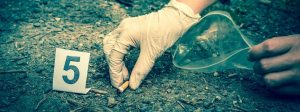
Top Forensic Psychology Professors on Twitter

Forensic psychology applies the traditional study of psychology to issues and questions relating to the legal system. The American Psychological Association states that the duty of forensic psychologists is to provide psychological assessment of individuals who are involved in some way in the legal system. As such, forensic psychologists must have thorough training in both psychology and the law, and must generally possess solid clinical skills, including interviewing, report writing, clinical assessment, and strong verbal communication abilities.

In addition, within the realm of forensic psychology exist a handful of subfields, each of which requires additional training in order to obtain proficiency. For example, forensic psychologists may pursue a specialty in handwriting analysis, which can be used to determine authorship in cases of forgery or fraud. Forensic psychologists may also specialize in profiling, which focuses on the apprehension of suspects based on a detailed analysis of common character traits found in similar criminals.

Ultimately, anyone with an interest in forensics, the law, and the combination between the two is encouraged to learn more about forensic psychology. It does require a significant amount of academic and professional experience, generally at least a PhD and countless hours of research and interviews.

But for those with these interests, there are significant number of talented, passionate, well-known, and sometimes hilarious professors active in universities around the world, including the ten described below. These professors were chosen for their contributions to research and practice at the intersection of psychology, law, and criminal justice, as well as for their prominence in high-impact publications.

Beyond researching their professional publications or following their careers through TV news or true crime books, prospective students may consider following these instructors on Twitter. This form of social media can provide a more personal glimpse of their daily lives, opinions, insights and educational methods, and in some cases, offer the ability to engage in discussions with them.

METHODOLOGY: These professors, who are active on Twitter, were chosen for their important contributions to research and practice at the intersection of psychology, law, and criminal justice, as well as for their prominence in influential media such as scholarly journals, books, and television programs.
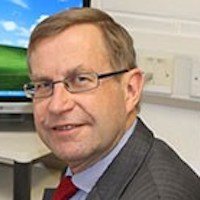
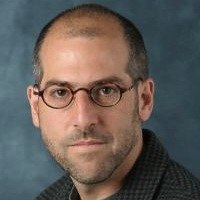
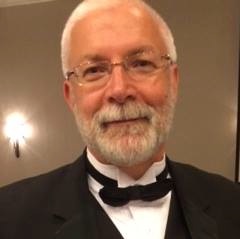
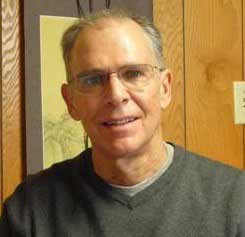
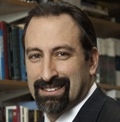
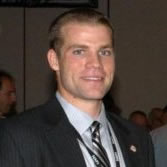
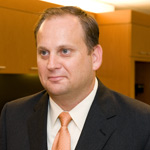
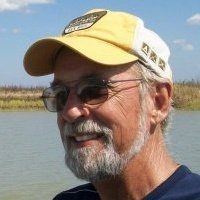
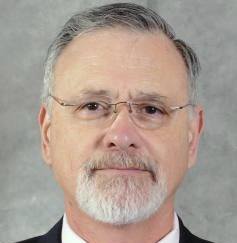
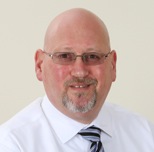
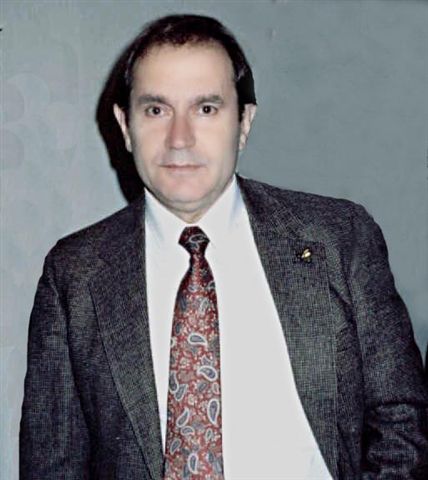
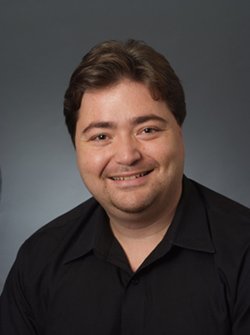
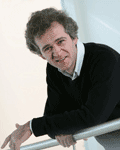
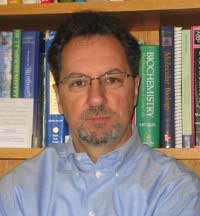
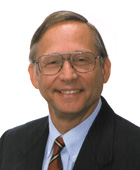
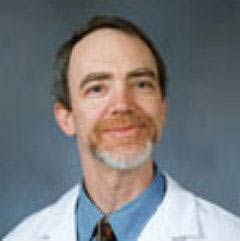
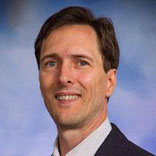
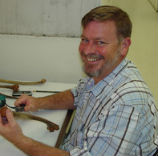
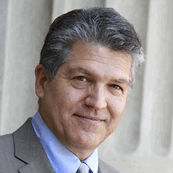
Michael Brookes, PhD

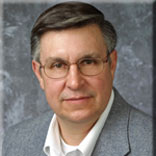
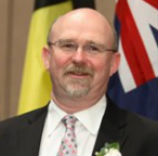
Dr. Michael Brookes, OBE, is a professor within the School of Social Sciences at Birmingham City University in Great Britain, where he serves as the forensic psychology program director. He previously served as the director of therapeutic communities at Grendon, Europe’s only therapeutic community prison. Dr. Brookes is also a consultant chartered and registered forensic psychologist and was given the Order of the British Empire honor and designation in 2013 for services to the country’s prison service and care of prisoners. His published work has appeared in a variety of peer-reviewed journals, including the International Journal of Offender Therapy and Comparative Criminology, the Prison Service Journal, and Crime, Media, Culture.
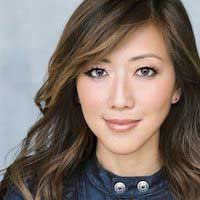
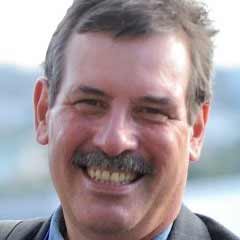
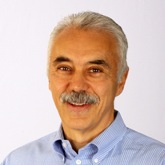
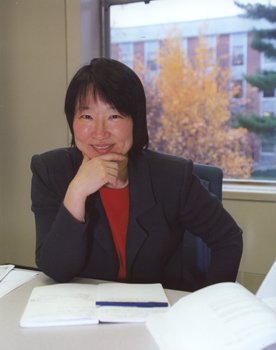
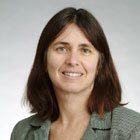
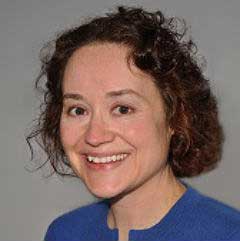
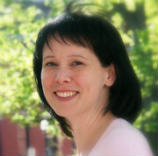
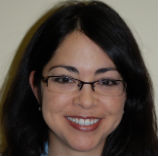
Judy Ho, PhD

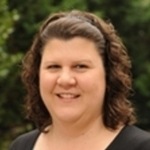
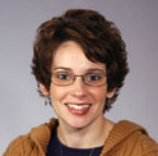
Dr. Judy Ho is a licensed clinical psychologist, a two-time board diplomate of the American Board of Professional Psychology and the National Board of Forensic Evaluators, and a tenured associate professor of psychology at Pepperdine University. She conducts neuropsychological and forensic evaluations and delivers evidence-based therapies to youth and adults. Her CREATE lab hosts her program of research aimed at improving mental health service delivery and outcomes for ethnically diverse youth populations in low-income community settings. It also focuses on exploring creative, innovative interventions to better engage clients in the therapeutic process and to reduce stigma to professional mental health care. Dr. Ho has also shared expert commentary on a wide array of television programs, including The Doctors where she is currently a guest co-host, Crime Watch Daily, Dr. Drew On Call, CNN Tonight, and others. Dr. Ho pursues her media consultant work with the goal of providing information to the general public about psychological issues in daily life and quality mental health care, and to reduce stigma towards mentally ill individuals.
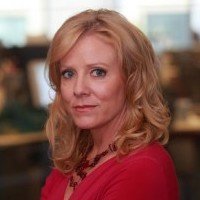
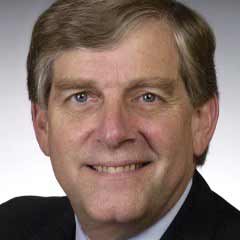
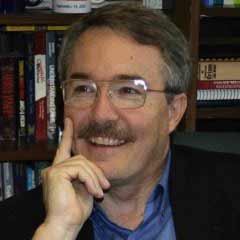
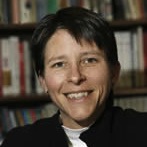
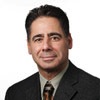
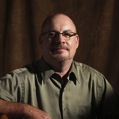
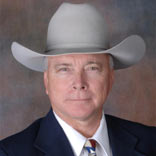
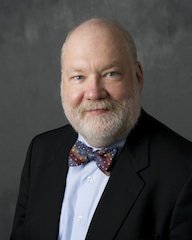
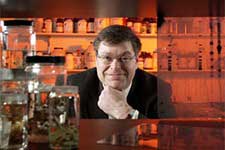
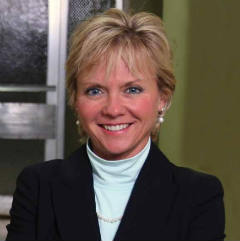
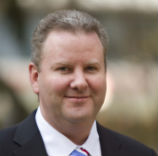
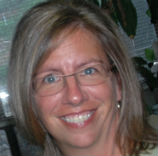
Casey Jordan, PhD

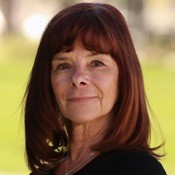
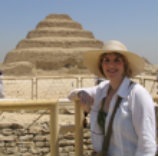
Dr. Casey Jordan is an attorney, criminologist and a professor within the Division of Justice & Law Administration at Western Connecticut State University, where she has worked since 1991. She spent a decade teaching in the Department of Sociology and Criminology at John Jay College of Criminal Justice, as well as serving as an adjunct professor at Iona College, Queens College, and St. Joseph’s College in New York throughout the 1990s. Dr. Jordan has contributed to more than 1,000 television stories on crime and legal issues, and has appeared on news and legal commentary programs including CBS’s The Early Show, Good Morning America, 48 Hours Mystery, ABC’s 20/20, CNN American Morning , Larry King Live, The O’Reilly Factor, Anderson Cooper 360, and Nancy Grace.
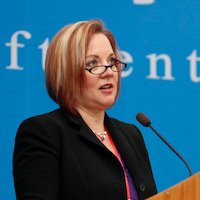
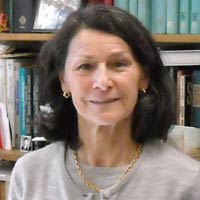
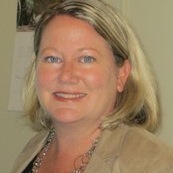
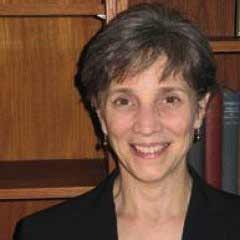
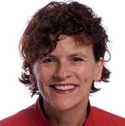
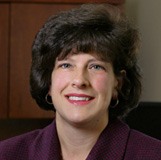
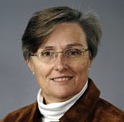
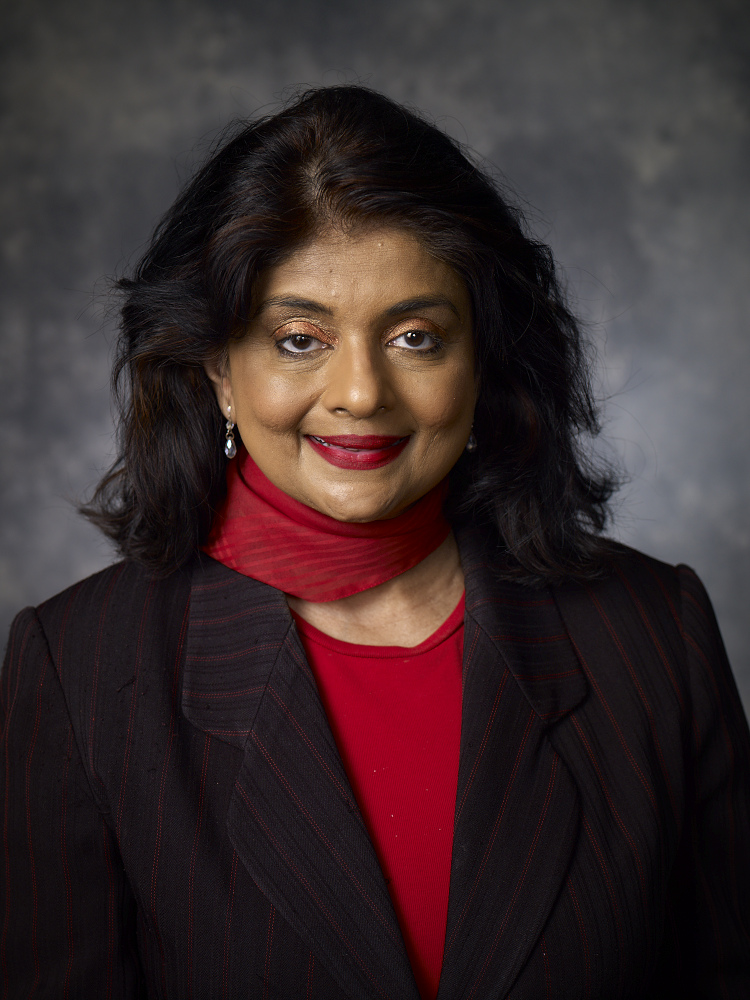
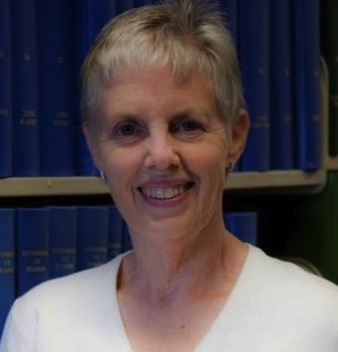
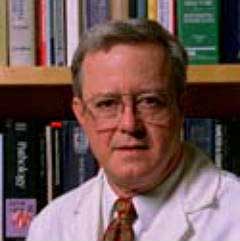
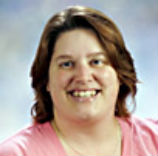
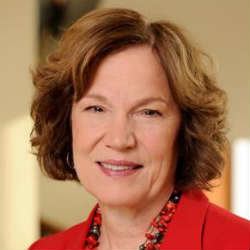
Margaret Bull Kovera, PhD

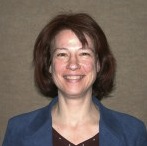
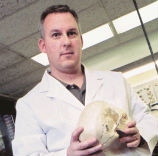
Dr. Margaret Bull Kovera is a presidential scholar and professor at the John Jay College of Criminal Justice, where she focuses her research on jury decision-making, scientific evidence, and eyewitness identification. As a social psychologist, Dr. Kovera’s research has been published in a number of journals, such asLaw and Human Behavior, the Journal of Applied Psychology, the Journal of Experimental Psychology: Applied, Applied Cognitive Psychology , and Psychology, Public Policy, and Law. Dr. Kovera previously served as the president of the American Psychology-Law Society, and she currently works as the editor-in-chief of Law and Human Behavior. Along with her academic pursuits, she regularly serves as a jury consultant and an expert witness to discuss the reliability of eyewitness identification. Her eyewitness research has received more than $2 million over 20 years from the National Science Foundation.
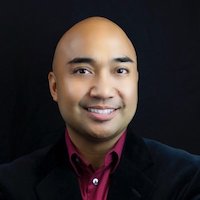
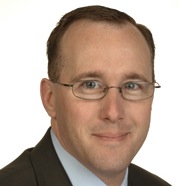
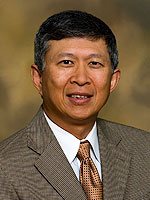
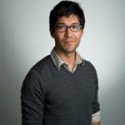
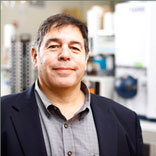
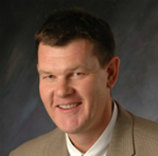
Kevin L. Nadal, PhD

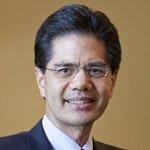
At John Jay College of Criminal Justice, Dr. Kevin L. Nadal serves as a full tenured professor within the psychology department. He also teaches in the Department of Critical Social/Personality Psychology, a position he has held for nearly a decade. In addition to his academic work, Dr. Nadal is a counseling psychologist and has published seven books, including Microaggressions and Traumatic Stress: Theory, Research, and Clinical Treatment ; That’s So Gay! Microaggressions and the Lesbian, Gay, Bisexual, and Transgender Community ; and The Sage Encyclopedia of Psychology and Gender. He has received a wide array of awards, including the Rising Star Award from the National Multicultural Conference and Summit in 2017, as well as the Early Career Award for Distinguished Contributions to Psychology in the Public Interest from the American Psychological Association.
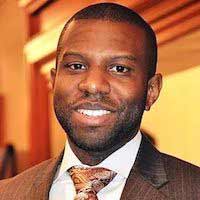
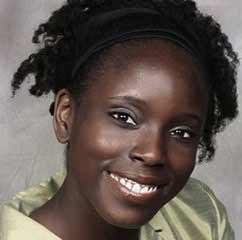
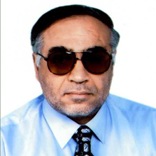
Ivory Achebe Toldson, PhD

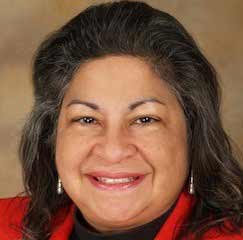
Dr. Ivory Achebe Toldson serves as a professor at Howard University, as well as the president of the Quality Education for Minorities (QEM) Network and editor-in-chief of the Journal of Negro Education. He is also the founding director of the Center for Research, Evaluation, Assessment, and Training in Education (CREATE LLC). In addition, Dr. Toldson has more than 60 publications, including four books and more than 150 research presentations in 36 U.S. states and Puerto Rico. His lectures have taken him to the Dominican Republic, Scotland, South Africa, Paris, and Barcelona. He has been featured on an array of television and radio programs, such as MSNBC, C-SPAN2 Books, NPR News, and more. Dr. Toldson was also appointed executive director of President Obama’s White House Initiative on Historically Black Colleges and Universities.
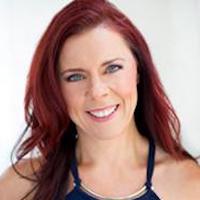
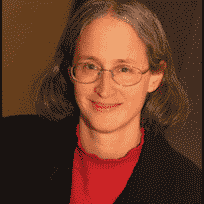
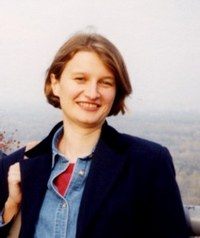
Patricia Zapf, PhD

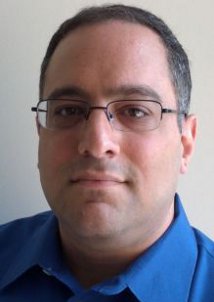
Dr. Patricia Zapf works in the psychology department at John Jay College of Criminal Justice in New York, and is also part of the Mental Health and Psychology Institute at Simon Fraser University in Canada. She previously served as a member of the law and psychology faculties at the University of Alabama and is a current fellow of the American Psychological Association. As the past president of the American Psychology-Law Society and editor of the APLS book series, Dr. Zapf has published more than 85 peer-reviewed book chapters, journal articles, books, and manuals, which include The APA Handbook of Forensic Psychology; Forensic Assessments in Criminal and Civil Law: A Handbook for Lawyers (Oxford), which earned the 2006 Best Book Award by the American Psychology-Law Society; as well as Evaluation of Competence to Stand Trial. She’s on the board of directors for the International Association of Forensic Mental Health Services, and has conducted more than 2,500 forensic evaluations. Dr. Zapf also offers professional training to legal and mental health professionals, and works with mental health organizations to develop standardized professional training for their service providers.
Willow Dawn Becker

Writer

Willow is a blogger, parent, former educator and regular contributor to www.forensicscolleges.com/. When she's not writing about forensic science, you'll find her blogging about education online, or enjoying the beauty of Oregon.

Virtual Reality, Augmented Reality, and the Future of Forensics

As technology rapidly advances, a greater array of industries are adopting virtual reality (VR) in order to achieve their goals. One field where VR is emerging is forensics, where increasingly powerful tools can allow parties on all sides of an issue to broaden their perspectives of an incident, ultimately leading to better-informed conclusions.

Of course, that’s not to say that VR technology is necessary in all circumstances or will replace other forensic techniques completely. Several forensic researchers are currently experimenting with the uses of VR and its effects in the courtroom.

What is Virtual Reality?

Before delving into its potential uses in criminal justice, it is important to first understand the basics of virtual reality. As described by the Virtual Reality Society, virtual reality is a term “used to describe a three-dimensional, computer generated environment which can be explored and interacted with by a person.” Furthermore, “that person becomes part of this virtual world or is immersed within this environment and whilst there, is able to manipulate objects or perform a series of actions.” Ultimately, it is a reality that only exists within our perception.

In order to experience a virtual reality simulation, a person must be equipped with some type of VR device, such as the Oculus Rift. This consists of a headset with a display and headphones, allowing the wearer to experience the VR simulation both visually and auditorily. Simulations are often designed and developed specifically for the Rift or other VR/AR hardware on the rise.

The Oculus Rift and other VR devices are often utilized for gaming purposes. While a majority of people currently use the technology for entertainment, those within the field of forensics are coming to realize VR’s potential to be a powerful tool in pursuit of justice.

How Can Forensic Scientists Use VR Technology?

As of early 2018, the adoption of VR simulations by all forensic scientists is likely to be far off, since the technology itself is not yet widely available. Some have already been experimenting with the use of VR technology as a form of forensic evidence. Specifically, New Scientist reported that a team of forensic researchers from the University of Zurich used the Oculus Rift to recreate the scene of a shooting, which was confirmed to be accurate by law enforcement officers. Here, jurors in this case would be able to immerse themselves into a recreation of the crime scene, allowing them to use additional senses in coming to a decision about a verdict in a case. Furthermore, because virtual reality is only a simulation, forensic scientists would have the ability to modify the scene as they see fit, removing objects or images that may not be relevant or that may be offensive to viewers.

Of course, the potential use of virtual reality in the legal system likely extends far beyond that. In time, it is likely that this technology will be used in myriad ways in the form of additional evidence.

Augmented Reality and its Potential Use

Another form of technology that will likely be in widespread use by some in the law enforcement industry in coming years is that of augmented reality (AR). While virtual reality technology creates an entirely new simulation for a user to experience, augmented reality technology simply modifies the user’s experience in our existing world. The most well-known example is the popular mobile game Pokemon Go.

AR technology and its potential uses in law enforcement and forensics are best described by another article published in New Scientist (Nov. 2016) about an AR technology being tested by the Dutch Police, the Netherlands Forensic Institute, and the Dutch Fire Brigade. This technology, developed by researchers at a company in Rotterdam called Twinkls, requires the user to use either a headset or smartphone, as well as a body camera, which streams video back to experts away from the scene. At this point, the experts could use the technology to send virtual messages to the police officers, which they can receive in real-time.

Consider, for example, a crime scene that is littered with potential evidence. When the police officers arrive at the scene, they may not necessarily be the most qualified for the process of forensic investigation. With this AR technology, however, they can broadcast the scene to forensic experts at another location, who can then instruct the police officers or CSIs what to bag for evidence. For example, as the article describes, if the police officer comes across a bottle of chemicals that would be relevant for forensic experts, they may then flash a large green arrow in the officer’s display, representing instructions to pick up this item.

The article even mentions how AR technology could potentially be used in court by recreating a crime scene, although it doesn’t specifically describe any additional benefits.

Not a Perfect Science – The Drawbacks of VR and AR

Naturally, as with any advancements in technology, the benefits of both virtual reality and augmented reality come with a handful of drawbacks. And while the pros may outweigh the cons in these situations, the negatives are always important to consider before widespread adoption of a new tool, especially in the field of forensics, where precision and care is of the utmost importance.

In the case of virtual reality technology, for example, simulations could be recreated to view the scene of the crime from the perspective of a certain individual. This could lead to a possible bias in the courtroom among a jury. By illustration, one person who develops digital reconstructions, Damian Schofield, was quoted by New Scientist as saying that “Think of a murder scene: whether you view it from the point of view of the murderer, the victim or a third person will totally change your perception of what’s happening.”

In regards to augmented reality technology, distraction may be a large concern of those utilizing it at the scene of a crime or in other circumstances. Because law enforcement officers equipped with AR technology will be receiving additional information from third parties at other locations, they will not be able to remain fully focused on the information directly in front of them. Instead, they will be required to utilize their existing faculties, along with the expertise of those guiding them through the scene. Furthermore, as described by one of the articles in New Scientist, the AR technology is not suitable for use when making an arrest, “because officers trialling the system sometimes found the additional information distracting.” This means that anyone in possession of this technology will need to fully understand the appropriate times for use.

As of now, it is likely that trusted forensic techniques will continue to have a place in the world of forensics, at least in the near future, but both VR and AR may provide forensic scientists and other industry professionals an additional tool that allows them to develop a more comprehensive picture of a crime scene.

A Groundbreaking New Tool for the Field of Forensics

There is no doubt that both virtual and augmented reality are causing massive changes worldwide. This technology belonged in the realm of fantasy only a decade ago, and now it is commonly seen in the transportation, education, and entertainment industries, among others.

In short, VR/AR will likely have a useful place in the field of forensic science, allowing these professionals to recreate a crime scene for others to witness, or to communicate more efficiently with experts at another location.

Farheen Gani

Writer

Farheen Gani writes about forensics schools across the United States, and has covered topics such as forensic chemistry and forensic science and biochemistry since 2018. She writes about healthcare, technology, education, and marketing. Her work has appeared on websites such as Tech in Asia and Foundr, as well as top SaaS blogs such as Zapier and InVision. You can connect with her on LinkedIn and Twitter (@FarheenGani).

Guide to Latent Print Examination and Friction Ridge Analysis

When TV investigators capture and analyze finger (or other) prints to identify criminals, they are using a forensic technique called “latent print ridge processing.” Crime scene investigators (CSI) and forensic science technicians have used latent print ridge analysis to identify crime suspects for more than a century, and their conclusions are still just as admissible in the courtroom as ever.

The concept of ridge processing is fairly well known, but even the biggest law junkies and CSI fans may not realize just how complicated—albeit promising—the field of forensic print analysis can be. Learn more about the professionals who use it here, as well as the difference between “latent” and “patent” prints; the various applications; lifting techniques; credentialing options; and some of the limitations of these forensic methods.

What Is Latent Print Ridge Analysis?

The concept of print analysis is fairly basic. Experts find finger, palm, or foot prints at a crime scene; analyze them; and, whenever possible, match them with the correct person. The practice, however, is more involved.

Latent vs. Patent Prints

There is more than one way prints are left on a surface, and forensic science technicians classify and analyze them differently. The most common types of prints include latent and patent prints. Patent prints are impressions of prints usually transferred using some type of fluid or chemical, like blood or paint. Latent prints, on the other hand, are formed by the natural oils in one’s skin and transferred by the friction of touch. When TV and movie detectives use special powders or tapes to gather print evidence, they are collecting latent prints.

Ridge Analysis

Print ridges refer to the raised patterns visible on one’s fingertips, palms, toes, and heels. The actual ridges that form the pattern are called loops, arches, and whorls. Ridge analysis is the process in which a print analyst, forensic biologist, or crime scene investigator finds and captures a print to compare its unique pattern with others. Ridge analysis operates on the premise that no two prints are the same, so if a latent fingerprint matches a suspect’s fingerprint, then they were at the scene of the crime, though experts cannot say when. We will address some of the controversy surrounding this concept later. Ridge analysis is considered less reliable than DNA analysis, but it remains a widely-accepted means of gathering forensic evidence.

Applications

Placing potential suspects at the scene of the crime is one of the best known applications of print ridge analysis. Its additional uses include:

  • Conducting criminal background checks
  • Connecting suspects and victims to the scene of a crime
  • Identifying confused, unconscious, deceased, and other unknown people
  • Confirming one’s identity for security purposes; this called “biometric security”

How Forensic Scientists Analyze Latent Prints

Print Lifting Techniques

The first thing CSIs or forensic analysts do when they find a fingerprint at a crime scene is “lift” it, meaning they make it visible and capture it in some way. Common print lifting techniques include:

  • Dusting or Staining: This is when forensic and CSI professionals “dust” prints by gently applying aluminum flakes or other granular powder to a surface. The powder bonds with the oils that create a print, revealing and defining a print. Professionals might choose to use dye stains instead of powders. They may also apply a sort of glue called cyanoacrylate before dusting or staining to better preserve the print, which is then photographed and transferred to a special card using an adhesive tape. The National Forensic Science Technology Center notes that some fingerprint powders contaminate the evidence, limiting the opportunity for further forensic testing.
  • Alternate Light Source (ALS): Alternative Light Source print analysis uses LED lights or special lasers to reveal prints on certain surfaces. Experts can use special dyes and dust (often with cyanoacrylate), camera filters, and photo processing technologies to then capture the print for analysis. The NFSTC reports that ALS is an increasingly popular alternative to dusting or staining as the risk of contamination is much lower.
  • Chemical Developers: Latent fingerprints on certain surfaces, like paper or porous materials, can be difficult to lift with dust or dyes. In these cases, professionals use chemical developers that interact with amino acids and other natural residue to reveal latent prints by either coloring them or making them visible under certain lights.

The Latent Print Ridge Analysis Process: ACE-V

Forensic print analysts and CSIs then follow a process known as the “ACE-V method.” Here are the steps that form the acronym:

  • Analysis: Print analysts use computers, microscopes, or loupes to identify and count the loops, whorls, and arches that make up its unique pattern and to discern whether it the quality or amount of the pattern is sufficient for further examination. They can also identify scars or other features that could distinguish one person from another.
  • Comparison: The next step in latent print ridge analysis compare identified prints to others captured by law enforcement, documented in a crime database, or found elsewhere at the scene. Experts note and compare print features carefully.
  • Evaluation: Latent print ridge evaluation is when forensic and CSI experts carefully study two seemingly identical prints and decide the likelihood of the match. Ideally, he or she will identify or exclude a potential suspect, but many results are deemed inconclusive.
  • Verification: Once a forensic print analyst concludes his or her evaluation, the print is sent to another independent professional for verification. It is not unusual for a print to undergo several rounds of verification before it is presented as evidence in a criminal trial.

Is Latent Print Ridge Analysis Reliable?

One might think a hundred years of practice and the courtroom admissibility of fingerprint analysis demonstrate the method’s accuracy. Perhaps not. According to the National Institute of Standards and Technology, fingerprint analysis has a questionable scientific basis due, in part, to the subjectivity of examiners’ determinations. A study published in the Proceedings of the National Academy of Sciences agrees, noting that the accuracy of fingerprint analysis has never been ascertained in a large-scale study. In fact, no peer-reviewed study has even verified the well-known belief that individuals’ fingerprints are wholly unique.

Controversy in the Field

There is good cause to doubt the reliability of latent print ridge analysis. In the PNAS study, for instance, researchers challenged 169 latent print analysts to examine 100 prints, then measured the accuracy of their results. In the end, 85 percent of analysts made at least one false negative, leaving an overall false negative rate of 7.5 percent. Real-world cases of latent print misidentification are also not difficult to find. One of the most infamous examples, reports Frontline, was a 2004 bombing in Madrid, Spain, when four independent fingerprint analysts inaccurately concluded that a partial print lifted from a bag of detonators belonged to Oregon lawyer Brandon Mayfield. Examiners later matched the print with an Algerian man, clearing Mayfield of suspicion. Efforts are being made to prevent such mix-ups.

Improving the Accuracy of Print Analysis

The controversy over latent print ridge analysis prompted the American Association for the Advancement of Science to release a report warning print experts never to testify that they can match a print to a single source. Such a determination, noted the report, is “indefensible” and has no scientific foundation. The field had changed. As print examiner Ken Moses—one of the analysts who misidentified Mayfield in Madrid—told Frontline, it became clear that latent print analysis had “taken some sort of a quantum leap because suddenly there were new rules involved.” Efforts are also being made to improve the technologies that allow investigators to match lifted prints with suspects found in criminal databases. According to President’s Council of Advisors on Science and Technology, as reported by American Scientist, automated print identification could reduce bias.

Other Limitations of Latent Print Analysis

As with most other forensic techniques, there are limitations to what even properly-matched prints say about a crime. Latent print ridge analysis cannot determine:

  • Sex
  • Age
  • Race or nationality
  • If prints were left before, during, or after a crime
  • If prints point to a specific criminal act
  • If suspects’ prints remain unchanged by injury or other means

Career Spotlight: Print Analysts and Crime Scene Investigators

Print analysts and crime scene investigators are two sides of the same forensic coin. According to the U.S. Bureau of Labor Statistics, some forensic technicians (e.g., CSI professionals) specialize in collecting evidence at a crime scene while others such as print analysts or forensic biologists stick to conducting analyses in the lab. It is important to distinguish forensic technicians from law enforcement officers and detectives who occasionally find and lift prints, but do not process them.

Education Requirements

According to the BLS, forensic technicians typically need at least a bachelor’s degree in forensic science, chemistry, biology, or a related natural science, though candidates with master’s degrees usually have the best opportunities. Forensic science majors study several forensic methods—toxicology, pathology, blood spatter, and DNA analysis—in addition to print analysis. Technicians who work for police departments may need to complete academy training and become sworn law enforcement officers. Most new professionals work under the direction of experienced techs to receive on-the-job training. Print analysts who work in the laboratory may need to pass a proficiency exam to work independently.

Licensing & Certification

The BLS reports that forensic science technicians, including latent print analysts, are generally not required to become licensed or certified. Professionals who would like to improve their resumes or specialize their training, however, can pursue the following voluntary professional certifications from the International Association for Identification:

  • Certified Crime Scene Investigator
  • Certified Crime Scene Analyst
  • Certified Senior Crime Scene Analyst
  • Latent Print Certification
  • Tenprint Fingerprint Certification

Career Outlook

The future is bright for forensic technicians. The BLS (Oct. 2017) projects that the demand for forensic technicians will grow by 17 percent between 2016 and 2026—much faster than the average growth expected for all professions nationally. The reasons are varied but include anticipated higher law enforcement caseloads and broader use of forensic techniques as technology improves. Texas, Utah, Virginia, Nevada, and Arkansas should see the fastest growth; California, Florida, Texas, Virginia, and Arizona will add the most jobs overall.

Salary Information

Many factors influence CSIs’ and forensic science technicians’ earnings such as education, experience, and geography. The BLS reports that these professionals earned an average annual salary of $60,690 nationally as of May 2016, though those who worked for the federal government and various consulting services earned considerably more—averages of $101,670 and $74,160, respectively. California, Florida, Texas, Arizona, and New York offered the highest overall salaries that year.

Additional Resources

Readers interested in becoming forensic crime scene investigators or print analysts can learn a great deal about the field by visiting one of the following organizations online:

Jocelyn Blore

Chief Content Strategist

Jocelyn Blore is the chief content officer of Sechel Ventures and the co-author of the Women Breaking Barriers series. She graduated summa cum laude from UC Berkeley and traveled the world for five years. She also worked as an addiction specialist for two years in San Francisco. She’s interested in how culture shapes individuals and systems within societies—one of the many themes she writes about in her blog, Blore’s Razor (Instagram: @bloresrazor). She has served as managing editor for several healthcare websites since 2015.

Guide to Forensic Investigations: Trace Evidence, Ballistics, Toxicology, and DNA

Reflecting on how forensic evidence is portrayed in the popular TV show “Making of a Murderer,” Vulture (2016) argues that the “CSI Effect” is alive and well. This term dates from 2008 and in recent years, the consequence of having ubiquitous crime dramas on TV has been two-fold: not only is the public increasingly interested in forensics, but real juries also are exhibiting unrealistic expectations about the collection and analysis of evidence. In one telling case, a real juror complained that the prosecution hadn’t been thorough because “they didn’t even dust the lawn for fingerprints.”

One way to correct misunderstandings about what types of categorical forensic evidence can be collected is to fall back on authoritative sources such as the the National Institute of Justice (NIJ 2016). The NIJ distinguishes ten kinds of evidence in the forensic sciences, including four types which are the focus of this guide: trace evidence, impression & pattern evidence (related to ballistics), toxicology, and DNA. As the NIJ points out, evidence serves many functions in investigations such as tracing illegal substances, reconstructing crime scenarios, and correctly identifying remains. As the methods and technologies in this crucial discipline continue to evolve, there is a growing demand for qualified forensics professionals specializing in specific types of evidence.

In efforts to ensure the proper collection, analysis, and use of forensic evidence, the US Congress passed the Criminal Justice and Forensic Science Reform Act in 2011. Introduced by Senator Patrick Leahy, this law requires that employees of federally funded laboratories and agencies have proper credentialing in their fields, which meet established guidelines of didactic education and hands-on experience.

This guide serves as an introduction to how to meet the standards set forth by the 2011 law, examining the bright career outlook in forensic science and related occupations, as well as accredited educational programs, professional certification, and top employers across four high-growth forensic science subfields: trace evidence, ballistics, toxicology, and DNA.

Career Outlook & Salary in Forensic Evidence Examination

For people trained in a subfield of forensic science, there’s a wealth of job titles such as trace evidence analyst, forensics ballistics expert, forensic toxicologist, and DNA analyst, to name a few. The Bureau of Labor Statistics (BLS)—a branch of the US Department of Labor—is the predominant source of employment data. While the BLS does not track these more specialized occupations, if does offer an overview of the generalist forensic science occupation.

According to the BLS (Dec. 2015), there will be a 27 percent increase in job openings for forensic science technicians nationwide between 2014 and 2024, a figure substantially more robust than the average growth projected for all occupations during that time (7 percent). The expected addition of 3,800 jobs coupled with the excellent salary prospects in this field make it ripe with opportunity.

In fact, the BLS (May 2015) found that the 14,070 forensic science technicians had an annual average salary of $60,090, a figure 24.4 percent higher than the average salary for all occupations in the country at $48,320 (BLS May 2015). In more detailed terms, these forensics professionals had the following salary percentiles nationwide:

  • 10th percentile: $34,000
  • 25th percentile: $42,320
  • 50th percentile (median): $56,320
  • 75th percentile: $74,000
  • 90th percentile: $94,410

Not surprisingly, the top-employing states correlated roughly with population size (BLS May 2015):

  • California: 2,270 forensic science technicians employed
  • Florida: 1,480
  • Texas: 910
  • Arizona: 790
  • New York: 710

In a stroke of good fortune of the Golden State, California was both the top-employing and top-paying state in the nation. Here were the top-paying states for forensic science technicians (BLS May 2015):

  • California: $79,490 annual average salary
  • Nevada: $73,210
  • Illinois: $72,680
  • Connecticut: $72,550
  • Massachusetts: $70,800

Interestingly, the salary prospects for forensic science workers also tended to vary by source of data. Payscale (2016)—an aggregator of self-reported salaries—found the following annual wage percentiles among its 214 responding forensic scientists:

  • 10th percentile: $36,000
  • 25th percentile: $42,000
  • 50th percentile (median): $51,205
  • 75th percentile: $72,000
  • 90th percentile: $87,000

Finally, Payscale (July 2016) also explored the salary prospects of forensic scientists by levels of experience. As with other occupations, wages tended to increase with more years on the job:

  • Late-career (20+ years), 20 respondents: $74,000
  • Entry-level (0-5 years), 193 respondents: $48,000
  • Mid-career (5-10 years), 70 respondents: $57,000
  • Experienced (10-20 years), 49 respondents: $66,000

Trace Evidence

One of the main subfields of forensic science is trace evidence. The National Institute of Justice (NIJ 2016) designates several types of residues that may transfer between people, objects, or places. These particles are sometimes invisible to the naked eye and may include hair, pollen, plants, geological materials, gunpowder, wood, cosmetics, lubricants, polymers, clothing fibers, glass, paint chips, plastic fragments, and other types of micro-debris. Through scientific testing, trace evidence analysts may link a particular sample to a criminal perpetrator through comparison with a control sample (i.e., a “standard”). As of July 2016, the NIJ had provided over $29 million in research funds in this subfield of forensics.

The Washington State Patrol (WSP) Forensic Services Guide adds that trace evidence analysts—also referred to as “microanalysis specialists”—may be called upon to collect specimens at crime scenes with equipment such as electrostatic or gel lifters (for shoe impressions), dental stone (for casts of tire-marks and other impressions), latent dust lifts (for shoe impressions), vacuums (for hair or fiber collection), and gunshot residue (GSR) kits. Oblique lighting or the Amido Black reagent may also elucidate shoe impressions in blood. Finally, trace evidence analysts may analyze evidence with a variety of techniques, including:

  • Stereomicroscopy
  • Polarizing light microscopy (PLM)
  • Fourier transform infrared spectroscopy (FTIR)
  • X-ray fluorescence spectroscopy
  • Microspectrophotometry
  • Melting point determinations
  • Scanning electron microscopy-energy dispersive spectroscopy (SEM-EDS)
  • Cross-sectioning microchemical testing
  • Thin layer chromatography (TLC)
  • Raman spectroscopy
  • Gas chromatography/mass spectrometry (GS-MS)
  • Capillary-electrophoresis (CE)

Fortunately for people in this field, there’s a thriving professional association for support in this often difficult line of work. The American Society of Trace Evidence Examiners (ASTEE 2016) boasts over 400 members who are practitioners, educators, students, and researchers who share common goals: to facilitate the exchange of information and ideas, to promote high professional standards and ethics, and to encourage continued research into methods and technologies of trace evidence analysis. ASTEE also has a peer-reviewed journal of developments in this discipline: the Journal of the American Society of Trace Evidence Examiners (JASTEE).

Educational Programs for Trace Evidence Analysts

Florida International University (FIU) not only boasts the world-class Trace Evidence Analysis Facility (TEAF), but also has the International Forensic Research Institute. One of the standout IFRI programs is the bachelor of science (BS) in chemistry (or biology) with a forensic emphasis. This program is accredited by the Forensic Education Programs Accreditation Commission (FEPAC)—the foremost accreditation authority for forensics programs—and provides a variety of on-campus and web-based courses to hone students’ grasp of concepts such as forensic evidence and forensic biochemistry applications. Additionally, students participate in a forensic science internship at a local facility to apply their knowledge in a real-world context.

Another outstanding hybrid (i.e., on-campus and online) program is available through the Hooke College of Applied Science in a partnership with the National Institute of Justice (NIJ). This continuing education training is one of the country’s only programs to be approved by the American Board of Criminalistics (ABC), one of the main professional credentialing groups in forensics. More than 400 trace evidence examiners have been educated through the Hooke & NIJ partnership in methods of sample preparation, fiber identification, forensic paint identification & comparison, electron microscopy, light microscopy, microspectroscopy, and more.

Trace Evidence Examiner Professional Certification

The American Board of Criminalistics (ABC) offers professional credentialing in criminalistics at the affiliate, diplomate, and fellow levels. These credentials are valid for five years. ABC has several subspecialities that may be relevant to trace examiners, including comprehensive criminalistics, fire debris analysis, hairs & fibers, and paints & polymers. To learn more about how to become professionally certified, please visit the forensic scientist careers page.

Top Employers of Trace Evidence Examiners

The American Chemical Society (ACS 2016) reports that 90 percent of forensic chemists—a field intimately related to trace evidence analysis—work in labs affiliated with local, state, or federal police departments and medical examiner offices.

For example, the North Carolina Department of Justice has a full-service laboratory in Raleigh as well as satellite branches in Asheville and Greensboro. The North Carolina State Crime Laboratory is accredited under the International Organization for Standardization (ISO/IEC 17025 standards), and provides the full gamut of trace evidence analysis services with state-of-the-art equipment and techniques. Please note that similar to many crime labs across the nation, the NC DoJ also has summer internship opportunities in forensics.

Perhaps the most prestigious employer of trace evidence examiners is the Federal Bureau of Investigations (FBI 2016). Its Trace Evidence Unit (TEU) comprises a physical scientist, a geologist, and a team of forensic examiners who maintain a collection of reference samples as a basis of comparison for evidence submitted. Finally, the FBI Lab is one of the only ones in the nation to have a Mineralogy Group, a specialized unit of trace evidence geology experts.

Ballistics

In a summary of statistics about firearm usage and violence in the US, the BBC (Jan. 2016) reported that there were 372 mass shootings and 64 school shootings in 2015. Approximately 13,286 Americans were killed by guns that same year. Most alarmingly, the American gun-related death toll between 1968 and 2011 (1.4 million deaths) has overtaken the death toll from all US conflicts from the Revolutionary War through the War in Iraq (1.2 million deaths). The BBC estimated that there are approximately 300 million guns in the US owned by a third of the population, one factor that is contributing to the continued need for ballistics experts in the country.

According to the Washington State Patrol (WSP) Forensic Services Guide, there is a range of methods to determine relevant information about the type of firearms and bullet trajectories such as test-firing weapons, comparing cartridge cases, processing chemicals from gunshot residues (e.g., employing the sodium rhodizonate test), and using various techniques to elucidate obscured serial numbers on firearms (e.g., acid-etching, polishing). Interestingly, if firearms are fired at close range, the target surface is typically covered with partially burned and unburned gunpowder as well as soot and vaporous lead. It may leave a star-shaped or splintered bullet-hole with a darkened outline in its target, as opposed to a “cleaner entry” fired at longer range. One method law enforcement personnel use to identify the origin of bullets is through the National Integrated Ballistic Information Network (NIBIN), a database of firearms-related images and data. Although some ballistics experts focus solely on guns, others may become firearm and toolmark specialists who are familiar with the gamut of impressions left by various types of projectiles and blunt force objects.

Educational Programs for Ballistics Experts

Similar to other forensics subdisciplines, ballistics specialists typically complete bachelor’s programs in forensics or the natural sciences, and may focus their study with classes such as trigonometry, chemistry, computer-based modeling, and metallurgy. Others may learn exclusively on the job—particularly those employed in law enforcement—and garner skills such as handling evidence, identifying types of firearms, and acting as expert witnesses in court.

For those interested in formal educational training, there’s a joint associate and bachelor’s of science (AS/BS) degree available through a partnership between Queensborough Community College and the John Jay College of Criminal Justice. The AS portion focuses on foundational mathematics and science, and the BS portion has three distinct emphases: toxicology, molecular biology, and criminalistics. In the criminalistics concentration, students receive comprehensive training in ballistics, and graduates of this dual-program have gone on to work at local and state police laboratories, as well as at the FBI and the DEA.

For students who already have a bachelor’s degree and are interested in more advanced training, the Bureau of Alcohol, Tobacco, Firearms and Explosives (ATF) provides ballistics-specific education and certification through its National Firearms Examiner Academy (NFEA). As of July 2016, the NFEA is the sole national training program with a standardized curriculum in firearm forensics. It takes one year to complete and comprises 18 modules of instruction such as serial number restoration, toolmark identification & comparison, and a generalized NFEA course designed for state and local crime lab employees.

Ballistics Specialist Professional Certification

While there is no credentialing entity in this field recognized by the Forensic Specialties Accreditation Board (FSAB), the Association of Firearm and Tool Mark Examiners (AFTE) is an international group which provides a five-year certification. To qualify, candidates must have a bachelor’s degree, at least three years of experience as a firearm and/or toolmark examiner, and training equivalent to the two-year course of study in the AFTE Training Manual.

Top Employers of Ballistics & Firearms Experts

Firearms forensics experts go by many job titles—ballistics analysts, ballistics scientists, and firearms & toolmark examiners— and while most are employed through federal, state, and local crime labs, others may work at corporations such as American Systems. This employee-owned company was founded in 1975 and is focused on keeping members of the armed forces safe in challenging contexts around the world. As a government services contractor, it offers services of “National Priority,” including firearms and toolmark examination. In addition to test firing weapons, these specialists are tasked with analyzing evidence using magnification, etching, x-ray, and various photographic techniques to uncover the source of ballistics paraphernalia.

As with other subfields of forensics, one of the most prestigious employers of these forensics professionals is the Federal Bureau of Investigations (FBI 2016). The Firearms/Toolmarks Unit (FTU) supports law enforcement agencies nationwide by closely examining physical evidence from guns, ammunition, toolmarks, gunshot residue, and projectile trajectories. In the FTU, they employ varied techniques such as firearms function testing, trigger pull measurements, ejection pattern examination, silencer testing, and other advanced ballistics methods.

Forensic Toxicology

The National Institute of Justice (NIJ 2016) defines forensic toxicology as the scientific analysis of biological samples for toxins (e.g., pharmaceuticals, drugs & alcohol, poisons). As a continually evolving field, the collection methods and testing techniques are always in flux. Toxicology not only seeks to understand the effects of various substance concentrations, but also how drugs are distributed throughout the body. The aforementioned Washington State Patrol (WSP) Forensic Services Guide offers a detailed explanation of its State Toxicology Laboratory in Seattle. In many cases, the lab tests blood, urine, hair, or other types of tissues to assess whether drug or alcohol use contributed to a person’s criminal activity or death. In WA and many state police labs, there are four common types of cases submitted for toxicology testing: DUIs, death investigations (i.e., postmortem examinations), drug facilitated sexual assaults (DFSAs), and drug use inquiries.

Educational Programs for Forensic Toxicologists

Luckily for those interested in forensic toxicology, there is an abundance of focused college degrees in this field, including programs accredited by the prestigious Forensic Science Education Programs Accreditation Commission (FEPAC). For example, the West Chester University of Pennsylvania offers a bachelor of science (BS) in forensic and toxicological chemistry, focusing its training on professional laboratory experience with a foundation in forensic science. With advanced coursework in forensic chemistry, forensic microscopy, microbiology, and recombinative DNA techniques, West Chester graduates have successfully secured employment in crime labs throughout the country.

Additionally, George Washington University (GWU) of DC offers a FEPAC-accredited master of forensic science (MFS) in forensic toxicology. Open to students with bachelor’s degrees in chemistry or biology, this 36-credit graduate program includes classes such as criminal law for forensic scientists, principles of toxicology, medicinal chemistry I/II, statistics, and professional responsibility & quality assurance. Finally, GWU forensic toxicology students are encouraged to complete internships at one of the many local toxicology labs in the area. To learn more about relevant educational programs in this field, please visit the forensic chemistry programs page.

Forensic Toxicologist Professional Certification

The American Board of Forensic Toxicology (ABFT) provides three specialized categories of certification in this field: forensic toxicology, forensic alcohol toxicology, and forensic drug toxicology. All are valid for five years. To qualify, candidates must have at least a bachelor’s degree, three years of experience, and a passing score on an exam. To learn more about credentialing and how to join this career, please check out the how to become a forensic toxicologist page.

Top Employers for Forensic Toxicologists

There is a vibrant employment landscape for forensic toxicologists. In fact, the Society of Forensic Toxicologists, Inc. (SOFT) provides an active job-post board with opportunities at places such as Quest Diagnostics, Unitec Laboratories, PremierTox Laboratory, Captiva Lab LLC, Dynacare, and the DC Office of the Chief Medical Examiner. One standout position was available at the Houston Forensic Science Center, which called for a toxicology analyst to perform chemical analyses on biological samples and prepare reports to facilitate criminal justice proceedings. These specialists may also be called upon to testify in court as expert witnesses.

Additionally, the Virginia Department of Forensic Science’s central lab in Richmond employs forensic toxicologists for medical examiner cases, DUI investigations, non-implied consent examinations (e.g., drug-assisted sexual assault), and alcoholic beverage testing, particularly for minors caught in possession.

DNA Analysis

Perhaps one of the most groundbreaking innovations in the realm of forensic evidence has been the emergence of DNA analysis. Since the late 1980s, this field both has provided biological evidence connecting criminal perpetrators to victims or crime scenes, and also has exonerated those who were wrongly accused. The National Institute of Justice (NIJ 2016) states that one one-tenth of a percent of DNA—approximately three million base pairs—differ between individuals, and biological samples from blood, hair, semen, bone, saliva, and other tissues can be used for testing. The NIJ (May 2016) added that there’s an especially high demand for qualified DNA specialists since there’s a mounting backlog of samples which can make or break criminal cases across the country.

After a viable sample has been located and carefully collected, DNA and serology analysts employ techniques such as DNA typing (i.e., chemically removing DNA from cells), real time (RT) polymerase chain reactions (PCR), single nucleotide polymorphism (SNP) testing, or the Y short tandem repeat (Y-STR) procedure for male DNA. Once a sample is processed, it can be compared to known samples in Combined DNA Index System (CODIS) or National DNA Index System (NSIS) databanks.

Educational Programs for DNA Analysts

Many programs in forensic chemistry and biology provide in-depth training on DNA analysis. For example, the FEPAC-accredited bachelor of science (BS) in forensic chemistry at Towson University of Maryland offers three distinct tracks: general forensic science, trace evidence & drug analysis, and DNA. Boasting small class sizes, ample student-professor interactions, and abundant externship opportunities at local crime labs, Towson provides hands-on training in body fluid analysis and human identification using serology, DNA technologies, and elementary biostatistics.

Two additional FEPAC-accredited programs are available at Cedar Crest College of Allentown, PA: a BS and a master of science (MS) in forensic science. Both offer excellent training in forensic molecular biology, and the MS has specialized coursework in fluid stain identification, DNA extraction, DNA quantitation, PCR, and genotyping. Most notably, while this is the only women’s college in the nation to offer degrees in forensic science, chemistry, biochemistry, and genetic engineering, it also enrolls men at the graduate level. To learn more about relevant education in this field, please visit the forensic biology programs page.

DNA Analyst Professional Certification

The American Board of Criminalistics (ABC) offers professional credentialing in criminalistics with a specialization in molecular biology. To qualify, an aspiring DNA analyst must have a bachelor’s degree, at least two years of experience, and a passing score on an examination. To discover in-depth how to join this subfield of forensic evidence, please visit the DNA analyst career page.

Top Employers of DNA Analysts

Similar to the opportunities available through other branches of forensics, there are crime labs across the country which employ DNA experts. In fact, the Association of Forensic DNA Analysts and Administrators (AFDAA July 2016) posted openings in this field at the Alameda County Sheriff’s Office, the County of Los Angeles, the City of Fort Worth Police Department, and the State of New Mexico, to name a few. Furthermore, as with other forensic evidence subfields, the FBI boasts a specialized, state-of-the-art DNA Casework Unit, employing forensic examiners to identify body fluid stains and analyze DNA.

Other Types of Forensic Evidence & Resources

While this guide focuses exclusively on trace evidence, ballistics, toxicology, and DNA, there is a range of forensic evidence subfields. To learn more about any of these areas, please visit the pages below:

Finally, here is a list of additional authoritative resources for people interested in forensic science and investigations:

Jocelyn Blore

Chief Content Strategist

Jocelyn Blore is the chief content officer of Sechel Ventures and the co-author of the Women Breaking Barriers series. She graduated summa cum laude from UC Berkeley and traveled the world for five years. She also worked as an addiction specialist for two years in San Francisco. She’s interested in how culture shapes individuals and systems within societies—one of the many themes she writes about in her blog, Blore’s Razor (Instagram: @bloresrazor). She has served as managing editor for several healthcare websites since 2015.

What Can I Do with a Master’s in Criminal Justice (MCJ/MSCJ)?

With recent advancements in technology, the growing threat of terrorism, and more sophisticated criminal methodology, the need for advocates of justice is clear. The criminal justice field is evolving in its attempts to keep up with and counter these threats, and as a result, a wide-range of career possibilities, many beyond the ordinary, are emerging. For many, a degree in criminal justice offers the graduate a chance to become an asset to his or her community and an opportunity to make the kind of tangible difference society relies upon for a sense of safety and well-being.

While it is a common assumption that a degree in the criminal justice field leads to a career in law enforcement, this is only the tip of the iceberg. A number of in-demand jobs exist that a degree in criminal justice affords (imagine working for the Department of Homeland Security, or as an FBI or DEA agent).

And though a bachelor’s degree may be just enough to get the proverbial foot in the door – offering access to an entry-level position – a more advanced and specialized post-graduate degree, such as a master’s degree in criminal justice (MCJ), often paves the way to fulfilling careers that offer opportunity for growth and advancement, as well as providing the integral and cutting-edge tools required to those who hope one day to operate on the front lines of justice.

Why Pursue a Master’s Degree in Criminal Justice?

In a growing number of fields and industries, a master’s degree is now commonplace and a necessity for many jobs that once required only an associate’s or bachelor’s degree; in fact, it is often said that today’s master’s is yesterday’s bachelor’s. With this degree comes greater opportunity and access to positions that may previously have seemed out of reach, those with the possibility of growth, advancement, excellent benefits, and ongoing financial security. In considering an advanced degree in the field, prospective students will often pursue a master’s degree in criminal justice for three primary reasons:

1. Opportunity

  • Initial access to employment opportunities is critical, and for many openings, the highest level of education achieved by an applicant is a determining factor in the hiring process. Simply put, a candidate with a master’s degree in criminal justice often beats out the candidate without one.
  • A master’s degree often leads to some of the most coveted positions in law enforcement such as supervisory roles, and in some cases, a higher degree is seen as equivalent to valuable work experience.

2. Career mobility and satisfaction

  • Those with advanced degrees are often promoted more quickly to management and leadership positions.
  • According to US News and World Report, master’s degree holders also often reap a number of less tangible rewards such as a sense of accomplishment and personal growth.

3. Higher pay

  • According to a Georgetown University study, the average salary of master’s degree holders is $17,000 more per year than their bachelor’s degree counterparts.
  • When it comes to criminal justice in particular, the Seattle Post-Intelligencer reports that law enforcement officers holding a master’s degree can earn around $74,834 while one that holds only a bachelor’s degree may earn just $48,532 per year.

For some, a master’s in criminal justice is not the first step. Often, graduates of associate degree programs, or those holding a bachelor of arts (BA) or bachelor of science (BS), were already advancing down their respective career paths when they considered a post-graduate degree. Why? Because they saw the potential these degrees afford – primarily, a path toward increased earning potential and an opportunity for personal and professional growth. For others, a MCJ is the next step toward a new and rewarding career.

Fortunately, obtaining a master’s in criminal justice is now more convenient than ever, with a number of both traditional and online programs available nationwide. While there is no “one-size-fits-all” version of the degree, there is a diverse array of graduate-level concentrations from which to choose, so it is important for potential applicants to understand what those are and how well they align to their interests and aspirations.

What are the Most Common MSCJ Concentrations?

Students pursuing a master of science in criminal justice (MSCJ) degree can often select a hyper-specialized concentration focus such as corrections, criminal behavior, cybercrime, forensic psychology, forensic science, homeland security, intelligence or law enforcement, amongst others. Oftentimes these emphases or concentrations manifest themselves as a set of three to four focused courses in the selected subject area, to be taken along with three to four core criminal justice courses and one to two additional elective courses of the student’s choosing. So, while the master’s degree in criminal justice is a social science degree, the student can often pursue a specialized set of more technical, legal or analytical courses, depending on his or her selected concentration.

What Roles and Jobs Require an MCJ or MSCJ Degree?

For those who have ever wondered how one becomes a DEA Agent, what it takes to work in the CIA or FBI, or envisioned themselves working within the Department of Homeland Security (DHS), a master’s degree in criminal justice might be a logical step. Once earned, a degree in this field offers the graduate a chance at an exciting and promising career, widely based on the individual’s own interest and focus. A sampling of possible careers is included below.

  • Criminologist
  • Criminal profiler
  • DEA agent
  • Criminal justice instructor
  • U.S. Marshal

Once obtained, a master’s degree in this field could pave the way for a number of these careers, though the level of education required may vary based on position. Most full-time university professors, for instance, pursue additional schooling to earn a doctoral degree as opposed to a master’s degree.

Featured Criminal Justice Careers For MCJ/MSCJ-Prepared Graduates

While the Bureau of Labor Statistics (BLS 2017) projects average growth for several law enforcement related occupations over the next several years, it projects more rapid growth within certain specialized fields that prefer or require MCJ/MSCJ-prepared candidates.

DEA Agent

DEA agents enforce drug laws, investigate drug-related crimes, and actively combat the manufacture and distribution of illegal narcotics. According to the DEA, the starting salary for as agent is based on the federal law enforcement officer base pay, plus a locality payment (based on where the agent works) and a 25 percent Law Enforcement Available Pay (LEAP) addition. Becuase of these factors, starting pay can vary greatly, but some estimates give an average of around $49,000 per year with the potential to make more than $90,000 after a few years of service. A master’s degree in criminal justice often accelerates this process. And while an advanced degree in the field of criminal justice may provide access to, and offer the opportunity for growth within a number of positions, for others this degree is indispensable.

Criminal Justice Professor

Often overlooked are careers in the academic arena. Jobs in academia, an environment where experts in a certain field opt to instruct those who have recently chosen it, are offering promising growth. Commonly, postsecondary instructors are responsible for research, lectures, instruction, and the administering and grading of exams in a college setting. On average, they earn over $72,000 per year, and according to the BLS projected growth for college-level criminal justice professors is much higher (15 percent from 2016 to 2026) than average (BLS 2017). While many professor positions require a doctoral-level degree, there are instructor and adjunct positions that may be available to those holding a master’s. This type of work can be quite rewarding, sharing knowledge with students and inciting more interest in the field of criminal justice.

Case Manager

According to the Federal Bureau of Prisons, case managers or correctional treatment specialists “perform correctional casework in an institutional setting; develop, evaluate, and analyze program needs and other data about inmates; evaluate progress of individual offenders in the institution; coordinate and integrate inmate training programs; develop social histories; evaluate positive and negative aspects in each case situation, and develop release plans.” Although a bachelor’s degree often meets entry-level requirements, a master’s degree is essential for GS-09 pay level consideration in a federal job.

Criminal/Intelligence Analyst

Criminal and intelligence analysts work primarily for government agencies as well as contractors that work with the government to asses criminal and security threats. While a bachelor’s degree may initially qualify an applicant for an entry-level position at the FBI, a candidate holding a master’s degree in criminal justice may be eligible for a higher grade or pay scale. According to Payscale.com, yearly average wages are estimated at $66,773, though Senior Intelligence Analysts may earn upwards of $88,000 per year. Government agencies such as the FBI, DEA, or CIA all utilize the services of analysts.

Criminologist

Criminologists attempt to understand crime, its causes, and its effects. Much of what criminologists do is research-based. This research often influences strategies in hopes of understanding, reducing, and ultimately preventing crime. Criminologists are often employed by the government, law enforcement agencies, or colleges and universities. Criminology is a relatively new and specialized occupation, so the field of sociology offers the most accurate and up-to-date indicator of the growth possibilities, which according to the BLS are expected to be just 1 percent from 2016 to 2026 (BLS 2017). Still, as criminal investigator and forensic science roles grow, there is likely to be more positions available for criminologists as well.

Moving Forward

In uncertain times society relies on the vigilance and expertise of those in the field of criminal justice for security and protection. Twenty years ago, the general public was entirely unaware of the threats cybercrime and terrorism posed, while specific departments such as the Department of Homeland Security did not even exist.

Careers in criminal justice can be physically, mentally, and emotionally demanding. And while those working on the front-lines of action often face omnipresent danger, the rewards typically outweigh the risks involved. The criminal justice field is exciting, diverse, and essential, populated by devoted personnel all working to make a difference. For individuals wanting to be part of this collective effort, a master’s degree in criminal justice is a great place to start.

Willow Dawn Becker

Writer

Willow is a blogger, parent, former educator and regular contributor to www.forensicscolleges.com/. When she's not writing about forensic science, you'll find her blogging about education online, or enjoying the beauty of Oregon.
Top Professors Changing Forensic Biology

At any crime scene, tiny bits of information can be the difference between freedom and a life behind bars. From blood spatter patterns to DNA sequencing, forensic biology is the incredible field where crimes are analyzed at a molecular level. Forensic biologists learn how to identify these tiny pieces of information and identify the DNA markers that will allow police and legal teams to connect criminals to their crimes. And, in the recent past, this DNA evidence has also been used to free those who have been unjustly convicted.

These professors are at the front lines of forensic biology instruction, research, and activism. Whether they are campaigning for DNA analysis to free convicts or developing smartphone apps to identify blood samples, these professors are helping to bring forensic innovation to the classroom and courtroom.

Greg Hampikian

Boise State University

Dr. Hampikian founded the Idaho Innocence Project at Boise State, and helped start the Irish Innocence Project. He is a contributing columnist at the New York Times, and his forensic work has been recognized by New Scientist, Forensic Magazine, the Economist, and CNN’s Anderson Cooper. Recently, he served as a DNA expert for Amanda Knox, who was famously acquitted. He is a member of the National Academy of Inventors, and delivered a TedX talk on DNA Mixups, which you can view at Ted.com.

Daniele Podini

Columbian College of Arts and Sciences

Professor Podini has a background in Molecular Biology, and used his skills to track down national criminals before becoming a professor. In 1998, he was chosen by the Department of the Carabinieri (an elite Italian military armed force) to be the Assistant Chief of Biology. He is also a member of the DNA Analysis subcommittee for the Organization of Scientific Area Committees (OSAC). Podini is currently working to develop a bloodstain age prediction device for the smartphone.

Amy Brodeur

Boston University

Professor Brodeur worked with the Boston PD before becoming the Assistant Director of the Biomedical Forensic Sciences program at Boston University. In addition to being a Fellow of the American Board of Criminalistics, she often provides private consulting and forensic testimony in trials. Her interests and specialties include crime scene processing, bloodstain pattern evaluation, and acting as the Admissions Chair for the Forensic Biology department.

Reena Roy

Pennsylvania State University

Dr. Roy is a trendsetting professor of Forensic Biochemistry and Molecular Biology. Her use of technological innovations like Next Generation Sequencing (NGS) instruments, RapidHIT crime scene analysis tools, and the Ion PGM System give her students the latest in Forensic Biology education. She also works with the National Institute of Justice (NIJ) as a member of the DNA Forensics Technical Working Team.

Dr. Susan Walsh
Susan Walsh

Indiana University – Purdue University Indianapolis

Dr. Walsh has a background in Forensic Genetics, DNA Profiling, and Biochemistry, which gives her an edge when it comes to sharing insight into the crime analysis process. Her knowledge has made her a sought-after speaker in forums such as the International Society for Forensic Genetics (ISFG) Conference, the Yale Biological Anthropology Colloquium Series, and the International Symposium on Human Identification (ISHI). Her speaking ability has earned her the ISHG “Best Oral Presentation Award,” in 2013.

DeEtta K Mills
DeEtta K. Mills

Florida International University

Dr. Mills is the Graduate Program Director for the MS Forensic Science Program in Chemistry and Biology at FIU. She teaches Genetics, DNA Profiling, and Microbial Ecology. Her research focuses on how microbes can help forensic scientists understand the evolution and ecology of tissue and soil. It has been so influential that she was invited to be on the Peer Review Panel for the Biothreat Reduction Program through the National Nuclear Security Administration.

Robert E. Gaensslen

University of Illinois-Chicago

Dr. Gaensslen is a professor and the Director of Graduate Studies for the Forensic Science program in the College of Pharmacy at UI-Chicago. He is an avid publisher and researcher, and was the Founder/Editor of Forensic Serology News (1976-1984) and the Editor-in-Chief of the Journal of Forensic Sciences (1992-2001). His work with pharmaceutical and biological forensics earned him the Paul L. Kirk Distinguished Criminalist Award (1992) from the AAFS.

Robert Allen

Oklahoma State University

Dr. Allen teaches Forensic Biology and is also the Director of the Human Identity Testing Laboratory at OSU. His background in genetics is extensive, and he was both the Director of the HA Chapman Institute of Medical Genetics as well as the Scientific Director of the US Red Cross. His research, which focuses on human DNA variability and modern DNA analysis, has launched him to the national stage. He is the current Editor-in-Chief of the Journal of Forensic Investigation.

Bruce Budowle

University of North Texas

Dr. Budowle has over 25 years of experience as a forensic scientist with the Federal Bureau of Investigation (FBI). He both taught and conducted research at the FBI Academy Campus, acting as a Senior Scientist in Biology in the Laboratory Division. Following 9-11, Budowle was chosen to serve on the Kinship and Data Analysis Panel to help identify remains from the tragic World Trade Center event. He received the FBI Director’s Award for Investigative Support Excellence (2000), the Paul L. Kirk Criminalistics Award (2001), and the Health Care Hero Award from the Dallas Business Journal (2010).

Methodology


To select professors for inclusion in our list of influential forensic biology professors, we used the following criteria:

  1. University Affiliation
    First, the professor must be associated with a forensic biology program or specialization at an accredited university in the U.S., and actively teaching.
  2. Publication:
    When looking at academic credentials, publication is always another consideration. The professors on this list have published extensively in peer reviewed forensic science journals.
  3. Institutional & Peer Recognitions
    The professors on this list have been recognized by their peers and their employers as being among the top in their field. Whether they received teaching awards, special recognition for their publications, or notable grants and research funding, these professors are dedicated to the field of forensic biology and to their students.
  4. Professional Commitment
    In addition to teaching and research obligations, the professors on this list have gone above and beyond in terms of leadership and professional contributions. Some have been selected to be faculty deans or program directors, while others have become leaders of professional organizations.
Barry Franklin

Barry Franklin

Co-Founder

Before co-founding Sechel Ventures Partners LLC, Barry Franklin was a VP at a Silicon Valley software company. He is an investor and advisor for DataSimply and Impellia. Barry believes that education and lifelong learning are paramount. Barry met his wife at Carnegie Mellon University and they have two beautiful daughters. He also volunteers for various committees at his kids’ high school.

Forensic Chemistry Professors You Should Know

When there is only half a sandwich as crime scene evidence, forensic chemists are the best source for getting real criminal data. Whether it’s new ways to collect hair and blood samples, or developing the most cutting edge technologies for lifting and analyzing fingerprints, forensic chemists are the people who are on the front lines of how we capture criminals. These professionals use microspectrometers, infrared analyzers, and other tools to evaluate trace materials from crime scenes.

The field of forensic chemistry is relatively new, yet the leaders in the field are continuing to push the edge of what information can be gleaned from even the smallest piece of evidence.

Bruce McCord
Bruce R. McCord

Florida International University

Dr. McCord teaches Analytical and Forensic Chemistry at FIU in addition to continuing research in forensic genetics, explosives residue detection, and toxicology. His research has made him one of the most notable and published professors on the list, with over 75 peer reviewed papers. He also serves on the editorial boards of Electrophoresis and The Journal of Forensic Science. In 2008, he won the Paul Kirk Award from the American Academy of Forensic Science (AAFS) Criminalistics Section in recognition of his outstanding contributions to the field of Criminalistics.

John A. Reffner

John Jay College of Criminal Justice – CUNY

Dr. Reffner has authored over 70 publications, holds over 10 different microspectrometry-related patents, and has presented expert testimony in major criminal trials around the US over 20 times. He is a nationally recognized name in the field of Microscopy and Micro-Analytical Chemistry and the award-winning Criminal Science program at John Jay has benefitted from his extensive expertise. He currently sits on the editorial board of Microscopy Today, and has earned numerous awards for his research including the AAFS Paul Kirk Award (2004).

John Goodpaster
John Goodpaster

Indiana University – Purdue University Indianapolis

Dr. Goodpaster is both a professor of Chemistry and the Director of the Forensic Sciences Program at Purdue. His engaging lecture style and top-tier research has earned him notoriety amongst forensic chemists as well as the Best Oral Presentation Award from the International Symposium on the Forensic Sciences (Australia, New Zealand, 2014). He also was recognized by the US Departments of Treasury and Commerce for his service in chemical analysis of compounds working with the Department of Defense. He is a peer reviewer for a number of journals, including the Journal of Forensic Sciences and Analytical and Bioanalytical Chemistry.

Glen P. Jackson

West Virginia University

An active member in both teaching and professional organizations, Dr. Jackson is the Distinguished Professor of Forensic and Investigative Science at WVU. He also acted as the 2014 Chair of the American Society of Mass Spectrometry (ASMS) Security and Forensic Applications of Mass Spectrometry Conference and the SciX Conference (2015). In 2012, Dr. Jackson received a $562,000 National Science Foundation (NSF) CAREER Award for achievement in combining research and education as a teacher.

Tatiana Trejos
Tatiana Trejos

Florida International University

Dr. Trejos is the Director of the Professional Science Master Program in Forensic Sciences at the FIU International Forensic Research Institute. She also teaches Forensic Chemistry graduate courses in addition to her outside responsibilities as the Co-Director of the bilingual scientific journal Revista de Ciencias Forenses. She recently was awarded the National Award of Technology from the Costa Rican National Academy of Sciences (NAS) for her contributions to standardizing the LA-ICP-MS method of fingerprinting. She is one of only 7 women who have ever earned this honor.

Isai Urasa
Isai Urasa

Hampton University

Dr. Urasa is heavily involved in teaching, research, and professional service in the field of forensic science. In 2007, he was awarded a $410,000 Promoting Minority Student Interest In Science and Scientific Careers Through Forensic Chemistry Grant from the US Department of Education. Through that grant, he has been able to focus on his passion – Environmental Analytical Chemistry. In addition to being the Chair of the American Chemical Society Waters Working Group, he has also been the Higher Education Specialist for the US Agency for International Development (2000).

James Girard

American University

Dr. Girard is the Chairman of the AU Department of Chemistry in addition to his teaching duties in analytical, environmental, and forensic chemistry. He is the author of Principles of Environmental Chemistry and Criminalistics: Forensic Science and Crime, both seminal volumes used in college courses around the US. He has received numerous college-level teaching recognition awards in addition to the US Department of State Franklin Fellowship (2009). An avid researcher, he has been awarded over $3.2 million in funds from organizations like the National Foundation for Cancer Research (NFCR), National Institutes for Health (NIH), and National Institutes of Standards and Technology (NIST).

Janet Morrison
Janet F. Morrison

Trinity College

Dr. Morrison is the Principal Lecturer in Chemistry at Trinity College. Her research with forensic analytical chemistry – specifically in analyzing drugs in “alternative” biological specimens like saliva and hair – has put her on the national map. Prior to her teaching position, she was a member of the NIST. Dr. Morrison holds a patent on a specialized hair collection device for use in forensic chemical analysis, and has been an invited lecturer around the US for her knowledge in drug analysis from hair specimens. She teaches Introduction to Forensic Chemistry.

Martha Greenblatt
Martha Greenblatt

Rutgers University

Dr. Greenblatt is considered one of the most influential solid-state chemists in the US, and will be one of the professors for the new Chemical Forensics program at Rutgers as of Fall 2015. She has published over 350 journal publications in regards to crystallography and materials with magentoresistance. She received the ACS National Award for Inorganic Chemistry in 2003. Dr. Greenblatt has also served as the Chair for an Electrolyte Solids Evaluation Program for the Department of Education as well as the Chair of the Gordon Research Conference on Solid State Chemistry (2004).

Methodology


Each of the members on this list have been chosen through careful research based on the following criteria:

  1. Active Teaching: All of these professors are actively teaching or mentoring students at an accredited college.
  2. Publication: Many of these professors have been published.
  3. Thought Leadership:Professors on this list have been chosen due to their leadership in the forensic chemistry community.
  4. Extracurricular Involvement:Each of these individuals is involved in both teaching and outside professional engagements.

Willow Dawn Becker

Writer

Willow is a blogger, parent, former educator and regular contributor to www.forensicscolleges.com/. When she's not writing about forensic science, you'll find her blogging about education online, or enjoying the beauty of Oregon.
25 Police Departments that Embrace Forensic Science

Although police officers depend on forensic science to be able to accurately solve cases, not every city truly embraces forensic scientists as full members of the investigation team. Fortunately, some of the best police departments in the US are making aggressive moves to increase the access that officers have to skilled forensic professionals. Not only does this lead to better and more accurate investigations, but it means that forensic scientists are finding long-term careers in places where their skills are celebrated and financially supported.

Based on the number of forensic professionals employed, average departmental spending on forensic equipment and personnel, and forensic turnover, these are the 25 best police departments to be a forensic specialist.

Top Forensics Departments

1. St. Louis, MO

The St. Louis County Police Crime Laboratory is a great example of how closely a PD can work with its evidence gathering team. The lab, accredited by the American Society of Crime Laboratory Directors – Laboratory Accreditation Board (ASCLD/LAB), handles over 7000 requests for evidence testing each year. In addition, this PD gives interns and volunteers the opportunity to gain on-the-job experience.

2. Stockton, CA

According to the U.S. Bureau of Labor Statistics (BLM, 2015), Stockton is one of ten metropolitan areas with the highest concentration of forensic science jobs – about .3 for every 1000 jobs. The Stockton PD is also proving their dedication to forensic technology by recently adopting the SST ShotSpotter Flex software, which allows police to identify recent gunfire by use of thermal imaging.

3. Chicago, IL

This PD is the third highest paying in the nation when it comes to forensic science, with the average annual wage being over $81,000 per year. Part of this comes from the public perception that crime in Chicago is high (although it has been steadily declining over the last four years). Another reason why it is so supportive of forensic scientists is the access it provides to the Illinois State Joliet Forensic Science Laboratory.

4. Washington, DC

Although the DC police crime lab has recently been under scrutiny by the U.S. Attorney’s Office, this department has made both financial and social investments in showing that its forensic services are top-quality. Its state-of-the-art $220 million facility, opened in 2012, has been cited by some for being understaffed, which may lead to an increase in hiring over the next few years.

5. Phoenix, AZ

Arizona has an unusually high quotient of forensic scientists in the state, with Phoenix being the 7th most concentrated police department in the nation – .35 forensic scientists per 1000 people employed. The Maricopa County Office of the Medical Examiner Operations Center is nationally renown for it’s excellence in handling investigative data through toxicology. The Mesa PD also recently received an award for the lab for Excellence in Forensic Science from the International Association of Chiefs of Police (IACP).

6. San Diego, CA

The San Diego PD is one of the most forensic-friendly departments on this list, hosting both an FBI-accredited (ASCLD/LAB) crime lab and an American Board of Forensic Toxicology (ABFT) forensic lab. Each year, the lab processes more than 13,000 pieces of evidence. Although the wage is not as high as it’s more northern CA counterparts, around $60,000, it is still above the national average of $57,000 annually. (City-Salaries.com, 2015)

7. New York, NY

It’s not surprising that the Big Apple is one of the highest employers of forensic science technicians in the US, with almost 400 forensic professionals employed as of 2015. Several of the central New York police departments (including Yonkers, Westchester County, Nassau, and Suffolk) house ASCLD/LAB accredited forensics labs, including the state-of-the-art Westchester County Ballistics Unit.

8. Baltimore, MD

Baltimore and the surrounding suburbs employ a surprising number of forensic scientists – about .24 per 1000 jobs. This is a great location for both professionals and students since those in the Forensic Science program at the University of Baltimore have access to both the college’s cutting-edge crime lab and the ABFT-accredited Maryland Crime Lab.

9. Riverside, CA

According to the BLS, Riverside employs .23 forensic scientists per 1000 workers, making it one of the top 10 metropolitan areas for this field. The police department in this area benefits from the local ABFT-accredited Bio-Tox Laboratories which gives them access to state-of-the-art forensic toxicology technology like liquid chromatography-mass spectrometry.

10. Flagstaff, AZ

The Flagstaff PD works closely with the Arizona Department of Public Safety Northern Regional Crime Laboratory, giving this small department access to lots of forensic muscle. The crime lab, which recently aced a federal audit of its evidence integrity, is maintained by the FBI yet is completely integrated with the 13-detective police force. In addition, Flagstaff has the third highest concentration of forensic scientists in the nation, and pays above the national average – $61,000 annually.

11. Charlottesville, VA

Although the Charlottesville PD is the smallest force on this list, it has shown a dedication to forensic investigation that many larger cities can’t compete with. In a recent feature published by Police Chief Magazine, Detective Sergeant Ralph A. Barfield highlighted how the small department was able to reallocate funds and become the top-performing department in weapon, shell casing, and bullet identification through the use of the National Integrated Ballistic Information Network (NIBIN).

12. Redding, CA

Redding also employs a large number of forensic scientists, with almost .60 per 1000 workers. The Redding PD is very supportive of forensic science and has several investigation units devoted only to forensics. One of the most notable areas is the High Tech Crimes Unit, which employs computer forensic experts to examine and mine data from computers, gaming systems, and cell phones.

13. Albuquerque, NM

While Albuquerque might be best known for crime as seen in television shows like “Breaking Bad” and “Better Call Saul,” it’s crime labs are nationally recognized as being some of the best. The Albuquerque PD have one of the few ASCLD/LAB-accredited labs in the nation, with three of its scientists receiving special commendations for crime scene analysis in 2014.

14. Santa Ana, CA

This department is another one of the top paying in the US, with annual salaries averaging over $77,000 per year. This PD has often been ranked in the top 10 nationwide for “cold hits” in ballistics analysis, and is one of the few Bureau of Alcohol, Tobacco, and Firearms-sponsored Integrated Ballistics Identification System (IBIS) locations in the country.

15. Boston, MA

Another department that pays its forensic scientists well is the Boston PD. Professionals here make over $72,000 annually, with a much lower cost of living than their California counterparts. Those in the Forensic Group work to identify latent prints, process crime scene data, and present forensic courtroom testimony. The Firearms Analysis Unit has also been nationally recognized by the International Association of Chiefs of Police (IACP) for its innovation in 3D ballistics imaging.

16. Los Angeles, CA

Not only is the LAPD one of the most highly-accredited when it comes to forensic science, it’s also one of the most decorated. It is nationally accredited for a number of unique areas, such as questionable documents and biological evidence analysis. In addition, the department received the 2014 August Vollmer Excellence in Forensic Science Award from the IACP for Serology and DNA analysis.

17. Las Vegas, NV

Nevada is listed as one of the top-paying states for forensic scientists, according to the BLS. This isn’t surprising in light of all the publicity that CSI brought to the forensic community. The average salary for a forensic professional here is over $70,000 per year. Typical forensics duties include comparative microscopy, gas chromatography, and mass or infrared spectroscopy.

18. Houston, TX

The Houston Forensic Science Center easily puts the Houston PD on the map for innovation and cutting-edge technology. Once housed within the police department itself, the lab is now independently operated, ensuring that data is not influence by police or lawmakers. The lab employs around 150 forensic specialists and pays slightly higher than the national average. It has also been awarded by the IACP for individual accomplishment.

19. San Francisco, CA

With annual salaries of over $89,000 per year, San Francisco forensic scientists are the highest paid in the country. Although it doesn’t have quite the forensic pedigree of its in-state neighbors (no accreditation for toxicology, latent printing, or crime scene analysis), the SFPD does employ a full range of forensic scientists in all of these areas. It also has a full video forensics area for enhancing and clarifying video footage.

20. Palm Bay, FL

Florida is consistently one of the states with the most forensic science professionals currently employed, at .20 per 1000 workers. Palm Bay is one of the most innovative PDs in the state, recently collaborating with the US Secret Service, Gladiator Forensics, and FBI Cast to create a cloud-based software that can analyze and track wireless data.

21. West Jordan, UT

The West Jordan PD is on the cutting edge of forensic technology, taking advantage of local and international talent to improve their data collection and analysis. For instance, they incorporate the M-Vac System, the most advanced wet vacuum forensic DNA collection system available, into their crime scene analysis. The PD also helps foster the growth and education of its staff (already a very well educated staff, with senior members of the forensics team also working part time in the state crime lab) and offers continual training for its Crime Scene Unit.

22. Tucson, AZ

The Tucson PD is home to the oldest criminal lab in the state and one of the first ever to be accredited by the ASCLD/LAB. Opened in 1960, this fully-functional lab is broken down into units like Forensic Biology, Comparative Analysis, and Forensic Electronic Media. The PD is also one of the largest employers of forensic professionals in the state – .34 per 1000 workers.

23. Denver, CO

The $28 million facility (opened in 2012) is just one of the ways that the Denver PD is trying to show that forensics is a top priority. The 77,000 square foot building allows investigators to analyze computer data, test ballistics on a custom shooting range, and analyze vehicles on-site. Wages are also good – $62,000 annually – which attracts top talent who don’t want the high cost of California living.

24. Suffolk, VA

Although it’s not the biggest city in the world, this little burg is making waves with its commitment to forensic excellence. In 2011, the department was awarded with the August Vollmer Contribution to Forensic Science by an Agency Award for its top-tier Crime Scene Search Unit.

25. Orange County, CA

The Orange County PD has one of the most accredited criminal investigation departments in the nation, with certification in toxicology, trace evidence, latent prints, and crime scene analysis. It employs over 150 staff members in its spacious 100,000 square foot forensic laboratory and supports local, national, and international criminal investigations.

Willow Dawn Becker

Writer

Willow is a blogger, parent, former educator and regular contributor to www.forensicscolleges.com/. When she's not writing about forensic science, you'll find her blogging about education online, or enjoying the beauty of Oregon.
Guide to Criminal & Forensic Psychology

According to the American Psychological Association, forensic psychology is “the application of clinical specialties to the legal arena.” This very broad definition helps to explain why there are so many different opportunities and paths for someone who chooses to pursue forensic psychology. While all forensic psychologists will do work that involves psychology (or psychiatry) and the law, the spectrum of possible tasks and careers is actually quite broad. Some forensic specialists may, for instance, make a career for themselves as an expert witness in a certain type of mental illness while others will seek employment in correctional facilities, working closely with inmates to provide treatment and even assistance upon release from prison.

Keep reading to get a better idea of what paths are available for forensic psychologists as well as what type of education and training each career requires.

Forensic Psychologist

It should come as no surprise that a forensic psychologist can be a lot of different things. But even though a forensic psychologist might work in many different settings with different types of patients, they do have minimum educational requirements. Some universities offer master’s degrees in forensic psychology, but according to the APA, in order to use the descriptor Forensic Psychologist, students must earn either a PhD (Doctor of Philosophy) or a PsyD (Doctor of Psychology) from an APA-accredited doctoral program. In addition, forensic psychologists must complete at least two years of supervised professional experience, at least one of which is at a an APA-accredited predoctoral internship.

With the proper education, a forensic psychologist can go on to specialize in any of the various fields within forensic psychology and could even pursue a medical education to study forensic psychiatry, if desired.

The following links provide a thorough overview of what it means to study forensic psychology and begin a career in this increasingly popular field:

  • What is forensic psychology?: If you want to hear the answer to the question “What is forensic psychology?” from the experts, look no further than this concise write up from the APA.
  • American Academy of Forensic Psychology: Aspiring forensic psychologists should consider joining the American Academy of Forensic Psychology. The professional group can assist with internships, job searches, and provide ongoing educational and networking opportunities.
  • Specialty Guidelines for Forensic Psychologists: Ethical guidelines for all professional psychologists apply to forensic psychologists as well, but this guide covers those special circumstances that forensic clinicians might encounter.
  • Resource Directory of Forensic Psychology pre-Doctoral Internship Training Programs: All practicing forensic psychologists must complete an approved training program. Although this list is not necessarily exhaustive, the resource from the American Academy of Forensic Psychology is definitely a good starting point.
  • American Board of Professional Psychology: The American Board of Professional Psychology provides resources for all types of psychology specialties, including forensic psychologists.

Criminal Psychologist

In one specialization of forensic psychology, clinicians can work directly with criminals in either a correctional or rehabilitative environment. A criminal psychologist may also be called a correctional psychologist or a prison psychologist, depending on the employer and the scope of the job. Prison psychologists are involved not only in one-on-one and group treatment session in correctional facilities, but also in parole hearings, behavioral hearings, intake, substance abuse treatment, and may take on a variety of other roles.

In order to become a criminal psychologist, students should pursue a standard forensic psychology path. However, not all criminal psychologists necessarily have to study forensic psychology as a specialty. Rather, experience working in the criminal justice system and in particular in correctional facilities is ideal. Those who want to work as a correctional psychologist should certainly attempt to complete some of their supervised work experience in this type of environment.

To learn more about the criminal psychology career, take a look at the following links:

  • Clinical Psychologist Job Posting: According to this page from the Federal Bureau of Prisons, clinical psychologists are always in demand around the U.S. Review the BOP site for more details about apply as a correctional psychologist.
  • A prison psychologist: In a cover story from the APA newsletter, a prison psychologist gives insight into her job working for the Federal Bureau of Prisons.
  • How to Become a Correctional Psychologist: This overview from PsychologySchoolGuide.net is a useful primer in how to start and continue down a proper professional path to becoming a correctional psychologist.
  • My work as a psychologist in prison: This article from Psychology Today gives special insight into the correctional psychologist career as it was written by an active prison psychologist. The article addresses some of the most difficult issues this particular professional faces on a day to day basis.

Clinical Forensic Psychologist

While a clinical forensic psychologist is a somewhat vague term, in this instance it is being used to describe those clinicians who earn their living as expert witnesses for court cases. Rather than treat patients, expert witnesses provide their well-informed opinion during trials to educate judges and juries about their particular subject matter as it applies to the case at hand.

In order to become a clinical forensic psychologist and ultimately an expert witness, clinicians must establish themselves as experts in their field, although there are no legal requirements for what this means. Before testifying, expert witness will usually be required to go through their own professional background, including education, research, publication, and experience. It would be rare for a brand new psychologist to be hired as an expert witness for this reason.

Clinical forensic psychologists can consult on court proceedings in other ways as well. Psychologists may be called upon by a legal team to evaluate a defendant, to help select jurors, or to otherwise weigh in on the trial off of the witness stand.

Review the following links for more information on becoming a clinical forensic psychologist and expert witness:

Criminal Profiler

A criminal profiler has a job that most people probably think of when they consider what a forensic psychologist is. Criminal profilers work with law enforcement agencies to create profiles of perpetrators in order to assist in tracking and apprehending these offenders. While profiling techniques go back to at least the time of Jack the Ripper, modern profiling is much newer. Criminal profilers today often have psychological training and expertise, but that was not always the case. Rather, profiling began as law enforcement agents working on investigative experience and physical evidence rather than psychological profiles. Today, both components come into play.

The highest profile job, so to speak, for a criminal profiler, is at the Federal Bureau of Investigation. Profilers at the FBI work on cases involving terrorism, serial killers, and other major crimes. While a psychology degree is not necessarily required, there are many other prerequisites for employment with the FBI, including law enforcement experience and a clean criminal record. It is also important that aspiring profilers have a thorough familiarity with proper research methodology as well as statistics. Criminal profilers may also work with local law enforcement on a case by case basis.

Consult the links below for more details about becoming a criminal profiler.

Forensic Psychiatrist

Unlike forensic psychologists, forensic psychiatrists are medical doctors. That means in order to become one, a student must graduate from medical school and pursue a residency in psychiatry. Although forensic psychiatrists have different training from psychologists, their career still addresses the intersection of mental health and law. Indeed, many of the common situations that a forensic psychologist may address are common for forensic psychiatrists as well, including mental health evaluations and expert witness testimony.

The main difference when it comes to what a forensic psychiatrist might do as opposed to a psychologist is that psychiatrists are trained and licensed to perform biological, medical testing as well as prescribe medication. For this reason, a criminal psychiatrist may often work in conjunction with a psychologist who is providing treatment services for incarcerated individuals or in other forensic capacities.

The links below should help you to sort out how a forensic psychiatrist differs from a forensic psychologist further:

Willow Dawn Becker

Writer

Willow is a blogger, parent, former educator and regular contributor to www.forensicscolleges.com/. When she's not writing about forensic science, you'll find her blogging about education online, or enjoying the beauty of Oregon.
5 Cybercrimes on the Rise in 2015

From the hacking of female celebrities’ phones to the massive cyberattack on Sony that ignited geopolitical tensions, it’s clear that cybercrime is on the rise and here to stay. Like diseases which evolve to render antibiotics ineffective, the nature of these crimes adapts in response to improving cybersecurity tactics, and the sheer variety and hybrid nature of virtual thefts, denials of service, and other methods is unprecedented.

The Pew Research Center’s State of Cybercrime Survey (2014) reports that the U.S. Director of National Intelligence ranks cybercrime as the top national security threat, above terrorism, espionage, and WMDs. While stealing data is one common form, extortion, data destruction, release of confidential information, demonstrated denials of service (DDoS), disrupting state infrastructure, and holding information ransom have all become tools in the arsenal of global cybercriminals.

2015 Cybercrime Attacks

1. State-sponsored attacks

The Wall Street Journal (2014) reports that espionage (especially for financial gain) and threatening to disrupt invaluable infrastructure (e.g., power grids, water systems, traffic control, etc.) are two tactics that may be on the rise for state-on-state cyberattacks. Critical infrastructure systems may be easier to target than newer companies due to their legacy architecture and ability to fully disrupt the lives of vast groups of people. The White House has taken preventive measures against these types of attacks. The Hill (2014) notes that the Justice Department has added three new, senior officials to the National Security Division (NSD) which coordinates measures against cybercrime at all levels of law enforcement.

While the possibility of state-sponsored attacks incite fear in some, not all of them are conducted for nefarious or self-serving purposes. Anonymous, for example, has pledged to level a cyberattack against the pseudo-nation ISIS in response to a long history of extremist brutality and cruelty.

2. Targeted attacks and “smart spam”

The Guardian (2014) surveyed a variety of cybersecurity companies (e.g., BitDefender, Symantec, Proofpoint, AdaptiveMobile, etc.) and found that advanced persistent threats (APTs) or “sophisticated spam” will likely rise in 2015. These crimes normally leverage psychological manipulation to incite victims to reveal confidential information or perform actions. The victims of these attacks range from large firms who hold valuable intellectual property or industry blueprints to individuals who fall prey to spear-phishing, watering hole tactics, and “malvertising” on social media.

3. Selective targeting of banks and healthcare companies

While rampant attacks on financial institutions aren’t a surprise, cybercriminals are increasingly turning to healthcare companies which hold a variety of confidential information on patients. According the the Identity Theft Resource Center, there were 720 major data breaches in 2014, including well-publicized attacks on Target and Home Depot. The largest proportion of these attacks (42.2%), however, affected the health industry. These sensitive records can be used to commit identity theft and other types of fraudulent activities. Even more alarming is the fact that many of these types of attacks never reach the public record due to confidentiality reasons and are likely much more common than this study suggests.

4. Ransomware

People will often go to dramatic lengths in order to free up locked information systems or to prevent sensitive information from being leaked to the public. According to Symantec and other companies, ransomware is a menace on the rise. Cybercriminals will extort money from victims by locking their devices remotely or by obtaining embarrassing photos, documents, and other material that can be dangled for a price. The Guardian (2014) reports that one type of ransomware called Cryptolocker was responsible for 55% of all attacks in October 2014. It encrypts people’s important files and then demands money in order to unencrypt them. ESET Research (2014) adds that last year, Yahoo, Match and AOL were all hit by ransomware, indicators that this will continue to be a popular type of cybercrime in 2015. Threatpost notes that in December 2014, Georgetown Law’s panel Cybercrime 2020: The Future of Online Crime and Investigations stated that “ransomware is the future of cybercrime.”

5. Mobile payment systems

In 2014, Apple launched Apple Pay, one type of mobile payment system among many launched by companies and trade associations. These haven’t been thoroughly tested to withstand cyberattacks, and Trend Micro believes that mobile commerce will be a hot target for cybercriminals in 2015. Various malware families such as JacksPos or Dexter which may have been responsible for the 2013-2014 attacks on Target (40 million credit cards exposed) and Home Depot (56 million cards exposed) demonstrate the devastating scale of these breaches. That said, the vulnerability of a specific point-of-sale (PoS) system is expected to correlate with its popularity among consumers. In other words, if hardly anyone is using Apple Pay, it will likely be a low-priority target for cybercriminals.

While these five types of attacks are expected to dominate the cybersecurity landscape in 2015, there are various countermeasures that can help protect consumers and businesses:

Jocelyn Blore

Chief Content Strategist

Jocelyn Blore is the chief content officer of Sechel Ventures and the co-author of the Women Breaking Barriers series. She graduated summa cum laude from UC Berkeley and traveled the world for five years. She also worked as an addiction specialist for two years in San Francisco. She’s interested in how culture shapes individuals and systems within societies—one of the many themes she writes about in her blog, Blore’s Razor (Instagram: @bloresrazor). She has served as managing editor for several healthcare websites since 2015.

Education Guide: Computer, Mobile and Network Forensics

There is no denying that we live in a digital age. Everything from health records to personal correspondence now comes in its own digital package and can easily be transmitted to any corner of the globe with just the push of a button.

While this certainly makes things convenient for everyday activities, it can also be a convenient conduit for criminal activity. As the internet and personal computer technology has taken hold, so has the need to law enforcement and digital forensic experts who can trace, collect, and analyze evidence that lives on computers and the internet. In general terms, this field is known as digital forensics. Digital forensics encompasses computer, mobile, and network forensics.

Computer forensics specifically applies to legal evidence as it can be recovered from computers, including personal desktops and laptops, and digital storage media such as hard drives and even CD-ROMs. Mobile forensics also applies to legal evidence recovery, but is specific to mobile devices such as smartphones and tablet computers. Network forensics is a specialty field that focuses on monitoring and analyzing computer network traffic, which is more ephemeral than concrete digital data, but still falls under the umbrella of computer forensics.

Many digital forensic experts may have experience in all of these categories and indeed many investigations require some amount of overlap in expertise. For simplicity, we will use computer forensics as a term that applies to all three of these fields. However, some experts may choose to specialize in just one, becoming highly focused consultants in only one branch of digital forensics. Whether you want to specialize or simply further your options as a digital forensics experts, you may find it worthwhile to investigate the educational and career opportunities that exist in these similar, yet varied fields.

Computer Forensic Experts

In most cases, computer forensic experts are referred to as Computer Forensic Analysts. an appellation may be added to indicate seniority, such as Senior Computer Forensics Analyst. Consultants may be referred to as such, but generally “computer” and “forensic” are both included in any job title for this type of position.

Further, there are a few different career paths that are fairly common for computer forensic experts. In general, computer forensic experts enter the field either from an information technology (IT) or law enforcement background. Both trajectories have their advantages.

An IT professional who comes to computer forensics will have the advantage of deeper knowledge of computer systems and technical experience. On the other hand, law enforcement officers who decide to specialize in computer forensics will come to the field with a more thorough understanding of the laws of evidence, which can certainly be helpful in criminal as well as civil cases.

  • “Demystifying Computer Forensics,” Experts.com: Originally published in the Louisiana Law Journal, this article by Dr. Johnette Hassell and Susan Steen covers some of the basic principles of computer forensics investigations and provides a useful overview for those interested in the career.
  • “Having a Computer Forensics Expert in Your Corner,” Berryhill, Inc.: Read why a working computer investigator thinks its essential to have a computer forensics expert as part of a legal team in many criminal and civil cases.
  • “Report of Cyber Crime Investigation,” High Technology Crime Investigation Association: Check out the most recent reports from the HTCIA about technology and crime and why we need more computer forensic experts than every before.
  • “Computer Forensics Expert Witness Testimony,” Forensicon: Learn some of the most important elements to being a computer forensics expert witness in this article from the Chicago-based specialists at Forensicon.

Computer Forensics Career Outlook

When considering a career as a computer forensics expert, or indeed any career, it is important to consider how the career is expected to grow over the coming years. As with any career, opportunities and salaries can vary greatly. Experience is a major factor in determining what professional opportunities may be available for any individual looking to pursue this career, but those without a great deal of professional experience may want to look towards educational opportunities as well as professional certifications in order to expand the possibilities for their career advancement.

According to the Bureau of Labor Statistics, an agency tasked with tracking the growth of different careers and occupations, available positions for Forensic Science Technicians are expected to grow by 6% from, 2012 to 2022. However, this career description does not match perfectly with that of a computer forensic expert and instead includes many other lab activities such as DNA analysis and crime scene investigation. To get a better understanding of how job growth might differ for computer-specific forensic investigators, we must also account for job growth in the field of Information Security Analysts. These professionals, largely employed by computer companies and consulting firms rather than law enforcement, are expected to see opportunities grow by a whopping 37% through 2022 (BLS, 2012). While it is not a perfect science, looking at these two professions and knowing as we do that computers are now an integral part of criminal investigation, we can expect that the outlook for computer forensic investigators will lay somewhere between 6% and 37% through 2022.

  • “Forensic Computer Analyst Salary,” Payscale.com: According to this salary research site, the median salary for a forensic computer analyst is $68,496 per year. The top 10% of forensic computer analysts make more than $110,000 annually while the bottom 10% make around $40,000 per year.
  • “Digital Forensic Examiner,” Indeed.com: This job listing site tracks the average salary for open position on their site and according to their most recent data, Digital Forensic Examiners in demand can make around $92,000 per year. However, there is no indication as to how much experience is necessary to obtain one of these positions.
  • “Computer Systems Analysts,” BLS: Those with enough computer expertise to be a computer forensics experts may be able to parlay those skills into work as a computer systems analyst, which can be a very lucrative career as well.
  • “Forensic Science Technicians,” BLS: The Forensic Science Technician job description is more focused towards life sciences and lab work such as DNA analysis, but as forensic technicians do work in the forensics field broadly, it may be interesting to take a look at their career and compensation progressions, as a reference.
  • “Private Detectives and Investigators,” BLS: Many private investigators have at least some experience in computer forensics. This private path can be an interesting way to further your career after spending some time in law enforcement, which is generally a requirement for licensing.

Computer Forensics Top Employers

Many Computer Forensics Experts work for local law enforcement agencies, such as city police forces. However, federal law enforcement, such as the FBI, Department of Homeland Security, and the National Security Agency also have a need for such expertise. These types of jobs may be much more difficult to obtain since there is typically a lot of competition for jobs at these agencies. Those potential computer forensic experts who ultimately want to work for one of these federal agencies may do well to first gain experience in smaller, local agencies. Computer forensic experts that wish to be members of the police force as well will have to complete police academy training prior to employment.

Of course, not all local law enforcement has the budget or need for a full-time computer forensic expert. In these cases, they may work with independent consultants or with state investigative units. Independent consultants may be able to charge much higher rates that salaried law enforcement agency employees, but the work will be much more erratic and may not include such benefits as health insurance or paid vacation.

Working for any type of law enforcement, it should be noted, will require a thorough background check and drug testing. Potential applicants must have a clean criminal background if they wish to work in law enforcement.

Computer forensic investigation units are also found in the private sector. One of the most common places to find computer forensic experts is at top auditing firms, including the “Big Four”. This list consists of:

  • KPMG: search for computer forensics careers at this storied audit, tax, and advisory firm with offices in 152 countries.
  • PricewaterhouseCoopers: This global company, also known as PwC, was created by the 1998 merger of Price Waterhouse and Coopers & Lybrand. The PwC forensics department combats cybercrime, fraud, and corruption around the world.
  • Deloitte: This company employs more than 57,000 professionals in various careers, including computer forensics. Search their careers database for appropriate openings.
  • Ernst & Young: Also known a EY, this global company is particularly supportive of entrepreneurship, but still manages to employ a cadre of computer forensic experts as part of their Forensic Technology & Discovery Services.

All of these firms have separate computer forensics units. Like law enforcement employees, these experts are tasked with uncovering computer-based crime. Because they work in concert with the companies’ auditors, those crimes these particular employees generally work on are those like embezzlement or tax evasion.

Similarly, computer forensic experts may work for law firms as employees or consultants during civil actions or simply for independent investigators, including private detectives. Of course, large firms and law enforcement are not the right fit for everyone, but you can still put computer forensics expertise to good use. Take a look at the following for more ideas:

  • Stroz Friedberg: This international digital risk management and investigations firm, with offices from New York to Zurich, specializes in digital forensics and cybercrime, as well as electronic legal discovery and business intelligence, for a variety of clients. With so many locations, it could be a great fit for a computer forensics specialist looking to work locally, or abroad.
  • Forensicon: The computer forensics specialists at Forensicon are solely focused on computer forensics cases. The Chicago-based company investigates cases such as trade secret theft and employee wrongful activity for clients like law firms, non-profit organizations, and healthcare agencies.
  • Cyber Investigation Services (CIS): Despite an acronym hauntingly similar to a famous television series, the reality of life at this Tampa-based agency is likely not quite as glamorous. The experts here deal with both business and personal computer crimes, including defamation and online stalking and harassment.
  • Global Digital Forensics: This Manhattan based forensics firm has been consulting on computer forensics cases since 1994, meaning their expertise extends into older technology, such as magnetic tape data, as well.
  • Data Triage: This California-based company offers computer forensic services in addition to mobile forensic expertise, in the form of data recovery.
  • Fierce CommTech Directory: This online directory features a list of other top computer forensic employers and can be a useful resource for those seeking employment in the field.

Computer Forensics Expert Salary

The Bureau of Labor Statistics does not separately track salaries for computer forensic technicians, but they do track the outlook for Forensic Science Technicians, which includes computer forensics. These professionals have a median salary of $52,840 per year, which amounts to $25.41 per hour (BLS, 2012). This salary is significantly higher than the median salary for all occupations, which was at $34,750 per year, whereas life, physical, and social science technicians overall earn a median salary of $41,130 per year, making forensic technicians quite valuable.

According to the INFOSEC Institute, an information security training company, computer forensic analysts and investigators “who work for state or federal law enforcement agencies usually earn a starting salary of between $50,000 and $75,000” per year. As with most professional positions, salary increases can be expected as seniority and experience accumulate. Those computer forensic experts who choose to work in the private sector can generally expect higher starting salaries, but that largely depends on experience, certifications, and of the course the employer.

Best Locations for Computer Forensics Career Opportunities

Computer forensic experts are needed all over the country. Due to an influx of hiring at federal agencies, the Washington, D.C. area can be a good place to look for competitive salaries, but the majority of local law enforcement agencies have at least some need for computer forensic experts.

In general, geographic areas with higher costs of living will offer higher median salaries for computer forensic experts. For example, a forensic technician in California can expect to earn a median annual salary of $73,500, which is significantly higher than the national median rate of $54,400. At the same time, forensic science technicians in Florida earn a median annual salary of $42,700, which is comparatively low.

Again we should point on that this job category as tracked by the Bureau of Labor Statistics may not be exactly correlated with computer forensics specifically, but the data is still relevant to relative salaries.

Because computer forensics is still a developing field, there is no state mandated certifications for this kind of work. That means that anyone with expertise in the field may be able to find work in any state and have his or her skills translate easily to a new geographic area.

How to Become a Computer Forensics Expert

There are a few different avenues that are most common for computer forensic experts to take in beginning their careers. Some experts come to their career first as law enforcement officers. These individuals may be patrol officers when they are first exposed to the inner workings of the computer forensic laboratory. To take this route, potential forensic experts will first need to apply and be accepted to a local police academy and complete that rigorous training. It then may take years to make the shift from police work to forensic investigation. The benefit of tackling the career this way is that investigators will already have an ingrained knowledge of how police investigations proceed as well as the rules of evidence.

There are also many computer forensics experts who come to the career from the Information Technology (IT) background. These individuals may have worked as systems administrators or technical support at any number of private institutions before deciding to pivot and work in law enforcement or investigations. For someone with this type of background to qualify for a computer forensic expert job, he or she would likely have to complete at least one type of computer forensic investigation certification. Some of the available certifications include:

Finally, many institutions of higher learning are realizing the demand for computer forensics and security experts and as such are beginning to offer degrees in computer forensics. These types of degrees give potential investigators a thorough background in computer systems as well as investigation techniques.

The right path to a computer forensics career depends largely on the individual, where he is in his career, and how much time and money she is willing to devote to furthering her education.

Online Opportunities for Computer Forensics Education

No matter which path you choose to take, there are options for beginning or continuing your computer forensics education online. Earning a certificate in computer forensics, either partially or fully online, can be a great way to jumpstart a career in the field without having to spend four years on a bachelor’s degree. A number of institutions offer this kind of education, including:

  • California State University, Fullerton offers a certificate in computer forensics as part of the professional development extended education program. The Certificate consists of five courses over the course of two semesters, two of which are offered online while the other three require students to be on campus. Upon completion, students will be awarded the certificate as well as 9.2 continuing education units. The certification includes training on the EnCase forensic investigation software that is standard at many law enforcement agencies.
  • Boston University offers a Digital Forensics Graduate Certificate, which is available for students who already have an undergraduate degree and who want to learn advanced computer investigation techniques. The courses are available completely online with four on-campus meetings per semester.

Those students who want the full experience and depth that a traditional undergraduate or graduate degree program can offer have a few online options to choose from, including the following:

  • The University of Alabama at Birmingham offers a Master’s degree in Computer Forensics and Security Management.
  • Pace University Through their iPace online degree program, Pace University offers a 100% online program that culminates in a Bachelor’s of Science in Professional Technology Studies. The program prepares students to enter computer forensics or other technology fields.
  • Champlain College offers a Bachelor’s degree in Computer Forensics & Digital Investigations that is completely online. This particular program has been designated a Center of Academic Excellence in Information Assurance Education by the National Security Agency.

Willow Dawn Becker

Writer

Willow is a blogger, parent, former educator and regular contributor to www.forensicscolleges.com/. When she's not writing about forensic science, you'll find her blogging about education online, or enjoying the beauty of Oregon.
Top Online Forensic Psychology Programs

The online programs in forensic psychology in this list have forensic psychology as the focus of their learning, not just as a concentration area, so that students are specifically enabled to learn more about how psychology applies to the fields of law and criminal justice.

Some of these online forensic psychology programs may require students to be on-campus occasionally to meet particular requirements. Many schools list their technical requirements online, and others use a specific platform for instruction. Students may need to have access to specific types of software, such as Adobe Acrobat Reader, but will definitely benefit from an Internet connection that is at least 56K, and preferably broadband.

Southern New Hampshire University, located in Manchester, New Hampshire, offers students the option to complete a bachelor of arts (BA) degree in forensic psychology entirely online or to attend school at any of the university’s five regional campuses, or to combine learning through both formats. Students learn about psychology, critical thinking and issues important to the criminal justice system. The program allows students to explore areas like criminal profiling, eyewitness memory and patterns in criminal behavior. One unique characteristic of this program is that students have the opportunity to join the Psych Club. High-achieving students can also join Psi Chi, the Psychology International Honor Society.

The Chicago School of Professional Psychology, based out of Chicago but with campuses across the country, has a non-licensure track for students enabling them to complete a master of arts (MA) degree in forensic psychology. The program can be completed in as little as 24 months (when students attend full-time) and offers students the skills to better understand mental illness and its application and tie-in with the law, criminal justice and social services fields. Two unique components of this degree program include a requirement to complete an Applied Research Project (ARP), allowing for research to be done into a specific area for forensic psychology, and the availability of selecting a forensic psychology concentration from the fields of corrections, law enforcement and sex offender.

Walden University, an all-online university, lets students complete a master of science degree in forensic psychology. In this program, students study psychology theories and applications to a broad range of settings including community organizations and correctional facilities. This program gives students the option to specialize in five areas including the general program, forensic psychology in the community, mental health applications, program planning and evaluation in forensic settings, and psychology and legal settings. In addition, students must complete a practicum, which is a real-world introduction into direct practice in the field.

University of North Dakota, located in Grand Forks, North Dakota, makes a 34-credit master of arts online forensic psychology program available to students. Classes such as diversity psychology, psychology & the law, and behavior pathology are required. Unique aspects of this program include completion of a capstone project, which requires a one-week visit to campus, and a two-credit independent study project that requires a student to complete an empirical study based on research or scholarly reviews in a chose area of interest. Nine elective credits are available in areas such as supervised field study, special topics and specific coursework.

Arizona State University, based out of Tempe, Arizona offers an online master of science degree in forensic psychology. Although the ASU program does not make graduates eligible for professional licensure, it will teach those who enroll about criminal law, criminal behavior, and the applications of psychology to the law. Designed for working professionals, this MS program requires 33 credit hours including a 3 credit capstone project.

Methodology

This list is not meant to be comprehensive, but rather representative of some of the distance programming available to students in the forensic psychology field. Most programs were selected for this list because they went above and beyond in offerings or in requiring students to complete learning beyond mere classwork. Some programs on this list, for example, require students to complete a research project or capstone project special paper. In addition, most of these programs give students the option to select a concentration within a specific area of forensic psychology. This can be important to students who already know what area they want to work on in the field or who are interested in advancing their knowledge in a specific topic or subject.

Barry Franklin

Barry Franklin

Co-Founder

Before co-founding Sechel Ventures Partners LLC, Barry Franklin was a VP at a Silicon Valley software company. He is an investor and advisor for DataSimply and Impellia. Barry believes that education and lifelong learning are paramount. Barry met his wife at Carnegie Mellon University and they have two beautiful daughters. He also volunteers for various committees at his kids’ high school.

Top Criminal Justice Professors

With criminal justice being an issue that pervades all levels of society and indeed all reaches of the world, those that teach and study it have the opportunity to contribute in many different ways. Those that choose to dedicate their lives to the pursuit of justice and improvements in our own justice system must start with a strong foundational education. The professors on this list each bring their own unique perspectives and experiences to the classroom and are able to help provide that foundation for every student that passes through their doors.

Jana Arsovska

Dr. Jana Arsovska is an assistant professor at the John Jay College of Criminal Justice in New York City. She currently teaches courses related to international criminology as well as organized crime and criminal justice. Dr. Arsovska, who is a native of Macedonia, focuses much of her research efforts on the investigation of organized crime among ethnic Albanians. In 2013, she was awarded the John Jay College of Criminal Justice Commitment of Excellence award for her mentorship efforts.

Simon Cole

Dr. Simon Cole is a professor of Criminology, Law & Society at the University of California, Irvine. UCI’s School of Social Ecology is among the top ranked in the nation for criminal justice studies. Dr. Cole is an active researcher and writer who, in 2003, was the recipient of the Rachel Carson Prize from the Society for Social Studies of Science for his book Suspect Identities: A History of Fingerprinting and Criminal Identification.

Ivan Yihshyan Sun

Dr. Ivan Yihshyan Sun is a University of Delaware professor in the Department of Sociology and Criminal Justice. Additionally, he is on the faculty of the Asian Studies department at the same institution. With a PhD in Criminal Justice from the State University of New York in Albany, he is a highly educated and widely published academic. His research and teaching focuses largely on international criminal justice, in particular crime and enforcement in China.

Devon Johnson

Dr. Devon Johnson is an Associate Professor and Director of Graduate Programs in the Department of Criminology, Law and Society at George Mason University in Fairfax, Virginia. Dr. Johnson’s research interests lie in the sociopolitical aspects of the U.S. criminal justice system and her publications reflect that interest. She has taught a number of criminal justice classes at GMU and in 2010 was awarded the Teaching Excellence Award, which is the university’s highest teaching honor.

Pauline K. Brennan

Dr. Pauline K. Brennan is an Associate Professor at the University of Nebraska at Omaha in the School of Criminology and Criminal Justice as well as the Doctoral Program Chair at that institution. Dr. Brennan received her PhD from the State University of New York at Albany and has published many academic articles as well as a book entitled Women Sentenced to Jail in New York City. In 2008, she received the UNO Alumni Outstanding Teaching Award for her contributions at the school.

Mary Cuadrado

Dr. Mary Cuadrado is an Associate Professor and Chair of Criminal Justice at the University of Texas, El Paso. Prior to her appointment at UTEP, Dr. Cuadrado was an Associate Professor of Criminology at the University of South Florida, Sarasota-Manatee. During her time at USF she was the recipient of the Outstanding Professor Award and served as Interim Associate Dean of the College of Arts and Sciences.

Cassia Spohn

Dr. Cassia Spohn is a Professor in the School of Criminology and Criminal Justice at Arizona State University. Dr. Spohn teaches courses in criminal justice as well as courts and sentences and race, ethnicity, gender, and crime. Through her prestigious career, Dr. Spohn has published numerous articles and books. In 2013, she became an American Society of Criminology Fellow and received the Faculty Achievement Award for Defining Edge Research in Social Science.

Michael Hallett

Dr. Michael Hallett is a Professor at the University of North Florida in the Department of Criminology & Criminal Justice, a department where he was founding chairman. Dr. Hallett’s research largely focuses on corrections and social inequality as well as critical theory and the history and philosophy of punishment. In 2006, he was the recipient of of the Gandhi, King Ikeda Award for his book Private Prisons in America: A Critical Race Perspective.

Walter S. DeKeseredy

Dr. Walter S. DeKeseredy is the Anna Deane Carlson Endowed Chair of Social Sciences as well as the Director of the Research Center on Violence at West Virginia University. Additionally, he is a professor in the Department of Sociology and Anthropology where he teaches courses that frequently focus on violence against women. In 2004, he received the 2004 Distinguished Scholar Award from the American Society of Criminology’s Division on Women in Crime and in 2014, the Academy of Criminal Justice’s Critical Criminal Justice awarded him the Critical Criminal Justice Scholar Award.

Richard Bennett

Dr. Richard Bennett is a Professor of Justice in the Department of Justice, Law and Society at American University where he is also the Director of Graduate Studies. Over the course of his long academic career, Dr. Bennett has published a wide array of academic articles as well as books, monographs and book chapters. In 2012, Dr. Bennett was the recipient of the Outstanding Mentor Award from the Academy of Criminal Justice Sciences.

Bonnie S. Fisher

Dr. Bonnie S. Fisher is a Professor at the Center for Criminal Justice Research at the University of Cincinnati. Dr. Fisher received her PhD from Northwestern University and has continued to work in academia since that time. In 2012 she received the George Rieveschl Jr Award for her scholarly work. She has also received recognition for her outstanding service to the School of Criminal Justice along with numerous publications and presentations.

Jamie Fader

Dr. Jamie Fader is an Assistant Professor in the School of Criminal Justice at the State University of New York in Albany. Her research interests include corrections, juvenile justice, prisoner reentry, and desistance. She joined the faculty at SUNY Albany in 2008 and since then has published a number of articles and been named a Career, Leadership and University Excellence Fellow as well as a Ford Foundation Diversity Fellow.

Robert Agnew

Dr. Robert Agnew is a Professor in the Department of Sociology at Emory University in Atlanta, Georgia. His research and teaching at Emory focus largely on crime and delinquency. Dr. Agnew’s career has included a PhD from the University of North Carolina, Chapel Hill as well as more recent award for Georgia Sociologist of the Year from the Georgia Sociological Association. Dr. Agnew was also the recipient of the Emory Faculty Research Award in 2004.

Denise Gottfredson

Dr. Denise Gottfredson is a Professor in the Department of Criminology and Criminal Justice at the University of Maryland. In addition to her teaching duties she serves as Director of the Honors Program. Dr. Gottfredson has her PhD in Social Relations from the Johns Hopkins University. Her research interests include delinquency prevention and evaluation research. In 2009, she was the recipient of the Academy of Experimental Criminology Joan McCord Award, which followed her 2007 award of Outstanding Woman of the Year from UM.

Richard Hollinger

Dr. Richard Hollinger is a Professor in the Department of Sociology and Criminology & Law at the University of Florida in Gainesville. He is also the Chir of that that department as well as the Director of the Security Research Project. Dr. Hollinger’s career has largely focused on the study of white collar crime and he has published numerous articles and books on the subject. In 1998 Dr. Hollinger was named the College of Liberal Arts and Sciences Teacher of the Year

Julie Horney

Dr. Julie Horney is a Professor of Criminology in the Department of Sociology and Criminology at Penn State University. Dr. Horney completed her PhD in Experimental Psychology at the University of California in San Diego. Since then, her research and teaching interests have tended largely toward the situational aspects of crime and violence. She has served on the editorial boards of Criminology, Journal of Research on Crime and Delinquency, and Justice Quarterly.

Gennaro Vito

Dr. Gennaro Vito is a Professor in the Department of Justice Administration at the University of Louisville. Dr. Vito is also a Distinguished University Scholar. He has been president and fellow of the Academy of Criminal Justice Sciences and was the recipient of the Educator of the Year Award from the Southern Criminal Justice Association. Dr. Vito has a PhD from the Ohio State University.

Gary Kleck

Dr. Gary Kleck is the David J. Bordua Professor of Criminology at the Florida State University College of Criminology and Criminal Justice. Dr. Kleck has taught an array of courses during his time at FSU, including criminology, law enforcement, and violence theory. He has a particular research interest in gun control and has written numerous, frequently cited articles on the issue. Dr. Kleck won the Michael J. Hindelang Award from the American Society of Criminology for his book Point Blank: Guns and Violence in America.

Jennifer Cobbina
Jennifer Cobbina

Dr. Jennifer Cobbina is an Assistant Professor at Michigan State University where she teaches in the School of Criminal Justice. Dr. Cobbina’s primary research interest is the issue of corrections, reentry, and the understanding of recidivism and desistance among female offenders. In 2013, Dr. Cobbina received the New Scholar Award from the American Society of Criminology’s Division of People of Color and Crime.

Anthony Braga

Dr. Anthony A. Braga is the Don M. Gottfredson Professor of Evidence-Based Criminology in the School of Criminal Justice at Rutgers University. Dr. Braga is also a Senior Research Fellow in the Program in Criminal Justice, Policy and Management at Harvard University and a member of the University of Chicago Crime Lab. In 2009, Dr. Braga was the recipient of the U.S. Attorney General’s Award for Outstanding Contributions to Community Partnerships for Public Safety.

Elizabeth Groff

Dr. Elizabeth Groff is an Associate Professor in the Temple University Department of Criminal Justice, which is part of the College of Liberal Arts. Dr. Groff’s research interests include crime and place, crime prevention, and policing. She has had numerous articles published in academic journals including Prevention Science, Journal of Quantitative Criminology, and Security Journal. In 2010, Dr. Groff became an elected Fellow of the Academy of Experimental Criminology.

Ineke Marshall

Dr. Ineke Marshall is a Professor at Northeastern University with a joint appointment in Sociology and Criminal Justice. Her specialities lie in the areas of comparative and global criminology, along with other areas of crime, ethnicity, and delinquency. In 2004, Dr. Marshall was named Faculty Member of the Year at the University of Nebraska – Omaha.

Faith Lutze

Dr. Faith Lutze is an Associate Professor of Criminal Justice at Washington State University. She received her PhD in Administration of Justice from Pennsylvania State University. Dr. Lutze’s research interests include the rehabilitative nature of prison environments and other implications of prison on offenders, both before and after incarceration. In 2013 she was the recipient of WSU Criminal Justice Honor Society’s Criminal Justice Professor of the Year Award.

Sarah Ullman

Dr. Sarah Ullman is a Professor in the Department of Criminology, Law & Justice at the University of Illinois – Chicago where she has taught both graduate and undergraduate courses. In addition to numerous publications, Dr. Ullman was the recipient of the University’s Professor of the Year award for the Criminal Justice Department and was the Great Cities Faculty Scholar in 2003.

Methodology

Choosing top criminal justice professors in the U.S. was a tall task, with universities in every state offering criminal justice studies. In order to narrow down the great many, highly qualified and highly educated professors, we used the following criteria:

  1. University RankingsAlthough imperfect, looking at the rankings of individual university criminal justice programs was a good starting point. The professors on this list teach at or were educated at criminal justice programs that have ranked in the top 25 themselves. We used the U.S. News & World Report Criminology rankings from 2009.
  2. Institutional & Peer RecognitionsThe professors on this list have been recognized by their peers and their employers as being among the top in their field. Whether they received Faculty of the Year awards, special recognition for their publications, or notable grants and research funding, these professors are dedicated to their field and to their students.
  3. Professional CommitmentIn addition to teaching and research obligations, the professors on this list have gone above and beyond in terms of leadership and professional contributions. Not only have they been published numerous times in academic journals, they have taken the time to become members and often leaders of professional organizations on their campuses and around the world. This dedication to the world of criminal justice is what makes them the top criminal justice professors in the country.

Willow Dawn Becker

Writer

Willow is a blogger, parent, former educator and regular contributor to www.forensicscolleges.com/. When she's not writing about forensic science, you'll find her blogging about education online, or enjoying the beauty of Oregon.
7 Top Washington DC Forensics & CSI Programs

Finding a forensics program in Washington DC can take more than just a little bit of research. After all, there are just 19 schools in the city. That may sound like a lot, but several of them are small or private or only offer a few courses in forensic science but not full degrees or programs. That’s why our list of seven top Washington DC forensics & CSI programs reaches outside the scope of the city to include schools in the greater metropolitan DC area. Most of these are within driving (or Metro) distance of the city, and provide options from the undergraduate to graduate level. Don’t take our word for it. Our list of seven top Washington DC forensics & CSI programs starts with schools offering undergraduate education and builds up to schools providing graduate level work. Depending on the type of program students complete, employment as a crime lab technician, crime scene technician, DNA analyst, forensic scientist or toxicologist could be within their reach when they are done.

Prince George’s Community College, in Largo, Maryland, provides an associate of science degree in forensic science that could be perfect for students who later want to complete a bachelor’s or master’s degree in the field. A science-based curriculum is used that when coupled with hands-on training in collecting, processing and analyzing crime scene data gives students a solid context in their understanding. Students also gain a contextual framework for the field through courses in criminal investigation, the law and physical science. Students who want to pursue further learning can take advantage of articulation agreements with the University of Baltimore or the University of Maryland University College.

George Mason University right outside of Washington, DC in Fairfax, Va., offers a bachelor’s degree, minor, master’s degree and graduate certificate to students interested in forensic science. The school’s programs are designed to help students gain knowledge about criminal procedures, expert testimony, forensic biology and chemistry, laboratory testing and trace and physical evidence analysis. They also can gain hands-on experience through the school’s forensic laboratories and Outdoor Forensic Excavation Research and Training Facility. When done, students should be prepared to seek a career in local, state or federal government, in a laboratory, or to pursue a more advanced education.

University of Maryland Global Campus students can enroll in a bachelor’s degree in investigative studies, at a campus located about 10 minutes outside of Washington, DC. Students take classes in biology, criminal justice, criminalistics, digital forensics, firearms and toolmark analysis and the physical sciences, providing them with a well-rounded education. Students also must complete 15 credits of coursework in either a digital or scientific specialization. When they are done, students should know how to use the scientific method to do analysis and draw conclusions, understand legal precedents and ethical principles and be able to synthesize evidence to come up with a theory about a crime.

Trinity Washington University, in northeast Washington, DC, offers a bachelor’s degree in forensic science with a solid grounding in the sciences of biology and chemistry. Critical thinking, data analysis and hands-on experience in the laboratory are important components of the school’s program. Featured classes include Cell and Molecular Biology, Forensic Instrumental Analysis and Organic Chemistry. When students are done, they should be prepared to seek employment in forensic science or public health laboratories or to pursue advanced education.

University of Baltimore bachelor’s degree in forensic science, offered at the campus located about half an hour north of Washington, DC, is designed specifically for transfer students and functions through a partnership with the Baltimore Police Department. In this program, students study the theories behind forensic science and gain practical application through their coursework, some of which will be completed through the Baltimore Police Department. Students also learn about the criminal justice process, evidence collection, scientific evaluation and presentation in court. Students can focus their degree in one of the two concentrations available, either forensic science or police science.

George Washington University has a master’s of forensic science (MFS) degree, a master’s of science (MS) degree and a graduate certificate, all available through its Mount Vernon campus in Northwestern DC. In the MFS program, students can complete a concentration in forensic chemistry, forensic molecular biology or forensic toxicology. The MS degree gives students two options, either in crime scene investigation or high technology crime investigation. The graduate certificate is focused on forensics investigations. More information can be found on the website of the school’s Department of Forensic Sciences, which, since 1968, has offered graduate students the chance to learn from practicing forensic science professionals.

Stevenson University, in Stevenson, Md., has an accelerated master’s degree in forensic sciences available to students who want to learn more about the value of applied science in the field. Students work with experts in the field through school partnerships developed with the Baltimore County Crime Lab and Maryland State Police Forensic Sciences Division. They also choose one of three tracks of study available in biology, chemistry or crime scene investigation and must complete a thesis that is based on original research. They can find campus-based and online courses to provide them with flexibility in their learning.

Barry Franklin

Barry Franklin

Co-Founder

Before co-founding Sechel Ventures Partners LLC, Barry Franklin was a VP at a Silicon Valley software company. He is an investor and advisor for DataSimply and Impellia. Barry believes that education and lifelong learning are paramount. Barry met his wife at Carnegie Mellon University and they have two beautiful daughters. He also volunteers for various committees at his kids’ high school.

7 Great Cybercrime & E-Discovery Certificate programs

The massive volume of electronic data being produced and stored every second has created new and exciting career opportunities in emerging fields like cyber security and computer forensics. Electronic discovery (e-discovery) is a means of combatting cybercrime, and more specifically a specialization of computer forensics that deals with collecting, producing and recovering Electronically Stored Information (ESI) as part of a lawsuit or ongoing investigation. E-discovery technicians pull ESI from unique places like cell phones, digital cameras and video recorders, all while ensuring that the data is not altered or destroyed.

While e-discovery professionals primarily focus on collecting data and metadata from multiple hard drives and other storage units, computer forensic experts dig even deeper to recover inaccessible files. Companies are increasingly employing more and more professionals to help prevent data breaches, which means that purusing a degree or certificate from an excellent E-Discovery program is a fantastic career choice. Graduates with industry certifications in addition to specific academic training in cybercrime and cyber security are in high demand.

1. University of California at San Diego Extension has begun offering an e-discovery and litigation technology certificate program to meet the demands of its students and community. The UC San Diego Extension program is available entirely online and can be completed by working legal professionals in as little as six months. Because this program is specifically geared towards the legal profession, students will learn not only the technological aspects of e-discovery but also how to apply these processes to working with clients and presenting discovered evidence effectively in the courtroom.

2. University of California at Irvine is another California-based e-discovery program for interested professionals to consider. The UCI program is offered in cooperation with Association of Certified E-Discovery Specialists (ACEDS). Upon completion of the three-month program, graduates will earn the designation of ACEDS fellow and be eligible for ACEDS membership. This e-discovery program is offered at the university’s Irvine campus and tuition, which includes a one-year ACEDS membership, is $1199.

3. Chestnut Hill College in Philadelphia, Pennsylvania is a small, private school with a very good teacher to student ratio and was recently named the top school for lowest student debt post-graduation by the Institute of College Access and Success. This school offers a six course, 18 credit professional certificate in computer forensics and e-discovery, which touts evening courses designed for working professionals in mind. Faculty members are highly qualified and trained experts in the field of surveillance, who have worked with the FBI and Homeland Security Departments. The program helps students understand the field of forensics, cyber crime and cyber security, and teaches students how evidence is collected and stored and how to search a computer’s memory for hidden and deleted files.

4. American Public University, with its main campus in Charles Town, West Virginina, offers a graduate certificate in cybercrime that focuses on teaching students on how to investigate and prevent cybercrime and takes 12 months to complete. Of the 6 required courses, e-discovery is the culminating (and most emphasized) course. Upon completion of this online program, students will understand contemporary investigative methods in relation to preservation of digital evidence, metadata forensics, cost containment and data collection. Students must possess a bachelor’s degree in IT or related fields like computer science or information systems. They are also required to complete the university’s undergraduate IT Certificate Program.

5. John Jay College of Criminal Justice – CUNY boasts the John Jay College of Criminal Justice Center for Cybercrime Research. Each year, this college brings on a select few research students to work as Digital Forensics and Cyber Security Fellows while pursuing the MS in digital forensics and cyber security. This is an incredibly elite program with faculty such as Douglas Salane, who is the current director of the Cybercrime Research Center, as well as a former cybercrime analyst for the Exxon Corp.

6. University of South Florida, located in Tampa, offers two brand new interdisciplinary programs: a master of science in cyber security and a graduate certificate in cyber security in addition to a master of science in cybercrime. The university offers specialized training and industry certifications for cyber security professionals in Florida but students can and do take their training out of state as well. In addition, the school will offer a specialized cyber security certification program for both in-service veterans and those transitioning back to civilian careers.

7. Georgia Southern University with campuses in Statesboro, Savannah, and Hinesville, offers a graduate certificate in cybercrime, geared primarily towards law enforcement professionals, non-profit agencies and private industries. One of the key elements that sets this program apart is the “state of the science” cyber security infrastructure that was designed by the in-house Center for Applied Cyber Education (CACE). This 18-hour course does not require an on-campus visit, which makes it one of the few 100 percent online cybercrime programs. Due to collaboration with local law enforcement offices, many post-graduate students from this program find easy employment in law enforcement and public safety agencies throughout Southeastern Georgia.

Methodology

The following criteria were used in compiling this list. Although the criteria may not apply to all schools, all of the schools meet at least 3 of the 4 criteria.

1. Programs in E-Discovery, Cybercrime or Cyber Security:

All schools offer graduate certificate programs in e-discovery, cybercrime or cyber security. Some schools also offer further specialization and industry certification.

2. Notable Faculty:

Faculty is highly qualified in their respective fields. They range from well-published scholars to well known industry experts, and come from diverse backgrounds like litigation, technology, business and law enforcement.

3. Learning Experiences and Support:

These schools provide hands-on learning experiences with labs, externships, clinics and research opportunities. In addition, many offer job placement opportunities and post-graduate support for job-seekers.

4. Accessibility and Ease of Learning:

Many of the schools offer programs geared towards working professionals offering evening classes and virtual learning options. Some schools also offer special scholarships and programs geared towards diverse learners, such as veterans, low-income students or racial minorities.

Willow Dawn Becker

Writer

Willow is a blogger, parent, former educator and regular contributor to www.forensicscolleges.com/. When she's not writing about forensic science, you'll find her blogging about education online, or enjoying the beauty of Oregon.
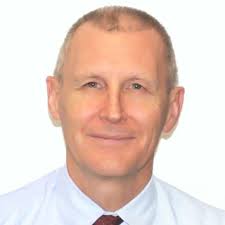
Top Arson Investigation Professors

The job of an arson investigator is essential when it comes to determining the cause of any suspicious fire. Arson investigators may work for fire departments, law enforcement agencies, or even insurance companies. While most training was once done “on the job” the tides have since shifted towards more formal, academic training in investigative procedures and fire science.

www.forensicscolleges.com has created this list of the top arson investigation professors in the U.S., each of whom have proven themselves as talented investigators and educators. The majority of these professors have decades of experience working in fire management and investigation, in addition to extensive work with training and teaching. Keep reading for more information about these respected professors.

Gregory Gorbett

Eastern Kentucky University

Gregory Gorbett works as an instructor in the fire degree program at Eastern Kentucky University. Having worked as both a firefighter and a fire and explosion analyst, he is well versed in the fieldwork necessary to become a successful fire investigator. Gorbett also has extensive academic credentials with two Bachelor of Science degrees, in Fire Science and Forensic Science, as well as two Master of Science degrees in Fire Protection Engineering and Executive Fire Management. In 2006, Gorbett was the recipient of the John Charles Wilson Scholarship from the International Association of Arson Investigators, a testament to his dedication to the field of arson investigation.

Bruce Varga

University of New Haven

Having worked for more than 25 years as fire inspector in Milford, Connecticut, Bruce Varga has transitioned into his role as an educator. He now works as a lecturer at the University of New Haven, specializing in arson investigation technique. With a Master of Science degree in Fire Science from UNH, Varga helped to create a state-of-the-art fire investigation lab where students can safely practice fire investigation and observe fire devastation.

Samuel Giordano

Harper College

As an Illinois Certified Fire Officer and Training Program Manager, Samuel Giordano brings a great deal of real world experience into the classroom as a professor at Harper College. Giordano is the coordinator of Harper College’s Fire Science and Emergency Management Program in addition to teaching within that school. He has spent over the three decades he has spent in the fire science field, including a Bachelor of Science in Firefighter Occupational Safety and Health and a Master of Science in Public Administration. During that time Giordano has also earned a number of certifications from the Office of the Illinois State Fire Marshal, including Fir Instructor III and Fire-Arson Investigation.

Kathy A. Notarianni

Worcester Polytechnic Institute

Dr. Kathy Notarianni is the head of the Fire Protection Engineering department at Worcester Polytechnic Institute in Worcester, Massachusetts. She received a Maser of Science degree in addition to her PhD from Carnegie Mellon University. As the department head, Dr. Notarianni oversees all fire protection engineering courses, including fire investigation courses with the goal of improving firefight response times and overall public safety.

Steven Bardwell

Columbia Southern University

Steven Bardwell has nearly 30 years of experience in fire management and emergency services along with a Bachelor of Science degree in Fire Administration, and Master of Science degree in Executive Fire Leadership. Bardwell currently utilizes this range of experience and education as a professor at Columbia Southern University along with his service as Instructor Chief at the Mississippi State Fire Academy. Bardwell is additionally a member in good standing with the National Society of Executive Fire Officers, the Mississippi Fire Chiefs Association, and the Mississippi Fire Fighters Association.

Lawrence T. Bennett

University of Cincinnatti

Lawrence Bennett is the program chair of the Fire Science and Emergency Management department at the University of Cincinnati. With a Bachelor of Arts degree from American University and a Juris Doctor from the Washington College of Law, he came to fire education in a less traditional manner. Still, Bennett teaches important fire investigation techniques, often focused on terrorism and of course the legal ramifications and considerations of fire management. Bennett is also a member of the National Fire Protection Association, the International Association of Fire Chiefs, and the National Fire Academy. He writes a Fire & EMS and Safety Law newsletter, which are archived on the school’s online library. A January 2014 version of this newsletter even references a specific arson/insurance fraud case.

Dean Martin

University of Missouri-Columbia

Dean Martin works as the Industrial and Specialized Training Coordinator at the University of Missouri – Columbia. In this position he oversees the Fire Cause Determination Training Program, among other courses. A seasoned firefighter who responded to the World Trade Center attacks on September 11, Martin now uses his skills in first response and fire management to teach. He is a certified fire investigator as well as a licensed paramedic, making his hands on skills invaluable to his students.

Harvie Cheshire, TEEX
Harvie Cheshire

Texas A&M Engineering Extension Services

Harvie Cheshire is the Training Manager for the Texas A&M Engineering Extension Service – Emergency Services Training Institute (TEEX ESTI). He assists in conducting the Fire and Arson Investigation Certification program at Brayton Fire training Field and Texas A&M University in College Station, Texas. He also teaches Arson Investigation for the Department of Forensics and Entomology at Texas A&M and assists in coordination of Arson Investigation programs across the State of Texas within TEEX’s Extension Division and serve on the Texas Commission on Fire Protection AD HOC committee for Fire and Arson Investigation Certification.

He is a graduate of the Executive Fire Officer’s program through the U.S. Fire Administration’s National Fire Academy as well as the Texas A&M Engineering Extension Service, Texas A&M University Fire Service Chief Executive Officer Program. He has thus far been able to use the knowledge gained in this training as well as in his extensive experience in fire service to develop and execute fire investigation training for a large portion of Texas firefighters.

Michael D. Larranaga

Oklahoma State University

Dr. Michael Larranaga is a professor as well as the department head of the US Department of Homeland Security Scholars Program at Oklahoma State University. He himself is a graduate of the OSU Fire Protection and Safety Technology program, where he earned a Bachelor of Science degree, and then moved on to earn a Master of Science in Environmental Science from the University of Houston and a PhD in Industrial Engineering from Texas Tech University. He is also a graduate of the Center for Homeland Defense and Security at the Naval Postgraduate School.

Noah Ryder

University of Maryland

Noah Ryder is a highly educated engineer with both a Bachelor of Science and Master of Science degree in Fire Protection Engineering. He currently works as a Lecturer and Visiting Research Associate in the Department of Fire Protection Engineering at the University of Maryland. He employs his real world experience with is academic knowledge to teach students about fire and explosion investigation and reconstruction techniques. He is also dedicated to work in the private sector of fire and risk analysis.

Kevin May

Kilgore College

Kevin May is a Fire Prevention Officer in the Longview Fire Department in Longview, Texas. He is currently using his experience in that position as well as his education to teach Advanced Fire Investigation at Kilgore College. His hands on experience gives him an advantageous perspective and offers his students a chance to learn about the real world implications of fire and arson investigation.

Frank Noonan

Worcester Polytechnic Institute

Dr. Frank Noonan is an associate professor in the Fire Protection Engineering Department at Worcester Polytechnic Institute. He has Bachelor and Master of Science Degrees in addition to a PhD from the University of Massachusetts at Amherst. Dr. Noonan has published numerous academic studies about fire safety and risk management, making him well qualified to impart the specifics of fire and arson investigation to his students.

Methodology


Specific criteria were considered in the creation of this list. While arson investigation is hardly a new field in and of itself, it has only been within the last decade that many formal educational settings have been created for this particular field of study. Up until this time, most arson investigators learned “on the job” in mentorship-like scenarios.

1. Reputable Fire Science Program

New developments in arson investigation have meant more academic programs in fire science, which often include courses in fire investigation. In order to find the top arson investigators in the U.S., it was necessary to look to these (sometimes fledgling) programs and also to some local training facilities. The top professors tend to work and teach in the top arson investigation programs.

2. Field Experience

The top arson investigation professors are also those that have not only classroom experience, but also hands on experience investigating fires and/or explosions. In fact, many of the professors on this list have worked in city fire departments and other fire response positions for decades. Where possible, professors were chose who are also department heads or otherwise involved in the creation of fire education curriculum.

3. Arson Investigation Research

Priority was also given to professors who have contributed to research in the field of arson investigation, as well as to those who have been awarded for their dedication to the field. Finally, every attempt was made to include those professors and investigators who have worked to elevate the job of arson investigator to one that is science and fact-based.

Willow Dawn Becker

Writer

Willow is a blogger, parent, former educator and regular contributor to www.forensicscolleges.com/. When she's not writing about forensic science, you'll find her blogging about education online, or enjoying the beauty of Oregon.
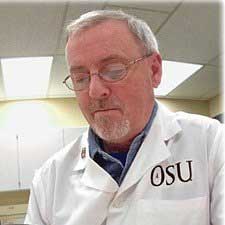
Top CSI Professors

Crime scene investigators have an impact out in the field, but also in the lab and even in the courtroom, providing testimony or expert opinion. The crime scene investigator (CSI) professors on our list of top come from a variety of backgrounds with many, but not all, having extensive service in law enforcement or for a police agency. Others have had interesting careers or experiences—with two on our list, yes, even being involved with underwater crime scene investigation. Who would have through a CSI career could take you there? Others have developed their own niche areas of interest or expertise.

Of course, it’s hard to sum up a lifetime of experience in a short bio, but a look at our list of top CSI professors can help you to decide if a CSI career, or even a specific school or program, could be right for you.

Ronald Becker

Chaminade University

Program director of the Criminal Justice and Criminology program at Chaminade University in Honolulu, Ronald Becker was previously a criminal investigator for a sheriff’s department in Montana. He also has his Juris Doctorate, practiced law for nearly a decade at a Texas firm, and has written numerous articles and several textbooks on crime science investigation. This includes the “Criminal Investigation Laboratory Manual” and “Underwater Forensic Investigation.” He even founded the Annual Public Safety Diver Seminar and Competition sponsored by the Texas State University Underwater Institute. He belongs to organizations that include the Association of Criminal Justice Sciences, the National Academy of Police Divers and the Federal Bar Association.

Dr. John R. Cencich

California University of Pennsylvania

A senior member of the Department of Justice, Law and Society at California University of Pennsylvania, in Calif., Penn., Dr. John R. Cencich led the investigation into Slobodan Milosevic’s reported war crimes in Croatia and served on the International Criminal Tribunal for the Former Yugoslavia for four years. He has more than 20 years experience as a police officer and investigator, also working as a U.S. Air Force Office of Special Investigations special agent. Additionally, he worked as a special attachment to Scotland Yard’s Central Vice Unit, and has received more than 50 honors during his career. He received his Doctorate of Juridicial Science from Notre Dame University.

Dr. Marilyn Miller

Virginia Commonwealth University

An undergraduate and graduate-level instructor at Virginia Commonwealth University, Dr. Marilyn Miller teaches crime scene investigation and forensic science classes. She has worked in law enforcement agencies in Florida, North Carolina and Pennsylvania , and testified more than 400 times as an expert witness in crime scene investigation and the forensic sciences. She’s worked either as an active investigator or crime scene consultant in hundreds of cases, and also is a Fellow in the Criminalistics section of the American Academy of Forensic Science. While at VCU, she’s presented real cases that she has worked on, including how she created reconstructions, to the school’s Forensic Science Student Club.

Timothy Scanlan

Loyola University

An adjunct professor with Loyola University in New Orleans, Timothy Scanlan is also the captain of the Jefferson Parish Sheriff’s Office. He is qualified to testify as an expert witness in areas such as bloodstain pattern analysis, trace evidence analysis and firearms and toolmark examination and has testified in many different criminal trials. At the university, he teaches Criminalistics I- Crime Scene and Introduction to Forensic Science. He also acts as a guest lecturer and has presented research for organizations such as for the International Association for Identification, the American Academy of Forensic Sciences and the Louisiana Association of Forensic Sciences. He is currently working on a doctoral degree in Public Administration with a specialization in Homeland Security Police and Coordination.

Thomas Mauriello

University of Maryland

Thomas Mauriello is a lecturer and lab instructor at the University of Maryland and also author of the book “The Dollhouse Murders,” which depicts the importance of crime scene investigation. He has been featured on television in shows such as “Forensics: You Decide” and “The Lizzie Borden Murders” and has appeared on news channels including ABC, CBS and FOX. He served for more than 30 years with the Department of Defense in many different roles including special agent, and is a member of organizations including the International Association for Identification, the American Academy of Forensic Sciences, and the Maryland Polygraph Association.

Dr. James Huggins
Jim Huggins

Baylor University

A forensics science lecturer at Baylor University in Waco, Texas, Jim Huggins previously worked as a Texas Ranger and for the Department of Public Safety for nearly 30 years. He teaches classes that include Crime Scene Investigation, Impression Evidence, Bloodstain Pattern Analysis, Trace Evidence, and others. He does workshops and lecturers, acts as an expert witness in criminal cases, and holds various certifications including as Hostage Negotiator, Forensic Hypnotist, and Forensic Polygraph Examiner. In 2012, he and another professor took students to the southern U.S. border to help exhume the bodies of illegal border crossers to extract their DNA and to help to try to identify them to bring closure to families. In addition to crime scene reconstruction, his other research interests include bloodstain pattern analysis, and shooting incident reconstruction.

Ricky Langlois

Florida Atlantic University

Previously a federal law enforcement officer with a career spanning 24 years, Ricky Langlois teaches undergraduate students at Florida Atlantic University. He served as a special agent in charge of field offices that included Atlanta, Jacksonville, and Miami. He particularly emphasizes that students gain a solid foundation in needed law enforcement skills and procedures. Courses that he has taught include Policing in America and Homeland Security and Terrorism, and he even served as an underwater crime scene investigator along U.S. Eastern seaports as part of the Department of Homeland Security’s Blue Lightning dive team.

Peter Massey

University of New Haven

Peter Massey is a lecturer at the Henry C. Lee College of Criminal Justice and Forensic Sciences at the University of New Haven. He has an extensive professional career including working as a police officer with the Hamden Department of Police Services in Connecticut, rising in the ranks and receiving many commendations while there. His work involved the investigation of crime scenes ranging from assaults to robberies to suspicious deaths. He retired after 20 years of service to become the Training Coordinator for the National Crime Scene Training and Technology Center at the Henry C. Lee Institute of Forensic Science. He is a member of several professional organizations, has traveled extensively to give talks, and acts as an expert witness. He is currently working on a doctoral degree.

Kim Duddy

University of Louisville

Kim Duddy works with the Southern Police Institute at the University of Louisville teaching law enforcement professionals about homicide investigations. She worked for the Washington State Patrol Seattle Crime Laboratory for more than 20 years, gaining expertise in bloodstain pattern analysis, crime scene reconstruction, and shooting incident reconstruction. She is certified as a senior crime analyst through the International Association for Identification and has been president twice for the Association for Crime Scene Reconstruction. She is qualified as an expert witness in many areas including crime scene reconstruction and provides training and workshops to law enforcement agencies and medical examiners’ offices.

Dr. Ron Thrasher
Dr. Ron Thrasher

Oklahoma State University

Dr. Ron Thrasher is a professor at the Stillwater campus of Oklahoma State University who retired as the Deputy Chief of Police for the Stillwater Police Department. With more than 33 years of police department service, he has extensive experience in crime scene investigation and expertise in the behavioral analysis of violent crime scenes as well as offender profiling, and other related fields. He’s been published many different times and presented at conferences at the community, state and national levels. He received his doctoral degree, master’s degree and bachelor’s degree from OSU.

Methodology

The following criteria were used in compiling this list of Top CSI Professors. Not all criteria below applied to each and every professor, but many of the listed professors have:

  1. Extensive law enforcement or police agency experience:Many of these professors have become involved in research or projects that have looked at new approaches in information assurance or protecting privacy on the Internet.
  2. A graduate-level education:Many of these instructors have obtained a master’s degree in criminal justice, forensics sciences, or a related field. Some have even obtained a doctoral or advanced graduate degree. Many show a keen interest in further education and training, some have even been published, and at least two instructors on this list are currently working on a doctoral-level program..
  3. Workshop and training experience:Many professors on this list have provided training or workshops in their niche fields to police forces, law enforcement agencies, or similar groups, allowing for their knowledge and experience to be shared. The desire to pass on their learned experiences has led some of the instructors on this list into the profession of college-level teaching.

Willow Dawn Becker

Writer

Willow is a blogger, parent, former educator and regular contributor to www.forensicscolleges.com/. When she's not writing about forensic science, you'll find her blogging about education online, or enjoying the beauty of Oregon.
Top Cybersecurity Professors

Cybersecurity may seem like a sophisticated concept, and indeed takes on many forms. This can include strategies for protecting identities and private information on the web as well as making the transference of information more secure on e-commerce sites. Our list of Top Cybersecurity Professors includes those teaching and researching in the field or doing both. All of these professors have received their doctoral degrees, and many are recipients of countless awards and recognitions as well as grant funding. Others have launched very specific projects to help grow skills in students to help them be successful in this expanding field. As this list shows, there are no lack of experts and areas of interest when it comes to the subject of cybersecurity.

Dr. Wenjing Lou

Virginia Tech

Dr. Wenjing Lou joined the Computer Science department at Virginia Tech as an associate professor in 2011. Her cybersecurity research interests include cyber physical systems, security and privacy in cloud computing, and wireless network security. She serves on the editorial boards for five journals, including IEEE Transactions on Wireless Communications, and helped co-found the school’s Complex Networks and Security Research (CNSR) Laboratory. She’s been published many different times and received countless grants including one from the National Science Foundation for $225,000 that looks at user privacy in outsourced cloud data services. She’s been a senior member of IEEE since 2006, has won awards for best papers, and received her Ph.D. in Electrical and Computer Engineering from the University of Florida.

Dr. Josh Pauli

Dakota State University

As an associate professor at Dakota State University, Dr. Josh Pauli has been published in peer-reviewed journals and presented papers at events such as the International Conference on Information Technology, as well as the International Conference on e-Learning, e-Business, and Enterprise Information Systems. He’s received multiple grants, including $100,000 in August 2013 from the National Science Foundation for his “CyberSTARS Summer Camp for 10-12 graders.” In October, he was a panelist at a Better Business Bureau event called “Cyber Security Reality Check: What you need to know,” where he discussed cybersecurity programs available through the school and cybersecurity attacks that the business community should be on the watch for. Of note, he is employed at one of the few schools in the nation that has been selected by the National Security Agency for a Center of Academic Excellence in Cyber Operations.

Dr. Frederick Chang

Southern Methodist University

As the new Centennial Distinguished Chair in Cybersecurity at Southern Methodist University in Dallas, Dr. Frederick Chang brings a diverse background to the school gained through experience in business, academia, and the government. He plans to aggressively work to ensure that SMU students are receiving the needed education to help close the skills gap that exists in the cybersecurity field, and to collaborate with colleagues in areas related to information assurance, defending and protecting critical systems, and insider threats. He has held many key positions previously, including as director of research for the National Security Agency from 2005 to 2006. And, in fact, he received the NSA Director’s Distinguished Service Medal. He has also served on the Commission on Cybersecurity for President Barack Obama and recently testified before a U.S. Congressional Committee about his concerns over lack of privacy on the federal government’s healthcare.gov website.

Dr. Richard Forno

University of Maryland Baltimore County

Dr. Richard Forno is director of the graduate cybersecurity program at the University of Maryland Baltimore County. His 20-years of experience in the field was garnered through government, military and private-sector service. He frequently comments about the impact of information technology upon society as well as the concept of ‘information warfare,’ and his research interests include cybersecurity operations, information age conflict, and risk communication. He helped to build the initial cybersecurity program for use by the U.S. House of Representatives, and has been involved with two research projects to promote information assurance and cybersecurity careers and education to students. As well, he obtained his doctoral degree in Internet Studies from Australia’s Curtin University of Technology.

Dr. Bhavani Thuraisingham

University of Texas at Dallas

Dr. Bhavani Thuraisingham is the executive director of the Cyber Security Research and Education Center at the University of Texas at Dallas, and also a distinguished professor within the university’s Department of Computer Science. She teaches courses in subjects such as Biometrics, Data and Applications Security, Digital Forensics, and Secure Cloud Computing and Information Systems Security. Her research has been published in various IEEE journals, and she has obtained several patents. She has worked professionally in the past for groups such as Honeywell, the MITRE Corporation and the National Science Foundation. She is a fellow of the American Association for the Advancement of Science, IEEE, and the British Computer Society, as well as a Distinguished Scientist with the Association for Computing Machinery.

Dr. Xinming Ou

Kansas State University

Dr. Xinming Ou is an associate professor of computing and information sciences at Kansas State University’s College of Engineering. He obtained his doctoral degree in 2005 from Princeton University and has taught classes that include Applied Cryptography, Computer and Information Security, and Cyber Defense Basics. His research interests are in computer and information security, and he’s received several recognitions including the National Science Foundation’s Early Career Development award in 2010. As well, Dr. Ou has received more than a dozen grants with funding coming in at above $1 million in total. He has also been published and served as a reviewer for conferences and journals.

Dr. Boris S. Verkhovsky

New Jersey Institute of Technology

Having various roles at the New Jersey Institute of Technology, Dr. Boris S. Verkhovsky is the director of the school’s Cryptography and Telecommunication Laboratory, as well as a professor of computer science. He’s had multiple academic papers published in the likes of the Journal of Information Assurance and Security, and Advances in Computer Cybernetics, as well as for conferences including the International Conference on Information Technology. His research interests fall into cryptoanalysis and enhancement of cryptoimmunity, as well as many other topics related to the computer science field. He’s been a member and vice president of the European Academy of Sciences, and has received many different awards, including for Outstanding Contribution to NJIT’s McNair Achievement Program.

Dr. Hsinchun Chen

University of Arizona

Dr. Hsinchun Chen, Regents’ Professor and Thomas R. Brown Chair Professor at the Artificial Intelligence Laboratory at University of Arizona, recently obtained $5.4 million in grants for the university from the National Science Foundation. The first project, called AZSecure, has been funded through 2018 for $4.2 million and will help support approximately 40 undergraduate, graduate, and doctoral students. The other, funded for $1.2 million through 2016, looks at cyber attacks via use of social media analytics. He teaches courses such as Data and Web Mining, and Biomedical and Security Informatics. Dr. Chen has been published many different times, is a fellow in both with the American Association for the Advancement of Science and the Institute of Electrical and Electronics Engineers, and received his doctoral degree in information systems from New York University.

Dr. Angelos Stavrou

George Mason University

A recent recipient of the 2012 George Mason University Emerging Researcher award, Dr. Angelos Stavrou is an associate professor in the university’s computer science department and teaches courses within the schools’ cybersecurity program. Indeed, he is the program director for the university’s Master’s in Information Security and Assurance. He has expertise in areas such as intrusion detection system, privacy and anonymity, and security and reliability for distributed systems. His name, as well as several others’, is listed on five different patents, and he has had various articles and conference papers published. He received his doctoral degree in computer science, with distinction, from Columbia University, and has been a senior member of the Institute of Electrical and Electronics Engineers since 2012.

Dr. Jonathan Katz

University of Maryland

Dr. Jonathan Katz, a professor in the University of Maryland’s Department of Computer Science was recently named director of the Maryland Cybersecurity Center, which works with government and industry to provide the educational programs needed to create an effective cybersecurity workface. He’s been employed as a security consultant and research scientist in private industry in the past, and has received countless research grants. He’s also served on the editorial board for several different publications, including, most recently, the Journal of Computer and System Sciences, and has had countless journal articles and several book chapters published. He also co-authored the 2007 book, “Introduction to Modern Cryptography.”

Dr. Ruby Lee

Princeton University

Dr. Ruby Lee is a professor of electrical engineering at Princeton University and director of the Princeton Architecture Lab for Multimedia and Security. She teaches both undergraduate and graduate level courses, including a bachelor’s-degree level Cybersecurity course. Before joining Princeton in 1998, she was the chief architect for Hewlett-Packard and responsible for different areas that included multimedia architecture, processor architecture and security architecture for e-commerce and extended enterprises. She is the associate editor-in-chief for IEEE Micro and serves on the editorial board for IEEE Security and Privacy. Dr. Lee has received more than 115 U.S. and international patents, and has more in the pending stages. Her doctoral degree and master’s degree in electrical engineering were both completed at Stanford University.

Dr. Eugene Spafford

Purdue University

Dr. Eugene Spafford, a professor of computer science at Purdue University, in Indiana, was inducted into the National Cyber Security Hall of Fame in October 2013. He founded the Center for Education and Research in Information Assurance and Security, otherwise, know as CERIAS, and has research interests that include computer and network security, cybercrime and ethics, and others. He is a distinguished fellow of the Information Systems Security Association and has been named a fellow in many other organizations including the American Association for the Advancement of Science. He also recently received the Harold F. Tipton Lifetime Achievement Award, which is given to those making significant contributions in the information security field

Dr. William Robertson

Northeastern University

An associate professor at Northeastern University, Dr. William Robertson is affiliated both with the College of Computer and Information Science and The College of Engineering. His interests include anomaly detection, program analysis, security of electronic voting, and Web security. He’s had many conference papers published and articles that have been included in the Journal of Computer Security and Journal of Computer Networks. He also co-directs the university’s Systems Security Lab with a colleague, and co-chairs the USENIX Workshop on Offensive Technologies. He previously co-founded WebWise Security, Inc., where he was involved with creating a high-speed Web-application firewall.

Dr. Shafi Goldwasser

Massachusetts Institute of Technology

Dr. Shafi Goldwasser is a professor of computer science and engineering at the Massachusetts Institute of Technology, and a co-leader of the school’s cryptography and information security group. In March of 2013, she received a $250,000 Turing Award from the Association for Computing Machinery along with another MIT professor for advancements made in the science of cryptography. She was also made a fellow with the Massachusetts Academy of Science in 2013. She’s received many additional honors and awards including the IEEE Emanuel R. Piore Award in 2011. She’s co-authored papers that have been published in the likes of the Journal of Computer Science and Systems, and Journal of the ACM, and has received five grants funded from the National Science Foundation since 2004. The most recent, which ended in August of 2013, was entitled “Trustworthy Computing: Securing Programs and Data In Remote and Hostile Environments.”

Dr. Alexander Barg

www.umd.edu

Dr. Alexander Barg, an adjunct professor with the University of Maryland’s Department of Computer Science and a professor in its Department of Electrical and Computer Engineering with a joint appointment at the Institute for Systems Research, has cybersecurity interests in anti-collusion fingerprinting and information-theoretic security. He’s taught graduate-level classes such as Error Correcting Codes, Cryptography, Network Coding, and Information Theory, and attended and participated in a wide variety of conferences. He’s been published many different times and given talks on his interests in locations as far away as Seoul. He received his doctoral degree in electrical engineering from the Institute for Problems in Information Transmission (IPPI) of the Russian Academy of Sciences, Moscow.

Methodology

The following criteria were used in compiling this list of Top Cybersecurity Professors. Not all criteria below applied to each and every professor, but many of the listed professors may have:

  1. Undertaken in-depth research:Many of these professors have become involved in research or projects that have looked at new approaches in information assurance or protecting privacy on the Internet.
  2. Brought in grant funding:Many of these professors have received grant funding for their research, often coming through National Science Foundation grants or other granting institutions.
  3. Been published:Many of these professors have co-authored academic articles about cybersecurity, with many being published in IEEE journals.
  4. Sought advanced education:All of the professors on this list have received doctoral-level degrees, and have strongly-grounded computer science knowledge.

Willow Dawn Becker

Writer

Willow is a blogger, parent, former educator and regular contributor to www.forensicscolleges.com/. When she's not writing about forensic science, you'll find her blogging about education online, or enjoying the beauty of Oregon.
Ralph Ristenbatt: Forensic Science Career Profile

Ralph Ristenbatt III is not sure why he made the same Top Forensic Science Professors list as the renowned criminologist Dr. Henry Lee, but that doesn’t mean his experience in the field should be discounted – especially to students interested in a career in forensic science. After all, not everyone spends 16 and 1/2 years working for the Office of Chief Medical Examiner (OCME) in New York City, first doing forensic analysis in a forensic biology laboratory and then later heading up the OCME’s three-person Forensic Analysis and Reconstruction Unit (FARU). For Ristenbatt, this experience was a dream job.

“I felt like a professional baseball player. You’re out having fun and getting paid to play.”

In fact, he may have been so pumped for a career that he was able to line up a job with the Medical Examiner’s Office approximately nine months in advance of graduation. That’s because he was still finishing his Master’s of Science degree in Forensic Science (which focused primarily on criminalistics then) at John Jay College in New York City. There were some doubts, however, that he would be able to complete his master’s degree program due to concerns about working full-time while finishing his thesis. But he did. And in September 1990, he started with the Medical Examiner’s Office in New York City. At the time pay for the job, around $30,000, was considerably low for work in the city.

“It never really bothered me because I enjoyed my career so much.”

Initially, he began work as a forensic analyst and then became a forensic scientist, and his civil service title changed once more over the years. He had been primarily analyzing blood and semen removed from homicide and sexual assault crime scenes, but eventually began getting out in the field more and increasing his experience with crime scene reconstruction.

Supporting the need to have a formal forensic analysis and reconstruction unit was his director Robert Shaler, who officially established a team in January of 2000. Initially called MESATT (Medical Examiner Scientific Assessment and Training Team), the reconstruction unit handled forensic analysis and crime scene reconstruction requests that came from the Medical Examiner’s Office itself, District Attorney’s offices in the five boroughs, and even the New York Police Department.

“We never turned any case down,” he said.

Working on the FARU team

The team was composed of three senior level staff members, including Ristenbatt, who brought in additional scientists and lab personnel as needed for help in crime scene reconstruction cases.

“Reconstruction is an exciting and interesting area,” he said. “Did we every fully reconstruct things? No. No one ever fully reconstructs an incident.”

But they did their best. Usually, their cases involved extensive field and laboratory analysis followed by report writing. Sometimes FARU members might have to testify in court. Other cases required just a quick phone call or a consultation. Much of the work required extensive investigation and time, up to weeks or months. And the case load could be related to anything — homicide, vehicular homicide (like hit-and-run), suspicious death, physical assault and sexual assault.

“Almost anything,” he said. “It varied quite a bit.”

The team was handling approximately 25 to 30 cases a year. It was a significant amount of work for a team that delved so deeply into the scientific aspects of investigation. Both lab work and field work were crucial to the process.

“Each case was different.”

By this point, he was commuting into the city from Pennsylvania on a daily basis, arriving at about 6 a.m. to start his day and generally finishing by 2 p.m. However, urgent calls to respond to a scene or to take on a new case sometimes flipped his day on its heels or made for more time in the city than anticipated. It didn’t bother Ristenbatt.

And then things changed. Robert Shaler left the director position at the Medical Examiner’s Office for a teaching job at Penn State University, in fact, founding its forensic science program in 2005.
Ristenbatt saw this as writing on the wall.
“I realized that it would be a matter of time before it (FARU) came to a grinding halt,” he said.

And Shaler had been more than just a driving force behind FARU. In earlier days, he had transformed the serology lab (meaning related to blood and bodily fluids) at the Medical Examiner’s Office into a full-fledged forensic DNA laboratory.
“He wasn’t just a forensic DNA person,” Ristenbatt said. “He was a good general criminalist.”

It may also be worth noting that Ristenbatt was a responder in the Sept. 11, 2001 tragedy in New York City. Ristenbatt and his team arrived on scene and were across the street from the South Tower as it began to fall. One of his team members was hospitalized for about a month afterward. However, it was Shaler who wrote a book about the follow-up work in identifying human remains, which was called “Who They Were: Inside the World Trade Center DNA Story: The Unprecedented Effort to Identify the Missing.”

“He’s the kind of guy who should be interviewed. I’m totally out of place on the list … I’m flattered, but there are more people out there who have made far more significant contributions to the field.”

Full Circle: Back at School

In fact, he says the FARU team at the Medical Examiner’s Office no longer exists, and he heard that the team members had been laid off – all because the focus on providing good, objective science had been lost.

He’s been at Penn State now since the fall of 2006, instructing both undergraduate and graduate students in courses such as Scientific Approach to Crime Scene Investigation, and Criminalistics: Trace and Impression Evidence, two of his favorites to teach.

Over the course of his career, he has compiled an extensive list of credentials. This includes certification as a diplomate with the American Board of Criminalistics and as a senior crime analyst with the International Association for Identification. He’s also been an adjunct lecturer at John Jay College and has led a wide range of bloodstain pattern workshops for professionals in related fields.

His suggestion to students interested in a career in forensic science is that they obtain a strong foundation in the sciences.

Make sure you get a rigorous scientific education,” he said. “That’s absolutely important.”

He obtained his own Bachelor’s of Science degree in Biochemistry, in fact.
“Sometimes students don’t know what they want to do and find out later,” he said. “I was always more chemistry minded and I never suspected that I would end up in a biology laboratory. That’s what happened in New York, but I had the education to go either way.”

He also knows that an education can be important in other ways. In fact, he remembers the tour he took of the Pennsylvania State Police forensic lab in Harrisburg, Pa., during a class in his senior year in college. It may have been a pivotal career moment.

“I found it fascinating. It seemed like it was an exciting career possibility and something that I could do with my degree that was not routine.”

Willow Dawn Becker

Writer

Willow is a blogger, parent, former educator and regular contributor to www.forensicscolleges.com/. When she's not writing about forensic science, you'll find her blogging about education online, or enjoying the beauty of Oregon.
Top DNA Analysis Professors

DNA analysts look at the bodily fluids, blood and hair follicles found at a crime scene with the purpose of trying to connect these pieces of evidence back to a suspect. Generally, they work in crime labs and have an education founded in genetics, forensic science, molecular biology or a similar field. Of course, not all DNA analysts work on crime scene materials, with some being interested in what DNA analysis tells about genomes, mutations, the likelihood of becoming pregnant, or even about the believed DNA sequencing for Bigfoot. As professors experienced in DNA analysis know, DNA outcomes do not always paint as clear a picture as envisioned. Yet, DNA analysis can clearly be a scientific path for connecting a suspect to a crime. The list of Top DNA Analyst Professors below includes authoritative experts in the field. Many have been published, received awards, or are advocating for ever increased usages and purposes of DNA analysis.

Bruce McCord
Dr. Bruce McCord

Florida International University

A professor of analytical and forensic chemistry at Florida International University, Dr. Bruce McCord received a $349,000 grant at the end of 2012 to speed up the way that DNA from rape kits are processed. The Sun Sentinel reported that nationally 180,000 kits were in need of processing as of last year. Typically, the sperm and vaginal fluids in these kits need to be separated before the male DNA can be analyzed, but Dr. McCord’s method would allow for the identification of the male DNA without the separation taking place. The grant came from the U.S. Department of Justice, but other research that Dr. McCord has done has received support from the Department of Homeland Security and the National Science Foundation.

Dr. Dan Krane

Wright University

From writer workshops to founding a company, Dr. Dan Krane of Wright University in Ohio certainly keeps things stirred up. In Oct. 2013, he was a keynote speaker at a Writers Police Academy in North Carolina to which writers flocked to learn more about law enforcement and forensic techniques. He also started a company, Forensic Bioinformatics, back in 2002, to review the DNA results presented in legal cases and has run that ever since. In fact, Krane, a professor in the school’s department of biological sciences, acted as part of the ‘dream team’ at the O.J. Simpson trial.

Dr. James Landers

University of Virginia

Dr. James Landers and a team of researchers associated with the University of Virginia have created a portable DNA analysis unit that could lead to DNA results being available within minutes instead of days, according to UVa Today. They have teamed up with Lockheed Martin, which is expected to produce and make the units available to select clients beginning in May 2014. The unit uses ‘lab-on-a-chip’ technology, which essentially is a full-service lab miniaturized onto a small portable device. No wonder that Landers is both a professor of chemistry and engineering and an associate professor in pathology at the school.

Dr. Robin Cotton

Boston University

Dr. Robin Cotton, an associate professor at Boston University and the director of its Biomedical Forensic Sciences program, has testified as a DNA analysis expert in approximately 200 criminal cases. Her current research work focuses on the amplification of low copy number DNA, and she also recently received a training grant from the National Institute of Justice. She teaches courses in forensic DNA analysis and advanced DNA analysis, and, prior to joining the university, worked at Cellmark Diagnostics, also serving as its director from 1994 to 2006.

Dr. J. Thomas McClintock

Liberty University

Dr. J. Thomas McClintock is a professor of biology at Liberty University in Virginia, as well as a forensic DNA analyst, forensic entomologist, and molecular biologist. To assist in criminal and paternity cases, he founded DNA Diagnostics, Inc. back in 1993, providing expert DNA advice in more than 200 cases. Additionally, he has given numerous training seminars and workshops to investigators, law enforcement officials and police about DNA evidence handling and analysis, court room DNA evidence presentation, and more.

Dr. Frederic Zenhausern

University of Arizona

Dr. Frederic Zenhausern is a professor and the director of the Center for Applied Nanobioscience and Medicine at the University of Arizona. In October of this year, he gave a presentation at the Arizona Science Center about the creation of his Mutation Identification DNA Analysis System, MIDAS, which is a portable DNA analyzer that can be taken to crime scenes. The mass production of MIDAS could result in a quicker turnaround of DNA analysis, important given that suspects are released 48 hours following arrest if there is no evidence to detain them. He has co-authored 70-plus academic articles and has his name on more than a dozen U.S. patents.

Dr. Richard Mathies

University of California, Berkeley

Dr. Richard Mathies is a professor of chemistry at the University of California, Berkeley, whose work on the Human Genome Project has led to the creation of new high-speed DNA analysis technologies. This includes energy transfer fluorescent dye labels that can be used for DNA analysis and sequencing. Dr. Mathies, who obtained his PhD from Cornell University, also co-founded the university’s Center for Analytical Biotechnology.

Dr. Hisham Ragab
Dr. Hisham Ragab

University of Toronto, Mississauga

Dr. Hisham Ragab is a professor at the University of Toronto, Mississauga’s forensic science program. In the early 1990s, he studied under DNA expert Dr. Henry Lee, who later recommended him to lead the opening the first DNA laboratory in the United Arab Emirates, which he built up to an eventual staff of 22. Now, at the University of Toronto, he brings a practical approach to the classroom, making sure that guest speakers are a part of instruction, and that students understand the kinds of problems they could encounter in casework, such as evidence contamination and DNA degradation.

Dr. Art Eisenberg
Dr. Art Eisenberg

University of North Texas

Dr. Art Eisenberg is a professor at the University of North Texas Health Science center and chairman of the Department of Forensic and Investigative Genetics. He is also co-director of the university’s Center for Human Identification, which established the Texas Missing Persons DNA Database. His lab has received funding from the National Institute of Justice to conduct DNA analysis on unidentified human remains and potentially connect them to missing people throughout the U.S. He has also served on the U.S DNA Advisory Board, and the Department of Justice Missing Persons Task Force.

Dr. Kateryna Makova

Penn State University

As a professor of biology at Penn State University, Dr. Kateryna Makova has interests in bioinformatics, evolutionary genomics, human genetics, and molecular evolution. Along with two other professors, she helped launch Galaxy, a web-based, open-source platform that allows professors interested in DNA sequencing and analysis to find useful software tools on the cloud. She also runs the Makova Lab at Penn State, which primarily focuses on genome evolution as related to mutations.

Dr. Lawrence Kobilinksy

John Jay College

Well-known for his skills in DNA analysis and forensic science, Dr. Lawrence Kobilinksy is chairman of the science department at John Jay College in New York. His particular research relates to using the latest technologies to link physiological fluids and tissues to potential suspects at crime scenes. He has acted in an advisor capacity to crime scene laboratories set up in Brazil, China, the Dominican Republic and Mexico. Among the awards that he has won, is the “Medal of the City of Mogi das Cruzes” from Brazil for his efforts in setting up a forensic science lab in the city’s rape crisis center. He is also editor of the “Inside Forensic Science” series.

Dr. Lawrence Quarino

Cedar Crest College

Dr. Lawrence Quarino is the director of the forensic science program at Cedar Crest College in Pennsylvania. His professional experience includes employment as a forensic scientist with the New Jersey State Police and as a supervising forensic scientist with New York City’s Office of the Chief Medical Examiner. He worked as a molecular biology consultant for the World Trade Center Identification Project, has taught classes including “Trace Evidence and Microscopy” and has written about detecting cocaine in hair samples using a new freeze/thaw method.

Dr. Clifton Bishop

West Virginia University

Dr. Clifton Bishop is an associate professor in the department of biology at West Virginia University. His research has focused on new strategies for estimating the age of biological samples using developments in DNA technology. He was formerly director of the school’s Forensic and Investigative Science Program.

Dr. Josh Pauli

Dakota State University

As an associate professor at Dakota State University, Dr. Josh Pauli has been published in peer-reviewed journals and presented papers at events such as the International Conference on Information Technology, as well as the International Conference on e-Learning, e-Business, and Enterprise Information Systems. He’s received multiple grants, including $100,000 in August 2013 from the National Science Foundation for his “CyberSTARS Summer Camp for 10-12 graders.” In October, he was a panelist at a Better Business Bureau event called “Cyber Security Reality Check: What you need to know,” where he discussed cybersecurity programs available through the school and cybersecurity attacks that the business community should be on the watch for. Of note, he is employed at one of the few schools in the nation that has been selected by the National Security Agency for a Center of Academic Excellence in Cyber Operations.

Methodology

The following criteria were used in compiling this list of Top DNA Analyst Professors. Not all criteria below applied to each and every professor, but many of the listed professors may have:

  1. Undertaken interesting research:Some of these professors have become involved in research or projects that have promulgated new technologies or strategies in DNA analysis.
  2. Earned a doctoral degree:All of the professors on this list have received doctoral-level degrees. Many have expertise that is grounded in biology or other scientific fields, but may also have gained DNA analysis experience from previous professional employment.
  3. Had practical experience outside the academic setting:Many of these professors are involved in forensic science programs at the student level, or may provide training to police, detectives and technician personnel.
  4. Been published:Many of these professors have co-authored academic articles about new DNA analysis techniques, or the processes that are resulting in unusual or interesting DNA findings.

Willow Dawn Becker

Writer

Willow is a blogger, parent, former educator and regular contributor to www.forensicscolleges.com/. When she's not writing about forensic science, you'll find her blogging about education online, or enjoying the beauty of Oregon.
Top Forensic Pathology Professors

orensic pathologists bring their considerable expertise to bear on cases that rely on their medical and investigative training to determine cause of injury, death, or disease, and whether a case is worthy of criminal investigation. While the academic path to become a forensic pathologist can be long and arduous, the career can be a rewarding one, as pathology is so essential to the realization of justice.

Here at forensicscolleges.com, we have compiled a list of the top forensic pathology professors in the nation, professors who have established their expertise in the field and who continue to advance it, all whilst educating the next generation of forensic pathologists, and shaping the future of the industry as a whole. Come meet them.

Cyril Wecht

Duquense University

Dr. Cyril Wecht is a highly experienced forensic pathologist with both a medical degree and a law degree. He helped to found the Cyril Wecht Institute of Forensic Science and Law at Duquesne University and is also a clinical professor at the University of Pittsburgh School of Medicine. With nearly 50 years of experience, he is highly regarded in his field and across the medical profession.

Alphonse Poklis

Unlike the majority of forensic pathologist professors on this list, Dr. Alphonse Poklis does not have a medical degree. Rather, he has a Ph.D. in forensic toxicology from the University of Maryland. He is well known for work in forensic toxicology and for his experience as an expert witness in a variety of criminal trials. He has been the recipient of the Distinguished Service Award from the American Board of Forensic Toxicology and is the Director of Toxicology in the Pathology department at Virginia Commonwealth University.

Dr. Henry Lee

University of New HavenDr. Henry C. Lee is a professor and Associate Vice President at the University of New Haven’s Henry C. Lee Institute of Forensic Science. As an experienced forensic scientist, Dr. Lee has worked on high profile criminal investigations, such as the JonBenet Ramsey case and the kidnapping of Elizabeth Smart, and consulted for law enforcement agencies across the country. His expert work has earned him accolades that include honorary degrees from St. Joseph College, Roger Williams University Law School, and the University of Bridgeport.

Nicholas I. Batalis

Medical University of South Carolina

Dr. Nicholas Batalis is the associate director of the pathology program at the Medical University of South Carolina. Having completed his own fellowship in forensic pathology at the University of Texas Southwestern and the Dallas County Medical Examiner’s Office, he went on to become an associate professor and publish numerous articles about forensic pathology in medical journals.

Michael Graham

St. Louis University School of Medicine

Dr. Michael Graham is a Board Certified Pathologist who also works as a forensic pathology professor at St. Louis University School of Medicine. He is not only a member of the American Academy of Forensic Sciences and the National Association of Medical Examiners, but also the College of American Pathologists, the Society for Cardiovascular Pathology and the Pulmonary Pathology Society. He has received numerous awards, including the Health Professional of the Year Award from Combined Health Appeal of Greater St. Louis and the Outstanding Service Award, from the National Association of Medical Examiners.

Gregory Davis

University of Kentucky

Dr. Gregory Davis is the director of the Resident Training Program at the University of Kentucky as well as an Assistant Medical Examiner for the Commonwealth of Kentucky. As with many forensic pathology professors on this list, he has consulted on high profile criminal cases. Dr. Davis is also director of the Annual New England Seminar in Forensic Sciences.

Virginia Knez

University of Colorado at Denver

The University of Colorado at Denver is well known for its medical school, in large part due to distinguished faculty like assistant professor Virginia Knez. Dr. Knez is highly educated and has completed fellowships in both surgical pathology and forensic pathology, making her well qualified for a place on this list of top forensic pathology professors.

Robert M. Brissie

University of Alabama at Birmingham

Dr. Robert Brissie is a forensic pathology professor at the University of Alabama at Birmingham School of Medicine. His clinic interest includes injury prevention and trauma research. Dr. Brissie is an active member of the medical community, having joined the Alabama Coroner’s Association along with the Medical Association of the State of Alabama, the National Association of Medical Examiners, and many others.

Tracey Corey

University of Louisville

Dr. Tracy Corey is a Chief Medical Examiner and a Clinical Professor at the University of Louisville in Louisville Kentucky. She is the director of the Forensic Pathology Division at that university and is board certified in forensic pathology. Her expertise also led to an appearance on Dateline NBC.

Corinne Fligner

University of Washington School of Medicine

Dr. Corinne Fligner is the director of Autopsy and After-Death Services at the University of Washington School of Medicine. She is also an associate professor of forensic pathology. Dr. Fligner completed a fellowship in Forensic Pathology in Seattle and is Board Certified in Anatomic, Clinical, and Forensic Pathology.

James R. Gill

New York University

A clinical associate professor at New York University, Dr. James R. Gill is an experience pathologist with a focus on forensic pathology. The list of his professional publications is truly impressive from journals like Modern Pathology and Laboratory Investigation. In addition to his duties as a forensic pathologist professor, he also works as the chief medical examiner for the state of Connecticut. Dr. Gill also won the Distinguished Forensic Science Award from the University of New Haven and the Henry C. Lee Institute of Forensic Science.

Mary Ann Sens

University of North Dakota

Dr. Mary Ann Sens is a professor and chair of the pathology department at the University of North Dakota’s School of Medicine and Health Sciences. She holds a PhD in physical inorganic chemistry from the University of South Carolina and completed her post-doctoral research at Harvard Medical School. She also earned an MD from the Medical University of South Carolina. She’s an expert in renal pathology, autopsy pathology, and forensic pathology. She has served as president of the National Association of Medical Examiners (NAME), where she currently serves as executive vice president.

Methodology For Choosing the Top Forensic Pathology Professors

n compiling this list of the top forensic pathology professors in the United States, we used a number of metrics. First, the professor must be associated with a specific forensic pathology program. These are not a part of the curriculum at all major universities and a position in one of these programs shows a dedication to the forensic pathology specialty. Department heads and fellowship supervisors were strongly considered.

  1. Publication:When looking at academic credentials, publication is always another consideration. The professors on this list have published extensive work in peer reviewed journals that cover the field of forensic pathology, including the American Journal of Forensic Medicine and Pathology. Additionally, the majority of these forensic pathology professors have an affiliation with at least one of the two chief forensic sciences associations: the American Academy of Forensic Sciences or the National Association of Medical Examiners. Most have also been certified by the American Board of Pathology, which denotes that they are specialists in the field of pathology.
  2. Online Community Participation:
    Finally, because this is a list of the top forensic pathology professors online, the professors on this list have at least some presence online. While not all of them have a personal site or blog, many of them do. This allows them to share research, news, and other interesting facts with their students as well as the interested public.

Willow Dawn Becker

Writer

Willow is a blogger, parent, former educator and regular contributor to www.forensicscolleges.com/. When she's not writing about forensic science, you'll find her blogging about education online, or enjoying the beauty of Oregon.
Halloween Hotspots: A look at crime and prevention tactics in 9 cities

The candy is a given, but the debate still continues on: does an actual uptick in crime occur every October 31st on Halloween? Turns out this can vary depending on factors as simple as the night of the week that Halloween falls on (Monday versus Friday, for example), and even the city itself. Other aspects could also have an effect: Does the city have a crime prevention program in place? Is there a college town nearby? Are programs in place for teens and young adults? Take a look at some of what has happened on Halloweens past in 10 cities and what is being done to help prevent or discourage crime there on Halloween.

Halloween Crime in 9 Cities

  1. Orlando : Be aware of the person behind the mask.Police officers in Orlando have reported that around Halloween every year an uptick in crime occurs by criminals wearing Halloween masks. In Florida, this has included two men with gorilla masks pistol-whipping a man depositing money at a credit union and two robbers wearing Halloween masks stabbing a man behind a restaurant, according to the Orlando Sentinel. Of course, the decision to put on a Halloween mask or that Scream disguise to commit a crime is not unique to Orlando alone but wearing a masking could result in other consequences in the state. For example, in Florida, anyone committing a crime while wearing a mask can face ramped-up charges. As well, a Florida law prohibits anyone over the age of 16 from wearing a mask (or hood) in a public place or during a meeting except on Halloween (and masquerades). Yes, sad to say, this dates back to the days of the Ku Klux Klan and was enacted to prevent members from wearing hoods during their Klan marches. Perhaps even scarier is that this law has been used 203 times following its 1951 passage, according to the paper.
  2. Orange County : Watching out for children.The City of Orange had the safety of its children in mind when it passed an ordinance saying that sex offenders must post signs on their doors on Halloween to keep trick-or-treaters from knocking there. According to the L.A. Times, the city ordinance required these offenders to place a sign on their door at least 12-by-24 inches in size reading: ‘No candy or treats at this residence.’ Repercussions for failing to do so included a possible $1,000 fine or a year in jail. However, a federal lawsuit filed in September 2013 by a group called Reform Sex Offenders Laws said the city ordinance violates sex offenders’ First Amendment rights and puts them and their families at risk. There are reportedly more than 80 registered sex offenders living in the city. Nonetheless, by late September, in a 4-0 vote, the city had revoked its ordinance. “Our intent wasn’t to bring any unnecessary harm or scrutiny to any particular individual,” City Attorney Wayne Winthers told the L.A. Times. “We just wanted to protect children.”
  3. Georgetown : Keep your eyes out for burglars.Really, that’s a tough word to spell unless it is part of your everyday vocabulary. However, an online publication called The Georgetown Metropolitan reported that incidences of burglary tend to be more common on Halloween or on Halloween weekends in Georgetown, (in Washington D.C. for those wondering if we’re talking about Georgetown, Mass. or the nation’s capital) compared to other regular days and weekends of the year. That said, however, it is theft that has been the most prevalent crime to occur on Halloween in Georgetown, more than double the incidence of the next reported crime of robbery. And when it comes to crimes committed on Halloween weekends (that weekend that is closest to Halloween when it falls midweek), the occurrence of theft becomes even greater – nearly four times as frequent as the second most reported crime of theft from autos. Of course, these conclusions were drawn from data ranging from 2006 to 2010, but just because these results are old, doesn’t necessarily mean they’re irrelevant.
  4. South Los Angeles : The police have got your back.It may seem curious that police in South L.A. say they see no spike in crime on Halloween, but that may be because they deploy extra units to help with the ‘safety factor,’ as reports Southern California Public Radio. However, by safety factor they mean the tendency of trick-or-treaters to run out between moving or parked cars. Really? No spike in crime? “We’ve never had any issues as far as a spike,” Jorge Rodriguez, captain of LAPD’s Newton Division, told the news station. Indeed, the captain of another nearby division, the Southwest Division, also said that he deploys extra units to to help with the safety factor on Halloween — as related to kids. And in the city’s Southwest Division, it’s been noted that the top concerns on Halloween may be the area’s party-going college students, not spikes in crime. However, a captain of another division, its 77th Street Division, did admit to concerns about Halloween spikes in crime. In fact, in 2011, that division had 34 incidences of crime on Halloween – 10 of those being burglaries. That captain told the radio station that that number was “extraordinarily high.” Maybe things are solid just in some parts of South L.A.?
  5. Lompoc Valley: : Flamingo flockings on Halloween.They take a different approach to discouraging crime in the month of October in the Southern California town of Lompoc. This approach involves Halloween-flocked flamingo lawn ornaments appearing in people’s front yards, according to the Lompoc Record. Yes, that means birdie lawn ornaments decked out for Halloween. The event supports the Lompoc Valley Police Activities League, which provides programming for area youth – with the idea of helping them stay out of trouble. People can request an anonymous flocking at a charge of $25 or ask for removal for a small fee. They can also purchase ‘insurance’ to protect them from a flocking. All raised money goes to Lompoc’s PAL organization, which was founded in 1998 and provides athletic, educational and recreational activities to build bonds between teen and law enforcement officers.
  6. Queens, N.Y.: : Registered sex offenders must stay home on Halloween.Police in Queens, N.Y. acting under the state’s “Operation Halloween: Zero Tolerance” program will be checking in on paroled sex offenders from Oct. 30 through to Nov. 1, as reported in the city’s Gazette. As part of this surveillance program, convicted rapists, sex offenders, and pedophiles could have their homes checked to ensure they do not have any X-rated or pornographic material, which would violate the terms of their parole. As well, sex offenders are not allowed to wear masks or costumes, cannot participate in any related Halloween activities and are prohibited from opening their doors to trick-or-treaters. “There is certainly nothing more frightening than the thought of one of these men opening their door to innocent children,” a state patrol source is quoted as saying in the article. Finally, all sex offenders must be in their homes from 3 p.m. Oct. 31st to 6 a.m. Nov. 1. Offenders who do not follow these rules could have their parole revoked and be sent back to prison.
  7. San Luis Obispo: : Increasing law enforcement staff on Halloween.Police at San Luis Obispo’s Cal-Poly State University typically increase their on-duty law enforcement numbers during Halloween every year. “We kind of base what the current year will be based on what we’ve seen in the past, so we try to be prepared for whatever happens,” UPD Chief Bill Watton told the school’s Mustang News. In fact, the number of crimes occurring every Halloween seem to vary depending on what day of the week Halloween falls on. For example, when it fell on a Monday in 2011, the number of campus parties and related Halloween activities seemed to be down. In that year, the university police made just five arrests — four for alcohol-related crimes and one for possession of marijuana. The City of San Luis Obispo may also be having an impact by doubling fines for certain violations, such as having open containers of alcohol in public spaces and urinating in public. “It’s one of those pieces that makes a difference, because people do understand money,” Watton told the Mustang News.
  8. Blacksburg, Va.: : Cold weather may help to deter Halloween crime.Even though Halloween fell on a Saturday in 2009, it may be cold weather that prevented its crime numbers from reaching anything out of the ordinary for the holiday in Blacksburg. “Since it was cold and rainy on Saturday night, there wasn’t a lot of people hanging out outside,” Sgt. Nathan O’Dell of the Blacksburg police told Virginia Tech University’s Collegiate Times. “One of the things you’ll see when it’s cold is that between the peak hours, which are between 10:00 p.m. and 2:00 a.m., people aren’t usually outside. That actually helps with the crime itself.” In fact, in the city that year, there were 12 arrests made on Halloween, but 52 calls received by dispatch. Of those, most were related to noise complaints. On the Virginia Tech campus, six arrests were made related to alcohol and drug offenses. However, as pointed out by the paper, it may be other events on campus that result in higher number of arrests and citations. For example, a football game occurring the same week as Halloween that year led to arrest numbers more than six times that than for the holiday – 39 taken into custody, and most for alcohol-related offenses.
  9. Tempe, Arizona: : Theft, vandalism, and simple assault top Halloween crimes.Although crime occurring on Halloween dropped eight percent from 2010 to 2011, theft, vandalism and simple assault have remained the most frequently-occurring crimes in Tempe on Halloween. In fact, in 2011, theft accounted for 20.7 percent of crime in the city, according to the East Valley Tribune. In 2010, simple assault topped the list, accounting for 19.1 percent of all crimes. Of course, alcohol-related incidents are also common, particularly in the city’s Mill Street area and near the Arizona State University campus, and fights that occur at these can lead to charges such as simple assault. “[P]arties can generate a lot of different things,” Lieutenant Jeffrey Glover of the Tempe Police Department told the paper. “We have a lot of calls for service so more officers are responding to calls at the night time hour. Also you have the drinking that goes on. Sometimes people don’t make the best decisions.”
Barry Franklin

Barry Franklin

Co-Founder

Before co-founding Sechel Ventures Partners LLC, Barry Franklin was a VP at a Silicon Valley software company. He is an investor and advisor for DataSimply and Impellia. Barry believes that education and lifelong learning are paramount. Barry met his wife at Carnegie Mellon University and they have two beautiful daughters. He also volunteers for various committees at his kids’ high school.

Interviewing Peter Langman: Forensic Psychology Career Profile

Dr. Peter Langman is a counseling psychologist, but his story shows how an interest in a specific area of psychology can send a career in an entirely new direction – like doing research into school shooters – and even result in the publication of a book. In fact, in 2009, Dr. Langman did publish a book specifically on the topic and called it “Why Kids Kill: Inside the Minds of School Shooters.” Now, he is working on a similar book, even more expanded than the first in its focus, and that he hopes to publish in the near future.

Indeed, Dr. Langman has worked in the mental health field for more than 25 years, but it was during 12 years spent employed at a children’s and adolescent psychiatric hospital and residential program that he developed his particular forensic psychology interest into school shooters. And much of this had its genesis in the school shooting in Columbine, Colorado.

“I was working [at the hospital] in 1999 when Columbine occurred, which was April 20, 1999. On April 30, a 16-year-old boy was admitted to the psychiatric hospital. He was seen as a Columbine risk.”

The teenager had been exhibiting disturbing behavior and Langman was asked to evaluate him. It turned out that this particular boy was just the first of others who were to be admitted into the hospital because of a potential of being a ‘school shooter.’
“He was the first of a steady trickle coming into the hospital because they were being seen as potential school shooters,” he said. “I think people in schools and communities were more focused on school safety and violence prevention. I think there was no escaping an awareness of what happened in Columbine.”

Once evaluated, many of these teens stayed at the hospital for a relatively short-time, 10 days to two weeks, perhaps longer. When a deeper concern about a risk to the community existed, the teenager would be placed into long-term residential treatment that lasted anywhere from six to 18 months. Placement protected both the community and the teenager. “We would not let them return to the community,” he said. “They had to go to a longer-term treatment facility.”

With the appearance of ‘potential school shooters’ at the hospital, Dr. Langman had begun to track similarities and differences in their make-ups. And he was beginning to see patterns in their profiles. “What I was noticing that as the kids were coming through the hospital was how different they were from each other,” Dr. Langman said.

“Initially, my focus had been to research the profile of the school shooter. What was striking to me was not how similar they were to one another, but was how different they were.”

Deciding To Write a Book

Dr. Langman remembers the exact day he decided to write a book. It was Sept. 13, 2006 and a school shooting had occurred at Dawson College near Montreal at the hands of Kimveer Singh Gill, who later committed suicide. One died and 19 were injured. Within weeks of that incident, another shooting occurred at Platte Canyon High School in Colorado, and then yet another at an Amish school house in southeastern Pennsylvania where five young girls were killed. All three school shootings happened within months of another.

And I just decided, you know, that we need to do more as a society to understand and prevent these attacks.”

His ongoing research had enabled him to classify the ‘potential school shooter’ into three types. These typologies include:

  1. Psychopathic: Langman describes this type as often being narcissistic and lacking empathy or a conscience. They might show little regard for rules, laws, values and social conventions, generally doing what they want to do. Langman also says they can be sadistic or enjoy hurting others.
  2. Psychotic: Generally, this profile type has schizophrenia or falls somewhere on the schizophrenic spectrum disorder. Langman describes this type as not being fully grounded in reality, potentially having hallucinations or paranoid delusions or hearing voices. They might also suffer from distress, anger and feelings of failure due to their schizophrenic symptoms.
  3. Traumatized: This profile type often comes from a setting where one or both parents has a problem with drugs or alcohol or even a criminal past. In about 50 percent of these cases, the child suffers some sexual abuse either within the home, in the foster care system, or elsewhere. Unlike the two other profiles, these kids undergo chronic abuse and trauma and generally come from low-income or very broken homes. “Their lives and families look very different from the those of psychopathic and psychotic shooters,” Dr. Langman said.

His 2009 book, when finished, ended up profiling 10 different school shooters, each one classified as one of the three types. Among those profiled were Eric Harris and Dylan Klebold, the shooters at Columbine, and Seung Hui Cho, who killed 32 people at Virginia Tech in 2007.

Dr. Langman also included a chapter classifying five of the youth he had worked with in the mental health hospital, and additional content about preventing school shootings and identifying warning signs that potential school shooters might exhibit. The book he is currently writing extends the profiles to 46 school shooters, and also focuses significantly more on shootings at college and university campuses. One of those profiled is even 62-years-old.

Launching a Website About School Shooters

About the same time that he was writing his first book, Dr. Langman launched the website schoolshooters.info to provide more material and resources on the subject and to act as a public online archive about school shooters. Dr. Langman describes the site as having the world’s largest selection of materials related to school shooters online. Materials that can be found there include courts records of school shooter survivors, manifestos and suicide letters from school shooters, and FBI, Secret Service, ATF and police reports. In all, the site provides copies of original documents for about 40 different school shooters. It also provides information about preventing school shootings, including what warning signs to look for in individuals.

“I think the public needs to be educated to maintain safety. In so many cases, there has been a long trail of red flags and warning flags that were not picked up on. That happens over and over again.”

Dr. Langman’s research on school shooters has been featured in publications including Forbes, The Los Angeles Times, USA Today and many others. Has also appeared on news shows on BBC, CBS, CNN and FOX. As well, he works in private practice as a counseling psychologist, but also provides training and presentations regarding school shooting and prevention for those working in fields like mental health, education and law enforcement. Some of the organizations he has presented to include:

The Pennsylvania Psychological Association, the National Behavioral Intervention Team Association, KidsPeace National Conference, and many others. His research has also been used in Congressional testimony in Washington, D.C. However, he does think it is important to share an important detail about his research — that falling into one of his profile classifications doesn’t mean someone will commit a school shooting crime. Dr. Langman states, “the vast majority of people that fall into those three categories never commit mass murder or anything approximating that kind of crime”. That’s why help, treatment and prevention can be so important if other additional signs are there.

“If you’re traumatized or schizophrenic, you’re not doomed to committing a Columbine. A lot of other factors have to be present to cause something like that.”

For additional forensic psychology career profiles, here’s our top 25 forensic psychology professors who are not only active in various online communities, but also show great depth and leadership in their research and student advisement.

Willow Dawn Becker

Writer

Willow is a blogger, parent, former educator and regular contributor to www.forensicscolleges.com/. When she's not writing about forensic science, you'll find her blogging about education online, or enjoying the beauty of Oregon.
Top Computer Forensics Professors

The rise in technological advancements is simultaneous with the demand for tech-savvy professionals in the field. For those with a dual interest in law and digital, a career in computer forensics could be the perfect fit. From analyzing information technology programs to retrieving pertinent data from mobile or laptop devices, computer forensics professionals are the key to extracting data from devices to use in the courts for further evidence in investigations. Not sure what you’d like to specialize in with a computer forensics career? Well we’ve outlined a list of the top computer forensic professors nationwide who have expertise from network security information to cybercrime. Check out the below list of professors to see what interests you in the digital field of computer forensics.

Xinwen Fu

University of Massachusetts Lowell

Dr. Xinwen Fu is an associate professor at the University of Massachusetts Lowell’s Department of Computer Science. In fact, he acts as associate director of the school’s Center for Internet Security And Forensics Entrepreneurs (I-SAFE), which does research focusing on cloud authentication; security and privacy issues for mobile devices, databases and networks; and network forensics. He received his doctoral degree in computer engineering from Texas A&M University and has research interests that pertain to digital forensics as well as network security and privacy. He’s had conference papers published for the likes of the IEEE Symposium on Security and Privacy and was among a number of speakers at a Black Hat symposium held in 2009 near Washington D.C. He is also a member of the International High Technology Crime Investigation Association. Among his many recognitions are a 2013 Best Paper Award at the IEEE ICC Communication and Information Systems Security Symposium.

Melissa Danforth

California State University, Bakersfield

Dr. Melissa Danforth has been an instructor at California State University Bakersfield’s Department of Computer Science and Electrical Engineering for more than six years. She graduated with a doctoral degree in 2006 from the University of California, Davis, doing a dissertation entitled “Models for Threat Assessment in Networks.” She has received several grants and honors and is a member of numerous groups such as the Association for Computing Machinery’s Special Interest Group on Security, Audit, and Control. One of her current projects is doing research through the school’s Cybersecurity Networking and Research Lab, which has seven workstations for students to investigate network security issues within isolated network environments. Her research includes interest in helping administrators evaluate threat assessments to their networks by use of attack graphs as related to forensics, patch management, network design and response. She has also supervised student research projects related to digital forensics and other topics.

Simson Garfinkel

Naval Postgraduate School

As an associate professor at the Naval Postgraduate School in Monterey, Calif., for more than seven years, Dr. Simson Garfinkel brings his expertise to students in the fields of cyber security and digital forensics. In fact, he even founded the school’s Digital Evaluation and Exploitation Laboratory (DEEP), which aims to expand the algorithms and tools used in computer forensics and that receives funding from sources like the U.S. Department of Defense. Dr. Garfinkel received his doctoral degree in computer science from the Massachusetts Institute of Technology, and has research interests that pertain to the fields of digital forensics, privacy, and usable security. He’s done an extensive number of presentations and tutorials over the years, including two called Digital Signatures: Current Barriers, and Automated Digital Forensics. He’s refereed a wide number of conference papers and journal articles, and with a master’s of arts degree in journalism from Columbia University in New York City, served as a science and technology writer for The Christian Science Monitor, technology columnist for HotWired, and contributing writer for WIRED Magazine in the past.

Gary Warner

University of Alabama, Birmingham

The University of Alabama at Birmingham may be fortunate to have Gary Warner on staff for the many roles he holds at the school. He is both an undergraduate and gradate instructor, teaching classes such as Computer Security, Introduction to Computer Forensics, and Cybercrime and Forensics. He is also the school’s director of research in computer forensics and oversees its Computer Forensic Research Laboratory, a 35-station lab aimed at researching new methods and techniques for finding digital evidence tying in to malware, phishing and spam. He also helped create the UAB PhishIntel system and the UAB Spam Data Mine, both which which aid in criminal justice investigation or help in the early identification of potential threats. Rounding out his expertise is work as a security consultant, as former director of IT for a company called Energen and publication in academic journals such as the Journal of Digital Forensics, Security and Law as well as the International Journal of Digital Crime and Forensics. As if that isn’t a full plate, he also runs a blog called CyberCrime & Doing Time that he updates with topical, relevant posts.

Avinash Srinivasan

George Mason University

Dr. Avinash Srinivasan joined George Mason University in early 2012 as an assistant professor in computer and network security. Before that, he worked for Bloomsburg Univesrity of Pennsylvania in computer forensics as an assistant professor for more than three years. He received his doctorate in computer science from Florida Atlantic University and spent three years soon thereafter as a research in tern for Motorola. His expertise is extensive and continues to grow. He’s published more than 30 conference papers, many for the Institute of Electrical and Electronics Engineers (IEEE). He’s been a reviewer of multiple journal articles and books, acted as chair for a diverse number of organizations, and provided network forensics training to law enforcement officers in Pennsylvania on multiple occasions. At George Mason University, he teaches classes in information security, and has research interests in digital forensics that include file systems forensics, mobile and embedded device forensics, and anti-forensics techniques, like information hiding.

Hany Farid

Dartmouth College

Dr. Hany Farid is an award-winning professor who brings diverse expertise to his job at Dartmouth College in Hanover, N.H. There, he is a professor of computer science and does research into digital forensics among other areas. Some of this research has related to identifying the computational and math techniques to help uncover potential tampering in audio, document, photo and video files. He’s been a professor at Dartmouth College for more than 14 years, but also was a visiting professor at both Stanford University and UC Berkeley in the past. He also previously directed Dartmouth’s Neukom Institute, a laboratory aimed at transforming the school into a leader in computational science. Dr. Farid also did a TedXDartmouth presentation in 2011 entitled “What’s a Picture Worth?” and has been published an extensive number of times in journals, technical reports and the press. His presentations and talks cover various aspects of his work and include titles such as Photo Forensics; Digital Image Forensics; Digital Tampering and Forensics.

Darren Hayes

Pace University

Dr. Darren Hayes’ work is extensive and his program chair and lecturer positions with the Computer Information Systems (CIS) department at Pace University in New York City are only part of that. At the school, he manages courses for approximately 2,000 students each year, but also heads up the school’s computer forensics laboratory, working with computer science and information systems graduates involved in research. As well, he works as a professional training consultant in computer forensics with New York City’s Department of Education, and has, in fact, developed computer forensics curriculum through Pace University for several high schools in the city. He is a member of several organizations, including the High Technology Crime Investigation Association.

Richard Mislan

Rochester Institute of Technology

Professor Rick Mislan recently joined the staff of Rochester Institute of Technology in 2013 in its newly-created Department of Security, part of its College of Computing Information and Science. His fields of expertise include computer security and information and wireless technology. Research interests include small scale digital forensics, unique sources of digital evidence, and the use of artificial intelligence in cyber forensics. At RIT, he will work on developing new undergraduate and gradate coursework in mobile security and vulnerability. A 2011 article published about him, when he was a professor at Purdue University in Indiana, indicates that he had more than 1,000 different types of cell phones and PDAs and that he was an expert in extracting the contacts, call history, and messaging from these types of small devices. He is also a review editor for the National Institute of Standards and Technology, helping develop guidelines for cell phone and PDA forensics. As well, he was former editor for the Small Scale Digital Device Forensics Journal. He’s written a broad number of papers, done many presentations, and received many awards and grants.

Methodology

The following criteria were used in compiling this list of Top Computer Forensic Professors. Not all criteria applied to every professor, but many of the listed professors have:

  1. Been published:
    Either in academic journals, in news articles, through conference papers or through mentions in books.
  2. Worked on forensic computer projects:
    Including launching forensic computer laboratories at their schools, doing research, or leading students in research projects.
  3. Obtained professional memberships or certifications:
    Through organizations such as the High Technology Crime Investigation Association or as a Certified Computer Examiner and so on.
  4. Professional experience outside the academic world:
    With some working as consultants or lending their expertise to criminal or civil digital forensic cases.

Willow Dawn Becker

Writer

Willow is a blogger, parent, former educator and regular contributor to www.forensicscolleges.com/. When she's not writing about forensic science, you'll find her blogging about education online, or enjoying the beauty of Oregon.
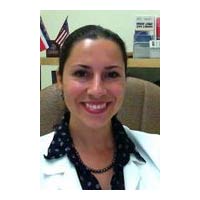
Top Forensic Nursing Websites

The field of forensic nursing is still generally new in title, but has been around in some form or another due to the interest of a registered nurse named Virginia Lynch. As far back as the 1980s, she realized that nurses could negatively impact the criminal justice field by unknowingly removing evidence from victims that could be crucial to investigations or trials. Her aim became to have the nursing and criminal justice fields function more effectively side-by-side.

Indeed, many schools now offer programs and training specific to forensic nursing. Below we list websites that may interest those already at work in the forensic nursing field or who plan to be one day. These sites are not just meant to inform, but also to educate, inspire and expand thinking about the forensic nursing field.

Top Forensic Nursing Websites

  1. International Association of Forensic Nurses : This site is hosted by the International Association of Forensic Nurses (IAFN), an international group of forensic nurses and other professionals dedicated to preventing violence and improving forensic science techniques in the field. The website provides a plethora of information to members and non-members of IAFN alike. Non-members might want to learn more about the SANE (Sexual Assault Nurse Examiner) certification that the organization offers. As well, both non-members and members can find information about upcoming clinical and continuing education opportunities. These events, in fact, are broken down by month and list many different opportunities for training all over the U.S. Among other information provided on the site are details about launching a SANE program, a job board providing nurse examiner, nurse evaluator, director and similar available job positions all over the U.S., and information about IAFN’s annual conference.
  2. Forensic Nursing : This blog, hosted by John McPhail, a registered nurse, forensics instructor, and Certified Medical Death Examiner, features actual images of some of the injury and wound types that forensic nurses might encounter on the job. For example, McPhail briefly discusses (using photos) these types of injuries, which may include bite marks, blunt trauma, domestic violence, patterned injuries (often appearing as a ‘mirror image’ of what caused it), sharp trauma, guns shot wounds and so on. The site may be of most interest to those considering a career in forensic nursing and wanting to learn more about what they might see on the job. Visitors should also know that McPhail offers a course on his website called “The Body as A Crime Scene,” which covers a nurse’s responsibilities and duties when it comes to evidence collection. This is an eight-hour course that addresses topics such as chain of custody, photography, trauma, burns, child abuse, SIDS and sundry others.
  3. Forensic Nurse Professionals : Like the company above, this website can provide another glimpse into an occupation in the forensic nursing field. Forensic Nurse Professionals, located out of Simi Valley, Calif., does forensic evidentiary examinations on suspects and victims of sexual assault. Its team of professionals also undertakes DNA specimen collection and even paternity testing. As well, it offers educational presentations on subjects as varied as forensic nursing, sexual assault prevention and risk assessment, and violence and abuse response as requested by community groups, students and professionals. The organization was started by registered nurse Cari Caruso, who is SANE (Sexual Assault Nurse Examiner) certified, and available to consult or provide expert witness services in criminal cases. For the student wondering how to develop their own business in the forensic nursing field, this website and organization could be a launching point for ideas.
  4. SANE-SART : This website is hosted by the Sexual Assault Resource Service along with funding from the U.S. Department of Justice. In fact, the website was started to provide help and direction to those wanting to start sexual assault response programs at their hospitals or health care institutions. As a matter of fact, registered nurse Linda Ledray, SANE certified, who directed a sexual assault response team at a medical center in Minneapolis, founded the site. Visitors can find information on conferences and courses, SANE guides and publications, and web resources. As well, the site does feature a blog with updates on sexual assault resource topics, with the most recent post relating to an informational video entitled “Breaking the Silence,” which was released in 2013.
  5. End Violence Against Women International : This site could provide a wealth of information to forensic nurses and similar working professionals looking for more resources to help prevent violence against women, but also wanting to gain greater understanding of state and national laws and policies. Among its ample available resources, the End Violence Against Women International (EVAWI) website provides information about the Violence Against Women Act (reauthorized in 2005), information related to sexual assault examination laws in each state, and templates for communities to set up anonymous sexual assault reporting. EVAWI also hosts a conference every year, as well as regional conferences and training related to sexual assault prevention, and more. Any forensic nurse who is interested in the prevention of violence and in advocating and protecting victims may find this site a helpful resource.
  6. Nurses in Correctional Facilities : This blog could be a resource for registered nurses or forensic nurses considering a career working in a jail, prison or correctional facility. Indeed, such nurses may find their work unique in helping inmates, who often suffer from poorer health than the general population. Theses nurses may help treat or identify any number of patient ailments ranging from infectious disease to substance addiction, and may even take blood or other bodily samples as needed or requested by jailers. This blog also provides videos showcasing some of the work done by nurses in correctional facilities, and lists a number of websites and resources relevant to nurses working with this specific population.
  7. Forensic Healthcare Online : The topics that are broached on this blog could be interesting to anyone thinking about a forensic nursing career. For example, recent blog posts mention topics such as elder abuse, Domestic Violence Day, sensitive interviewing of children, and sex trafficking of minors in the U.S. The site is operated by Dr. Jenifer Markowitz, a forensic nursing consultant, educator, and writer, who is certified as a Sexual Assault Nurse Examiner. She also provides longer ‘clinical guides’ on her website that broach topics such as determining the age of bruises, providing court testimony, and the economic cost of violence. She also allows readers to subscribe to her blog and receive emails as well as offers them an online FHO store with books related to forensic emergency medicine, sexual assault and more.

Methodology For Choosing the Top Forensic Nursing Websites

The following criteria were used to establish this list of top forensic nursing websites. However, keep in mind that this list is just a snapshot of what may be found in the Internet. Additional forensic nursing websites may also be available.

  • Expert Positioning: Sites were operated by professionals working in the field, a board of professionals, or even those in school studying in the field.
  • Depth: Provided new or useful information to those already in the forensic nursing field or considering entering it. Many sights offered certification or training programs or the links and resources for obtaining educational credits.
  • Visibility: Contained external links to reputable sources that supported or enhanced the credibility of the site. Several sites did this by extensively sourcing the material posted on their sites.

Willow Dawn Becker

Writer

Willow is a blogger, parent, former educator and regular contributor to www.forensicscolleges.com/. When she's not writing about forensic science, you'll find her blogging about education online, or enjoying the beauty of Oregon.
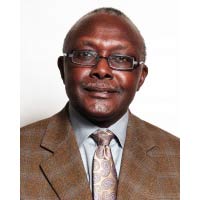
Top Forensic Anthropology Professors

Forensic anthropologists use a combination of specialized skills from physical anthropology and human biology to help analyze and identify human remains for the use in court and or law. The remains of deceased individuals in crime scenes can range from skin tissue mutilation to unrecognizable remains in which the assistance of forensic anthropologists is pertinent to helping solve criminal cases. Throughout the nation, there have been many successful forensic anthropologists in the field who continue to inspire prospective students and professionals alike to help advance the industry further. In the list below, we have highlighted top forensic anthropology professors who have not only paved the path for new and exciting research within the field, but continue to advance the field in their own professional work.

Tara Moore

Boston University – School of Medicine

Dr. Tara Moore directs the graduate program in forensic anthropology at Boston University’s School of Medicine. She primarily teaches anatomical science and osteology (the study of bones), and has developed her own skills by completing training in human remains recovery through the FBI. Her most significant achievements at the school could be in creating two master’s degree programs, as indicated by a Faculty Spotlight article. These include an MS in Biomedical Forensic Science and an MS in Forensic Anthropology. She is an instructor with the school’s Citizen’s CTI Academy, an annual 11-week program that covers topics such as forensic DNA, forensic anthropology and case management and offered in conjunction with a local police department. As well, she’s co-authored multiple articles that have been published in academic journals.

Daniel Wescott

Texas State University

Students at Texas State University may truly benefit from Dr. Daniel Wescott’s experience since he helps direct undergraduate and graduate students in their research and in obtaining funding. He is the director of the school’s Forensic Anthropology Center, but he’s also busy conducting his own research, which includes among other things, coming up with methods to reconstruct trauma patterns for human skeletal remains and developing techniques for reconstructing biological profiles. In fact, Science magazine twice mentioned his research on skeletal biology and he received, in 2007, the Ellis Kerley Forensic Sciences Foundation Award for excellence in research forensic anthropology. He’s given 17 talks, authored or co-authored 34 papers and written three book reviews. He is a Fellow with the American Academy of Forensic Sciences and serves on the editorial board for the Journal of Forensic Sciences.

Arlene Midori Albert

University of North Carolina Wilmington

With interests in forensic anthropology, human skeletal remains and facial recognition technology, it’s no wonder that Dr. Arelene Midori Albert serves as a forensics anthropology professor and researcher. She works in the University of North Carolina Wilmington’s Department of Anthropology and specializes in, among other areas, the techniques used in human skeletal identification. In fact, since 2003, she’s been primarily focused on how age-related changes in craniofacial morphology affect computerized face-recognition programming. She also assists with research in the university’s Institute for Interdisciplinary Studies in Identity Sciences, working with its Face Aging Group to looks at biometrics (the mathematical or statistical analysis of biological data) and face identification.

Lee Meadows Jantz

University of Tennessee, Knoxville

Dr. Lee Meadows Jantz coordinates the body donation program run the through the University of Tennessee, Knoxville’s Forensic Anthropology Center, a program that sees the donation of more than 100 bodies every year. She also teaches the Human Identification Courses offered through the FAC and is curator for the William M. Bass Donated and Forensic skeletal collections. Locally, she’s been mentioned in Knox News articles written about the FAC, including that it houses more than 55 unidentified skeletal remains, many of them primarily from Eastern Tennessee. Her research interests pertain to the skeletal biology of past and present human populations as well as to human growth and development. She assists in human identification cases as requested at the local, state or federal levels and has co-authored articles that have run in the likes of The American Journal of Physical Anthropology or the American Journal of Human Biology.

Elizabeth Miller

California State University, Los Angeles

Dr. Elizabeth Miller, an associate professor for the California State University Los Angeles’ College of Natural and Social Sciences, is particularly interested in forensic anthropology and paleopathology (the study of ancient diseases). Her hands-on experience includes consulting as a forensic anthropologist for the Los Angeles County Department of Medical Examiner. In fact, she works on more than 50 forensic cases every year and involves her students in the process of field work recovery. AT CSULA, she teaches courses including forensic anthropology, human osteology, and human evolution, among others and provides field recovery coursework in skeletal remains through the Los Angeles County Coroner’s Department. She is also a member of the forensic-based International Association for Identification and of the American Academy of Physical Anthropologists

Erik Bartelink

California State University, Chico

As an associate professor of the anthropology department at California State University, Chico, Dr. Erik Bartelink primarily teaches coursework in physical anthropology but has also assisted in teaching recovery courses at Chico State as well as with the California Department of Justice and Search and Rescue. His forensic anthropology interests primarily relate to taphonomy (the area of paleontology studying how organisms become fossilized), and trauma analysis. He has aided in mass grave excavations in Bosnia-Herzegovina on a United Nations forensic team and also helped with identification of remains in the World Trade Center tragedy. He’s been published in the International Journal of Osteoarcheology and in the Journal of Forensic Sciences and, in 2011-2012, was awarded Outstanding Research Mentor at Chico State.

Bruce Anderson

University of Arizona

An adjunct assistant professor for the school of anthropology at the University of Arizona, Dr. Bruce Anderson has research interests that include human identification in medico-legal cases and human skeletal variability. He serves as a mentor for the school’s forensic anthropology internship program and works as a forensic anthropologist for the Pima County Office of the Medical Examiner. A News 4 Tucson article indicates that the work he does at the medical examiner’s office includes helping to identify the remains of those who died trying to cross over into the U.S. from Mexico. He’s also a Diplomate with the American Board of Forensic Anthropologists, has spoken at conferences (including to anthropology students at Chico State), and has taught technology in forensic anthropology workshops through the National Institute of Justice.

Erin Kimmerle

University of South Florida

Dr. Erin Kimmerle is an associate professor in the Department of Anthropology at the University of South Florida. In addition to doing research, she teaches subjects such as forensic anthropology, biological anthropology, human osteology, and bioarchaeology. She also leads an advanced laboratory methods class in forensic anthropology. Her research is geared toward how aging, development and growth can affect aspects of human and skeletal identification, including facial recognition and skeletal analysis. She is also interested in the way that skeletal biology and other identifying factors of various population groups ties in to human rights or justice initiatives. Past experiences include working as chief anthropologist for the United Nation’s International Criminal Tribunal for the Former Yugoslavia, and as an osteologist for the National Museum of Natural History in Washington D.C.

Todd Fenton

Michigan State University

With a passion specifically for forensic anthropology and bioarchaeology, Dr. Todd Fenton brings his expertise to the Department of Anthropology at the University of Michigan. His research interests include analysis of skeletal trauma and techniques for human identification. Earlier this year, using DNA analysis, Dr. Fenton and others were able to confirm the presence of a respiratory disease, called brucellosis, in skeletons that were approximately 1,000 years old and found in a burial site in Albania. In addition, he is working on a research project called “A Forensic Pathology Tool to Predict Pediatric Skull Fracture Patterns,” which is funded through the National Institute of Justice. He is also a Fellow with the American Academy of Forensic Sciences and has co-authored articles that have published in the likes of the Journal of Forensic Sciences and American Antiquity.

Elizabeth Murray

College of Mount St. Joseph

As a forensic anthropologist and biology professor at Mount Saint Joseph in Cincinnati, Dr. Elizabeth Murray has taught students coursework in human gross anatomy, muscoskeletal anatomy, and a survey of forensic sciences. She also had has practical experience in the field, working as a forensic anthropologist for several coroners offices in Ohio. Her expertise has extended to consultant work for groups such as the Cincinnati Museum of Natural History and Science, National Missing and Unidentified Persons System, the Parents of Murdered Children, and others. Additionally, she’s been an expert on shows like National Geographic Channel’s “Skeleton Crew/Buried Secrets” and Discovery’s “Skeleton Stories.” In 2012, she released the book called “Forensic Identification: Putting a Name and Face on Death” and is one of less than 100 Diplomates who are certified by the American Board of Forensic Anthropologists.

Methodology For Choosing the Top Forensic Anthropology Professors

The following criteria were used in compiling this list of top forensic anthropology professors. Not all criteria below applied to each and every professor, but many of the listed professors may have:

  1. Undertaken interesting research:Some of these professors became involved in research or projects that sent them to unique parts of the globe to understand or explore more about forensic anthropology.
  2. Worked on meaningful projects:Similar to the above, some of these professors have worked in recovering and helping identify remains in settings that were deeply tragic or important to families and communities.
  3. Obtained professional memberships or certifications:Many of these forensic professors are members of professional organizations related to forensic anthropology or the forensic sciences.
  4. Had practical experience outside the academic setting:Several of these professors have worked as forensic anthropologists for coroners offices’ while others have gained skills in the field in other ways.
  5. Been published:Nearly all of these forensic anthropologists have been published in one way or another, be that through co-authoring or authoring an article for academic release, or even by writing books.
Barry Franklin

Barry Franklin

Co-Founder

Before co-founding Sechel Ventures Partners LLC, Barry Franklin was a VP at a Silicon Valley software company. He is an investor and advisor for DataSimply and Impellia. Barry believes that education and lifelong learning are paramount. Barry met his wife at Carnegie Mellon University and they have two beautiful daughters. He also volunteers for various committees at his kids’ high school.

Forensic Science Scholarships

The multitude of forensic science scholarships available to students is a testament to the viability of this academic profession, demonstrating promise within the field. There are a variety of ways to help fund an education in forensics, and scholarships are a great avenue for all kinds of students. Whether they study forensic nursing or aspire to become a dna analyst, there are a variety of scholarships available to all undergraduate and graduate students to help fund further research and innovation in their field of forensic science. In the list below, we have compiled forensic science scholarships that are available to forensic studies students, ordered by monetary amount from lowest to highest (scholarships with an unspecified amount begin at the top). All of the forensic scholarships listed below have differing eligibility requirements and instructions for the application process so be sure to read through them carefully.

Forensic Science Scholarships

Northeastern Association of Forensic Scientists : Students applying for the scholarship (amount not stated) for the scholarship available through the Northeastern Association of Forensic Scientists should be in their junior or senior year of a forensic science program or working toward a graduate degree in the field. Applicants need to be in good academic standing, have two letters of recommendation from forensic science instructors, and write a 250 to 500 word letter outlining their goals. As well, they must be attending college in Maine, New Hampshire, Vermont, Rhode Island, Massachusetts, New York, Connecticut, New Jersey, or Pennsylvania.

The Emily R. Murphy Graduate Scholarship : The Emily R. Murphy Graduate Scholarship (amount not stated) is available to graduate students in forensic science attending Virginia Commonwealth University in Richmond, Va. The scholarship is in memory of a 22-year-old student who herself received a scholarship to pursue forensic science studies, but then died in a car accident in 2002 on the way to visit the Spy Museum in Washington, D.C. The scholarship is given every spring to a current first-year student in the school’s Forensic Science graduate program. Criteria for selection includes recent school or community service, academic achievement, and leadership experience or potential.

James and Harriet Tong Forensic Chemistry Scholarship : The James and Harriet Tong Forensic Chemistry Scholarship (amount not specified) is given to students attending Ohio University in Athens, Ohio, and who show aptitude in their forensic chemistry program. An award is given each year to a freshman, sophomore, junior and senior student. The forensic chemistry program at the school was established by James Tong in 1976 and graduated its first student in 1978.

The Radford University Forensic Science Institute Boyd Forensic and Anthropological Science Scholarship : Scholarships (amount unstated) are available to students attending Radford University in Radford, Va. through monies set aside by the school’s Radford University Foundation. Students must have obtained superb outstanding achievement in the field and be assisting faculty in research in forensic science or anthropological science. They also need to write a 500-word essay describing their work and include two letters of recommendation from faculty members.

The George H. Robertson Scholarship : The George H. Robertson Scholarship is made available from the Chesapeake Bay Division of the International Association for Identification to full-time students in at least their sophomore year of an undergraduate degree focused on forensic science work. Students needs to have at least a 2.5 GPA. The amount given and number of recipients chosen will vary depending on the organization’s fund. Recipients will be announced during the organization’s fall meeting. The scholarship was started in memory of George H. Robinson, who was the first president of the Chesapeake Bay Division of the International Association for Identification.

Forensic Science Scholarships: $500

The William R. Maples Memorial Scholarship : The Williams R. Maples Memorial Scholarship is available to students who want to pursue graduate studies in forensic anthropology at the University of Florida, Gainesville. Up to four $500 scholarships are awarded each spring in honor of William Maples, who was a Distinguished Professor at the school and served there in some capacity from 1968 to 1997. Maples also served for a year as the program director of the school’s C.A. Pound Human Identification Laboratory, which provides consultation services to coroners and medical examiners. The scholarship was established in his name in 1997 after he died from a brain tumor.

Forensic Science Scholarships: $1,000

The Southwestern Association of Forensic Scientists Scholarship : The $1,000 scholarship available through the Southwestern Association of Forensic Scientists can by sought by students who are in their junior or senior year of a bachelor’s degree program and who intend to pursue a career in the forensic sciences. They need to have a minimum of at least a 3.0 GPA, include three letters of recommendation, and provide information about their career goals and the forensic classes they have taken or plan to intend. The scholarship deadline is April 1 of each year and selected winners will have a photo and short biography posted on the SWAFS website.

New Jersey Association of Forensic Scientists Scholarship : A $1,000 one-time scholarship is available from the New Jersey Association of Forensic Scientists to students attending school in New Jersey or who are residents of the state but attending school out of state in pursuit of a science program, such as forensic science, biology or chemistry. Students can also be a member of the NJAFS if they don’t meet either of those requirements. Applicants must submit two letters of recommendation, at least one from a professor, and explain why they want to pursue a career in forensic science. This year’s scholarship deadline is October 31, and the winner will be announced at NJAFS’ fourth-quarter meeting.

Forensic Science Scholarships: $2,000 and Above

The Association of Firearm and Toolmark Examiners : The Association of Firearm and Toolmark Examiners (ATFE) offers a $2,000 scholarship on an annual basis to students pursuing a career in forensic science and who are in their junior or senior year of a bachelor’s degree program or in an advanced degree program. The scholarship is granted on a merit basis, but letters of recommendation, contributions to the field, and the applicant’s narrative statement are also considered. A minimum 3.0 GPA is required. Scholarships are granted at the beginning of each new school year, but applications are due by April 1 of the preceding spring. Scholarship recipients will have their photo and biography posted on the AFTE website as well as be announced at the organization’s annual training conference.

J. Edgar Hoover Foundation Scientific Scholarship : The J. Edgar Hoover Foundation awards a $25,000 scholarship to a deserving student who is pursuing forensic science and plans to launch a law enforcement career. To apply, students must be a junior or senior in school or a graduate student and pursuing study in a field like analytical chemistry, clinical lab science, forensic technologies, pathology and so on. A transcript, two letters of recommendation, and a narrative letter of up to three pages in length that details career aspirations, community involvement, and meaning of the scholarship are needed as part of the application process. The $25,000 award has been available since 2001, and more than $250,000 has been distributed to students to date.

Methodology

This list represents some of the forensic science scholarships that can be found online and that are offered by reputable schools and organizations. This list is not meant to be comprehensive, but rather to act as a sampling of what is available it terms of programming and funding. Criminal justice departments at a college or university will have much more information about available scholarships (some which way not be degree specific, but still may be applicable to forensic science students). Also regional police departments, law enforcement agencies and criminal justice associations may know of other scholarship opportunities.

Featured image provided by haagenjerrys

Barry Franklin

Barry Franklin

Co-Founder

Before co-founding Sechel Ventures Partners LLC, Barry Franklin was a VP at a Silicon Valley software company. He is an investor and advisor for DataSimply and Impellia. Barry believes that education and lifelong learning are paramount. Barry met his wife at Carnegie Mellon University and they have two beautiful daughters. He also volunteers for various committees at his kids’ high school.

Forensic Science Professors to Follow

Forensic science is an umbrella term for the field of forensics, as it refers to the application of various sciences and technologies to help collect evidence and investigate cases for the legal matters. Forensic scientists can range from crime laboratory analysts to psychologists, and they all have specialized industry skills and knowledge to apply towards their area of study. Deciding which direction you want to take can sometimes be tricky, which is why we’ve compiled a list of the top forensic science professors nationwide. These professors have not only proved their work in the field to be monumental to the future of forensic science, but are always advancing the field with new research and programs to help spread awareness and participation in the field. Who knows – one of these forensic science professors could just end up being your future instructor, or better yet, academic mentor.

Barry K. Logan

Thomas Jefferson University

Dr. Logan, Program Director of the Forensic Toxicology program at Thomas Jefferson University, has a specific interest in toxicology related to driving while impaired by drugs or alcohol. His YouTube video notes that much of his training is in analytical chemistry, pharmacology and toxicology. His former experience includes serving for 19 years as a state toxicologist in Washington. In addition, he’s testified in more than 200 civil and criminal hearings in both state and federal court and has had more than 80 peer-review pieces published. He is certified by the American Board of Forensic Toxicology and is President of the American Academy of Forensic Sciences.

Tracey Dawson Cruz

Virginia Commonwealth University

Dr. Dawson is the graduate director of Forensic Science and Biology at Virginia Commonwealth University as well as an associate professor. She manages VCU’s molecular biology research laboratory and previously was employed at Fairfax Identity Laboratories, identifying new DNA testing techniques for use in forensic case analysis. Among many professional roles is her current position as President of the Mid-Atlantic Association of Forensic Sciences. Among others, she is a member of the American Society of Crime Lab Directors and the International Association for Identification. She has also been named a commissioner on the Forensic Science Education Programs Accreditation Commission, which accredits universities that provide forensic science degrees.

Thomas Crist

Utica College

Dr. Crist is a professor of anatomy and anthropology at the Forensic Anthropology Field School at Utica College in N.Y. He helped co-found the American Academy of Forensic Science’s Young Forensic Scientists Forum, served as forensic anthropologist for the Philadelphia Medical Examiner’s Office, and helped identify remains of victims from the 2001 World Trade Center attack. As well, he’s helped with more than 20 historical cemetery excavations in the U.S. , including at the Wampanoag Burial Ground at Martha’s Vineyard. He’s directed excavation on a number of other projects, and two of Dr. Crist’s excavations were featured on the Discover Health Channel series “Skeleton Stories” in 2006.

Henry Lee

University of New Haven

Dr. Lee, a professor in the – yes – Henry C. Lee College of Criminal Justice and Forensic Sciences at the University of New Haven in Connecticut has an impressive profile. He has served as a forensics expert in every state in the U.S. as well as in 30 countries, according to the school website. He has assisted more than 600 law enforcement agencies in crime-solving and testified more than 1,000 times in criminal and civil cases in the U.S. or internationally, the school also notes. He has provided forensic science assistance in cases like the homicide of Jon Benet Ramsey and the death of Chandra Levy as well as providing his training into the investigation in the suicide of Vince Foster, former President Bill Clinton’s White House attorney. His personal website indicates that he is skilled in finding the tiniest of clues. As well, he has authored or co-authored a vast number of publications or books, including “Henry Lee’s Crime Scene Handbook,” and he has received five honorary doctoral degrees.

Mark McCoy

University of Central Oklahoma

Dr. McCoy is an associate professor for the Forensic Science Institute and the School of Criminal Justice at the University of Central Oklahoma. His previous professional experience includes 20-years-plus with the Oklahoma State Bureau of Investigations, or OSBI, where he undertook investigations in a wide variety of criminal cases that ranged from embezzlement to homicide and public corruption to rape. According to the school website, he was also the first to lead the state’s Computer Crime Unit and it may have been this interest that led to his 2012 award as a Fulbright Scholar in Information Technology/Digital Forensics Like many other forensic science professors, however, Dr. McCoy also served hard duty: he was an officer in the Tulsa Police Department and an officer in the U.S. Marine Corps.

Fred Baxendale

University of Nebraska, Lincoln

In the spring of 2013, Dr. Baxendale became the director of the Forensic Science Degree program at the University of Nebraska, Lincoln. His background includes 30 years of experience in professional entomology (the study of insects) and he has worked with area police departments, sheriff’s offices, and the regional FBI office on death investigations by utilizing his forensic entomology skills to provide details and evidence about found bodies. Baxendale has published more than 350 research and extension articles and brought in more than $5 million in grant-in-aid funding or competitive grants that have been used for research, extension programs, or education, according to the school website. He is also certified as an expert witness in forensic entomology.

Ralph Ristenbatt

Penn State University

Ralph Ristenbatt is a criminalist and senior instructor in the Forensic Science Program at Penn State University. He’s taught classes such as Essential Practices of Forensic Science and Scientific Approach to Crime Scene Investigation, and also was an instructor at John Jay College of Criminal Justice and Pace University in the past. He was formerly employed with New York City’s Office of Chief Medical Examiner analyzing serological evidence in sexual assault and homicide cases. He also acted as team supervisor for the city’s Forensic Analysis and Reconstruction Unit. He has worked on more then 300 crime scene reconstructions and testified in court approximately 50 times. He’s given an extensive number of presentations and has many professional affiliations and certifications including as a diplomate with the American Board of Criminalistics. Mr Ristenbatt’s research interests revolve around the technologies and techniques associated with crime scene investigations, with a particular interest in bloodstain pattern analysis.

Methodology for Choosing the Top Forensic Science Professors

In researching and selecting candidates to include in our list, we took a number of things into consideration. Not all of the professors on this list met each of the criteria below, but most met several of the listed guidelines:

  1. Active Teaching Status Each of the forensic science professors on this list are actively engaged in teaching, lecturing and presenting for college and professional audiences. As well, several have been responsible for launching or leading the development of forensic science programs at their schools.
  2. Peer-Reviewed Publications or Books. Most of the professors on this list have released a number of journal articles or books for publication or contributed or co-authored others.
  3. Community Engagement. As well, many do outreach in the community by providing lectures, undertaking speaking engagements or participating in tasks that promote the importance of forensic science.
  4. Committee Membership The vast number or professors on this list are involved with or belong to some type of association. Many of these professors are members of multiple organizations or have served on them or been recognized or contributed in other ways.
  5. Stand-out Contributions: Many of our “top-rated” professors are considered leaders in the field of forensic science simply by starting a new program at their school or in the field, contributing to or expanding forensic science, or by participating in the investigation of significant, high-profile cases.
Barry Franklin

Barry Franklin

Co-Founder

Before co-founding Sechel Ventures Partners LLC, Barry Franklin was a VP at a Silicon Valley software company. He is an investor and advisor for DataSimply and Impellia. Barry believes that education and lifelong learning are paramount. Barry met his wife at Carnegie Mellon University and they have two beautiful daughters. He also volunteers for various committees at his kids’ high school.

Forensic Nursing Career: An Interview with Dr. Carter-Snell

Some people who enter a career in forensic nursing might never feel the need to extend their impact beyond work in clinics, hospitals and labs, but Dr. Cathy Carter-Snell of Alberta, Canada believes teaching at the university level is another way to have an effect. In fact, she’s been a professor at Mount Royal University in Alberta for 17 years, and had a significant role in 1997 in helping launch the school’s online forensic certificate program. She wrote, or over the years has revamped, much of the curriculum for the six classes that comprise the program and has also taught several of the classes, including its Victims of Violence course. Students in the certificate program come from a mixed professional background, but many of them are first-responder types: about 30 percent are nurses; another 30 percent are police officers; and the remainder are a mix of undergraduate and graduate students taking coursework for electives, and social workers.

The coursework is extensive in scope and can help students to learn more about what to look for when working with patients to ascertain if a crime has occurred. Those in in the Forensic Science Lab class, for example, might study gas chromatography, blood spatter patterns, and even blood-typing. Nurses taking classes might learn to become more adept in the emergency room at accessing injuries that could be a result of violence or sexual assault. They should also become more knowledgeable about how to document a patient’s injuries through note-taking or photographs.

Nurses and other students can also learn how to better treat victims of violence, for example, so as not to victimize them a second time by making them feel guilty or responsible about what happened. “As well, some 30 percent of victims of sexual assault never show any injuries,” Dr. Carter-Snell said, and that is why knowing what forensic clues to look for when a patient comes in for emergency care is important.

“If you consider the emergency care patient, the crime scene is the patient.”

The first thing that medical staff and the nursing staff do is try to clean them up. “Women, in particular, can suffer from PTSD and anxiety as a result of violence,” says Dr. Carter-Snell, “and could turn to substance abuse to cope.” Treating and finding the cause of the incident is essential.

“Expert nursing practice is not reactionary and is not just seeing the crisis and dealing with it – although that’s important, but it’s seeing the potential that there could be a crisis down the road and averting it before it happens or minimizing it.”

But how effective can an online certificate program be? Very, in fact. Videos, photos, and case studies make up a substantial part of the coursework and students are often able to think of the cases they studied when they are back on the job and at work. As well, Dr. Carter-Snell said she gets to know the students in her online forensic classes better than those in a traditional classroom, stating: “They are writing to me all the time.”

Drawn to Emergency Care Nursing From the Get-Go

As a young adult, Dr. Carter-Snell took many leadership roles, including working as a candy striper in a hospital. Her father was a police officer and although she said she would never marry anyone on the force, that is exactly what she did – married a police officer. And so it evolved from there, she said. After becoming a registered nurse, she began working in intensive care and, about five years later, switched to emergency care. She continues that emergency care work today as part of a sexual assault crisis team responding to calls at a hospital on weekends.

“Emergency trauma nursing is how I got interested in forensic nursing in the first place.”

She did go on to obtain her master’s and doctoral degree in nursing, completing her PhD with a specialization in forensics. Her dissertation, about the relationship between sexual assault of women and PTSD, led to the development of a mnemonic tool called BALD STEP that can help nurses and others distinguish between a victim’s types of injuries in their documentation. (For example, the letter ‘B’ reminds nurses to check for bruising, bleeding, bite marks, and burns.) Knowing how to distinguish between specific types of injuries can be important in outcomes in patient care and in criminal investigations. We know that violence in both the U.S. and Canada accounts for over a third of the health care dollars, she said.

“What the systems do are try and treat the consequences of violence without trying to great what is going on underneath.”

As a nurse, she had always attended conferences and educational programs, and returned to share that knowledge with colleagues, so, it didn’t seem unnatural, after having two children, to take a part-time role through Mount Royal College. This has long since turned into a full-time role. “I was always quite interested in education and in the science behind what it is we do,” she said, “And I enjoy sharing knowledge and seeing the light bulb come on in other people’s heads.”

She also has received two certifications: Emergency Nursing Canada, or ENCC, and Sexual Assault Examiner – Adults and Adolescents, known as SANE-A. As well, she became involved with the Forensic Research Network, a collaboration between Mount Royal College and other research agencies, which provides information and resources to help prevent violence. However, it is her teaching that allows her to have many additional impacts in the emergency and forensic nursing field. She may never know of these effects first-hand, but she trusts that her students are making them.

“My job is to help my students see the links between the ink that is drying on the page and the patients that they’re seeing.”

Dr. Cathy Carter-Snell was also recognized as a top professor in the field of Forensic Nursing and continues to inspire further research for the advancement in the industry.

For more information on Dr. Carter-Snell, check out her bio here.

Willow Dawn Becker

Writer

Willow is a blogger, parent, former educator and regular contributor to www.forensicscolleges.com/. When she's not writing about forensic science, you'll find her blogging about education online, or enjoying the beauty of Oregon.
Forensic Accounting Professors

Ever considered pursuing a career in forensics? Do you enjoy solving mathematical problems? If you’ve answered yes to the questions above, a career in forensic accounting just may be the right career choice for you! Forensic accountants, also known as forensic auditors, help police and government accounting departments investigate a variety of claims to help gather evidence for trial. Whether in a proactive role helping agencies design audit procedures and participate in audit committees, or assist in the pre-trial litigation period gathering evidence and conducting research, forensic accountants are vital in helping the court determine anomalies and fraud.

Below is a list of top forensic accounting professors who have not only become experts in the field of financial forensics, but continue to advance the field with their inspiring teaching and work.

ForensicsCollege.com - Robert Busman
Robert Bushman

University of North Carolina at Chapel Hill

As the Forensic Accountant Distinguished Professor at North Carolina at Chapel Hill, Dr. Bushman is an award-winning teacher leading classes in corporate governance, deal structuring, and financial accounting. He has also worked with executives outside of the classroom through companies like Andersen Consulting and GlaxoSmithKline. He’s been published in a number of academic journals, given keynote speeches, and has professional affiliations with the American Institute of Certified Public Accountants and the American Accounting Association.

Ruben Davila

University of Southern California

Davila has been trained in corporate governance, mergers and acquisitions, and accounting and reporting, but has also functioned as an expert in a number of litigation proceedings. Some of his expert witness experience related to matters such as business valuation, embezzlement and fraudulent financial reporting. He has previously served on the California Board of Accountancy and was once an auditor for Deloitte.

Suresh Govindaraj

Rutgers University

In addition to teaching financial accounting and financial statement analysis in the EMBA program at this New Jersey school, Dr. Govindaraj has gained experience teaching at other schools including Colombia University, New York University and Northwestern University. As well, he reviews a number of academic journals, does speaking engagements, submits business articles for publication and has been a two-time winner of the school’s Paul Nadler award for excellence in teaching.

Bobby Waldrup

Loyola University

Dr. Waldrup’s extensive background in forensic accounting and fraud investigation made him a top choice for new chair of this Maryland school’s department of accounting. Previously employed at the University of North Florida, he taught coursework in auditing theory, and managerial, cost, and forensic accounting. His travels took him to teaching experiences in places like Beijing, Florence and Rome. He has published an extensive number of papers, more than 30, and is a member of the ACFE as well as the American Accounting Association, and the Accounting Historians Society.

William Kresse

Saint Xavier University

Kresse is an associate professor at this Chicago School, and also director of the school’s Center for the Study of Fraud and Corruption. He’s appeared locally in Chicago on TV news talking about holiday fraud scams, safe use of credit cards, and making purchases online. “Fraud never sleeps” may very well be a catch-phrase of his. He has also been named Educator of the Year by the ACFE.

Annette Nellen

San Jose State University

Nellen teaches a variety of coursework at SJSU including in e-commerce, property transactions and tax research, and is also director of the Master’s of Science in Tax. She is author of a book called “Tax Aspects of Business Transactions – A First Course,” and, in addition to doing speaking engagements about tax issues and policy, stays active in professional organizations. She keeps track of news and commentary about tax system weaknesses, needed tax reform, and ideas for change in her blog, “21st Century Taxation.“

Forensic Accounting Professors - Forensics Colleges Home
Casey Evans

American University

Evans is a new professor at this Washington D.C. school after gaining extensive experience working on the Bernie Madoff case. In fact, she spent six months at the Madoff office in New York looking for evidence of financial crimes, according to the school website. Students at AU may also gain from her past experience as an auditor for two different firms and her expertise in providing litigation support and acting as an expert witness. She is an AU graduate herself. As an executive-in-residence at AU, she teaches, among other courses, accounting ethics, advanced financial reporting and forensic accounting.

Mary Jo Kranacher

York College

Kranacher puts her skills to work teaching students at this New York school about accounting and finance. In addition to being the ACFE Endowed Professor of Fraud Examination, she is also former editor-in-chief of The CPA Journal (from January 2006 to June 2013), and writes and speaks on a number of meaningful topics such as forensic accounting, fraud detection and deterrence, and professional ethics. She co-authored Forensic Accounting and Fraud Examination , published by Wiley & sons.

Methodology for Choosing the Top Forensic Accounting Professors

When compiling our list of top forensic accounting professors, we took a number of guidelines into consideration. Admittedly, not all professors on this list meet every guideline, but otherwise assuredly meet a mix of several of these criteria. These guidelines include:

  1. Active Teaching StatusEach of the forensic accounting professors on this list is actively engaged in teaching, often specifically through coursework involving forensic accounting or fraud.
  2. Social EngagementNearly all of these professors are actively engaged in social networking, most often through a profile on LinkedIn, or perhaps through a Facebook page or personal blog.
  3. Professional OrganizationsMost of these professors are members of at least one or a number of accounting organizations, some specifically related to ASFE membership. Others may serve on boards, as chairs, or in other capacities.
  4. Real-world ExperienceMany of these professors have extensive training in real-world contexts, working as auditors and controllers, actively investigation fraud, or appearing for court proceeding as financial experts.
  5. Writing and PublicationA majority of our selected professors are actively involved in publication, producing articles for academic journals or publishing full-fledged books on accounting and related topics. Some have co-authored or contributed to articles.
Barry Franklin

Barry Franklin

Co-Founder

Before co-founding Sechel Ventures Partners LLC, Barry Franklin was a VP at a Silicon Valley software company. He is an investor and advisor for DataSimply and Impellia. Barry believes that education and lifelong learning are paramount. Barry met his wife at Carnegie Mellon University and they have two beautiful daughters. He also volunteers for various committees at his kids’ high school.

Resources

At ForensicsColleges, we want to connect students, prospective students, and professionals to the multitude of resources available online in order to stay up-to-date on recent news and trends within the online forensics community. From cold cases to scholarships, you can find it here.

How to Detect AI: A Guide to Digital Forensics Tools

Forensic analysis is built on the principle that digital evidence represents reality. But AI-generated and AI-altered media undermine that assumption, forcing experts to assess not just what was recorded, but whether the event ever occurred at all.

Lab technicians gather around screen

How to Become a Forensic Science Technician

Forensic science technicians have a regular presence at crime scenes, aiding in the process of criminal investigations under a crime scene leader or field supervisor. The role involves helping to collect, document, and analyze evidence and submitting it to the crime laboratory.

How to Become a Paralegal

Paralegals play a critical role in the legal system, supporting attorneys with research, drafting, case preparation, and client communication. They help manage case files, prepare documents for court, coordinate with clients and witnesses, and ensure that legal processes run smoothly. While they cannot provide legal advice or represent clients in court, paralegals are indispensable to law firms, corporations, government agencies, and nonprofits.

vintage chem lab with beakers and other vessels

Top Forensic Chemistry Programs (2025-2026)

Forensic chemistry attracts curious problem-solvers who can collect evidence with precision and remain objective in their observations. Ideal candidates for forensic chemistry positions must prove their abilities to follow legal and scientific protocols when collecting physical evidence from a crime scene and analyzing it in a laboratory.

Top Employers in Forensics: Four FBI Professionals’ Perspectives

The Federal Bureau of Investigation (FBI) is the principal federal law enforcement agency of the United States. Its investigative authority is the broadest of all federal law enforcement agencies, and the Bureau’s workforce is similarly large, employing approximately 35,000 people, including both special agents and support professionals, to serve its mission of protecting the American people and upholding the Constitution.

Crime scene do not cross ribbon

How To Become a Crime Analyst

Crime analysts work in law enforcement analyzing crime reports, arrest records, police calls, and other data to establish patterns and make correlations. They synthesize the data they gather into detailed reports that their departments use to make decisions about prosecutions, patrols, and staffing.

detail of a forensic accountant holding a pen and tabulating numbers

Top Online Forensic Accounting Programs

By earning a graduate certificate or degree in forensic accounting, professionals with bachelor’s degrees in accounting can become certified in fraud examination, thereby protecting individuals, corporations, and entire economies from the perils of financial corruption. Online forensic accounting programs have expanded to allow students to maintain their current jobs while earning a certificate or degree.

Interviews

While pursuing a career in forensics, you may find yourself discovering a specialization within your area of study that you feel compelled to explore and research further. For those who have an idea of where they want to focus their forensic studies as well as those who may not know yet, you’re in the right place!

Here in our interviews section, you will find a variety of exclusive stories from nationally recognized forensic experts and top advocates from varying professional fields in the forensic community. Read their stories on how they discovered their passions within the field, obstacles they faced along their way, and how they managed to stand out among the crowd and pave the path for prospective students like yourself. You may even find a professor worth contacting to discuss their research further, while simultaneously building your own professional network. Don’t be shy! Scroll through our interview archive to find your next academic inspiration in the field of forensics.

How to Detect AI: A Guide to Digital Forensics Tools

Forensic analysis is built on the principle that digital evidence represents reality. But AI-generated and AI-altered media undermine that assumption, forcing experts to assess not just what was recorded, but whether the event ever occurred at all.

Lab technicians gather around screen

How to Become a Forensic Science Technician

Forensic science technicians have a regular presence at crime scenes, aiding in the process of criminal investigations under a crime scene leader or field supervisor. The role involves helping to collect, document, and analyze evidence and submitting it to the crime laboratory.

How to Become a Paralegal

Paralegals play a critical role in the legal system, supporting attorneys with research, drafting, case preparation, and client communication. They help manage case files, prepare documents for court, coordinate with clients and witnesses, and ensure that legal processes run smoothly. While they cannot provide legal advice or represent clients in court, paralegals are indispensable to law firms, corporations, government agencies, and nonprofits.

vintage chem lab with beakers and other vessels

Top Forensic Chemistry Programs (2025-2026)

Forensic chemistry attracts curious problem-solvers who can collect evidence with precision and remain objective in their observations. Ideal candidates for forensic chemistry positions must prove their abilities to follow legal and scientific protocols when collecting physical evidence from a crime scene and analyzing it in a laboratory.

Top Employers in Forensics: Four FBI Professionals’ Perspectives

The Federal Bureau of Investigation (FBI) is the principal federal law enforcement agency of the United States. Its investigative authority is the broadest of all federal law enforcement agencies, and the Bureau’s workforce is similarly large, employing approximately 35,000 people, including both special agents and support professionals, to serve its mission of protecting the American people and upholding the Constitution.

Crime scene do not cross ribbon

How To Become a Crime Analyst

Crime analysts work in law enforcement analyzing crime reports, arrest records, police calls, and other data to establish patterns and make correlations. They synthesize the data they gather into detailed reports that their departments use to make decisions about prosecutions, patrols, and staffing.

detail of a forensic accountant holding a pen and tabulating numbers

Top Online Forensic Accounting Programs

By earning a graduate certificate or degree in forensic accounting, professionals with bachelor’s degrees in accounting can become certified in fraud examination, thereby protecting individuals, corporations, and entire economies from the perils of financial corruption. Online forensic accounting programs have expanded to allow students to maintain their current jobs while earning a certificate or degree.

Top Forensic Anthropology Websites

If you’re unable to peel yourself off of the sofa when the crime show “Bones” appears on FOX, you may be one of many individuals fascinated by forensic anthropology (or forensic archaeology, which this show also features). “Bones” is expected to start its ninth season this fall, a testament to the strong interest that exists for a scientific field that requires attention to detail and particular (and perhaps even peculiar!) knowledge of the human body. If you’re interested in the field, and, perhaps, even wanting to study or pursue a career, take a look at our list of forensic anthropology websites below. These sites may encourage you to search for a degree program, consider how you could turn acquired skills into a career, inspire you in the field in ways yet unimagined or just learn something new.

Website List

  1. Forensic Anna:thropology: This site is maintained by Dr. Anna Williams who studied archeology and anthropology at Oxford University and will become a senior lecturer at the University of Huddersfield in the UK this fall. Of unique note are her varied interests: decomposition and taphonomy (the branch of anthropology that looks at decay), disaster victim identification and – yes baking. If you’re wondering where anthropology can take you other than just in the dirt, check out her page on being an expert in forensic anthropology on TV. She’s been on shows ranging from the Discovery Channel’s “Treasures Decoded: The Turin Shroud” to National Geographic Channel’s “Ultimate Tutankhamun.”
  2. American Board of Forensic Anthropology: Students, graduates and working professionals can find a broad range of information available on this site. This includes reasons for entering the field, a listing of schools providing specific programs in forensic anthropology (as opposed to just anthropology), and steps to take to become ABFA-board certified. This Board was founded in 1977 specifically to provide a certifying credential to those working in the field. The Board also does note that to be a practicing forensic anthropologist a master’s or doctoral degree is typically needed. That can be six to 10 years of schooling, useful information for those considering a degree program in the field.
  3. Forensic Anthropology Consulting Services, Inc.: There are 206 bones in the human body and every one of them tells a story as Dr. Frederick Snow, owner of this website, purports on his home page. Showcasing another way that graduates of anthropology programs could put their skills and knowledge to work, Snow has used his extensive training to identify human remains, testify as a legal expert and undertake body search and recovery. Snow received his PhD from the University of Tennessee and has also excavated mass graves in Bosnia and investigated a large-scale criminal scene at Tri-State Crematory in Georgia in which more than 300 bodies went un-cremated. He offers seminars to working professionals that go by names, including, but not limited to: “The Unidentified Dead,” “The First Cut is the Deepest” and the “CSI Effect: The Good, the Bad and the Reality.”
  4. These Bones of Mine: Site owner David Mennear tends to aim his content toward human osteology and archeology, as noted on the home page of his website. His experience shows just how unique degree specializations can be when it comes to human bones – he received his master’s of science degree in the field of Human Osteology and Funereal Archeology from the University of Sheffield. Although he doesn’t specifically work in forensic anthropology, Mennear’s main, yet related interest, is in human remains found at archeological sites. He is able to bring a wide variety of voices to his site through a page featuring guest blogs, two of which recently focused on forensic anthropology as taught in the classroom and an introduction to commercial archeology.
  5. Argentine Forensic Anthropology Team: Here’s another website showcasing how forensic anthropology (and archaeology) skills can be put to use. The Argentine Forensic Anthropology Team, a not-for-profit, was founded in 1984 to look into the disappearance of more than 9,000 people during a 17-year period when Argentina was under military rule. The team has now expanded its services to include work in Africa, Asia, Latin America and elsewhere and, in fact, provides volunteer experiences and internships through its New York and Buenos Aires offices. Of note, this group is more likely to become involved with a case when it involves violations of human rights, development of a truth commission or through a request specifically made from an international judicial body. This just goes to show you that forensic anthropology may be an exciting, and even uber-conscious, career.
  6. The Forensic Anthropology Center: Most people have heard of body farms, but this Center in Tennessee was founded in 1987 to provide students at the University of Tennessee, Knoxville the opportunity to study firsthand the process of human body decomposition and to advance teaching and research in the field of forensic anthropology and related sciences. The FAC has been involved in skeletal analysis cases, but also does training for law enforcement personnel and other professionals. Some of these courses include: “Ourdoor Recovery,” “Field Methods in Forensic Anthropology,” and “Forensic Taphonomy.” Indeed, FAC is able to keep its doors open due to a financial endowment, but also because of individuals who agree to donate their bodies upon their own deaths. This site provides another intriguing look at forensic anthropology and how its study is undertaken.

Methodology for Choosing Top Websites in Forensic Anthropology

  1. Expert positioning: Sites were operated by experts or groups of experts or institutions in the field rather than by students studying in the field or those viewing the field from the perspective of a hobby;
  2. Depth: Provided new or useful information to those already in the forensic anthropology field or considering entering it;
  3. Visibility: Contained external links to reputable sources that supported or enhanced the credibility of the site;
  4. Maintenance: Well-maintained with recent posts, invitations for user engagement via guest blogs, feedback, etc., multiple web pages and overall, strong working functionality.

Featured photo provided by polapix.

Barry Franklin

Barry Franklin

Co-Founder

Before co-founding Sechel Ventures Partners LLC, Barry Franklin was a VP at a Silicon Valley software company. He is an investor and advisor for DataSimply and Impellia. Barry believes that education and lifelong learning are paramount. Barry met his wife at Carnegie Mellon University and they have two beautiful daughters. He also volunteers for various committees at his kids’ high school.

Top Forensic Psychology Professors

Forensic psychologists investigate the psychological influences in civil, criminal, and family courts to help put diverse cases to rest in the criminal justice system. For most prospective students, knowing which subject to pursue in their studies can be a difficult decision to make. Thankfully, there are a multitude of resources at their disposal to help guide them toward their next career move. In the detailed list below, we highlight top forensic psychology professors nationwide who are active leaders and advocates in the field. These dedicated professors are not only authoritative spokespeople in the forensic psychology community online, they also continue to encourage and participate in active discussions to further enrich and enlighten the importance of combining psychology studies with law in today’s education system.

Shadd Maruna

Queen’s University

Dr. Maruna is a respected writer and forensic psychologist in the specialties of law enforcement and public opinion, criminal reintegration and penal reform. He has a strong Twitter following and publishes regularly in peer-reviewed journals and online publications.

Corine de Ruiter

Maastricht University

Dr. de Ruiter focuses her online presence on sharing information regarding best practices for treating anti-social behavior, assessing mental illness for possible future violence and the link between mental illness and violence. She was a past President of the International Association of Forensic Mental Health Services and publishes several times each year in journals such as The Journal of Sexual Medicine and the Journal of Forensic Practice.

Katherine Ramsland

DeSales University

Author of 46 books, blogger at Psychology Today, TV crime commentator, and a professor of forensic psychology, Dr. Ramsland is an expert on serial killers. She has various audio and video media available online, including a TedX talk and several high-profile interviews with PBS and Discovery. Her focus is paranormal forensic psychology.

Patricia Zapf

John Jay College of Criminal Justice

Dr. Zapf is a forensic psychologist, Fellow of the American Psychological Association, & Distinguished Member of the American Psychology-Law Society.She was also the keynote speaker for the International Association of Mental Health Services in 2013. Her work on trial competency requirements is highly regarded in the forensic psychology community.

Dr. Adelle Forth

Carleton University

Dr. Forth is the Director of the Psychopathy Research Lab at Carleton University, where she conducts research on the cognitive processes that underlie psychopathy. She is also on the board of directors for the Society for the Scientific Study of Psychopathy.

Dr. Kelly R. Goodness

Dr. Goodness is a highly-sought-afterspeaker on the topics of capital murder, psychological injury and forensic assessment. She is very active on LinkedIn, with over 500 links, and she has been an educational presenter for organizations such as the North Tarrant Medical Health Professional Organization and Champion for Children.

Kristine M. Jacquin

Fielding Graduate University

Dr. Jacquin is an established member of the forensic psychology community and a member of the American College of Forensic Psychologists (ACFP). She presented at the 2013 conference multiple times for subjects like evaluating allegations of child abuse and polygraph use in investigations. She is very active on LinkedIn.

Mary Alice Conroy

Sam Houston State University

Dr. Conroy has an extensive work background of teaching and training students in forensic psychology. From her vast experience working for the Department of Justice in the Federal Bureau of Forensic Psychology, Dr. Conroy has also helped cultivate a special doctorate program at Sam Houston State University. Her passion for uniting psychology and the law and teaching those interested in joining this profession make her a well-known professor nationwide. Her works can be found in the Journal of Forensic Psychology.

Max Wachtel

University of Denver

Dr. Wachtel is a well-known educator and private practitioner of forensic psychology. He has participated in a number of practical books about general forensic psychology and the requirements to determine competency for trial witnesses. He is avid in online communities and is regular in his professional updates.

Randy Borum

University of South Florida

Dr. Borum has worked as an instructor and consultant for local and federal anti-terrorism organizations such as the SLATT program and the U.S. Secret Service for over 15 years. He is also a past president of the American Academy of Forensic Psychology and is on the editorial board of the American Intelligence Journal.

Karina Forrest-Perkins

With over 500 contacts on LinkedIn and Aces Connection, she is a powerful advocate for the safety and resiliency of children in abuse and traumatic situations. She became the acting president of Prevent Child Abuse In Minnesota in 2013.

Margaret Kovera

John Jay College

Dr. Kovera specializes in pre-trial publicity, the criminal identification process and jury selection. She has also served as the president of the American Psychology-Law Society and won the Saleem Shah Award for Early Career Excellence in Psychology and Law from the American Academy of Forensic Psychology.

Steve Eichel

Dr. Eichel has won a number of prestigious awards with his forensic psychology work in hypnotherapy, addiction treatment and cult activity. He won the John G. Clark Award from the International Cultic Studies Association, the Psychology in the Media award from the Pennsylvania Psychological Association and the Board of Trustees Award for Distinguished Service from the American Board of Professional Psychology.

Susan Hall

Pepperdine University

Dr. Hall’s law degree and doctorate in clinical psychology has given her many opportunities to stand as an expert witness in many trials. She has published a number of books and professional papers, including an essential paper on necessary courtroom modifications for child witnesses.

Jennifer Brown

London School of Economics – Mannheim Centre for Criminology

Dr. Brown is a leader in the forensic psychology community in England, having headed the forensic psychology program at the University of Surry and at the London School of Economics. She has published numerous books about police work in relation to race, culture and crime investigation

Julie Christiansen

Known as “The Anger Lady,” Mrs. Christiansen uses her innate talent for speaking to share her forensic psychology experiences with anger management patients and groups. She is a personal counselor and has published a number of books that focus on using positive psychology to deal with anger and stress. Her latest co-authored book titled, “Bullying is Not a Game: A Parents’ Survival Guide” explores the nature of bullying and how parents can assist their children who might be bullied at school. Check out her YouTube channel here.

Ivory Toldson

Howard University

Dr. Toldson is one of the most prolific forensic psychology professors, specifically in regards to African-American men in the penal system. His book, “Black Sheep”, won the EboNetwork’s Changing Faces award for literary achievement. He has also been featured on C-SPAN2 Books, NPR News and the Al Sharpton Show. In addition, he is the editor-in-chief of the Journal of Negro Education.

Kevin Nadal

John Jay University – CUNY

Dr. Nadal is actively engaged in the online community and teaches at one of the top 10 forensic science colleges in the US. His focus is on subtle forms of discrimination on minority groups. He has received numerous awards for his work with Asian, African-American and LGTB communities.

Dr. Casey Jordan

Western Connecticut State University

Dr. Jordan is incredibly active in the online forensic psychology communities of Facebook, Twitter and Google+. In addition, she regularly updates her blog and professional writings to reflect her new media appearances, speaking engagements and research.

Methodology for Choosing the Top Forensic Psychology Professors

In determining which were the best psychology professors online, we took a number of things into consideration.

  1. Notoriety in the forensic psychology communityThe forensic psychology professors in this list are well-known members of the forensic science community, either through activity on forensic or psychological boards, leadership positions in scholarly organizations or have contributed to the advancement of the professional field in the last 15 years.
  2. Activity in online communitiesAll of the professors on this list are active in a number of general and specific online communities for forensic psychology. Each is an active member of one of the top 3 online communities (Facebook, Twitter, LinkedIn) and has at least an additional online community that they participate in.
  3. Followers and FansMembers of the were chosen based on the number of followers and fans they have attracted through their online presences. Primarily, we focused on forensic psychology professors that had over 500 connections on LinkedIn, and over 200 followers on Twitter or Facebook. This criteria was flexible, based on the impact of the professor on the community off-line. Many professors did not meet these minimum follower requirements, but were sufficiently strong in other areas to warrant their inclusion on the list.
  4. Online PublicationPreference was given to professors that actively publish writing online, either through a professional blog, journal or online magazine. Professors on this list all have at least three online documents for perusal.
  5. Teaching FocusThe final element for inclusion on this list was an active teaching schedule at an accredited university or college. Preference was given to high-quality programs at schools with the top criminology departments according to the US News and World Report 2013.

Willow Dawn Becker

Writer

Willow is a blogger, parent, former educator and regular contributor to www.forensicscolleges.com/. When she's not writing about forensic science, you'll find her blogging about education online, or enjoying the beauty of Oregon.
Top Forensic Nursing Professors

Forensic nurses are a vital source for civil and criminal investigations. Trained in both health care and law, these specialized nurses provide care to victims of traumatic crime cases while simultaneously obtaining vital medical evidence that can be used later in the civil and criminal courts. Forensic nurses typically work in collaborative environments such as hospitals, jails, and correction departments. From the treatment of abused child victims to studying sexual assault, students who are interested in expanding their health care knowledge in forensic nursing have various specializations to consider as their focus. In order to help understand the various paths in this specialized industry, we have outlined a list of top forensic nursing professors who have spearheaded the growth of forensic nursing careers nationwide. These professional advocates encourage further discussions among the forensic nursing community to continue the efficient synthesis of health care in the criminal justice system.

Rick Zoucha

Duquesne University

A prolific forensic nursing professor, Dr. Zoucha has contributed a chapter “The Utility of Leininger’s Culture Care Theory with Vulnerable Populations” in de Chesnay (3rd ed.) Caring for the Vulnerable: Perspectives in Nursing Theory, Practice, and Research (2102). The book was awarded the American Journal of Nursing Book of the Year Award in 2012.He has also received the Leininger Award from the Transcultural Nursing Society (2008), as well as numerous grants for his work with multicultural forensic nursing.

Marilyn Sawyer Sommers

University of Pennsylvania School of Nursing

Dr. Sommers has served at the head of a number of high level forensic nursing organizations, including as the Chair of the Steering Committee for the Council for the Advancement of Nursing Science. She is known for her work with sexual assault victims and physical (cellular) responses to rape and molestation.
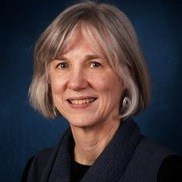
Jeffrey Edleson

University of California, Berkeley

Dr. Edleson is the Dean of the School of Social Welfare at UC – Berkeley and an emeritus professor at the University of Minnesota. His current research focuses on child abuse and parental abduction in abuse cases.

Jacquelyn C. Campbell

John Hopkins School of Nursing

Dr. Campbell is highly recognized for her work with intimate spouse abuse, and developed and validated The Danger Assessment, which is a system for clinicians and nurses to assess the risk of mortal danger in an abusive situation.

Phyllis W. Sharps
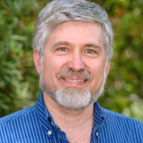
John Hopkins School of Nursing

Dr. Sharps has been recognized as an “emerging leader” at the Associated Black Charities’ Annual Fundraising Gala. Her expertise is in the effects of intimate partner abuse on pregnant women, young children and infants. She is the director of several nursing programs at John Hopkins School of Nursing and volunteers for many local organizations that serve abused women.

Kathryn Laughon

University of Virginia School of Nursing

Dr. Laughon focuses her clinical and written work on the study of intimate spousal abuse, and has received numerous awards for her work. She currently serves as a board member of the Nursing Network on Violence Against Women, International (NNVAWI).

Cathy Koetting

Dr. Koetting has training in child protection and forensic nursing, and has had extensive experience practicing as a primary care provider for at-risk populations of children.

Susan B. Patton

University of Tennessee Health Science Center

Dr. Patton’s area of expertise is with child abuse and sexual assault victims. She is an active member of IAFC’s Education Committee and the President of the Forensic Nurse Certification Board. She has received numerous awards for her state-level forensic nursing work, including the Arkansas Nurses Distinguished Service Award.

Anita Hufft

Valdosta State University

Dr. Hufft has achieved much success in personal career, and has received the official IAFN Achievement Award in 2000 for her excellence in forensic nursing. She was also recently appointed to the Georgia Board of Nursing, and is the current Director at Large for the United States division of the IAFN.consectetur

Kathleen L. Sekula

Duquesne University

Dr. Sekula organized one of the first Master’s degree programs specifically for forensic nursing students. She received large federal grants to fund the programs and has made them some of the most popular in the world. Her work was recognized by the IAFN through the presentation of the Virginia Lynch Pioneer Award in 2007. She has also served as the President of the Forensic Nurse Certification Board.

Karen Neill

Idaho State University

Dr. Neill is the Associate Director for Graduate Studies at Idaho State University. She is also appointed on the Idaho Council on Domestic Violence and Victim Assistance (ICDVVA), and is the Chair of the Oversight of Domestic Violence Offender Intervention Programs and Standards Committee. In addition, she is the Associate Editor for the Journal of Forensic Nursing.

Deborah Shelton

Achievement award IAFN Dr. Shelton is the Associate Dean of Research at West Virginia University and recently won an IAFN achievement award in 2012 for exceptional forensic nursing research relating to correctional health services. She is also an sought-after presenter and has given instruction at such conferences as the Biennial International Conference on the Nurse’s Role in the Criminal Justice System.

Dave Holmes

University of Ottowa

Professor Dave Holmes is the University of Ottawa Research Chair in Forensic Nursing. He has published over 110 articles in highly-rated peer-reviews journals, 35 book chapters and 4 books. He is also the Editor in Chief of Aporia: The Nursing Journal.

Daniel Sheridan

John Hopkins School of Nursing

Dr. Sheridan has been an active part of the formative community in regards to forensic nursing. He received the Virginia A. Lynch Pioneer Award (IAFN) in 2002, and acted as a member of the Validation Panel of the National Association of Clinical Nurse Specialists to evaluate Dr. Sheridan has been an active part of the formative community in regards to forensic nursing. He received the Virginia A. Lynch Pioneer Award (IAFN) in 2002, and acted as a member of the Validation Panel of the National Association of Clinical Nurse Specialists to evaluate clinical nurse specialist education programs.

Cindy Peternelj-Taylor

University of Saskatchewan

Dr. Peternelj-Taylor has received two achievements awards from the IAFN, one in 1998 and a Distinguished Fellow A in 2008. She is also the editor in chief of the Journal of Forensic Nursing.

Catherine Carter-Snell

Mount Royal University

Dr. Carter-Snell is a professor at Mount Royal University who offered the first online programs in forensic nursing in North America starting in the late 1990s. Dr Carter-Snell has become highly acclaimed for her clinical research in regards to victims of trauma and abuse. She received an IAFN Achievement Award in 2007 and the Research Dissertation Award through the Sigma Theta Tau Honor Society of Nursing in 2009.

Methodology

When considering which forensic nursing professors were the best, we took a number of things into consideration:

  1. Active Teaching Status.Each of the forensic nursing professors on this list are actively engaged in teaching, lecturing and presenting for college and professional audiences at least on a yearly basis.
  2. Peer-Reviewed Publication.Only professors who made significant research and written contributions on a yearly basis to the growing field of forensic nursing were considered “top” professors.
  3. Professional Organizations.All of the professors listed in this article are highly active in a number of professional nursing and forensic nursing organizations. Many of them are chairpersons and board members of these same organizations.
  4. Community Action.Forensic nursing professors who are heavily involved outside of academia were more highly considered than those with little community and volunteer engagement. Each of these professors is involved in at least one community program.
  5. Innovation and Contribution.Many of our “top-rated” professors are considered innovators in the field of forensic nursing by a reputable journal or organization in the forensic nursing academic community.
Barry Franklin

Barry Franklin

Co-Founder

Before co-founding Sechel Ventures Partners LLC, Barry Franklin was a VP at a Silicon Valley software company. He is an investor and advisor for DataSimply and Impellia. Barry believes that education and lifelong learning are paramount. Barry met his wife at Carnegie Mellon University and they have two beautiful daughters. He also volunteers for various committees at his kids’ high school.

How to Become

Even if you’re familiar with some of the different careers in forensics, you may not know the specific paths that lead to them, or the options and decision points that present themselves along the way. So, we’ve carved out a section of our blog to provide very detailed, step-by-step, descriptions of how to become everything from a forensic accountant to a forensic psychologist. Like many career paths, forensics career paths can be complex and nuanced, and are rarely “one size fits all”, so we’ve attempted to break down the major decision points, and clarify the essential component skills, experiences, and educational qualifications for each path, along with the personality traits, likes and dislikes that might make one career a better fit than another.

How to Detect AI: A Guide to Digital Forensics Tools

Forensic analysis is built on the principle that digital evidence represents reality. But AI-generated and AI-altered media undermine that assumption, forcing experts to assess not just what was recorded, but whether the event ever occurred at all.

Lab technicians gather around screen

How to Become a Forensic Science Technician

Forensic science technicians have a regular presence at crime scenes, aiding in the process of criminal investigations under a crime scene leader or field supervisor. The role involves helping to collect, document, and analyze evidence and submitting it to the crime laboratory.

How to Become a Paralegal

Paralegals play a critical role in the legal system, supporting attorneys with research, drafting, case preparation, and client communication. They help manage case files, prepare documents for court, coordinate with clients and witnesses, and ensure that legal processes run smoothly. While they cannot provide legal advice or represent clients in court, paralegals are indispensable to law firms, corporations, government agencies, and nonprofits.
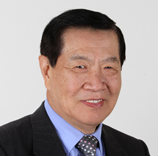
vintage chem lab with beakers and other vessels

Top Forensic Chemistry Programs (2025-2026)

Forensic chemistry attracts curious problem-solvers who can collect evidence with precision and remain objective in their observations. Ideal candidates for forensic chemistry positions must prove their abilities to follow legal and scientific protocols when collecting physical evidence from a crime scene and analyzing it in a laboratory.

Top Employers in Forensics: Four FBI Professionals’ Perspectives

The Federal Bureau of Investigation (FBI) is the principal federal law enforcement agency of the United States. Its investigative authority is the broadest of all federal law enforcement agencies, and the Bureau’s workforce is similarly large, employing approximately 35,000 people, including both special agents and support professionals, to serve its mission of protecting the American people and upholding the Constitution.
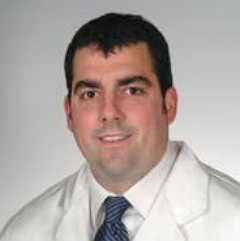
Crime scene do not cross ribbon

How To Become a Crime Analyst

Crime analysts work in law enforcement analyzing crime reports, arrest records, police calls, and other data to establish patterns and make correlations. They synthesize the data they gather into detailed reports that their departments use to make decisions about prosecutions, patrols, and staffing.
detail of a forensic accountant holding a pen and tabulating numbers

Top Online Forensic Accounting Programs

By earning a graduate certificate or degree in forensic accounting, professionals with bachelor’s degrees in accounting can become certified in fraud examination, thereby protecting individuals, corporations, and entire economies from the perils of financial corruption. Online forensic accounting programs have expanded to allow students to maintain their current jobs while earning a certificate or degree.

Professors

Often times, students choose a college or major without understanding much about who might be instructing them and guiding their educational experience. We’d like to change that. While we can’t feasibly profile every forensics professor out there, we certainly aim to surface the best ones. To that end, we’ve carved out this section of our blog to host a growing collection of “top professors” lists, each researched and curated by the www.forensicscolleges.com staff. Since every top forensic professor relies on the support of a college or university, we take care to identify each professor’s institution and department as part of their profile. We also describe why they made the list – was it a novel approach, student achievement, exceptional social connectedness, cutting edge forensics research, or a clever application of new instructional technologies that made them stand out?

How to Detect AI: A Guide to Digital Forensics Tools

Forensic analysis is built on the principle that digital evidence represents reality. But AI-generated and AI-altered media undermine that assumption, forcing experts to assess not just what was recorded, but whether the event ever occurred at all.

Lab technicians gather around screen

How to Become a Forensic Science Technician

Forensic science technicians have a regular presence at crime scenes, aiding in the process of criminal investigations under a crime scene leader or field supervisor. The role involves helping to collect, document, and analyze evidence and submitting it to the crime laboratory.

How to Become a Paralegal

Paralegals play a critical role in the legal system, supporting attorneys with research, drafting, case preparation, and client communication. They help manage case files, prepare documents for court, coordinate with clients and witnesses, and ensure that legal processes run smoothly. While they cannot provide legal advice or represent clients in court, paralegals are indispensable to law firms, corporations, government agencies, and nonprofits.

vintage chem lab with beakers and other vessels

Top Forensic Chemistry Programs (2025-2026)

Forensic chemistry attracts curious problem-solvers who can collect evidence with precision and remain objective in their observations. Ideal candidates for forensic chemistry positions must prove their abilities to follow legal and scientific protocols when collecting physical evidence from a crime scene and analyzing it in a laboratory.

Top Employers in Forensics: Four FBI Professionals’ Perspectives

The Federal Bureau of Investigation (FBI) is the principal federal law enforcement agency of the United States. Its investigative authority is the broadest of all federal law enforcement agencies, and the Bureau’s workforce is similarly large, employing approximately 35,000 people, including both special agents and support professionals, to serve its mission of protecting the American people and upholding the Constitution.

Crime scene do not cross ribbon

How To Become a Crime Analyst

Crime analysts work in law enforcement analyzing crime reports, arrest records, police calls, and other data to establish patterns and make correlations. They synthesize the data they gather into detailed reports that their departments use to make decisions about prosecutions, patrols, and staffing.

detail of a forensic accountant holding a pen and tabulating numbers

Top Online Forensic Accounting Programs

By earning a graduate certificate or degree in forensic accounting, professionals with bachelor’s degrees in accounting can become certified in fraud examination, thereby protecting individuals, corporations, and entire economies from the perils of financial corruption. Online forensic accounting programs have expanded to allow students to maintain their current jobs while earning a certificate or degree.

The Forensic Science Education Blog

The blog provides specific information to help you decide if forensic science is the right choice for you. With the inside scoop on forensic science professors, schools and training programs, as well as detailed information on the steps and requirements to become a forensics professional, the ForensicsColleges.com blog is a fine place to begin your research.

magnifying glass for detective or investigator

Criminalistics vs Criminology

A criminalist collects, documents, preserves, and examines the physical evidence at a crime scene, which could be something as huge as a bus, or as tiny as a pollen grain; criminologists, on the other hand, study why crimes occur, how they can be prevented, and the effects they have on a society.

criminalist holding a phone with data and fingerprint graphics superimposed

What is Criminalistics? Why Study It?

The criminal justice system in America is the overarching establishment through which crimes and those who commit them are discovered, tried, and punished. A criminalist is not involved in determining the guilt or innocence of an accused individual. Their job, rather, is to present an objective analysis of the evidence.

forest floor fire

How to Become a Fire Investigator

Fire investigators, also known as arson investigators, perform an invaluable service to society: they determine the causes of fires, and when necessary, whether a criminal act of arson was involved. These professionals employ both the skills of a scientist and those of a detective in their investigations.

insect being placed into container

Crime-Fighting Insects: How to Become a Forensic Entomologist

The primary use of forensic entomology is in death investigations as insect activity can reveal when, where, and sometimes how a person died. That said, forensic entomology can also assist in detecting drugs and poisons; determining the location of a crime; finding the presence and time of trauma; and even tying suspect, victim, and crime scene to each other.

four seated individuals with different body language

A Forensic Psychologist’s Guide to Body Language

Whether going out on a date, traveling through a foreign country, or interrogating a suspect in a crime, forensic psychology offers a wealth of tools to help decode people’s nonverbal behavior. These cues include gestures, vocal tones, body positioning, micro-expressions of the face, and a number of often subconscious indicators of people’s internal states.

handprint, dust and brush

Crime Scene Investigation vs. Forensic Science

Crime scene investigators and forensic scientists are both concerned with deriving information from evidence in order to discover the truth and determine the appropriate course of action. While complementary, the two roles are distinct. Learn more about the similarities and differences between them.

CSI potentially tampering with or planting evidence

Fraud in Forensics: Six Cases of Abuse from the Criminal Justice System

There’s no shortage of crime-fighting TV shows where protagonists brandish the latest forensic science techniques. Whether it’s DNA testing, tool mark identification, bite mark measuring, or blood spatter analysis, it’s assumed that these methods are reliable, consistent, and valid measures of criminal activity.

Forensic scientists review results together, on screen

How to Become a Forensic Pathologist – Steps & Requirements

At the intersection of medical and legal matters is where the work of a forensic pathologist begins. Known as “death detectives,” forensic pathologists are specially-trained physicians tasked with determining the cause of unexpected or violent deaths.

Whispering a secret, telling a lie

Top 10 Signs That Someone is Lying

Did you know that just 54 percent of lies can be accurately spotted? Extroverts also tell more lies than introverts and at least 82 percent of lies go undetected. The good news, however, is that people can improve their lie detection abilities, increasing them to near 90 percent accuracy. But how do you get started?

Forensic psychiatrist and her patient

How to Become a Forensic Psychiatrist

For those with the intelligence and focus to complete the steps to become a medical doctor and then complete residencies and fellowships that lead to the forensic psychiatrist specialty, this is a fascinating career. Keep reading to learn how one can become a forensic psychiatrist.

digital forensics specialist identifies cracked lock

15 Universities with Online Computer Forensics Programs

Students looking to learn about computer forensics can find a variety of options from the undergraduate to graduate level, from certificates to full degree programs.  Check out the top 15 programs in computer forensics and digital forensics that are offered online.

Crime scene red tape with police car at night

How To Become a Crime Scene Technician – Education & Certification

For people seeking careers that are simultaneously challenging, meaningful, and exciting, it is tough to beat becoming a crime scene technician. These professionals, also known as forensic science technicians or crime scene analysts, have inspired a number of popular television programs such as CSI and Dexter.

Troubled man holds head

What Can I Do With a Degree in Forensic Psychology?

Forensic psychologists share one goal through research and clinical practices: to understand what motivates people to commit crimes and use this knowledge to prevent future crimes. Forensic psychology work involves studying past crimes, questioning suspects and convicted criminals, and conducting clinical outcomes to become legal evidence. Find out what career options are available to forensic psychology degree holders at both the undergraduate and graduate degree levels.